Olive Oil Bread Dip with Herbs
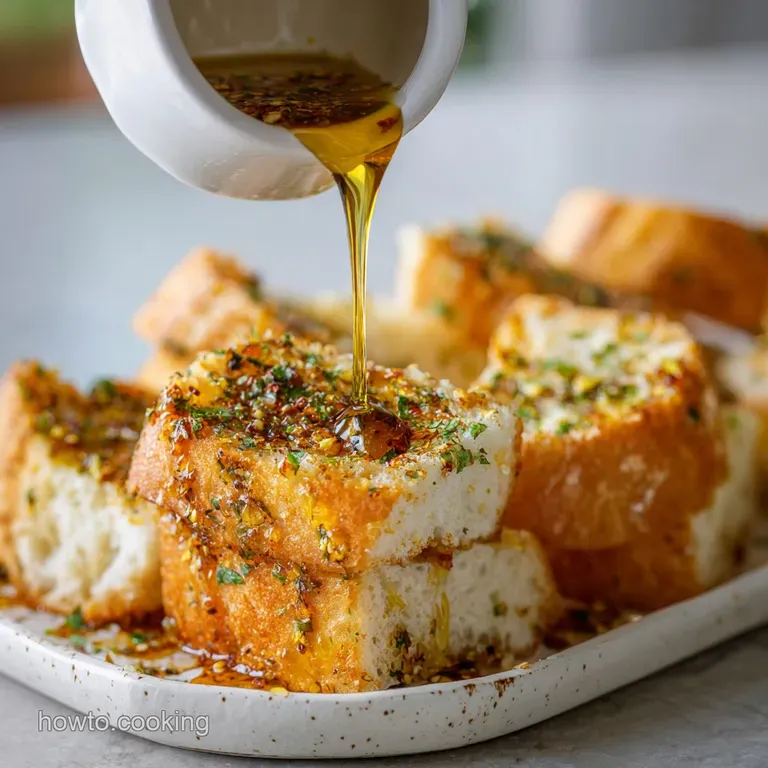
- Time: Active 10 minutes, Passive 0 minutes, Total 10 minutes
- Flavor/Texture Hook: Velvety olive oil meets the sharp shatter of aged cheese and savory herbs.
- Perfect for: Casual family gatherings, wholesome appetizers, or weekend dinner parties.
- Crafting the Most Wholesome Olive Oil Bread Dip
- Secrets to Infusing Herbs and Fats
- Essential Ratios for Your Dipping Platter
- Component Analysis
- Choosing Wholesome Components for Your Dip
- Simple Tools for a Refined Table
- Step by Step Emulsification and Assembly
- Navigating Texture and Herb Balance
- Essential Scaling for Groups
- Adapting Your Dip for Dietary Needs
- Myths About Olive Oil Infusions
- Preservation Methods and Wholesome Oil Uses
- Elegant Presentation and Bread Pairing Tips
- Recipe FAQs
- 📝 Recipe Card
Crafting the Most Wholesome Olive Oil Bread Dip
The moment a warm baguette pulls apart, revealing that soft, steamy interior, your senses crave something more than just butter. I remember sitting in a sun drenched kitchen in Italy, watching a friend's grandmother grate garlic directly into a pool of what looked like liquid emeralds.
There was no recipe, just a confident flick of the wrist and the unmistakable aroma of rosemary meeting cold pressed oil. That scent, sharp and earthy, filled the room and immediately made the simple loaf of bread feel like a celebratory feast.
When we talk about an Olive Oil Bread Dip, we aren't just making a sauce; we are creating a center for conversation. It is a dish that invites everyone to slow down, tear a piece of bread, and enjoy the wholesome textures of real food.
Over the years, I have moved away from the store-bought bottles filled with preservatives. Instead, I focus on choosing ingredients that offer both nutrition and depth, ensuring my family gets the best flavors without the hidden additives.
This recipe is about confidence in your ingredients. It relies on the vibrant notes of extra virgin olive oil and the savory punch of Parmigiano Reggiano. You will find that when you use high-quality aromatics, you don't need a long list of components to make an impact.
The secret lies in how those ingredients interact on the plate, creating a velvety experience that clings to every crumb of your bread.
Secrets to Infusing Herbs and Fats
The Physics of Aromatic Infusion: Fat acts as a non polar solvent, pulling lipid soluble flavor compounds out of dried herbs and garlic to create a rounded profile. This process allows the essence of the rosemary and basil to permeate the oil, ensuring every drop carries a wholesome, herbal punch.
Chef Tip: Before adding your oil, macerate the grated garlic in the lemon juice for two minutes. This "cooks" the garlic slightly, removing the harsh bite while keeping the vibrant flavor intact.
Another trick I swear by is hand crushing the dried rosemary between your palms before it hits the bowl. This physical friction breaks the dried leaves, releasing the volatile oils that have been trapped inside. It transforms a muted herb into a fragrant powerhouse. Finally,, always grate your cheese fresh.
The pre shredded stuff is coated in potato starch, which prevents it from melting into the oil and creates a gritty texture we definitely want to avoid.
Macerating Your Fresh Garlic
To get that smooth flavor, use a microplane to turn the two garlic cloves into a fine paste. When the garlic is this fine, it distributes evenly through the Olive Oil Bread Dip, meaning nobody gets a giant, spicy chunk of raw garlic.
It integrates into the oil, creating a base that feels more like a dressing than a chunky sauce.
Picking Your Liquid Gold
For this recipe, the olive oil is the star. Look for "Cold Pressed" and "Extra Virgin" on the label. This ensures the oil hasn't been treated with high heat, preserving the polyphenols and nutrients that make olive oil such a wholesome choice for your family.
The flavor should be slightly peppery at the back of your throat, which balances the richness of the cheese.
| Prep Method | Total Time | Texture | Best For |
|---|---|---|---|
| Instant Mix | 2 minutes | Sharp & Separated | Quick snacking |
| Infused Bloom | 10 minutes | Velvety & Rounded | Dinner parties |
| Warmed Oil | 5 minutes | Aromatic & Fluid | Cold winter nights |
Taking those extra eight minutes to let the herbs bloom in the citrus and acid makes a world of difference. While the "Instant Mix" works in a pinch, the "Infused Bloom" method allows the flavors to marry, creating a much more sophisticated taste.
You'll notice the oil becomes slightly more opaque as the cheese and vinegar start to emulsify.
Essential Ratios for Your Dipping Platter
The foundation of a great Bread Dip is the balance between the fat of the oil and the acid of the vinegar and lemon. We use 0.5 cup high-quality Extra Virgin Olive Oil to provide a rich base.
The 1 tablespoon Balsamic Vinegar of Modena adds a touch of sweetness and depth, while the 1 teaspoon fresh lemon juice provides a bright top note that cuts through the fat.
Component Analysis
| Ingredient | Science Role | Pro Secret |
|---|---|---|
| Extra Virgin Olive Oil | Primary Solvent | Use oil harvested within the last year for peak antioxidants. |
| Balsamic Vinegar | Acid Catalyst | Look for "Modena" on the label to ensure traditional fermentation. |
| Parmigiano Reggiano | Umami Binder | Grate it on the smallest holes for a "snow" texture that dissolves. |
Selecting the right cheese is non negotiable for me. Authentic Parmigiano Reggiano has a crystalline structure that provides a salty pop. When it meets the balsamic, it creates a savory sweet harmony that is essentially the definition of Mediterranean comfort food.
Trust me, skipping the green shaker can and using the real block will give you a surge of cooking confidence.
Choosing Wholesome Components for Your Dip
Creating this dip requires just a few pantry staples, but each one must earn its place on your plate. I always recommend using organic dried herbs when possible, as they tend to have a more concentrated flavor.
- 0.5 cup Extra Virgin Olive Oil: The heart of the dish. Why this? Provides healthy monounsaturated fats and a velvety mouthfeel.
- 1 tablespoon Balsamic Vinegar of Modena: Adds acidity. Why this? Its natural sweetness balances the savory herbs.
- 1 teaspoon fresh lemon juice: Brightens the mix. Why this? Breaks down the heavy fat molecules for a cleaner finish.
- 2 cloves fresh garlic, grated: The aromatic base. Why this? Grating releases alliums without adding bitter chunks.
- 1 teaspoon dried oregano: Earthy notes. Why this? A classic Mediterranean staple that adds depth.
- 1 teaspoon dried basil: Sweet herbal flavor. Why this? Complements the balsamic vinegar perfectly.
- 0.5 teaspoon dried rosemary, crushed: Woodsy aroma. Why this? Adds a sophisticated, pine like scent to the oil.
- 0.5 teaspoon red pepper flakes: Gentle heat. Why this? Stimulates the palate without overpowering the herbs.
- 2 tablespoons Parmigiano Reggiano: Salt and umami. Why this? Bonds the oil and acid together with savory fat.
- 0.5 teaspoon flaky sea salt: Texture and seasoning. Why this? Provides a localized burst of saltiness in every dip.
- 0.25 teaspoon freshly cracked black pepper: Pungent finish. Why this? Adds a floral, spicy heat that remains on the tongue.
If you find yourself out of Balsamic, a high-quality red wine vinegar is a great substitute. It won't have the same syrupy sweetness, but it provides the necessary acid to keep the oil from feeling too heavy.
Similarly, if rosemary feels too strong for your kids, you can swap it for dried thyme for a softer, more floral aroma.
Simple Tools for a Refined Table
You don't need fancy equipment to make this Oil Bread Dip, but a few specific tools make the job much easier. I always reach for a shallow, wide ceramic bowl. This creates more surface area, allowing the herbs and cheese to spread out so every piece of bread gets a bit of everything.
A deep bowl often results in the oil sitting on top and all the "good stuff" sinking to the bottom where the bread can't reach it.
A microplane or fine grater is also essential. Using a knife to mince garlic often leaves you with uneven pieces that can be quite pungent. The microplane turns the garlic and the Parmigiano Reggiano into a fine mist that integrates perfectly into the liquid components. This ensures a consistent flavor in every bite.
step-by-step Emulsification and Assembly
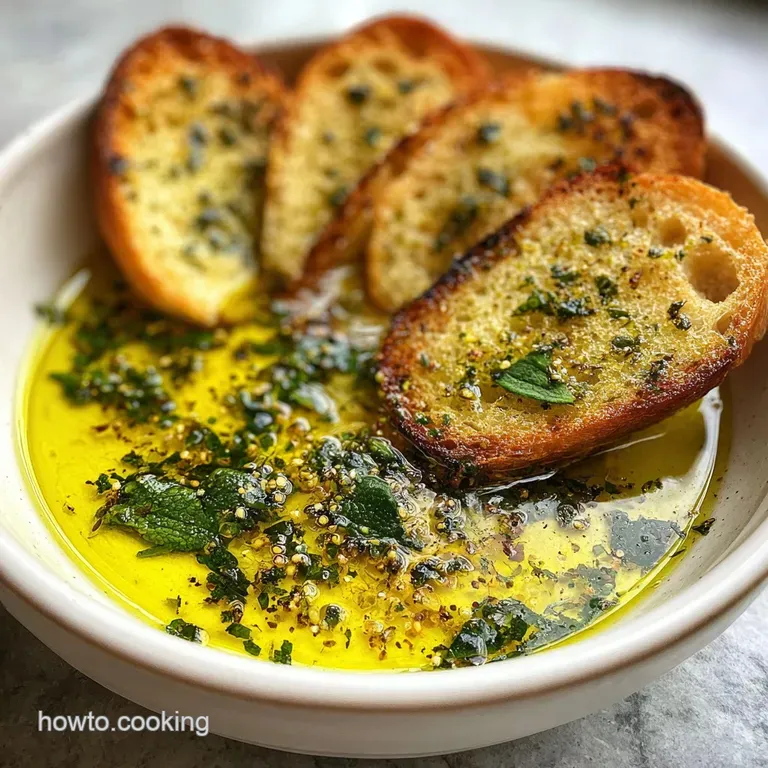
- Grate the garlic. Use a microplane to turn the 2 cloves into a fine paste directly in your serving bowl. Note: This ensures no flavor is left behind on a cutting board.
- Add the citrus. Pour the 1 teaspoon of lemon juice over the garlic.
- Macerate the garlic. Let it sit for 2 minutes until the garlic smells less sharp and more mellow.
- Whisk in the vinegar. Add the 1 tablespoon of balsamic vinegar to the garlic and lemon mixture.
- Crush the herbs. Rub the 1 teaspoon oregano, 1 teaspoon basil, and 0.5 teaspoon rosemary between your palms into the bowl.
- Layer the oil. Slowly pour the 0.5 cup extra virgin olive oil over the herb and acid base.
- Add the heat. Sprinkle in the 0.5 teaspoon red pepper flakes and 0.25 teaspoon black pepper.
- Incorporate the cheese. Add the 2 tablespoons of freshly grated Parmigiano Reggiano.
- Season with salt. Finish with the 0.5 teaspoon flaky sea salt until the white crystals sit visibly on the surface.
- Swirl gently. Use a spoon to give it one light stir until the balsamic forms dark ribbons through the golden oil.
When selecting your bread for this recipe, I highly recommend a crusty Artisan Bread recipe that can stand up to the oil. You want a loaf that has a sturdy crust to "scoop" the herbs, but a porous enough crumb to soak up the balsamic and oil. If the bread is too soft, it will simply disintegrate before it reaches your mouth.
Navigating Texture and Herb Balance
One of the most common issues people face when making an Italian bread dipping oil recipe is flavor separation. Because oil and vinegar don't naturally mix, the balsamic tends to pool in the center. While this is visually appealing, it can lead to some bites being too oily and others being too acidic.
The cheese acts as a slight emulsifier, but the real trick is the sequence of assembly.
Why Your Dip Feels Oily
If the dip feels greasy rather than flavorful, it usually means the acid wasn't strong enough or the garlic wasn't macerated properly. The lemon juice is vital here; it provides a different type of acidity than the vinegar, which helps to "brighten" the heavy fat of the oil.
If you still find it too heavy, a tiny pinch more salt can help the flavors pop.
Balancing The Savory Salt
The Parmigiano Reggiano is quite salty on its own. If you are using a very aged cheese (36 months or more), you might want to scale back the flaky sea salt. Taste a small drop of the oil before adding the final salt sprinkle to ensure you aren't over seasoning.
| Problem | Root Cause | Solution |
|---|---|---|
| Bitter Aftertaste | Garlic was bruised or old | Use a microplane and fresh, plump cloves. |
| Herbs Are Tough | Didn't bloom in acid | Let herbs sit in lemon juice/vinegar first. |
| Vinegar Pools | Poor distribution | Swirl gently just before serving to create ribbons. |
A common mistake I made early on was using pre ground black pepper. It loses its floral notes almost immediately. By using freshly cracked pepper, you get those woody, spicy pops that dance against the sweetness of the balsamic. It’s a small change that yields a massive result in flavor harmony.
Common Mistakes Checklist
- ✓ Using "Light" olive oil instead of Extra Virgin (lacks flavor)
- ✓ Forgetting to crush the dried rosemary (leaves it "piney" and hard)
- ✓ Adding cheese after the bread has already soaked up the oil
- ✓ Using bottled lemon juice instead of fresh (lacks the enzymatic bite)
- ✓ Over mixing the balsamic (you want those beautiful dark swirls)
Essential Scaling for Groups
When you're hosting a large family dinner, you’ll definitely need more than 6 servings. To double this recipe, you don't necessarily need to double everything. While you should double the oil and vinegar, I suggest only increasing the garlic and red pepper flakes by 1.5 times.
Raw garlic can become overwhelming very quickly when scaled up.
| Servings | Ingredient Adjustments | Bowl Size | Prep Time |
|---|---|---|---|
| 6 People | Standard recipe | 6 inch shallow | 10 minutes |
| 12 People | 1 cup oil, 2 tbsp balsamic | 10 inch platter | 12 minutes |
| 20 People | 2 cups oil, 4 tbsp balsamic | Two separate bowls | 15 minutes |
For larger groups, I find it's better to use two separate bowls placed at opposite ends of the table. This prevents the "bottleneck" effect where everyone is reaching for the same spot. It also allows you to make one bowl slightly spicier for the adults and one milder for the children.
Adapting Your Dip for Dietary Needs
While this Olive Oil Bread Dip is naturally wholesome, some guests may have specific requirements. If you have a vegan family member, the Parmigiano Reggiano is the only hurdle. You can easily swap this for a high-quality nutritional yeast or a vegan parmesan alternative.
The nutritional yeast provides that same nutty, umami depth that we love in the cheese.
For those watching their sodium intake, you can omit the flaky sea salt entirely. The cheese and the lemon juice provide enough of a flavor punch that you won't feel like you're missing out.
You can also increase the amount of dried basil and oregano to provide more "nose" to the dish, which compensates for the lack of salt on the palate.
If you are serving this alongside a gluten-free loaf, be aware that gluten-free bread is often much denser. I recommend lightly toasting the gluten-free bread first. This gives it the structural integrity needed to hold the oil without crumbling into the dip.
Myths About Olive Oil Infusions
Many people believe that you must heat the oil to get the flavor out of the herbs. This is a myth. While heat does speed up the process, it also destroys the delicate flavor compounds in high-quality extra virgin olive oil.
A "cold bloom" in acid, like we do here with the lemon juice and balsamic, is much better for preserving the oil's nutritional profile.
Another common misconception is that all balsamic vinegar is the same. "Balsamic Vinegar of Modena" is a protected designation. Cheaper versions are often just cider vinegar with caramel coloring and sugar.
For a wholesome dip, the real stuff is worth the extra few dollars because it has the natural thickness and complex sugar profile that makes this dish sing.
Preservation Methods and Wholesome Oil Uses
This Bread Dip is best enjoyed immediately while the aromatics are fresh. However, if you find yourself with leftovers, you can store it in an airtight glass jar in the refrigerator for up to 3 days. The oil will likely solidify in the cold; this is perfectly normal for high-quality olive oil.
Just let it sit at room temperature for 20 minutes before serving, and give it a quick whisk to reintegrate the balsamic.
Zero Waste Tip: If you have leftover oil but no bread, don't throw it away! This mixture makes an incredible marinade for chicken or a base for a salad dressing. I often toss my leftover dip with some warm pasta and a splash of pasta water for a quick, wholesome lunch the next day.
The herbs and garlic are already perfectly balanced, making it a "flavor starter" for your next meal.
Elegant Presentation and Bread Pairing Tips
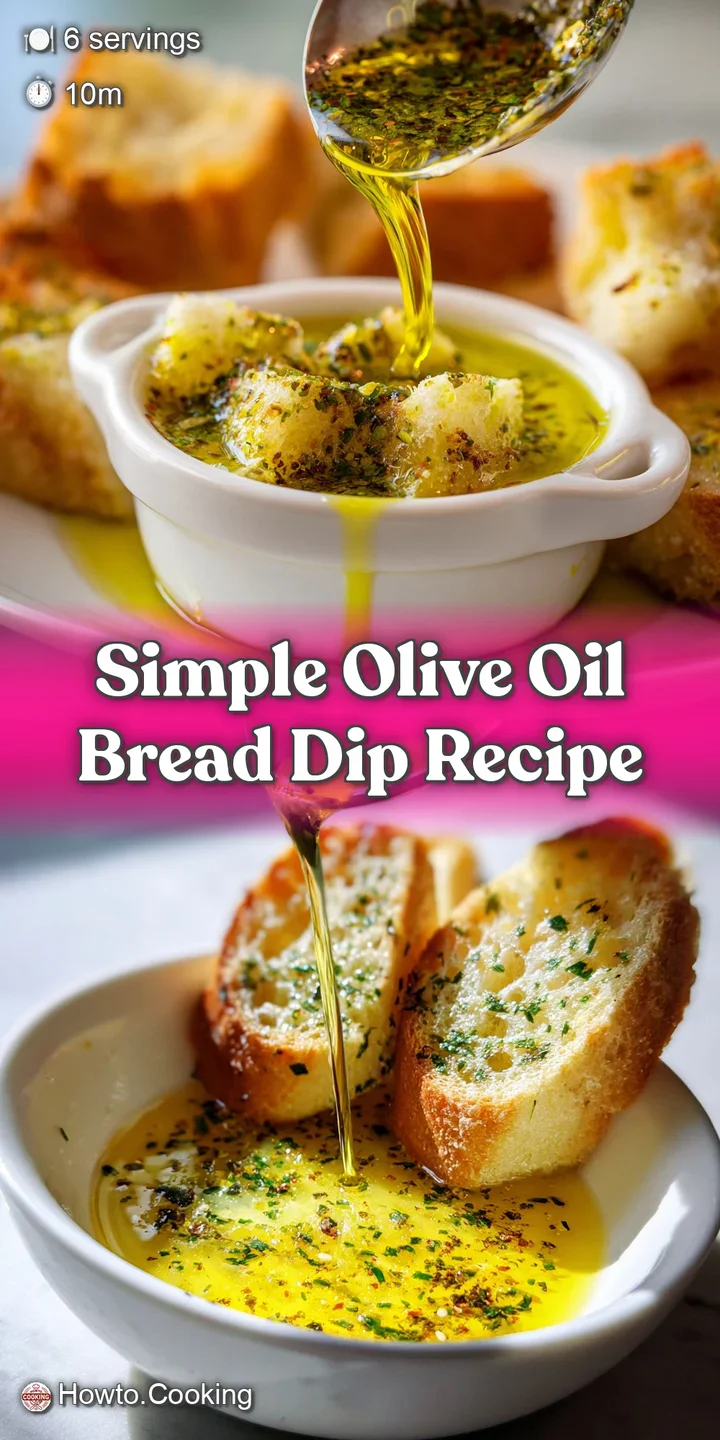
To make this dip look as good as it tastes, think about color. The dark balsamic against the golden green oil is already stunning, but you can enhance it by adding a sprig of fresh rosemary on the side of the plate. If you want to offer some variety, you can serve this alongside my Garlic Bread Crostini recipe for those who prefer a more crunch focused experience.
When plating, always add the cheese and flaky salt last. This ensures the guests see the texture before they dive in. If you mix everything into a brown slurry, it loses its visual appeal.
You want the layers to be visible the dark vinegar ribbons, the green herbs, and the white "snow" of the Parmigiano Reggiano. It tells a story of fresh, wholesome ingredients that you’ve prepared with care and confidence.
If you want a more rustic feel, serve the dip in a hand carved wooden bowl. If you want a modern look, use a white porcelain slate to make the colors pop.
If you want to save time, prep the herb and acid base in advance, then just add the oil and cheese right before the bread hits the table.
This dip is more than just a recipe; it’s a way to bring people together. By focusing on the quality of your oil and the freshness of your garlic, you’re providing a nutritious start to any meal that everyone will remember. Enjoy the process, trust your senses, and let the bread do the talking.
Recipe FAQs
What to put in olive oil for bread dipping?
Combine fresh aromatics and high-quality acid. Start with grated fresh garlic, quality balsamic or red wine vinegar, lemon juice, and crushed dried herbs like rosemary and oregano. A little freshly grated Parmigiano Reggiano adds umami.
Is dipping bread in olive oil healthy?
Yes, when using high-quality Extra Virgin Olive Oil (EVOO). EVOO is rich in monounsaturated fats and antioxidants, which are heart healthy components. The health factor decreases if you use heavily processed oils or load the dip with excessive salt.
What makes the bread dipping oil at restaurants so delicious?
It relies on aggressive flavor layering and freshness. Restaurants often use high-quality EVOO and allow the garlic and herbs to "bloom" in a small amount of acid (lemon/vinegar) before adding the bulk oil. This extracts flavor without using heat.
Can you drizzle olive oil on bread?
Yes, this is a classic and simple preparation method. For a basic drizzle, whisk together olive oil with salt, pepper, and a touch of dried oregano, then pour directly over toasted or warm bread slices.
How to prevent the oil and vinegar from separating completely in the dip?
Introduce the acid and garlic before the oil, then add finely grated cheese. The cheese acts as a minor emulsifier, binding the fat to the acid slightly, so swirl gently just before serving to create ribbons rather than fully mixing them.
Should I heat the olive oil before adding herbs for maximum flavor?
No, this is a common misconception that degrades quality. Heating high-quality EVOO destroys beneficial polyphenols and can create a bitter flavor; instead, crush the herbs and let them macerate in the acid components first to release flavor gently.
What bread pairs best with a savory herb olive oil dip?
A sturdy, crusty loaf is essential to handle the soaking. Opt for a baguette or rustic sourdough with a strong crust and an open crumb structure to soak up the infused oil, much like the bread used in our Royal Ribbons Grilled recipe.
Olive Oil Bread Dip
Ingredients:
Instructions:
Nutrition Facts:
| Calories | 172 kcal |
|---|---|
| Protein | 0.6 g |
| Fat | 18.6 g |
| Carbs | 0.9 g |
| Fiber | 0.2 g |
| Sugar | 0.4 g |
| Sodium | 218 mg |
