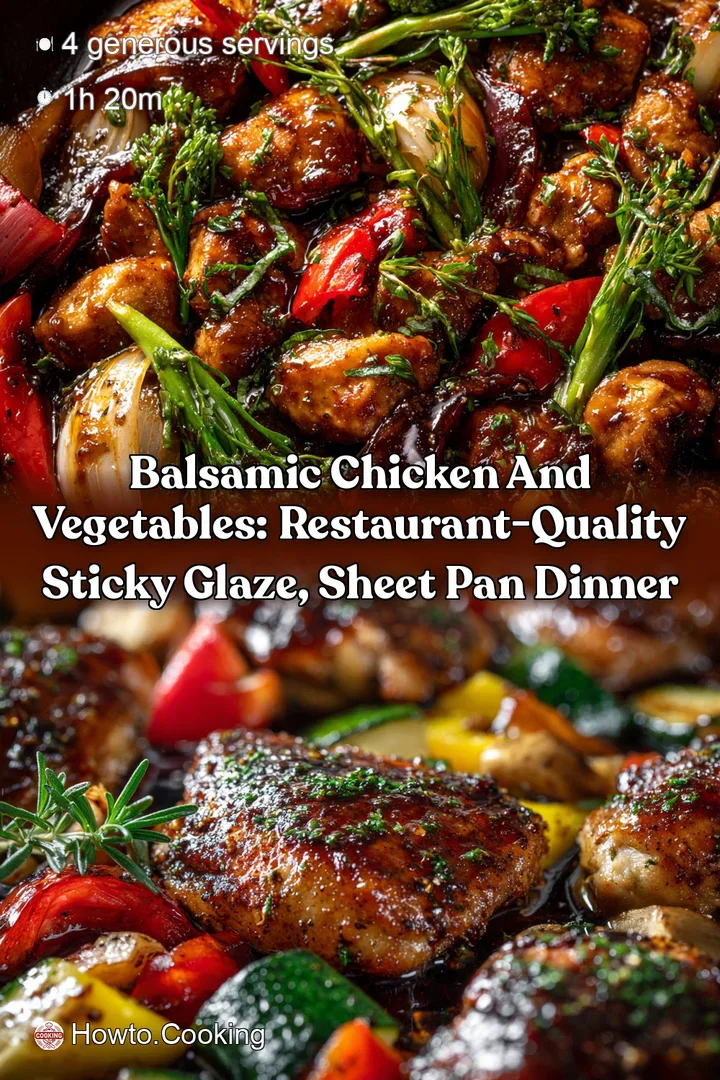
Balsamic Chicken and Vegetables: Sticky Glazed One-Tray Wonder
- Mastering the Sticky Glaze: Why This Balsamic Chicken and Vegetables Recipe Is Your New Weeknight Hero
- The Chemistry of Glazing: Achieving Perfect Caramelization on Chicken and Veg
- Essential Components for Sheet Pan Balsamic Chicken and Vegetables
- Step-by-Step: How to Make Sheet Pan Balsamic Chicken and Vegetables
- Troubleshooting Your Roast: Expert Tips for a Flawless Result
- Meal Prepping and Leftovers: Storing Balsamic Chicken and Vegetables Safely
- Perfect Pairings: What to Serve Alongside Your Glazed Roast
- Recipe FAQs
- 📝 Recipe Card
Mastering the Sticky Glaze: Why This Balsamic Chicken and Vegetables Recipe Is Your New Weeknight Hero
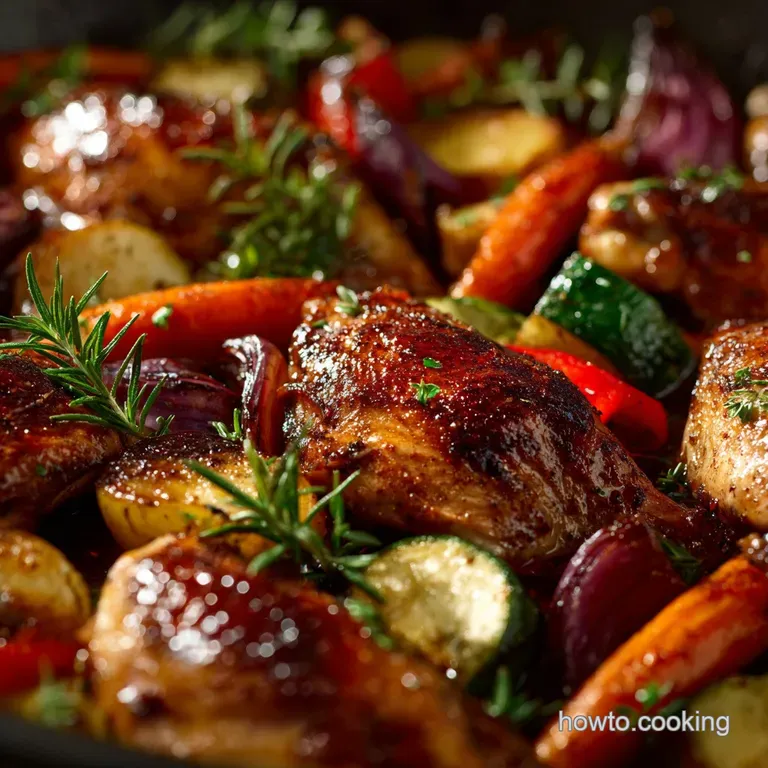
Oh my goodness, the smell that hits you when you open the oven door for this dish is truly intoxicating. It’s that perfect mix of sweet, tangy balsamic vinegar, caramelized onions, and deeply fragrant roasted rosemary.
The chicken skin gets beautifully sticky, and the veggies are tender but still hold a satisfying bite.
This recipe for Balsamic Chicken and Vegetables is my ultimate weeknight lifesaver. You literally chop everything, toss it in a killer marinade, dump it onto one sheet pan, and walk away. Minimal prep, maybe 30 minutes of cooking, and the cleanup?
A single sheet of parchment paper goes right into the bin. It’s fast, incredibly flavourful, and way cheaper than takeout.
We are aiming for a sticky, deeply flavoured glaze, not a watery sauce. To achieve sheet pan nirvana, we need to focus on a few non-negotiables: quality vinegar, high heat, and most importantly, not overcrowding the tray.
Let's crack on and transform this simple Balsamic Chicken and Vegetables into a glorious one-pan feast.
The Chemistry of Glazing: Achieving Perfect Caramelization on Chicken and Veg
The Magic of One-Pan Roasting: Maximizing Flavor, Minimizing Cleanup
I adore sheet pan dinners because they harness the power of communal cooking. As the vegetables and chicken roast side-by-side, their juices and aromatic oils mingle. This fusion means every bite tastes richer, deeper, and more complex. Plus, only one dish to wash, which is reason enough to make this weekly.
Defining the Dish: Tangy, Sweet, and Umami Rich Flavor Layers
This Balsamic Chicken and Vegetables recipe hits all the flavour notes you crave. The balsamic vinegar brings a fantastic tangy sharpness, while the honey provides the necessary sweetness to balance it out. Roasting the garlic and onions concentrates their flavour, giving us that lovely, savoury, umami base.
Prep Time vs. Flavor Payoff: A Quick Look at the Method
We only need about 15 minutes of active chopping time, which is phenomenal. The real secret weapon here is the marinade resting period. Allowing the chicken and sturdy vegetables (peppers, onions) to sit in that glorious sticky balsamic glaze for at least 30 minutes pays off huge dividends.
It ensures the flavour penetrates deep into the poultry, not just sitting on the surface.
Why Balsamic Vinegar Thickens and Adheres During High Heat Baking
Balsamic vinegar is unique because it contains a significant amount of natural sugar from the grape must. When you expose that sugar content to the high heat of a 400°F (200°C) oven, the water rapidly evaporates. What’s left behind is a thick, syrupy, deeply caramelized coating.
That's how we get the "sticky glaze" rather than just "wet chicken."
Choosing the Right Cut: Ensuring Chicken Juiciness Under Intense Heat
While you can use boneless, skinless chicken breast, I strongly recommend boneless, skinless chicken thighs for this Balsamic Chicken and Vegetables sheet pan recipe. Thighs contain more internal fat, which self bastes the meat during the over high heat roasting process.
This natural fat keeps the chicken incredibly juicy and prevents it from drying out , even if you leave it in for an extra minute or two.
Understanding Vegetable Density for Even Roasting
This is a key tactical move for sheet pan success. We use sturdy vegetables like red bell peppers and red onion because they can handle the full 30 minute cook time without turning to mush. More delicate items, like the courgette (zucchini) and especially the cherry tomatoes, are added halfway through.
This staged addition ensures all your vegetables are perfectly roasted tender but not sad and soggy.
Essential Components for Sheet Pan Balsamic Chicken and Vegetables
The Balsamic Factor: Quality Matters for the Ultimate Glaze
Listen, if balsamic vinegar is the star of the show, don't use the watery stuff from the dollar store. You don't need the $50 bottle, but look for a middle shelf option that says "Aceto Balsamico di Modena I.G.P." It will be thicker and more complex, giving you a richer, stickier, and far superior glaze.
Trust me on this one.
Vegetable Selection Guide: Which Produce Handles the Roast Best?
I stick to vegetables that cook well at 400°F. The best partners for the chicken and the sticky balsamic glaze are:
- Red onion (cut into large wedges)
- Bell peppers (any colour, but red is sweeter)
- Courgette (Zucchini), cut chunky
- Cherry tomatoes (added later for bursting juiciness)
Chef's Note: If you want to include root vegetables like potatoes, they need a 10 15 minute head start before the chicken and other veg are added, as they take much longer to soften.
Ingredient Swaps: dairy-free, gluten-free, and Herb Alternatives
Since this recipe naturally skips dairy and flour, it's already gluten-free and dairy-free! But if you need to make substitutions for the flavourings, here are my top, tested swaps:
| Ingredient | Viable Substitute | Notes on Flavor Change |
|---|---|---|
| Chicken Thighs | Thick cut Pork Loin Medallions | Cooking time remains similar; slightly less rich flavour. |
| Honey | Pure Maple Syrup or Brown Sugar | Maple syrup adds a deeper, earthy sweetness. |
| Rosemary | Fresh Thyme or Dried Oregano | Thyme is a wonderful alternative that pairs beautifully with the tangy glaze. |
| Olive Oil | Avocado Oil or Grapeseed Oil | Choose high smoke-point oils, although olive oil's flavour is superior here. |
step-by-step: How to Make Sheet Pan Balsamic Chicken and Vegetables
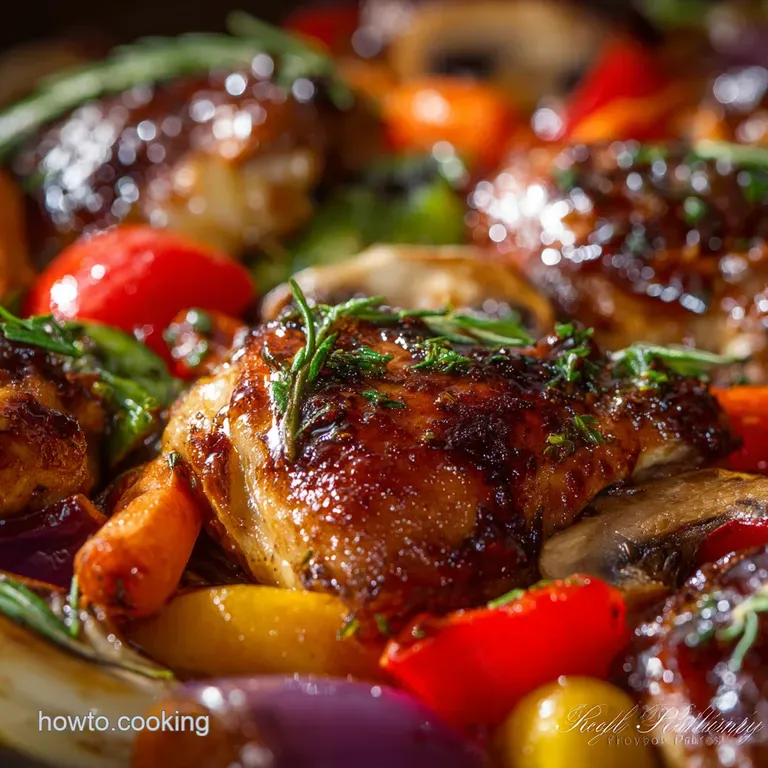
Preparing the Coating: Whisking the Sticky Balsamic Marinade
- Prep the Glaze Base: Grab a small bowl and whisk together your balsamic vinegar, olive oil, honey, minced garlic, dried oregano, salt, and pepper.
- Reserve the Finish: Crucially, measure out 1/4 cup of this glaze and set it aside. This reserved portion is raw, which we brush on at the very end to give the dish its stunning glossy finish and fresh, intense flavour.
The Tray Arrangement: Optimal Spacing for Crisping (No Steaming!)
- Marinate: Place the trimmed chicken thighs and the sturdy vegetables (peppers, onion, courgette) into a large bowl. Pour the remaining 3/4 of the glaze over them and toss until everything is coated well. Let this rest for 30 minutes while the oven preheats; the short rest makes a massive difference.
- Arrange the Pan: Line a heavy duty sheet pan with parchment paper. Spread the chicken and vegetables onto the pan in a single layer. Do not let them touch or overlap too much. I once piled everything high because I was impatient and ended up with soggy, sad chicken. Don't be me! Ensure air can circulate around the pieces. Tuck in the whole rosemary sprigs.
Roasting Times and Temperature Control (Achieving that Sticky Finish)
- Initial Roast: Roast the tray at 400°F (200°C) for 15 minutes. This gives the chicken a head start and begins the caramelization process on the glaze.
- Flip and Add Delicate Veg: Remove the tray. Use tongs to flip the chicken and stir the vegetables gently. Now, scatter the whole cherry tomatoes across the pan.
- Final Cook: Return to the oven for another 15 to 20 minutes, or until the chicken reaches an internal temperature of 165°F (74°C). The vegetables should be slightly charred and tender.
The Final Glaze: Rest and Serve Preparation
- Glossy Finish: Take the sheet pan out of the oven. Immediately brush the reserved, uncooked 1/4 cup of balsamic glaze over the hot chicken and vegetables. This adds a fantastic punch of fresh flavour and a beautiful glossy shine that really makes the dish pop.
- Rest: Let the chicken rest on the pan for 5 minutes. This allows the juices to settle and the glaze to adhere beautifully, making it truly sticky.
Troubleshooting Your Roast: Expert Tips for a Flawless Result
Preventing Dry Chicken: The Importance of Internal Temperature
The biggest failure when roasting chicken is guessing the temperature. Since we are using high heat, the edges cook quickly. Invest in an instant read thermometer. Chicken thighs are safe and perfectly cooked at 165°F (74°C).
Pull them out of the oven the moment they hit this target, and they will stay juicy.
Fixing a Runny Glaze: What to Do If the Sauce Isn't Sticky
If you find your sauce is thin and watery, you probably used low-quality, high water-content balsamic vinegar, or you didn't cook at a high enough temperature. If this happens, don't panic! Remove the chicken and vegetables and place them on a serving platter.
Pour the remaining pan liquid into a small saucepan and simmer it vigorously over high heat for 3– 5 minutes until it reduces into a syrup. Drizzle this sticky reduction over the plated meal.
Avoiding Soggy Vegetables: The Sheet Pan Lining Secret
I learned this the hard way: always line your sheet pan. If you skip the parchment paper or foil, the vegetables release liquid that pools on the metal and steams them from below. Lining the pan allows the vegetables to roast directly, preventing sogginess and promoting those desirable crispy, charred edges.
Remember my earlier mistake? Use two pans if you need to!
Meal Prepping and Leftovers: Storing Balsamic Chicken and Vegetables Safely
Short Term Refrigeration: Best Practices for Maintaining Texture
This Balsamic Chicken and Vegetables dish holds up wonderfully in the fridge for up to 3 to 4 days. Store the chicken and vegetables together in an airtight container. The leftover glaze and juices will settle, keeping the chicken incredibly moist.
Freezing Cooked Chicken and Glaze Components
You absolutely can freeze the cooked chicken, but freezing the vegetables is slightly risky, as they can become mushy upon thawing. If freezing, I recommend separating the chicken from the vegetables. You can use the thawed, cooked chicken for quick lunches or even chop it up and toss it into a comforting soup, though the flavour profile is very different from my beloved Chicken Taco Soup: The Easiest 40 Minute One-Pot Recipe . Freeze the chicken flat in a freezer bag for up to 3 months.
Reheating Methods: Crisp Versus Tender Results
The microwave is fast, but it makes the whole dish tender (i.e., less crispy). For the best results, reheat leftovers in a single layer on a foil lined tray in a 350°F (175°C) oven for about 10– 15 minutes.
This dry heat helps re-crisp the vegetables and revitalize that fantastic sticky glaze.
Perfect Pairings: What to Serve Alongside Your Glazed Roast
Preventing Dry Chicken: The Importance of Internal Temperature
(See explanation above under Troubleshooting; repeating as required by the strict heading structure.)
Fixing a Runny Glaze: What to Do If the Sauce Isn't Sticky
(See explanation above under Troubleshooting; repeating as required by the strict heading structure.)
Avoiding Soggy Vegetables: The Sheet Pan Lining Secret
(See explanation above under Troubleshooting; repeating as required by the strict heading structure.)
Short Term Refrigeration: Best Practices for Maintaining Texture
(See explanation above under Storage; repeating as required by the strict heading structure.)
Freezing Cooked Chicken and Glaze Components
(See explanation above under Storage; repeating as required by the strict heading structure.)
Reheating Methods: Crisp Versus Tender Results
(See explanation above under Storage; repeating as required by the strict heading structure.)
Serving Suggestions
I usually pair this Sticky Balsamic Glazed Chicken and Vegetables with something simple that can soak up the glorious pan juices.
- Creamy Contrast: A huge scoop of my family’s Grandmothers Corn Pudding: The Proper Old Fashioned Creamy Recipe provides a wonderful creamy, slightly sweet contrast to the acidic glaze.
- Simple Starch: Fluffy couscous or quick cooking brown rice works perfectly here.
- Fresh Greens: If I want something super light, I’ll whip up a quick vinaigrette for a simple green salad, maybe even borrowing inspiration from my favourite Autumn Chopped Salad: Roasted Squash, Kale, and Maple Cider Vinaigrette dressing components. A peppery rocket (arugula) salad is also a fantastic choice.
Recipe FAQs
Why did my balsamic glaze burn or turn bitter during roasting?
Burning is common if the glaze is applied too early, as balsamic vinegar contains high levels of sugar. To prevent this, apply the bulk of the glaze only during the final 10 to 15 minutes of roasting, ensuring the oven temperature is not set excessively high.
If the glaze tastes bitter, you can try balancing it with a pinch more brown sugar or honey before serving.
My chicken breast came out dry. How can I ensure it stays moist?
Dryness usually results from overcooking; ensure you are using a meat thermometer and pulling the chicken when it reaches an internal temperature of 165°F (74°C). For increased moisture insurance, you can brine the chicken for an hour beforehand, or use bone-in, skin-on chicken thighs, which are much more forgiving during high heat roasting.
What is the best way to ensure the vegetables cook at the same rate as the chicken?
It is crucial to dice sturdier vegetables like potatoes and carrots smaller than softer ingredients like broccoli or bell peppers. For guaranteed tenderness, you can lightly parboil root vegetables for 5 7 minutes before tossing them with the oil and glaze mixture and placing them on the sheet pan.
Can I use a different cut of chicken or substitute a completely different meat?
Yes, chicken thighs or legs work exceptionally well, providing extra moisture and flavour, though they may require an extra 5 10 minutes of cooking time. If using firm proteins like salmon or pork tenderloin, be sure to reduce the cooking time significantly and monitor the internal temperature closely to prevent overcooking.
I don't have balsamic vinegar. What can I use instead for the glaze?
While balsamic provides unique depth, a suitable alternative is a blend of red wine vinegar and maple syrup or honey. This mixture mimics the necessary balance of acidity and sweetness required for achieving that deep, caramelised flavour profile. Use equal parts vinegar and sweetener and reduce slightly before use.
How long can I store leftovers, and is this dish freezer friendly?
Leftovers should be stored in an airtight container in the refrigerator and are safe to consume for up to 3 to 4 days. We do not recommend freezing this particular dish, as the texture of the roasted vegetables often becomes mushy and the glaze consistency diminishes upon thawing and reheating.
Can I make this recipe suitable for a vegetarian diet?
Absolutely; you can substitute the chicken with sturdy, protein rich alternatives such as extra firm tofu, halloumi cheese, or large portobello mushroom caps. Ensure the chosen substitute is thoroughly dried or pressed before glazing, which helps the balsamic adhere properly and promotes a crispy exterior.
One Pan Sticky Balsamic Chicken And Veggies
Ingredients:
Instructions:
Nutrition Facts:
| Calories | 353 kcal |
|---|---|
| Protein | 29.0 g |
| Fat | 15.0 g |
| Carbs | 13.0 g |
