Perfect Cheesecake Recipe: Bakery Style Density
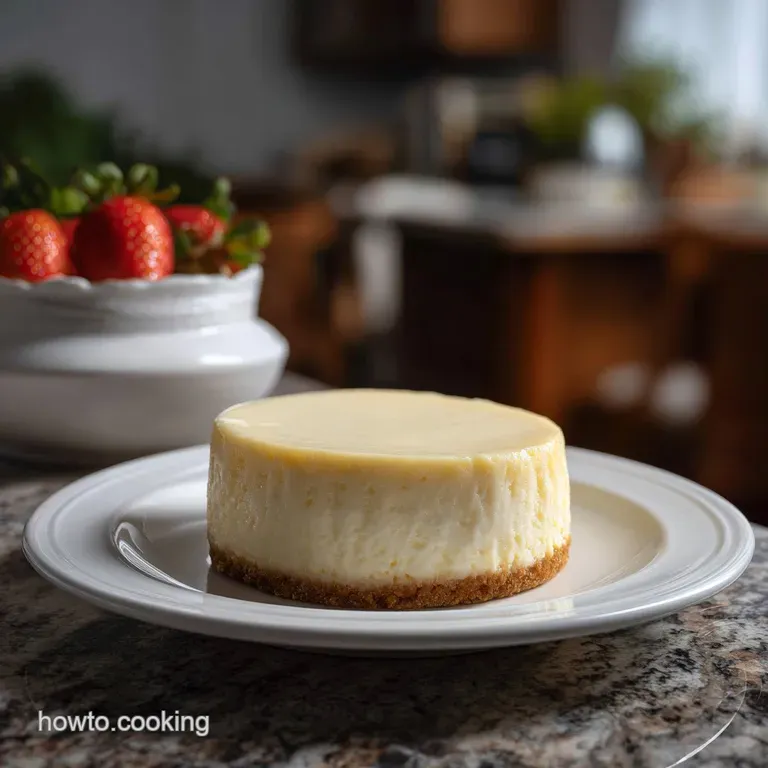
- Effort/Time: Moderate effort; 1 hour 30 mins active/cook time plus overnight chill.
- Flavor Hook: High-fat tang meets a buttery, salt-kissed crunch.
- Perfect for: Make-ahead celebrations and high-stakes dinner parties.
- The Thermodynamic Architecture of the PERFECT CHEESECAKE RECIPE
- Quantitative Benchmarks and Thermal Processing Specs
- The Molecular Toolkit: Sourcing High-Fat Dairy Elements
- Precision Instruments for Structural Integrity and Heat Control
- The Sequential Protocol for a Flawless Dairy Emulsion
- Solving Surface Cracks and Structural Failures
- Architectural Adaptations and Ingredient Substitution Ratios
- Preservation Logistics and Zero Waste Dairy Integration
- The Final Presentation and Sensory Finishing Strategies
- Recipe FAQs
- 📝 Recipe Card
Listen, that gut-wrenching snap sound as you release the springform pan to reveal a massive fissure is a kitchen trauma I know too well. I once served a cheesecake that looked less like a dessert and more like a topographic map of the San Andreas fault.
I ruined four batches before I realized that cheesecake isn't a "cake" at all it's a high stakes custard emulsion that demands scientific respect.
The secret to a PERFECT CHEESECAKE RECIPE isn't in a magic ingredient; it's in the thermodynamics of the bake. We’re aiming for a glossy, matte finish surface and a structural integrity that remains silky without turning into a "hockey puck." This method uses a bain marie and a gradual cooling protocol to ensure the proteins don't seize and contract.
When you take that first bite, you want a texture that feels like velvet on the tongue. We’re going to engineering a moisture rich environment that prevents the eggs from over coagulating. It’s about the sizzle of the butter meeting the crumbs and the nutty aroma of toasted graham crackers.
Let's get into the physics of why this works.
The Thermodynamic Architecture of the PERFECT CHEESECAKE RECIPE
To master the PERFECT CHEESECAKE RECIPE, you have to understand protein denaturation. When you heat eggs and cream cheese, the protein strands uncoil and then bond together. If they bond too tightly (overcooking), they squeeze out moisture, resulting in a grainy texture and those dreaded surface cracks.
Emulsification Through Temperature
A PERFECT CHEESECAKE RECIPE is essentially a fat-in-water emulsion. By using room temperature ingredients, specifically the 900g of Philadelphia Cream Cheese and 240g of full fat sour cream, you allow the fat globules to distribute evenly.
If the ingredients are cold, the fat remains in clumps, leading to a lumpy batter that requires over mixing which introduces air bubbles that expand and burst during baking.
The Water Bath (Bain Marie) Technique
Water evaporates at 212°F (100°C), creating a thermal "ceiling" around your springform pan. This prevents the edges of your PERFECT CHEESECAKE RECIPE from reaching the oven's ambient 325°F, which would cause the outer ring to overbake before the center sets.
The steam also keeps the surface hydrated, allowing the top to remain flexible as the filling expands slightly.
Gradual Residual Cooling
The most critical stage isn't the bake; it's the 1 hour cooling period inside the turned off oven. As the temperature drops, the cheesecake contracts. By cracking the oven door, you slow this contraction, preventing the edges which are stuck to the pan from pulling away so fast that the center tears.
This is the ultimate "insurance policy" for a smooth surface.
Quantitative Benchmarks and Thermal Processing Specs
Precision is the difference between a bakery level result and a floppy mess. Following these specs ensures your PERFECT CHEESECAKE RECIPE has the density and height characteristic of a New York style dessert.
- Yield: 14 servings
- Prep Time:30 minutes
- Cook Time: 1 hour 15 mins
- Total Time: 1 hour 45 mins (plus 6 12 hours chilling)
- Target Internal Temp:150°F (65°C) for a silky set.
| Ingredient | Chemical/Physical Role (Science) | The Pro Secret (Why This Matters) |
|---|---|---|
| 900g Cream Cheese | Provides the structural lipid matrix | Fat content stabilizes the egg protein network. |
| 4 Large Eggs | Acts as the primary emulsifier and binder | Lecithin in yolks creates a smooth, velvety mouthfeel. |
| 10ml Lemon Juice | Acid denatures proteins slightly and cuts fat | Brightens the flavor profile and tightens the crumb. |
| 240g Sour Cream | Lowers the pH and adds moisture | Inhibits excessive protein bonding for a softer texture. |
The Molecular Toolkit: Sourcing High Fat Dairy Elements
For the PERFECT CHEESECAKE RECIPE, brand choice matters because of stabilizer content. If you are making a recipe that requires a heavy dairy base, like this one or even a Homemade Heavy Cream recipe, fat percentages are everything.
- 150g Nabisco Graham Cracker Crumbs: Why this? Consistent particle size ensures a stable, non-crumbly base structure.
- 85g Unsalted Kerrygold Butter, melted: Why this? High butterfat content creates a more water resistant crust barrier.
- 65g Granulated Sugar (for crust): Helps caramelize the base for a "crunch" sound.
- 0.125 tsp Diamond Crystal Kosher Salt: Balances the sugar and enhances the nutty graham aroma.
- 900g Philadelphia Full fat brick cream cheese, softened: Why this? Lower water content than generic brands prevents weeping.
- 200g Granulated Sugar (for filling): Sweetens while providing bulk and hindering gluten/protein toughness.
- 240g Full fat Sour Cream, room temperature: Adds a necessary tang and "shatter" to the richness.
- 5ml Nielsen Massey Pure Vanilla Extract: Deepens the olfactory profile with floral notes.
- 10ml Fresh Lemon Juice: The acid acts as a chemical tenderizer for the dairy proteins.
- 4 Large Eggs, room temperature: Provides the lift and structure similar to a Egg Noodles recipe.
Precision Instruments for Structural Integrity and Heat Control
You cannot wing a PERFECT CHEESECAKE RECIPE with a standard cake pan. You need specific tools to manage the moisture and the "pull" of the cake.
- 9 inch Nordic Ware Springform Pan: Essential for removing the cake without flipping it.
- KitchenAid Stand Mixer (with Paddle Attachment): The paddle incorporates less air than a whisk, preventing bubbles.
- Heavy Duty Aluminum Foil (18 inch wide): To waterproof the pan against the water bath.
- Large Roasting Pan: Must be wide enough to hold the springform pan with 2 inches of clearance.
- Instant Read Thermometer: The only way to guarantee a perfect 150°F center.
The Sequential Protocol for a Flawless Dairy Emulsion
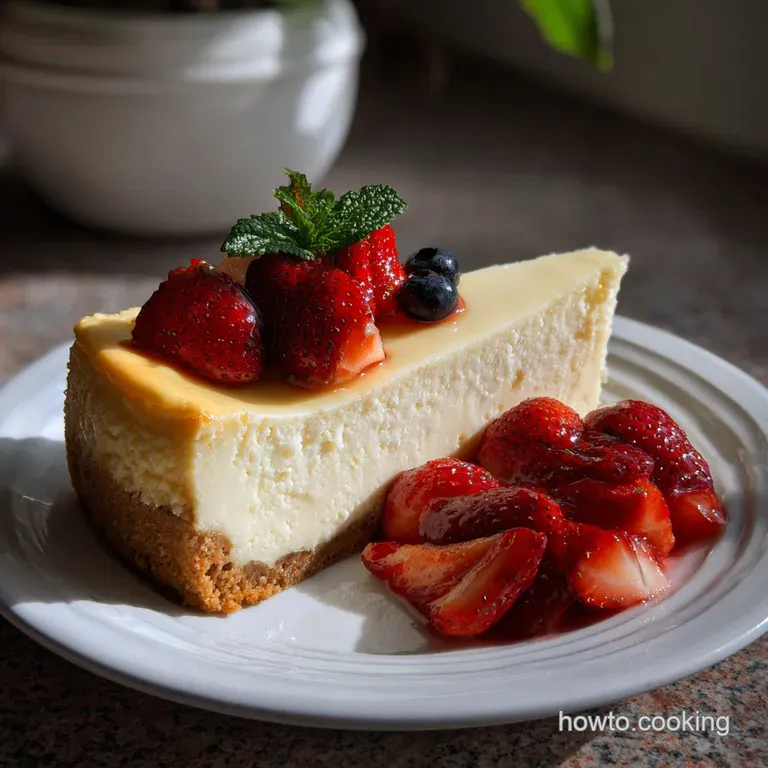
For the Buttery Graham Cracker Crust
- Pulse 150g graham cracker crumbs with 65g sugar and salt. Note: Ensures even distribution of dry ingredients.
- Hydrate crumbs with 85g melted butter until texture resembles wet sand and holds its shape when squeezed.
- Compress mixture into the bottom of a 9 inch springform pan until surface is flat and edges are tightly packed.
- Par-bake at 350°F for 10 minutes until nutty aroma fills the room and edges are golden brown.
- Seal the cooled pan with three layers of heavy duty foil until no seams are visible to prevent water seepage.
For the New York Style Filling
- Cream 900g cream cheese and 200g sugar on low speed for 4 minutes until glossy sheen appears and no lumps remain. Note: Low speed prevents aeration.
- Incorporate 240g sour cream, 5ml vanilla, and 10ml lemon juice until mixture is velvety and completely homogenous.
- Add eggs one at a time, mixing for 30 seconds after each until just combined and yellow streaks disappear. Note: Over mixing here is the #1 cause of cracks.
- Pour batter over the crust and tap the pan on the counter 5 times until air bubbles rise and pop on the surface.
- Bake in a water bath at 325°F for 1 hour 15 mins until edges are set firm but center jiggles slightly like Jell-O.
- Cool in the oven with the door cracked for 1 hour until surface is matte and temperature drops slowly.
Solving Surface Cracks and Structural Failures
A PERFECT CHEESECAKE RECIPE failure is usually a result of "thermal shock" or "over aeration." If you see a crack forming, the proteins have contracted too quickly.
Why Your Cheesecake Sinks in the Middle
This is often caused by incorporating too much air during the egg stage. When that air heats up, it expands, lifting the cake. As it cools, the air escapes, and the unsupported structure collapses. To fix this, always use the paddle attachment and keep the speed on "low."
| Problem | Root Cause | The Fix | Pro Protocol |
|---|---|---|---|
| Deep Surface Cracks | Thermal shock or over beating eggs | Use a water bath and slow cool in oven | Run a thin knife around the edge after 10 mins of cooling to release tension. |
| Soggy Crust | Water bath leak | Use 18 inch wide foil with no seams | Place the foiled pan inside a slightly larger cake pan, then into the water bath. |
| Grainy Texture | Overcooked proteins | Pull from oven at 150°F internal temp | Use an instant read thermometer to avoid the "rubbery" zone above 160°F. |
Architectural Adaptations and Ingredient Substitution Ratios
While the PERFECT CHEESECAKE RECIPE is a classic, you can adjust the components based on dietary needs or flavor profiles. Note that changing fat content will alter the "shatter" of the crumb.
| Original Ingredient | Substitute | Why It Works |
|---|---|---|
| Graham Crumbs (150g) | Chocolate Wafer Crumbs (150g) | Similar starch-to-fat ratio. Note: Richer, more bitter profile. |
| Sour Cream (240g) | Full fat Greek Yogurt (240g) | Similar acidity level. Note: Results in a slightly denser, more protein forward bite. |
| Granulated Sugar (200g) | Brown Sugar (200g) | Higher moisture content. Note: Adds molasses notes and a darker, "toffee" hue. |
gluten-free Adaptation
To make this PERFECT CHEESECAKE RECIPE gluten-free, swap the graham crumbs for a 1:1 gluten-free cracker. Since there is no flour in the filling, the custard remains naturally gluten-free. Ensure your vanilla extract is certified GF.
No Bake Cheesecake Recipe Twist
If you want the flavor without the oven, you must omit the eggs and add 10g of bloomed gelatin to the warmed sour cream. This changes the physics from a protein set custard to a gelatin stabilized mousse, which is lighter but lacks the iconic "New York" density.
Preservation Logistics and Zero Waste Dairy Integration
Storage is where the PERFECT CHEESECAKE RECIPE actually "matures." The flavor compounds in the vanilla and lemon juice need 12–24 hours to fully penetrate the lipid matrix.
- Fridge: Store in the springform pan, tightly wrapped in plastic, for up to 5 days. The texture actually improves on day two.
- Freezing: This recipe freezes beautifully. Wrap individual slices in parchment, then foil. Freeze for up to 3 months. Thaw in the fridge never the microwave to prevent the emulsion from breaking.
- Reheating: Do not reheat. Cheesecake is designed to be served at 40°F–50°F. If it's too cold, the fat masks the flavor; if too warm, it loses structural integrity.
Zero Waste Philosophy
Don't discard the lemon rinds. Transform: Use a microplane to zest them into a small jar of sugar. Science: The essential oils (limonene) infuse the sugar, creating a potent aromatic for future baking. If your sour cream has excess whey (the liquid on top), stir it back in.
Science: That whey contains proteins that contribute to the final set of your PERFECT CHEESECAKE RECIPE.
The Final Presentation and Sensory Finishing Strategies
For a "Masterclass" finish, the way you cut the PERFECT CHEESECAKE RECIPE is just as important as how you bake it. A messy cut ruins the velvety visual appeal.
- The Hot Knife Technique: Dip a long, thin carving knife into boiling water.
- The Clean Wipe: Wipe the blade completely dry before every single cut.
- The Draw: Pull the knife toward you in one smooth motion; do not "saw" the cake.
Bakery Style Toasted Nuts
For an added textural contrast, top your PERFECT CHEESECAKE RECIPE with toasted pecans. Roast them at 350°F for 8 minutes until they smell like maple and look mahogany brown.
The crunch of the nuts against the velvety filling creates a sensory "snap-to-soft" transition that is addictive.
Whether you're making this for a holiday or just a Tuesday, remember: trust the water bath, respect the cooling time, and never ever open that oven door early. You've got the science now. Let's bake the PERFECT CHEESECAKE RECIPE.
Recipe FAQs
Why is my cheesecake cracking after cooling?
Rapid Cooling causes differential contraction, leading to surface tension failure. The rapid drop in temperature creates stress fractures as the interior sets slower than the exterior crust.
- Always allow a slow cool down in the turned off oven
- Ensure internal temperature peaks at 150°F (65°C)
- Avoid over beating the batter to minimize trapped air
Should I use sour cream or heavy cream?
Sour cream provides the essential high fat tang. Heavy cream adds too much liquid, risking a custard texture instead of dense cake. You can achieve a lighter texture using yogurt as seen in our Healthy Cheesecake: The Guilt Free High Protein Baked Classic.
Do I need a water bath (bain marie)?
Yes, a water bath provides superior thermal stability. This gentle, moist heat environment prevents the edges from baking too quickly while the center finishes setting.
Can I make this recipe ahead of time?
Overnight chilling maximizes density and flavor integration. Chilling allows the internal structure to firm completely, preventing collapse when sliced.
Is it better to use room temperature or cold cream cheese?
Room temperature ensures a smooth emulsion. Cold cheese added to hot liquid causes protein clumping. Temperature shock denatures casein proteins, creating grainy texture instead of smooth emulsion.
Myth: Room temperature eggs are crucial for volume.
Myth: Room temperature eggs are crucial for volume. Reality: Volume is achieved via gentle incorporation, not egg temperature; too much air incorporation causes sinking post bake.
Should I use Graham crackers or vanilla wafers for the crust?
Graham crackers offer superior structural integrity and flavor profile. Wafers break down too easily under the high moisture content of the filling, leading to a mushy base; mastering stable fats is key, similar to when you prepare the high fat base for Thumbprint Cookies: The Best Classic Buttery Raspberry Recipe.
Perfect Cheesecake Master Recipe
Ingredients:
Instructions:
Nutrition Facts:
| Calories | 438 kcal |
|---|---|
| Protein | 7.2g |
| Fat | 32.8g |
| Carbs | 30.2g |
| Fiber | 0.4g |
| Sugar | 23.9g |
| Sodium | 342mg |
