Oven Steak: the Great British Reverse Sear
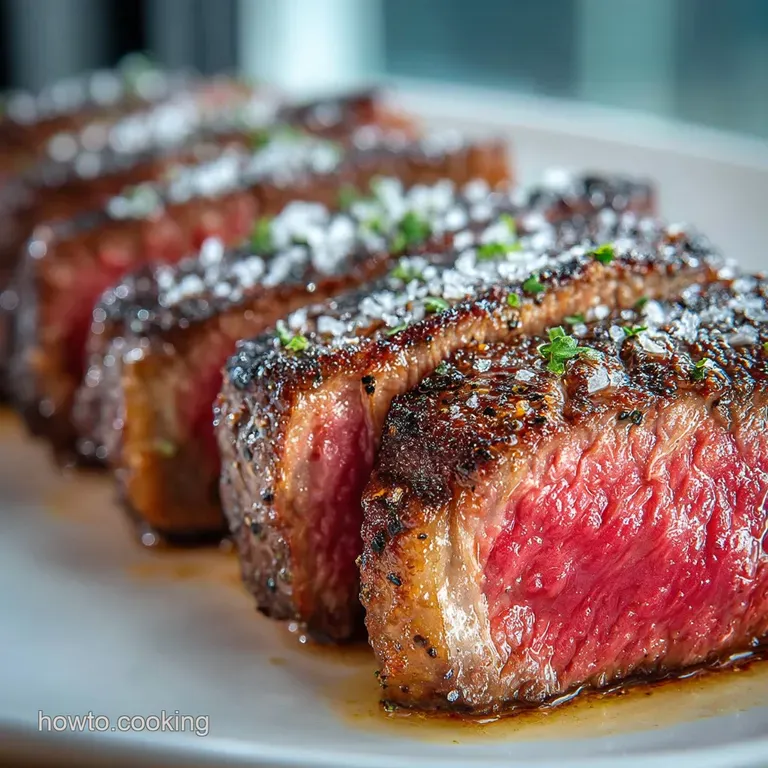
- The Great British Reverse Sear: Achieving Perfect Steak Every Time
- The Science of the Reverse Sear Technique
- Essential Ingredients for Your Reverse Sear Steak
- The Method: How to Cook Oven Steak Using the Reverse Sear
- Troubleshooting and Chef's Notes for Success
- Perfect Pairings and Finishing Touches
- How to Store Leftover Steak and Reheat Safely
- Recipe FAQs
- 📝 Recipe Card
The Great British Reverse Sear: Achieving Perfect Steak Every Time
That smell. That deep, nutty, caramelized aroma that hits you right before the satisfying crack of the crust under your knife. That, my friends, is the smell of a perfect Oven Steak .
The glorious interior, blush pink and juicy from edge-to-edge, shouldn't be a restaurant exclusive; you can do this at home, easily.
I know what you're thinking: isn't steak supposed to be a high stress, smoky, 5 minute affair? Not anymore. This reverse sear method is a total lifesaver, especially when you’re dealing with thick cuts.
It guarantees success, removes the frantic guesswork, and frankly, it delivers a better result than most traditional pan-frying techniques ever could.
We're ditching the old panic and embracing the precision. Trust me when I say this is the only way you’ll ever want to tackle a beautiful, thick cut Ribeye or Sirloin again. Let's crack on and master the art of the ultimate homemade Oven Steak .
The Science of the Reverse Sear Technique
If you’ve ever cut into a seemingly well cooked steak only to find a disappointing band of grey meat circling a small pink center, you know the heartbreak. That grey band happens when the heat penetrates too quickly and aggressively, forcing the muscle fibers to seize up and push all the moisture out.
We are using the reverse sear to totally bypass that culinary tragedy, giving us the best Oven Steak possible.
Why You Should Never Pan-Fry Steak First
Starting high and fast is the classic amateur mistake. While it gives you a quick crust (maybe), that intense heat immediately contracts the outer proteins. By the time the internal temperature reaches medium rare, the outside has been cooking for too long, resulting in that dry, grey exterior layer.
We want precision cooking before we build the crust. That’s the core philosophy of a truly magnificent Oven Steak .
Edge-to-Edge Pinkness Guaranteed
The oven is your friend because it provides stable, low heat. By cooking the steak slowly at 250°F (120°C), you gently raise the internal temperature without aggressively tightening the muscle fibers.
This gentle heating ensures that the steak cooks uniformly, giving you that gorgeous, Instagram worthy, edge-to-edge pink interior that professional chefs rave about.
Debunking Common Steak Myths
You don't need to 'seal in the juices.' That’s nonsense. Juices are primarily contained by the muscle fiber structure, and the key to retention is gentle, controlled heat and, crucially, resting time. Another myth? You have to use cheap oil for the sear. No!
Provided your oil has a high smoke point (like grapeseed or avocado oil), use what you love, but make sure it can handle the intense heat needed for a rapid finish on your Oven Steak .
The Magic of Low and Slow Temperature Ramping
When you start your Oven Steak low, you buy yourself time. Time to remove it perfectly when it's 5 10 degrees below your target temp. This controlled ramp-up allows you to move the moisture around the steak gently, leading to incredible tenderness.
It also means you have far less chance of overshooting medium rare, which is a major victory in any kitchen.
Why Oven Cooking Prevents the Grey Band
The difference between the internal temperature (your target) and the cooking environment (the oven) is small enough (120°F internal vs. 250°F oven) that the transition zone stays incredibly thin. When you cook in a pan alone, the temperature difference is huge (130°F internal vs.
500°F pan), creating a wide, grey, overcooked zone. This is why the reverse sear is the secret weapon for perfect Oven Steak .
Mastering the Maillard Reaction Crust
The Maillard reaction is science, but it sounds like magic. It’s what creates that deeply savoury, nutty, brown crust we all crave. By removing the steak from the oven when it’s still pale, and then drying its surface while you rest it, you ensure the exterior moisture is gone.
When that dry steak hits the smoking hot cast iron skillet, the Maillard reaction occurs almost instantly, giving you maximum crust with minimum internal cooking time.
Essential Ingredients for Your Reverse Sear Steak
The beauty of a great Oven Steak lies in its simplicity. You only need a few high-quality ingredients to make this recipe truly sing. Don't skimp on the salt, and please, get yourself some decent, fresh herbs.
Selecting the Ideal Cut and Thickness
For the reverse sear method to work effectively, you must use a thick cut. I mean 1.5 inches (4 cm) minimum, but 2 inches is ideal. Thin cuts (like flank or skirt) will cook through before the crust can even form.
- My Picks: Bone-in Ribeye (for maximum flavour from the fat) or thick cut Sirloin/New York Strip (for a leaner, but still robust, result).
- Substitution: If you can only find thinner steaks (1 inch), skip the oven! Just stick to the traditional, over high heat pan sear method, which you can find guidance on in my other recipe: Oven Steak: Perfectly Seared with Herb Butter Finish .
Which Fats Work Best for a over High heat Sear?
You need a neutral oil with a very high smoke point for the initial sear, before the butter goes in. Don’t use standard olive oil; it will smoke, burn, and taste bitter.
| Ingredient | Role | Viable Substitute |
|---|---|---|
| Grapeseed or Canola Oil | over High heat sear base | Avocado Oil or Clarified Butter (Ghee) |
| Unsalted Butter | Basting fat (adds flavour) | Salted butter (adjust added salt downward) |
Preparing Aromatic Infusions (Garlic/Thyme/Rosemary)
The infusion step basting with melting butter and herbs is non-negotiable for maximum flavour saturation in your Oven Steak . When you smash the garlic cloves, leave the skin on; this keeps them from burning and bittering the butter while still releasing all their gorgeous scent.
Chef's Note: When you add the aromatics, make sure the butter is already melted and foaming. If you add them to cold oil, they just simmer and turn rubbery. Adding them later means they flash infuse the butter as you baste.
The Method: How to Cook Oven Steak Using the Reverse Sear
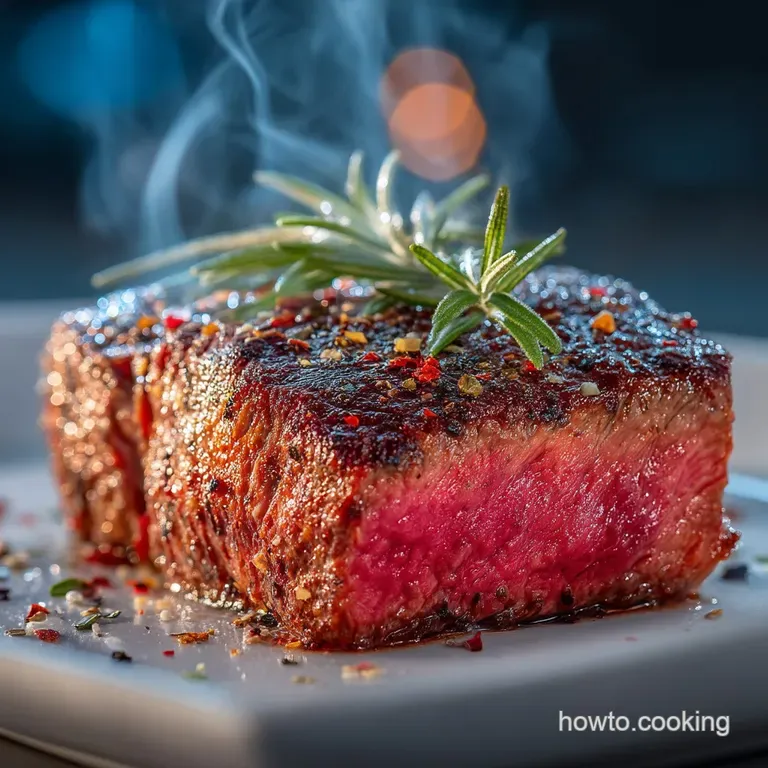
This detailed process ensures your Oven Steak comes out exactly how you dreamed. Pay attention to the temperatures, not the clock!
Stage 1: The Low-Temperature Roast
First, pat your steaks aggressively dry. If you have time, resting them seasoned on a rack in the fridge for an hour or two really helps dry out the surface for a superior crust later. Preheat your oven to a low and steady 250°F (120°C). Place the steaks on a wire rack over a baking sheet and send them in.
This is the relaxing part of making Oven Steak .
Stage 2: Monitoring Internal Temperature for Doneness
This is where the magic happens and where that meat thermometer becomes your best friend. Start checking the temperature after about 20 minutes, especially if your steaks are slightly smaller. Do not wait for visual cues.
For a true medium rare Oven Steak , you want to pull it out when the internal temperature hits 120°F (49°C). Remember, the searing process will add another 10 15 degrees of residual heat.
Stage 3: The Rapid Pan Sear Infusion
Once pulled, let the steaks rest briefly (5- 10 minutes) while you crank up the heat. Get your cast iron skillet smoking hot I mean, dangerously hot. Add a tablespoon of neutral oil. When the oil shimmers, lay the steaks down gently, using tongs. Sear for 60 90 seconds undisturbed.
Flip the steak, then immediately drop in the butter, smashed garlic, thyme, and rosemary. Tilt the pan and spoon that glorious, foaming, nutty butter over the top of the Oven Steak constantly until the crust is deep brown and beautiful.
Resting Time: Why It Is Non-Negotiable
Seriously, I’ve made this mistake so many times in my youth. You pull the perfectly seared Oven Steak off the heat, and you’re starving, so you slice right in. Guess what? All those precious juices rush out onto the board, leaving you with dry meat.
You MUST let the steak rest for 10 full minutes, tented lightly with foil. This allows the muscle fibers to relax and reabsorb the juices, locking in flavour. It's the final, crucial step to a perfect steak dinner.
Troubleshooting and Chef's Notes for Success
Mistakes happen! I once used regular olive oil instead of grapeseed for the sear, and the smoke detector started singing opera ten seconds later. Learn from my past errors to achieve a flawless Oven Steak .
The Critical Mistake of Cooking a Cold Steak
Do not cook a steak straight from the fridge. If your steak is cold, the searing phase won't heat the exterior evenly, and the internal temperature will rise too slowly during the initial roast.
Remove your steaks from the fridge 60- 90 minutes before you plan to put them in the oven. Room temperature steaks guarantee uniform cooking.
Achieving and Maintaining High Pan Heat
If your pan isn't hot enough, the steak will just steam, or worse, the crust will take too long to develop, overcooking the interior past the point of no return. Use a heavy bottomed pan, like cast iron, which holds heat fantastically well. Give it a good five minutes over high heat before adding the oil.
It must be smoking lightly before the steak goes in.
Adjusting Cooking Times for Thicker Cuts
If you score a massive 2.5 inch Porterhouse, your oven time will increase significantly. You might need 45- 60 minutes in the oven before reaching that crucial 120°F (49°C) pull temperature. Do not increase the oven heat!
Low and slow is the key to preventing the grey band, regardless of thickness. The thicker the steak, the more patient you must be for the perfect Oven Steak .
Perfect Pairings and Finishing Touches
A spectacular Oven Steak deserves sides and sauces that can stand up to its rich, concentrated flavour.
Classic Sauces to Complement the Crust
While the herb butter basting gives you a fantastic pan sauce built right in, sometimes you want a little something extra. A classic Peppercorn Sauce is always brilliant, or perhaps a simple, bright Argentinean Chimichurri to cut through the richness.
Whatever you choose, serve it on the side, don't drown that gorgeous crust.
Simple Side Dishes that Won't Steal the Show
You want sides that complement, not complicate. I love serving this Oven Steak with something crunchy and oven-roasted. If you’re looking for a crowd pleaser, I highly recommend checking out my recipe for Crispy Oven Baked Sweet Potato Fries The Ultimate Crunchy Technique . They bake beautifully right alongside the steak (though you might need a higher temp for the last 15 minutes of the fries' cook). Another great option? A simple side salad finished with some fantastic Croutons: How To Make Homemade Crispy Croutons In Oven .
Finishing Seasoning: The Final Salt Flake
After resting and just before serving or slicing, give your Oven Steak a final light sprinkle of flaky sea salt (like Maldon). This provides a sharp textural contrast and boosts the overall flavour of the crust. That slight pop of salt crystal is the perfect final touch.
How to Store Leftover Steak and Reheat Safely
Did you actually manage to have leftovers? Amazing! This glorious Oven Steak can be stored safely, but you must know how to reheat it without turning it into shoe leather.
Store leftover sliced steak in an airtight container in the fridge for up to 3 days. To reheat, the microwave is an absolute cardinal sin. Instead, use a low and slow method again. Preheat your oven to 250°F (120°C). Wrap the slices tightly in foil with a tiny pat of butter (to keep moisture locked in).
Bake for 10- 15 minutes until just warmed through (check the internal temperature you want it around 110°F/43°C).
If you plan to use the leftover Oven Steak for something like steak salad or fajitas, don't reheat it at all! Just slice it thinly and let it come to room temperature before adding it to your dish. That preserves the integrity of the reverse sear crust and interior perfectly.
Truly, this easy Oven Steak method is the secret to elevating your entire weeknight dinner routine.
Recipe FAQs
Why is my steak gray and overcooked despite using the low oven temperature?
This usually happens if you rely solely on cook time instead of measuring internal temperature. Always use an instant read meat thermometer inserted into the thickest part of the steak; pull it 5-10°F before your desired final doneness, as the high heat sear and subsequent rest will complete the cooking process.
I didn't get a good, deep brown crust during the final sear. What went wrong?
The most common culprit is excess moisture left on the steak after the oven stage. Ensure you pat the steak thoroughly dry with paper towels immediately before moving it to the searing pan, as any moisture on the surface creates steam, which inhibits the formation of a proper crust.
Do I need to bring the steak to room temperature before starting the oven cook?
Contrary to traditional methods, extensive resting at room temperature is largely unnecessary for the reverse sear technique. Because the oven cooking is so gentle and slow, the temperature gradient is naturally minimized, allowing you to move the cold steak directly into the low oven.
Which cuts of steak work best for the Reverse Sear method?
Thicker cuts, generally 1.5 to 2 inches thick, are ideal for the reverse sear because they benefit most from the slow, gentle heating environment of the oven. Ribeye, Porterhouse, T-Bone, and thick cut New York Strips are excellent choices for achieving edge-to-edge perfection.
How long must I let the steak rest after searing? Can I skip this step?
Resting is absolutely crucial and should not be skipped; it allows the muscle fibers to relax and redistribute the flavorful juices. For a thick oven steak, rest it uncovered on a cutting board or wire rack for 10 to 15 minutes before slicing against the grain.
Can I use butter or oil for the searing step, or should I use both?
You should use both oil and butter for maximum flavor and searing potential. Start with a high smoke point oil (like canola or grapeseed) to achieve the initial high heat, and then add aromatics (like garlic and herbs) and butter during the last minute of searing to baste the steak for richness.
How should I store leftover steak, and how do I reheat it without making it tough?
Store leftovers tightly wrapped in the refrigerator for up to 3 days. To reheat, slice the steak thinly and warm it gently in a pan with a tablespoon of beef broth or butter over very low heat until just warmed through. Avoid microwaving whole pieces, as this causes significant moisture loss.
Perfect Oven Steak Reverse Sear
Ingredients:
Instructions:
Nutrition Facts:
| Calories | 650 kcal |
|---|---|
| Fat | 40 g |
| Fiber | 0 g |
