Pineapple Mango Salsa: Bright, Easy, No-Cook Summer Recipe
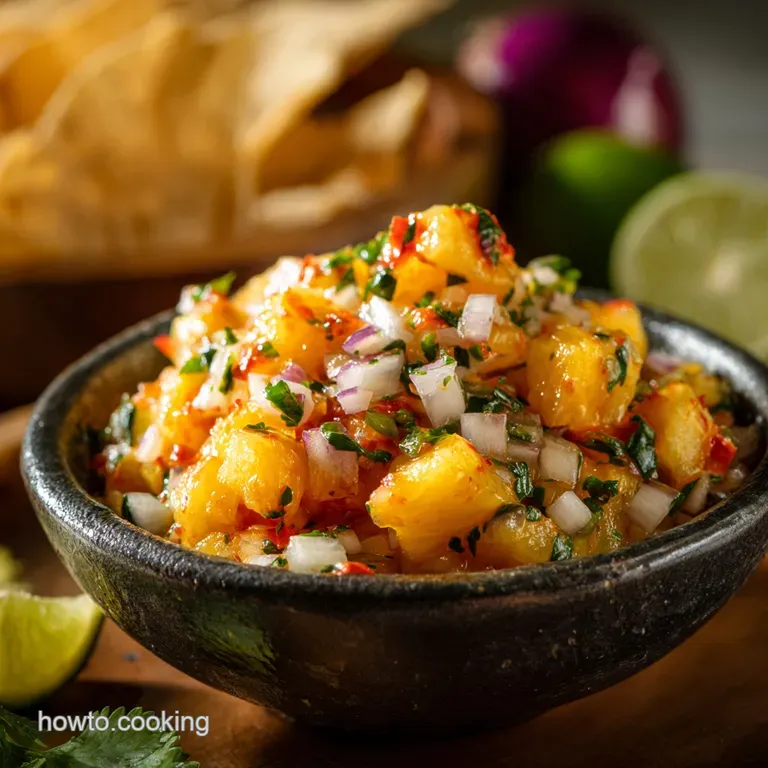
- Capturing Sunshine in a Bowl: The Ultimate Pineapple Mango Salsa
- The Culinary Science of Perfect Pineapple Mango Salsa
- Essential Ingredients for the Brightest Pineapple Mango Salsa
- How to Assemble Your Pineapple Mango Salsa: A Step-by-Step Guide
- Elevating Your Pineapple Mango Salsa: Chef’s Secrets and Troubleshooting
- Practical Guide: Storing, Freezing, and Maximizing Freshness
- Beyond the Chip: Creative Ways to Serve Your Tropical Creation
- Recipe FAQs
- 📝 Recipe Card
Capturing Sunshine in a Bowl: The Ultimate Pineapple Mango Salsa
Look at these colors! We are talking about deep orange, vibrant green, and sunny yellow all singing together in perfect harmony. It smells exactly like the tropical vacation you desperately need, right?
The irresistible crunch of fresh fruit mixed with a slight tang and a gentle heat just screams "summer party starter."
Seriously, this Pineapple Mango Salsa is my favorite secret weapon. Zero cooking is required, which is a miracle on hot days. You can have this entire thing prepped in about fifteen active minutes if your dicing game is strong.
It delivers maximum flavor impact while costing very little, making it the absolute champion for every backyard gathering you host.
Forget those mushy, overly sweet versions you find lurking sadly at the grocery store deli counter. We are making salsa that stands up straight, holds its beautiful shape, and delivers a powerful punch of freshness.
This isn't just a basic recipe; it is the definitive method for getting the texture and flavor balance right every single time.
The Culinary Science of Perfect Pineapple Mango Salsa
Why This Tropical Salsa Deserves the Spotlight
The difference between a "good" salsa and an unforgettable salsa is purely structural. We aren’t aiming for a jam or a chunky sauce. We want clean, distinct pieces of fruit and vegetable that retain their individual snap.
This recipe works because we treat the mango and pineapple with respect, seasoning them minimally and allowing a precise rest period.
The Quick Prep Time Advantage: Maximum Flavor, Minimum Fuss
Cooking should be fun, not complicated. You don't need heat or complicated steps here. The speed of this recipe relies heavily on quality, ripe ingredients; they do all the heavy lifting for you. We just chop, mix, and walk away while the flavors magically meld together.
Seriously, the hardest part is waiting the 30 minutes for it to chill.
Decoding the Flavor Profile: Sweet, Tangy, and Spicy
The flavor profile is all about counterpoint. The rich sweetness of the mango needs the sharp, enzymatic tang of the pineapple to prevent cloying. Then you introduce the pungent bite of the red onion and the vegetal heat of the jalapeño.
It’s a beautifully complex experience that tastes super clean and bright, never heavy.
Balancing Acids and Sugars: The Lime Juice Catalyst
This is the non-negotiable step. Fresh lime juice does three crucial things: it sharpens the fruit’s natural sweetness, it technically "cooks" the raw aromatics like the onion and jalapeño, and it stops the fruit from browning. Use fresh lime only. That stuff in the plastic bottle?
It’s basically flavor death.
Achieving the Ideal Dice: Texture and Mouthfeel
Have you ever had salsa where the pieces are so huge you have to bite them in half to eat them on a chip? Nightmare. Uniformity in dicing is key for the best mouthfeel. When all the pieces mango, pineapple, onion, and chili are roughly the same size, you get an even flavor distribution in every single scoop.
Aim for small, consistent cubes.
The Role of Capsaicin (Chili/Jalapeño) in Fruit Salsas
We include the jalapeño not just for heat, but for balance . Capsaicin, the compound that makes peppers spicy, cuts through the sugar and richness of the fruit. Without that little warm kick, the salsa can taste overly syrupy. You want a whisper of heat, not a five alarm fire.
Essential Ingredients for the Brightest Pineapple Mango Salsa
Selecting Super Ripe Fruit: A Guide to Perfect Pineapple and Mango
Choosing the right fruit is 80% of this recipe's success. Mangoes should smell fragrant near the stem and yield slightly when squeezed, but they should never feel mushy or bruised. For pineapple, look for that deep golden color and a fragrant scent; skip those pale green ones.
If your fruit isn't ripe, the salsa will taste flat. Trust me, I once used a slightly underripe mango and the salsa tasted like textured wallpaper paste.
Chili Heat Level Guide: Jalapeño vs. Habanero
I default to jalapeño because it offers reliable, moderate heat that most people enjoy. If you're feeding a crowd, you can de-seed it entirely. If you really want to wake up your palate, substitute the jalapeño with half a minced serrano pepper or just a tiny sliver of habanero. But be careful!
A small mistake with a habanero can ruin the whole batch.
Smart Substitutions for Cilantro and Red Onion
Sometimes you have a guest who swears cilantro tastes like soap (we call this the soap gene). Don't panic! Fresh parsley works wonderfully, giving you that necessary fresh green color and herbaceous lift. For the onion, if red onion feels too harsh, swap it out for a milder, finely minced shallot.
Shallots have a sweeter, softer flavor that is less aggressive.
Preparation: Why Pre-Chilling Matters
You absolutely need to serve this cold. The refreshing quality is integral to its appeal, especially when serving it alongside hot, grilled foods. Making sure your ingredients are already slightly cool before you start dicing will help the whole process.
| Ingredient | Viable Substitution | Key Change in Flavor |
|---|---|---|
| Mango | Diced firm peaches or nectarines | Peaches are milder, less acidic |
| Pineapple | Firm, diced kiwi or starfruit | More tartness, less fibrous texture |
| Cilantro | Fresh Parsley or Mint | Milder, cleaner herbaceous note |
| Red Onion | Finely minced shallots | Sweeter, less pungent bite |
How to Assemble Your Pineapple Mango Salsa: A step-by-step Guide

The Perfect Dice Technique: Uniformity is Key
Start by prepping your pineapple and mango, cutting the flesh away from the core and seed. Aim for pieces that are about 1 centimeter (or 3/8 inch) cubes no bigger! Slice the jalapeño lengthwise, scrape out all the seeds and pith, and mince it super finely.
Do the same with the red onion; small pieces blend better into the fruit without dominating.
Layering the Flavors: When to Add the Lime and Salt
Once the fruit, onions, jalapeños, and cilantro are in the bowl, hold off on the seasoning for a moment. Add the salt first, stirring well. Salt helps draw out the fruit’s natural moisture and sweetness. Then immediately add the lime juice.
The lime creates a flavorful brine that stops the salt from making the fruit totally mushy. Give it one final, gentle mix.
The Essential Rest Period for Flavor Fusion
Chef’s Note: Do not skip the resting period. Seriously. Place the covered salsa in the refrigerator for a minimum of 30 minutes, or up to 2 hours.
This is the stage where the raw, individual ingredients transform into a cohesive, flavorful salsa. The lime tenderizes the onion, and the fruit juice mixes with the salt and chili. It’s flavor alchemy!
Elevating Your Pineapple Mango Salsa: Chef’s Secrets and Troubleshooting
Preventing a Watery Salsa Disaster
The number one mistake people make is over salting or letting the salsa sit too long. Salt draws moisture out of the fruit this is called weeping. If you rest it for several hours, you will end up with salsa soup. The fix?
Only salt right before you add the lime juice, and use a slotted spoon when serving if excess liquid collects at the bottom.
Adjusting Seasoning After the Rest Period
After your 30 minute rest, give it a taste. The flavors will have deepened significantly. If it tastes dull, add a tiny pinch more salt. If it tastes like it’s missing a spark, add a tiny squeeze of lime.
Sometimes, if the mango wasn't as sweet as I hoped, I add a micro dash of light agave syrup, but only as a last resort.
Quick Fixes for Overly Spicy or Too Sweet Batches
Did you accidentally use too much jalapeño? We've all been there. You can balance overly spicy salsa by quickly dicing and folding in half an avocado. The healthy fat in the avocado mutes the heat immediately. If the salsa tastes too sweet, counteract it with another tablespoon of fresh lime juice and a dash more salt. If you’re feeling extra daring, try adding a pinch of Homemade Tajin Seasoning ChiliLime Mango Bites for a wonderful chili lime zing!
Practical Guide: Storing, Freezing, and Maximizing Freshness
Refrigerator Shelf Life: Best Practices for Fresh Salsa
This salsa is absolutely at its peak within 12 to 24 hours of making it. You can keep it refrigerated in an airtight container for up to 3 days safely. After 48 hours, the fruit will start to lose its crispness and the liquid will really start to separate.
That crunch is critical, so try to use it up quickly!
The Verdict on Freezing Fruit Salsas (And Texture Changes)
But does it freeze well? Look, the answer is technically yes, but functionally no. Freezing breaks down the cell walls of fresh fruit, resulting in a soggy, soft, and slightly sad texture when thawed.
If you absolutely must freeze it, maybe use it later for blending into a marinade, but don’t plan on serving it with chips.
Reviving Day-Old Salsa
If your salsa is a little watery the next day, simply drain off the excess liquid. Then, chop up a new handful of fresh cilantro and a tiny sliver of fresh red onion and fold them in. The addition of fresh, un-wept ingredients instantly brings back the vibrant color and that crucial textural snap you want.
Beyond the Chip: Creative Ways to Serve Your Tropical Creation
This salsa is too good to limit to just tortilla chips, although that is obviously fantastic. This tropical blend is an absolute powerhouse when paired with anything grilled, smoky, or rich.
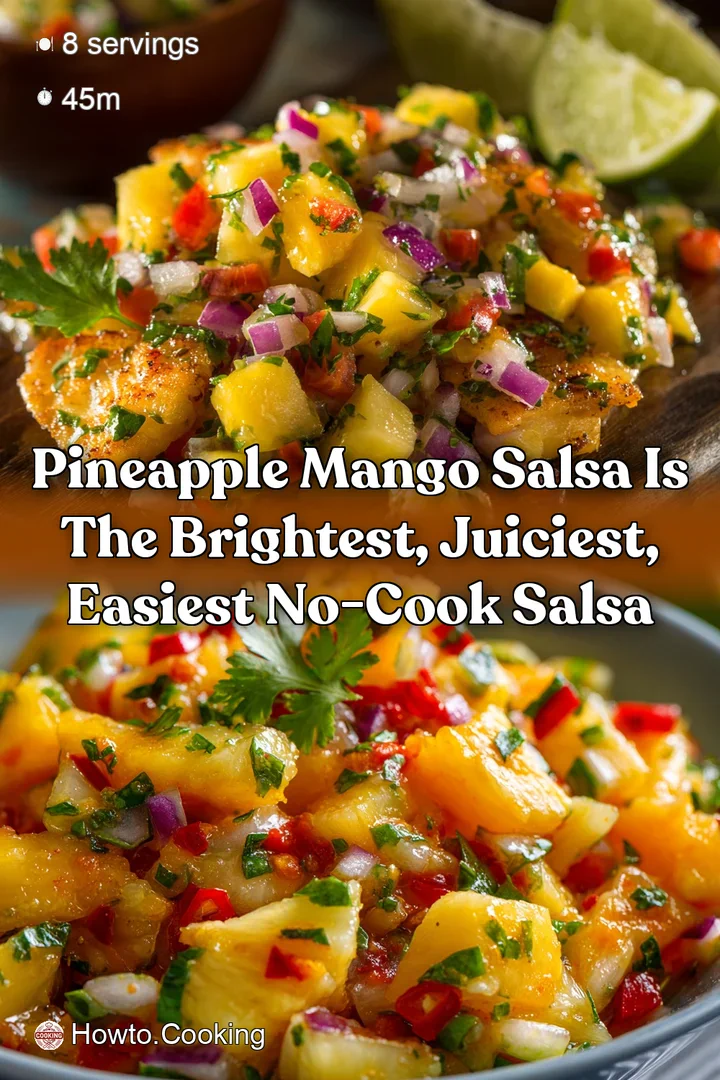
- Seafood Powerhouse: This salsa is non-negotiable when serving grilled salmon or blackened cod. The acidity cuts through the oily richness perfectly.
- Taco Tuesday Upgrade: Use it instead of traditional toppings on fish tacos or simple shredded pork carnitas.
- Chicken Companion: It is a dream served atop marinated, grilled chicken breasts. If you’re feeling ambitious, try serving it with my Sunshine Zest Lemon Ginger Chicken with Pineapple Salsa — they are a match made in heaven!
- Breakfast Boost: Spoon a tablespoon over Greek yogurt or cottage cheese for a surprisingly zingy breakfast.
Recipe FAQs
How long does this salsa keep fresh, and is it suitable for freezing?
Store the salsa in an airtight container in the refrigerator, where it remains optimal for about 2 to 3 days. Freezing is strongly discouraged because the high water content of the fruit will cause the texture to become mushy and the vibrant, crisp structure to be lost upon thawing.
My salsa turned out watery after chilling. How can I prevent this separation?
This "weeping" is common as the salt and acid draw moisture from the fruit. To counteract this, drain any excess liquid that collects at the bottom of the bowl just before serving. Ensure you use only the juice and zest of the lime, avoiding the watery inner pulp.
I love heat! How can I significantly increase the spiciness without compromising the tropical flavor profile?
For a noticeable increase in heat, swap the jalapeño pepper for a more potent serrano chili, ensuring you mince it very finely. Alternatively, keep the jalapeño but scrape only half the seeds out, as the internal ribs and seeds hold most of the concentrated capsaicin.
Can I use frozen mango or pineapple to make this salsa off-season?
While fresh fruit yields the best texture, you can use frozen fruit if it is fully thawed and thoroughly patted dry with a paper towel. Be aware that the texture will be softer and the thawed fruit will release more liquid, requiring significant drainage before mixing and serving.
What is the secret to getting a uniform, perfect dice for optimal texture?
A consistent dice is crucial for texture and balanced flavor, so aim for 1/4 inch pieces across all solid ingredients. If possible, briefly chill the pineapple and mango before dicing, as cold fruit holds its structural integrity much better than fruit at room temperature.
I dislike the harsh flavor of raw red onion. Can I omit it entirely?
The red onion provides essential pungency that balances the intense sweetness of the tropical fruit, so complete omission is not recommended. Instead, soak the diced red onion in a small bowl of cold water for 10 minutes; this process washes away much of the sulfur compound responsible for the harsh, raw bite.
What are the best serving suggestions for this tropical salsa beyond basic chips?
This Bright & Spicy Salsa acts as an excellent complement to rich, grilled foods; try pairing it with blackened fish like mahi mahi or grilled chicken and pork tenderloin. It also serves wonderfully as a fresh topping for shrimp tacos or as a side accompaniment to coconut crusted appetizers.
Pineapple Mango Salsa Recipe
Ingredients:
Instructions:
Nutrition Facts:
| Calories | 95 calories |
|---|---|
| Fat | 0.5 g |
| Fiber | 3 g |
