Cranberry Sauce with Orange Spice: the Proper Make-Ahead Recipe
- Moving Beyond the Can: The Proper Cranberry Sauce Recipe
- The Secret to a Balanced Cranberry Sauce: Acidity, Pectin, and Sweetness
- Essential Components: Ingredients for Mulled Orange Cranberry Sauce
- Flavor Swaps and Spice Variations for Deeper Complexity
- The 15 Minute Method: Step-by-Step Cranberry Sauce Instructions
- Mastering the Perfect Set: Chef's Tips for Homemade Cranberry Sauce
- Making Ahead: Storage and Shelf Life of Cranberry Sauce
- Beyond the Bird: Creative Uses for Leftover Mulled Cranberry Sauce
- Recipe FAQs
- 📝 Recipe Card
Moving Beyond the Can: The Proper Cranberry Sauce Recipe
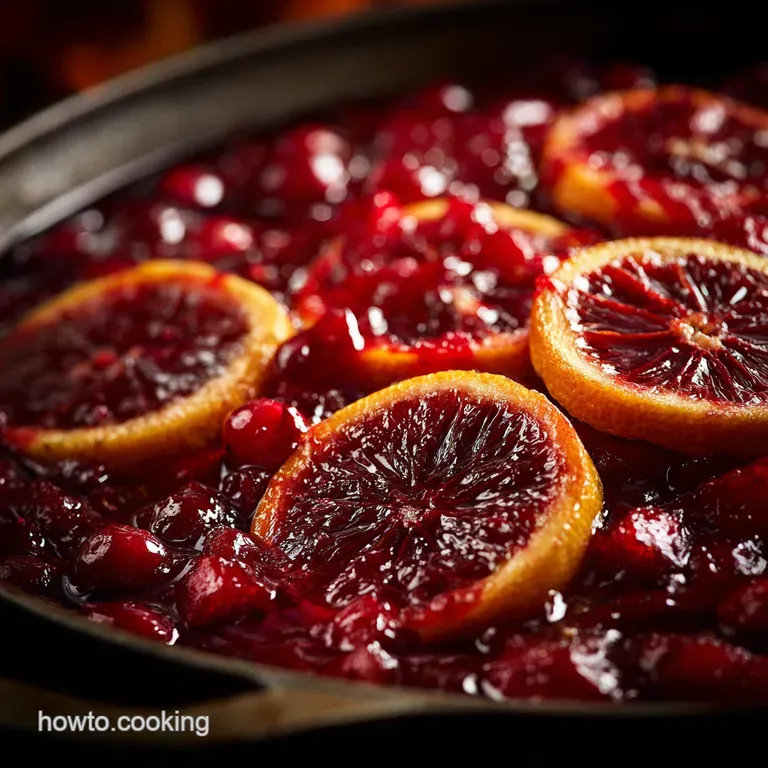
You absolutely must ditch that terrifying, wobbly cylinder they sell in the tins. Homemade cranberry sauce? It smells like heaven, honestly; a heady mix of spiced citrus and tart, bursting berries fills your entire kitchen with the promise of holidays.
This jewel toned, deeply flavourful sauce is the easiest thing you’ll make all week, yet it delivers a massive punch of sophistication to any plate.
I know what you're thinking: isn't making it from scratch a huge hassle? No way, friend, it’s a total lifesaver, especially when you’re dealing with a crowded oven and a timeline that’s totally spiralling out of control.
We're talking 10 minutes of active simmering, maximum, and then it thickens itself up magically while it chills. Seriously, it's cheap, it's fast, and it tastes about a thousand times better than the processed alternative.
This specific recipe leans heavily on the warming power of mulled spices and the vibrant kick of fresh orange zest, which means it plays incredibly well with heavy roasts and rich desserts.
So, let’s grab a saucepan and crack on; I’m going to show you exactly how to get that perfect balance of sweet, tart, and thick every single time.
The Secret to a Balanced Cranberry Sauce: Acidity, Pectin, and Sweetness
The difference between a great Homemade Cranberry Sauce Recipe and a watery, overly sweet failure comes down to simple kitchen chemistry. Cranberries are little pectin powerhouses, which is the natural gelling agent that makes jams and jellies set up.
Our job isn't to add thickeners, but simply to help those berries pop and release their inner goodness.
Why Mulled Orange & Spice is Superior to Plain Sauce
Plain cranberry sauce is fine, I guess, but it’s kind of one-note, right? Adding orange zest introduces bright acidity and essential oils that cut through the heaviness of the sugar. By infusing it with cinnamon, clove, and star anise (our "mulled" component), we turn a simple side dish into a complex, aromatic condiment. If you want to go full flavor mode, you absolutely need to check out my deeper dive on the spiced version: Christmas Cranberry Sauce: The Ultimate Mulled Spiced Recipe .
Defining the Ideal Cranberry Sauce Texture
We are aiming for a luxurious, spoonable texture, like a chunky jam, not a stiff gelatinous blob. The ideal texture holds its shape slightly on a spoon but is still soft enough to melt into warm turkey or blend beautifully with cream cheese.
It should definitely have some whole or half berries remaining, giving it visual appeal and textural interest.
Prep Time and Difficulty Overview for Quick Success
Honestly, the only "prep" here is zesting an orange and measuring out the sugar. It’s so easy, a true beginner can nail this on the first try. You’ll be in and out of the kitchen in less than 20 minutes, which is exactly why this is considered the ultimate make-ahead Cranberry Sauce.
How Pectin Creates the Perfect Set
Cranberry cells are held together by pectin, which needs two things to release and activate: heat and acid. When the sugar solution boils and you add the berries, the heat breaks down the cell walls.
The acid (from the cranberries themselves and the orange juice/zest) triggers the pectin, creating a network that traps water and sugar. This is why the sauce must cool completely; the pectin network only stiffens when the temperature drops.
Balancing the Tartness: Sugar Ratios Explained
Traditional recipes often call for a 1:1 ratio of sugar to cranberries, but that often yields a cloyingly sweet sauce that drowns out the natural tartness. We are scaling the sugar back slightly here, focusing instead on brown sugar for depth, rather than sheer sweetness.
Remember, a Cranberry Sauce with Orange needs to be tart enough to contrast with the richness of a holiday meal.
The Magic of Zesting: Extracting Essential Orange Oils
Don't skip the zest! The oils in the orange peel contain most of the flavour, not the juice. I made the mistake once of just using juice, and the result was flat. Make sure you only take the bright orange outer layer, avoiding the bitter white pith underneath.
Zest first, then juice the orange if you want to use the juice as your simmering liquid.
Essential Components: Ingredients for Mulled Orange Cranberry Sauce
This is a four ingredient wonder, plus some optional spices to really make it sing. Stick to good quality ingredients; they make a difference here since there's nowhere to hide flaws.
| Ingredient | Role | Substitution (Viable Swap) |
|---|---|---|
| Cranberries (Fresh/Frozen) | Structure and tartness | Frozen berries work perfectly; do NOT thaw them first! |
| Light Brown Sugar | Sweetness, depth, colour | Granulated white sugar (for a cleaner taste) or maple syrup (for liquid swap). |
| Orange Zest/Juice | Acidity and aromatic lift | Lemon zest/juice (for pure tartness) or apple cider (less acid). |
| Cinnamon Stick | Mulled spice note | ¼ tsp ground cinnamon or 1 tsp vanilla extract. |
Flavor Swaps and Spice Variations for Deeper Complexity
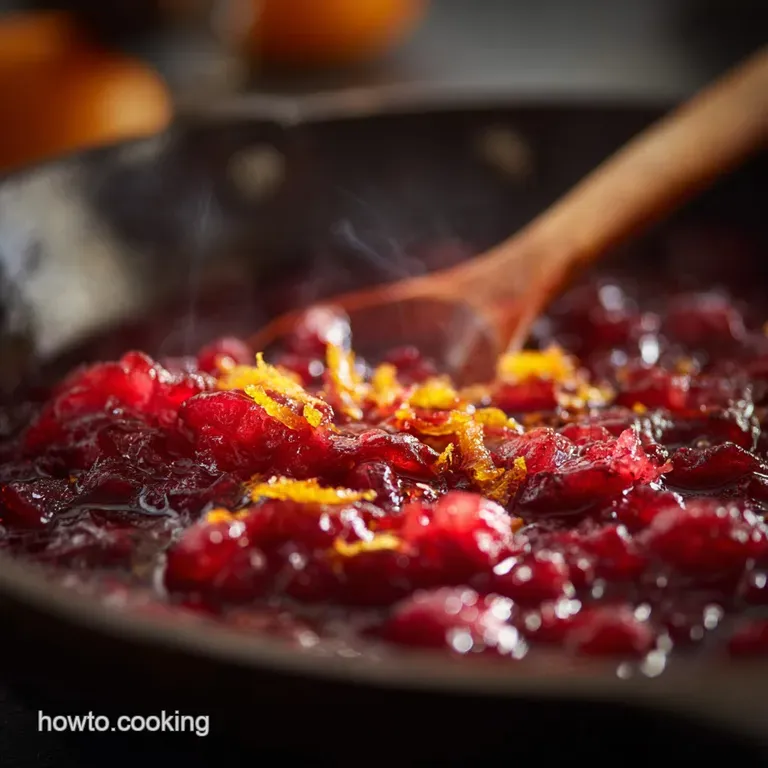
You can truly customize this Easy Cranberry Sauce Recipe to match whatever else you are serving. It's so flexible!
Selecting the Best Fresh or Frozen Cranberries
Whether you choose Fresh Cranberry Sauce Recipes or use frozen berries really makes no difference in the final product. Just be sure that if you are using frozen, you throw them straight into the boiling syrup; do not let them thaw first. Thawing releases too much moisture and makes your starting liquid dilute.
The Role of Light Brown Sugar vs. Granulated
Using light brown sugar, rather than pure granulated white sugar, adds a crucial hint of molasses. This caramel depth prevents the sauce from tasting harsh and helps marry the fruitiness with the warming spices.
If you prefer a brighter, more straightforward Cranberry Sauce with Orange, feel free to use granulated sugar instead.
A Note on Mulled Spices (Cinnamon, Clove, and Star Anise)
I love using whole spices here because they are so easy to remove at the end, leaving behind beautiful, clean flavour without the grainy texture of ground spices. If you want a more complex spice profile, add two whole cloves or one star anise along with the cinnamon stick.
Just make sure you count them going in and count them coming out!
Water, Wine, or Juice: Liquid Options for Simmering
Water is perfectly fine, as the flavour comes from the cranberries and zest. However, substituting the water with fresh orange juice (for a zingier sauce) or even a dry red wine (for an intensely rich, savory sauce) adds glorious complexity. I recommend using orange juice if this is your first time making it. For a classic, slightly less spicy version, check out this one: Cranberry Sauce Recipe with Orange Homemade Classic Sauce .
Substituting Alcohol for Depth (e.g., Port or Cointreau)
If you're making this for adults and want a bit of complexity, replace ¼ cup of the water with Port, Grand Marnier, or Cointreau. Add the alcohol at the very end of the cooking process, just before you take the pan off the heat.
Adjusting the Spices for a Milder Flavor Profile
If you find warming spices overwhelming, you can skip the cinnamon entirely. Instead, use a teaspoon of vanilla extract, added once the sauce is removed from the heat, for a lovely, subtle aroma.
The 15 Minute Method: step-by-step Cranberry Sauce Instructions
This process is incredibly quick, so measure everything out before you start. This is called mise en place , and it keeps chaos away!
The Initial Simmer: Dissolving the Sugar and Spices
First, combine the water (or juice), brown sugar, salt, and cinnamon stick in your saucepan. Bring this mixture to a rolling boil over medium high heat, stirring until you can no longer see any sugar granules swirling at the bottom. This ensures a beautifully clear, syrupy base.
Waiting for the Pop: The Cranberry Rupture Point
Pour in your cranberries and watch the temperature drop instantly. Bring the mixture back up to a steady, gentle simmer. After about 5– 8 minutes, you will start to hear little popping sounds that's the pectin doing its job!
Once about two-thirds of the berries have burst open and the sauce looks slightly syrupy but still very liquid, pull the pan off the heat immediately.
Finishing the Sauce: Adjusting Consistency and Cooling
Remove the cinnamon stick and allow the sauce to rest on the counter for 15 minutes before transferring it to the refrigerator. Trust me, it looks runny right now.
Chef's Note: Do not keep cooking until the sauce looks thick! If you cook it down until it's thick while hot, it will be impossibly firm and gummy once chilled. Stop when it's still runny and let the cold do the work.
Mastering the Perfect Set: Chef's Tips for Homemade Cranberry Sauce
Troubleshooting: When Your Sauce Won't Thicken
If, after a full night in the fridge, your sauce is still too watery, it likely means you didn't cook the berries long enough for the pectin to fully release. Don't panic! Simply pour the sauce back into the saucepan and simmer it again for 3– 5 minutes.
This gentle reheating will finish the job, but be careful not to scorch the sugar.
Preventing a Gummy or Overly Jammy Texture
If your sauce is too stiff or gummy, you cooked it too long, evaporating too much liquid. The easy fix is to stir in 1 to 2 tablespoons of hot water or orange juice until it reaches your desired consistency. You can do this right before serving, even if the sauce is cold.
How to Make Your Sauce More or Less Sweet
Always taste before chilling! If the final product is too sweet, whisk in a splash of fresh lemon juice the acid balances the sugar beautifully. If it’s too tart, stir in a spoonful of honey or maple syrup; liquid sweeteners incorporate easily into the hot mixture.
Making Ahead: Storage and Shelf Life of Cranberry Sauce
This is one of the greatest aspects of making Cranberry Sauce from scratch: it gets better with age. Allowing the spices to fully steep for a day or two totally transforms the flavour profile.
Refrigeration Guidelines for Optimal Freshness
Once completely cooled, store your sauce in an airtight container in the refrigerator. Because of its high sugar and acid content, Homemade Cranberry Sauce keeps beautifully for up to 7 10 days .
This makes it the ideal Thanksgiving Cranberry Sauce because you can knock it out the weekend before the big day.
The Complete Guide to Freezing Cranberry Sauce
Yes, you can absolutely freeze this sauce! Pour the completely cooled sauce into a freezer safe, airtight container, leaving about half an inch of headspace (liquid expands when frozen). It freezes well for up to 3 months . Thaw it overnight in the refrigerator before serving.
Safely Reheating and Serving Instructions
Cranberry sauce is usually served cold or at room temperature, but if you want to serve it warm, reheat it gently on the stovetop over low heat. If it thickens too much during reheating, add a tablespoon of water or juice to loosen it up.
Beyond the Bird: Creative Uses for Leftover Mulled Cranberry Sauce
Don't let those last spoonfuls go to waste! Mulled cranberry sauce is a versatile ingredient that shines in sweet and savoury dishes long after the holidays are over.
Pairing with Cheese Boards and Charcuterie
The tartness and spice are perfect foils for rich cheeses. Serve a small bowl alongside baked Brie, smoked Gouda, or a creamy goat cheese log. The acid cleanses the palate wonderfully between bites.
Using Cranberry Sauce in Baking and Desserts (Muffins and Tarts)
Substitute jam or preserves with your leftover sauce. It’s fantastic swirled into muffin batter, used as a filling for hand pies, or spooned onto small sweet appetizers. For a fantastic use of leftovers, try adapting this technique using the sauce: Cranberry Cream Cheese Crescent Bites: Flaky, Quick Dessert Bites .
Savory Pairings: Roast Pork and Game Meats
While tradition dictates turkey, this slightly spiced sauce is actually incredible with roast pork loin, duck breast, or venison. The spices and deep fruit flavour stand up perfectly to those richer, darker meats.

Recipe FAQs
Can I use frozen cranberries instead of fresh ones?
Yes, frozen cranberries work perfectly and require no thawing before use. Simply add them directly to the simmering liquid as per the recipe instructions. You may need to increase the initial cooking time by 2-3 minutes to ensure the liquid returns to a strong simmer and the berries fully pop.
My sauce is too runny. How do I thicken it?
Cranberry sauce thickens considerably as it cools, due to the natural pectin released by the berries. If, after cooling completely, the sauce is still too loose, return it to the saucepan and simmer gently, uncovered, for an extra 5 10 minutes to reduce the liquid content.
Avoid adding flour or cornstarch, as this will muddy the sauce's texture and flavor.
How long will this Cranberry Sauce keep, and can I freeze it?
Properly cooled and stored in an airtight container, this cranberry sauce will keep fresh in the refrigerator for up to 10 days. For longer preservation, the sauce freezes exceptionally well; transfer it to a freezer safe container, leaving about an inch of headspace, and freeze for up to two months.
The recipe calls for ‘popping’ the cranberries. What if they don't pop?
The "popping" sound indicates that the cell walls of the berries are bursting, releasing the internal pectin necessary for the sauce to gel and thicken. If they aren’t popping, ensure your mixture is at a rapid, rolling simmer rather than just a gentle heat.
If the mixture is too cold, the pectin will not activate properly.
My sauce tastes too tart or bitter. How should I balance the flavor?
Cranberry sauce is naturally tart, which provides a necessary contrast to rich holiday meals. If it’s overly sharp, stir in an additional tablespoon of brown sugar or maple syrup at a time until balanced. Always taste the sauce once it has fully cooled, as heat suppresses the perception of sweetness.
Can I make this sauce without the 'Mulled Spice' elements?
Certainly. If you prefer a simpler profile, you can omit the cinnamon stick, cloves, and other warming spices entirely. The sauce will still be delicious and bright, focusing primarily on the cranberry and vibrant orange flavors. This yields a more traditional, straightforward holiday sauce.
Is it safe to double or triple the recipe batch?
Yes, cranberry sauce is an excellent recipe for scaling up, especially for large gatherings. When increasing the batch size, ensure you use a much larger, heavy bottomed pot to accommodate the volume without overflowing.
You may also need to extend the simmering time slightly to ensure the berries thoroughly pop and the sauce reaches the proper consistency.
Proper Cranberry Sauce With Orange Spice
Ingredients:
Instructions:
Nutrition Facts:
| Calories | 264 kcal |
|---|---|
| Protein | 1.1 g |
| Fat | 0.2 g |
| Carbs | 66.8 g |
