Queso Dip: Restaurant Style
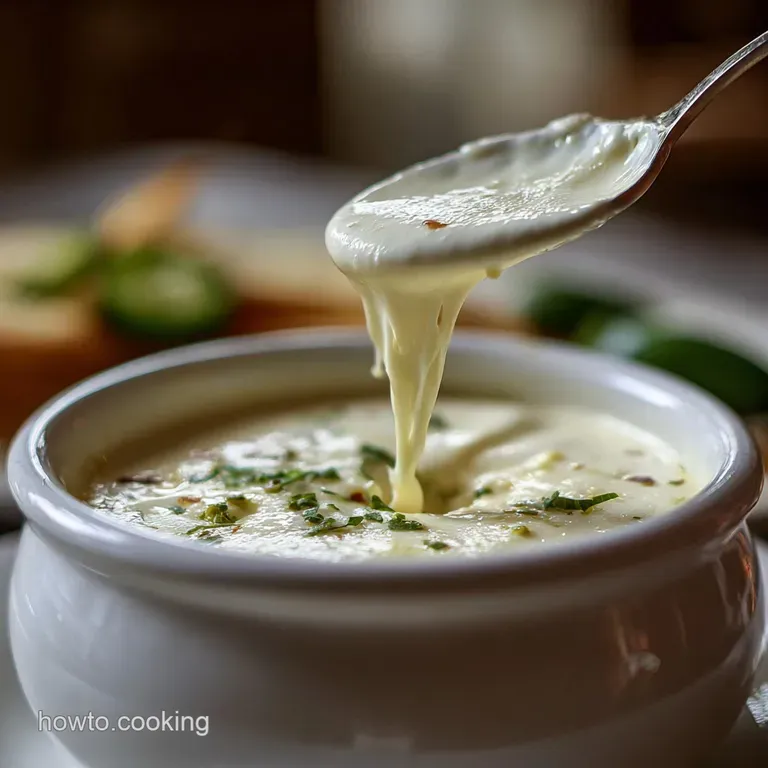
- Time: Active 10 minutes, Passive 15 minutes, Total 25 minutes
- Flavor/Texture Hook: Silky, savory, and velvety
- Perfect for: Game day, family gatherings, or meal prep
- Mastering This Velvety Smooth Queso Dip
- Science Behind a Stable Sauce
- Essential Component Analysis
- Ingredient Analysis and Swaps
- Step by Step Instructions
- Fixing Common Texture Issues
- Adjusting the Serving Size
- Debunking Kitchen Misconceptions
- Storage and Resourceful Leftovers
- Queso Dip FAQs
- 📝 Recipe Card
Mastering This Velvety Smooth Queso Dip
The sizzle of finely minced white onion hitting a warm pool of avocado oil is a sound that signals something special is happening in my kitchen. I used to think that a great cheese dip required the most expensive, aged cheddars I could find at the local deli.
I spent a fortune on blocks of fancy cheese, only to end up with a grainy, oily mess that separated before it even hit the table. It was frustrating, and honestly, a waste of good ingredients.
I realized that the secret to a professional grade dip wasn't about the price tag, but the chemistry of the melt. Through a bit of trial and error, I discovered that mixing the right humble staples creates a dip that actually holds its shape.
Now, when I bring this out, the aroma of cumin and smoked paprika fills the room, and the first "shatter" of a crisp tortilla chip into the silky surface is pure satisfaction. We are making something that stays smooth until the very last bite.
This recipe is designed to give you confidence in the kitchen. We are focusing on high impact, budget conscious ingredients like evaporated milk and American cheese to ensure a stable result every single time. You will get that restaurant quality finish without needing a culinary degree or a massive grocery budget.
Let's look at why this specific combination works so well for your family table.
Science Behind a Stable Sauce
Emulsification Stability: American cheese contains sodium citrate, which acts as a bridge between fats and water, preventing the sauce from breaking or becoming oily.
Protein Concentration: Evaporated milk has 60% of its water removed, providing a dense protein network that keeps the dip thick and prevents "skin" from forming too quickly.
Lipid Integration: The small amount of cream cheese introduces lactic acid and extra fat solids, which help bind the sharp cheddar proteins so they don't clump when heated.
| Method | Time | Texture | Best For |
|---|---|---|---|
| Stovetop | 15 minutes | Ultra smooth | Immediate serving and dipping |
| Oven | 25 minutes | Toasted edges | Large party batches with crust |
| Slow Cooker | 2 hours | Consistently warm | All day snacking during games |
Choosing the stovetop method allows for better control over the temperature, ensuring the cheese melts slowly and stays integrated. While the oven provides a lovely browned top, the stovetop keeps the texture more consistent for a classic dip experience. If you find yourself needing a heartier version for a larger crowd, you might want to look at a Cowboy Queso recipe which adds protein and extra bulk.
Essential Component Analysis
| Ingredient | Science Role | Pro Secret |
|---|---|---|
| Evaporated Milk | Liquid Base | Use full fat versions for the best protein to water ratio to ensure a silky finish. |
| White American Cheese | Primary Emulsifier | Avoid the pre sliced "singles" with wrappers; buy a block at the deli counter for better melt. |
| Sharp White Cheddar | Flavor Foundation | Grate this yourself from a block to avoid anti caking starches that cause graininess. |
Ingredient Analysis and Swaps
The beauty of this recipe lies in its simplicity. By using these specific items, you're building a foundation that is both nutritious and incredibly flavorful. If you need to make a change based on what you have in the pantry, these swaps will keep the integrity of the dish intact while being mindful of your resources.
- 1 tbsp Neutral Oil (Avocado or Grapeseed): Use any oil with a high smoke point. Why this? Allows aromatics to soften without burning.
- Substitute: Light olive oil or even a tiny knob of butter works.
- 1/4 cup White Onion, finely minced: Provides a savory, aromatic base. Why this? Mincing ensures the flavor disperses without large chunks.
- Substitute: Yellow onion or shallots for a milder, sweeter note.
- 1 clove Garlic, microplaned: Adds a punch of flavor. Why this? Microplaning turns it into a paste for instant integration.
- Substitute: 1/4 teaspoon garlic powder if you are out of fresh cloves.
- 1 Jalapeño, de seeded and finely diced: Adds a bright, vegetal heat. Why this? Removing seeds controls the spice level for children.
- Substitute: A small can of mild green chiles if you prefer zero heat.
- 12 oz Evaporated Milk: The key to the creamy texture. Why this? Much more stable than regular milk or heavy cream.
- Substitute: Heavy cream (1 cup) mixed with 1/2 cup whole milk.
- 4 oz Diced Green Chiles (canned, undrained): Adds acidity and texture. Why this? The liquid in the can adds a tangy depth.
- Substitute: Diced pimentos or extra fresh jalapeños for more kick.
- 1/2 tsp Ground Cumin & Smoked Paprika: The classic flavor profile. Why this? Cumin adds earthiness, while paprika adds a subtle smokiness.
- Substitute: Chili powder, though it will change the color slightly.
- 1 lb White American Cheese: The heavy lifter for melting. Why this? Essential for that classic "cheese sauce" consistency.
- Substitute: Fontina or Havarti, though you may need a pinch of cornstarch.
- 4 oz Sharp White Cheddar: For that signature bite. Why this? Aged cheddar provides the deep flavor American cheese lacks.
- Substitute: Monterey Jack for a milder, stretchier finish.
- 2 oz Cream Cheese: Adds body and tang. Why this? Acts as a secondary stabilizer for the cheddar.
- Substitute: Mascarpone or even a spoonful of Greek yogurt for tang.
step-by-step Instructions
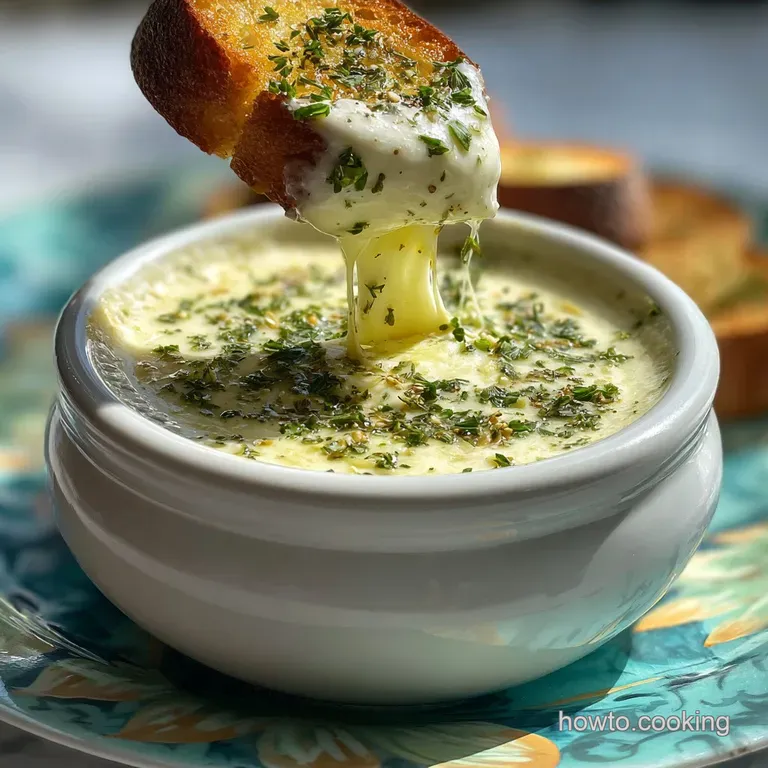
- Sauté the aromatics. Heat the 1 tbsp neutral oil in a medium saucepan over medium low heat. Add the 1/4 cup white onion and diced jalapeño, cooking for 3 to 4 minutes until the onions are translucent and fragrant.
- Add the garlic. Stir in the microplaned garlic and cook for just 30 seconds. Note: Garlic burns quickly, so keep it moving to prevent bitterness.
- Pour the liquid base. Whisk in the 12 oz evaporated milk and the 4 oz canned green chiles with their liquid.
- Season the base. Stir in the 1/2 tsp cumin and 1/2 tsp smoked paprika. Bring the mixture to a very gentle simmer.
- Incorporate the stabilizers. Add the 2 oz of cubed cream cheese. Whisk constantly until the cream cheese has completely melted into the milk.
- Slowly add American cheese. Lower the heat to the lowest setting. Add the 1 lb of White American cheese in small batches, whisking after each addition.
- Final melt. Once the American cheese is smooth, fold in the 4 oz of freshly grated sharp white cheddar.
- Whisk until velvety. Continue to stir gently for 2 minutes until the sauce is glossy and coats the back of a spoon.
- Adjust the consistency. If the dip is too thick, whisk in a tablespoon of warm water or milk.
- Serve immediately. Pour into a warm bowl and serve with chips or vegetables.
Fixing Common Texture Issues
Why Your Queso Dip is Grainy
Graininess usually happens when the cheese is heated too quickly or if you use pre shredded bagged cheese. The cellulose coating on bagged cheese prevents it from merging with the liquid, creating a "sandy" mouthfeel. To fix this, always grate your own cheddar and keep the heat low.
If it's already grainy, adding a splash of lemon juice or a pinch of cream of tartar can sometimes help realign the proteins.
Preventing a Skin from Forming
As the dip sits, the proteins on the surface dehydrate when they hit the air. This creates a chewy "skin" that isn't very pleasant. To prevent this, keep the dip in a small slow cooker on the "warm" setting or cover the surface with a piece of parchment paper when not serving.
You can also stir in a little extra evaporated milk right before serving to keep it fluid.
| Problem | Cause | Fix |
|---|---|---|
| Oily Separation | Heat was too high | Whisk in 1 tbsp of cold milk off the heat |
| Too Thick | Over evaporation | Add warm water 1 tbsp at a time |
| Stringy Cheese | Cheddar wasn't grated fine | Keep whisking over very low heat |
Common Mistakes Checklist
- ✓ Never boil the sauce after the cheese has been added (this causes curdling).
- ✓ Grate the cheddar yourself rather than using pre shredded packs.
- ✓ Use a heavy bottomed saucepan to ensure even heat distribution.
- ✓ Ensure the cream cheese is softened before adding to prevent lumps.
- ✓ Don't skip the American cheese; it provides the necessary salts for melting.
Adjusting the Serving Size
When you are cooking for a smaller household, you can easily cut this recipe in half. Use 6 oz of evaporated milk and 8 oz of American cheese. Since the volume is lower, use a smaller pot to prevent the liquid from evaporating too fast.
You will want to reduce the initial sauté time for the onions slightly so they don't brown too much in the larger surface area of a standard pan.
If you are scaling up for a large party, you can double the ingredients easily. However, I suggest only increasing the spices like cumin and paprika to 1.5 times the original amount first, then tasting. Spices can become overwhelming when doubled directly. When making a massive batch, using a slow cooker to melt the cheese after the initial stovetop sauté is a great way to manage the heat without scorching the bottom of a giant pot. For a different flavor profile when scaling, you might enjoy My Grandma's Recipe which uses a more traditional approach.
If You Want...
- Extra Spice: Leave the seeds in the jalapeño or add a dash of cayenne.
- More Texture: Stir in some browned chorizo or ground beef at the end.
- A Brighter Finish: Add a squeeze of fresh lime juice and chopped cilantro right before serving.
Debunking Kitchen Misconceptions
One major myth is that American cheese is "fake" or "plastic." In reality, it is simply cheese blended with emulsifying salts to improve its melting properties. Using it in a dip isn't "cheating"; it is smart science that ensures your wholesome sharp cheddar doesn't break. For another perspective on creamy textures, our Caprese Dip recipe shows how different cheeses like mozzarella behave.
Another misconception is that you need heavy cream for a rich dip. Heavy cream actually contains more fat than protein, which can lead to a greasier finish. Evaporated milk is the superior choice because it has a higher concentration of milk solids and proteins, which create a more stable structure.
This is a great way to keep your cooking both nutritious and effective.
Storage and Resourceful Leftovers
You can store any leftover dip in an airtight container in the fridge for up to 4 days. When you want to eat it again, don't just microwave it on high. The intense heat will cause the fats to separate.
Instead, place it in a small pot with a splash of milk and heat it over low, stirring constantly until it returns to its velvety state. I don't recommend freezing this dip, as the emulsion often breaks during the thawing process, resulting in a watery mess.
To avoid waste, think of this dip as a versatile sauce base for other family meals. It makes a fantastic topping for baked potatoes or steamed broccoli the next night. You can also stir a few spoonfuls into a pot of macaroni for an instant upgrade. If you have just a little bit left, use it as a spread for a gourmet grilled cheese sandwich. It adds a wonderful depth that regular sliced cheese just can't match. For those looking for a lighter snacking option with leftovers, you might consider how a Healthy Fruit recipe can balance out a savory spread.

Queso Dip FAQs
What is queso dip made of?
It's typically a creamy cheese sauce. The base often includes milk (like evaporated milk), and a blend of cheeses, primarily processed cheese like American for meltability, and sometimes sharper cheeses like cheddar for flavor. Aromatics like onions, garlic, and chilies are also common.
What is the best cheese to melt for queso?
White American cheese is ideal for meltability. Its high emulsifying salt content ensures a smooth, stable sauce that won't separate. For added flavor, sharp white cheddar or Monterey Jack can be blended in, but American cheese is key for that classic, silky texture you see in restaurant style queso.
What is the secret ingredient to good cheese dip?
It's less about a single secret ingredient and more about the right blend and technique. The magic lies in using processed cheese like White American for its superior emulsifying properties, preventing separation, and often employing evaporated milk for its protein concentration, which contributes to a
stable, velvety texture.
What is traditional Spanish cheese queso?
Queso is simply the Spanish word for cheese; there isn't one single "traditional Spanish cheese queso." Spain produces many types of cheese, such as Manchego, a firm sheep's milk cheese, or Idiazabal, a smoked sheep's milk cheese.
When referring to a dip, it would typically specify the type of cheese used.
Can I use regular milk instead of evaporated milk in queso?
No, it's not recommended for the best results. Regular milk has a higher water content and lower protein concentration, which can lead to a thinner, less stable queso that is more prone to separating or becoming grainy.
Evaporated milk's concentrated solids create a richer, smoother, and more cohesive sauce.
How do I make my queso dip smooth and not grainy?
Grate your own cheese and melt it slowly over low heat. Pre-shredded cheeses often contain anti caking agents that prevent smooth melting. Using a block cheese and adding it in small batches to a gently heated liquid base, while whisking constantly, ensures a velvety texture.
What are some good additions to queso dip?
You can enhance queso with various ingredients for texture and flavor. Popular additions include pico de gallo, diced jalapeños (fresh or pickled), seasoned ground beef or chorizo, black beans, or even a swirl of salsa verde. If you enjoy flavorful dips, you might also like our Creamy Mushroom Corn Dip Recipe Salus Style.
Queso Dip
Ingredients:
Instructions:
Nutrition Facts:
| Calories | 279 kcal |
|---|---|
| Protein | 13.8 g |
| Fat | 21.2 g |
| Carbs | 7.1 g |
| Fiber | 0.4 g |
| Sugar | 4.2 g |
| Sodium | 715 mg |
