The Parisian Pavane of Coconut Pie a Rich Baked Frenchstyle Coconut Custard Tart
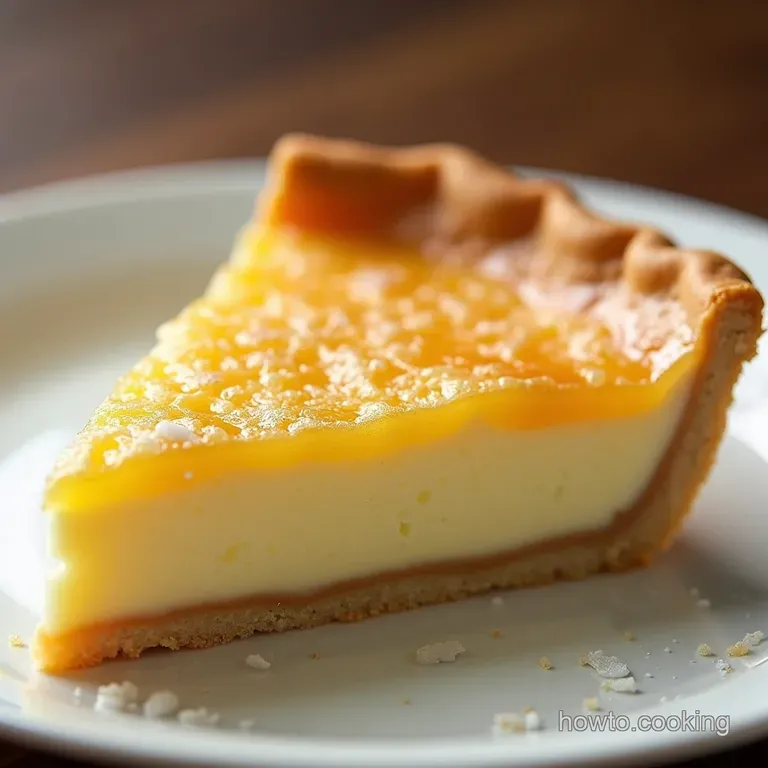
- Beyond the Mundane: Unveiling the Elegance of Baked Coconut Custard
- Why This Recipe Elevates the Humble Coconut Bake
- Assembling the Orchestra: What You Need for This Exquisite Tart
- Sourcing Superior Components for Authentic Flavor
- The Culinary Choreography: Step-by-Step Path to Your French Coconut Pie
- Baking to Golden Perfection: Temperature and Timing Strategies
- Refining Your Creation: Tips for Next-Level Presentation and Taste
- Storing and Savoring: Maximizing the Life of Your Tarte Coco
- Recipe FAQs
- 📝 Recipe Card
Beyond the Mundane: Unveiling the Elegance of Baked Coconut Custard
The world of pastry is vast, yet few desserts offer the perfect confluence of comforting familiarity and refined elegance quite like a truly exceptional baked coconut pie. We are not speaking of the meringue topped, artificially flavoured versions often found at holiday gatherings.
Instead, we delve into the realm of the French Coconut Pie , a dessert built upon the foundation of a luxurious, set custard encased in a fragile, buttery shell. This approach prioritizes deep, natural coconut essence balanced by the sophisticated structure of classic French technique.
It transforms what could be a simple bake into an unforgettable culinary statement.
Why This Recipe Elevates the Humble Coconut Bake
The journey to mastering this French Coconut Pie Recipe is one of appreciating subtle differences in preparation and ingredient quality. Our goal is a filling that boasts the density of a crème brûlée but the moist tenderness of a perfect pudding a true Custardy Coconut Pie .
This level of excellence requires understanding where the inspiration comes from and how to honour those influences in your own kitchen.
Defining the Distinct Richness of French Coconut Pie
What sets this particular iteration apart from standard American pies? First off,, it is almost always a baked custard, relying on whole eggs and cream rather than relying heavily on sweetened condensed milk for structure, though we acknowledge the ease of the French Coconut Pie Condensed Milk shortcut we are opting for a more traditional, less cloyingly sweet profile here.
This recipe, featuring a precise ratio of heavy cream and whole milk, results in a deeply Rich Coconut Pie that sets beautifully without becoming rubbery. On top of that,, the inclusion of a meticulously prepared, pre-baked crust ensures that the bottom remains crisp, providing a vital textural counterpoint to the smooth filling.
The Allure: Bridging French Pastry Finesse with Tropical Comfort
Imagine the delicate structure of a Pâte Sablée the French sweet shortcrust meeting the warm, sun-drenched flavour of toasted coconut. This blend is the heart of our ambition.
The dedication to crafting a perfect, flaky shell provides the structural integrity that supports a dense, flavourful filling, making this an Old Fashioned Coconut Pie refined through European sensibilities. It’s a dessert that feels both familiar and utterly elevated.
Setting the Stage: Essential Equipment for Perfection
To achieve the desired texture, precision in equipment matters. While a simple 9 inch pie dish will suffice, a ceramic or glass dish conducts heat more evenly, which is crucial for the custard setting gently.
Next,, a food processor is a great ally when creating the Pâte Sablée, ensuring the cold butter is cut in quickly without warming up. Finally, a reliable oven thermometer is highly recommended, as the temperature shifts during the bake are key to avoiding curdling or cracking in our custard.
Assembling the Orchestra: What You Need for This Exquisite Tart
Crafting this tart involves balancing two distinct elements: the crisp foundation and the luxurious filling. For our Parisian Pavane of Coconut Pie , we require the components for a robust sweet shortcrust, which ensures a non-soggy base, and the specific ingredients for our creamy, coconut infused custard.
The time investment here is modest around 35 minutes of active prep, plus crucial chilling time for the dough making this an approachable yet rewarding undertaking for a weekend bake.
Sourcing Superior Components for Authentic Flavor
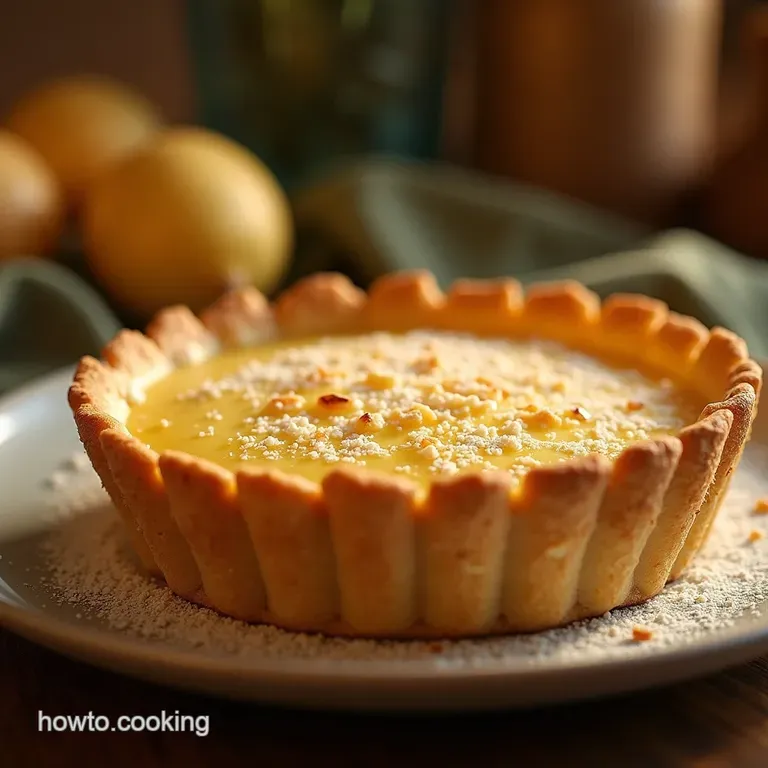
The soul of any great dessert lies in its components. For this Classic Coconut Pie Recipe , focusing on fresh dairy and high-quality coconut will yield exponential flavour rewards.
The Dairy and Richness Foundation: Eggs, Cream, and Sweetness Levels
Our filling calls for whole eggs plus an additional yolk, which adds body and richness without making the final product taste overly eggy. This is complemented by a combination of heavy cream and whole milk, providing the necessary fat content for a velvety mouthfeel.
We balance the natural sweetness of the coconut with granulated sugar enough to caramelize beautifully on top, but carefully measured to prevent the final product from becoming overly saccharine, a common pitfall in many simpler versions of this dessert.
A subtle accent, like a teaspoon of good vanilla or perhaps a tablespoon of dark rum, deepens the flavour profile beautifully.
Selecting the Perfect Coconut Texture: Flakes vs. Shredded
Texture is paramount in this Rich Coconut Pie . While sweetened shredded coconut is readily available, seeking out sweetened flaked coconut provides a superior bite and chewiness within the set custard. Crucially, these flakes must be toasted beforehand.
Toasting awakens the oils and deepens the nutty flavour, transforming the coconut from a simple inclusion into a star flavour note.
Prepping the Vessel: Mastering the Perfect Pie Crust Foundation
We begin with the Pâte Sablée. This dough relies on very cold butter cut into the flour until it resembles coarse crumbs, followed by minimal handling with the egg yolk and ice water until it just coheres.
Overworking develops gluten, leading to a tough, rather than flaky, base that cannot withstand the wet custard. After rolling and fitting it into the dish, an essential 15-minute freeze ensures it holds its shape during the critical initial bake.
Related Recipes Worth Trying
- DeepDish Hamburger Sausage and Pepperoni Pie Recipe — Say goodbye to boring dinners This Ultimate Meat Pie blends cheeseburger flavour with spicy pepperoni in a flaky pastry Perfect for a hearty supper
- Truly Velvety Amish Peanut Butter Cream Pie Recipe — Forget storebought this homemade Amish Peanut Butter Cream Pie recipe uses a rich cooked custard filling that sets perfectly every time Get the easy steps
- The Ultimate Creamy Chicken and Leek Pie Recipe — Ditch the takeaway This homemade Chicken and Leek Pie recipe features a flaky shortcrust and the richest most comforting filling you can imagine Perfect...
The Culinary Choreography: step-by-step Path to Your French Coconut Pie
The process moves from construction to integration. After chilling the dough, we proceed immediately to blind baking, a non-negotiable step for a crisp base. While the shell is baking, the custard filling is swiftly prepared.
Baking to Golden Perfection: Temperature and Timing Strategies
The baking phase requires attention to temperature shifts, a technique that ensures a perfect crust and a creamy interior. We start hot to set the pastry shell, then reduce the heat for the custard itself.
This carefully orchestrated sequence is what moves us toward a perfect French Coconut Pie Buttermilk -style richness (though we are using standard dairy here for maximum creaminess).
Whipping the Custard Base: Achieving That Silky, Set Consistency
When mixing the wet ingredients, restraint is key. Whisk the eggs and sugar gently until just combined and pale. Incorporate the cream, milk, melted butter, and flavourings with minimal agitation. We are aiming for homogeneity, not aeration.
Over whipping introduces too many bubbles, which expand during baking and collapse upon cooling, causing weeping or a spongy texture in our Coconut Custard Pie Recipe .
Folding Technique: Gently Incorporating the Coconut Without Deflating
Once the liquid base is smooth, the toasted coconut flakes are folded in using a large spatula. Use sweeping, under and-over motions, working slowly. The goal is to distribute the coconut evenly throughout the liquid without incorporating any excess air that you so carefully avoided during the whisking stage.
Blind Baking Wisdom: Ensuring a Crisp Under Crust Baseline
The blind bake is your insurance policy against sogginess. Line the chilled pastry shell with parchment paper and fill completely with pie weights or dried beans. Bake at 375° F ( 190° C) for 15 minutes.
Crucially, remove the weights and paper and bake for another 5 to 7 minutes until the bottom appears pale golden and dry. This ensures the bottom crust is partially set before the liquid filling is introduced, promising a crisp bite in every slice of your Easy French Coconut Pie .
Testing for Doneness: The Subtle Signs of a Set Custard Center
The finished bake is achieved when the edges of the custard are visibly set, slightly browned, and pulling away gently from the crust. The centre, however, should exhibit only a slight wobble when the dish is gently nudged a movement resembling firm jelly, not liquid.
An internal temperature check around 175° F ( 80° C) confirms that the eggs have coagulated safely without curdling.
Refining Your Creation: Tips for Next Level Presentation and Taste
Once cooled, the visual appeal of this Old Fashioned Coconut Pie relies on its rich, browned surface and the clean lines of the set custard. Avoid the temptation to slice immediately; patience during cooling is the final crucial step.
Storing and Savoring: Maximizing the Life of Your Tarte Coco
Cooling completely on a wire rack for at least two hours is mandatory for the custard to fully firm up, making clean slicing possible. This pie keeps beautifully under refrigeration for up to four days, often improving in flavour as the spices and vanilla marry with the coconut overnight.
Flavor Twists: Incorporating Zests, Spirits, or Spices
If you wish to deviate from the pure vanilla profile, consider adding a fine grating of lemon or orange zest right into the liquid filling. This provides a bright, high note that cuts through the richness beautifully.
Alternatively, a small measure of aged dark rum or bourbon adds depth, enhancing the toasted notes of the coconut flakes.
The Chill Factor: How Cooling Transforms the Texture
The cooling process isn't just about stability; it changes the texture fundamentally. As the custard cools slowly to room temperature, and then further when chilled, the proteins continue to firm up, transforming the slightly wobbly center into that desired, dense, silken structure.
Troubleshooting Common Pitfalls in Baked Coconut Desserts
If your pie weeps (releases clear liquid between the crust and filling), it usually means the custard was slightly underbaked or the pie was cooled too quickly on a drafty surface. If the filling cracks severely on top, it was likely overbaked, or the oven temperature was too high during the final phase.
Remember, gentle, slow heat is the answer for all custards.
Serving Temperature Spectrum: Warm vs. Fully Chilled Suggestions
While this tart is structurally best when fully chilled allowing for perfect, neat slices it can be gently brought up to just below room temperature for serving. Serving slightly warm can release more of the aromatic vanilla and rum notes, but be aware that the custard will be softer.
A contrast is also recommended: serve a slice alongside a spoonful of slightly tart, unsweetened crème fraîche to provide a bright, cooling counterpoint to the Custardy Coconut Pie 's inherent richness.
Recipe FAQs
Why is my French Coconut Pie soggy on the bottom, even after blind baking?
The key to avoiding a soggy bottom is ensuring your crust is baked long enough during the blind bake aim for a pale golden colour, not just pale. Also, brush the inside of the warm, baked shell lightly with a thin layer of melted dark chocolate before adding the filling; this creates a fantastic moisture barrier, much like coating a cake tin.
Can I make the Pâte Sablée pastry ahead of time, or should I make it fresh?
You absolutely can make the pastry ahead! In fact, it benefits from a good rest. Wrap the dough tightly and keep it chilled in the fridge for up to two days; this allows the gluten to relax, resulting in a much more tender crust.
Just remember to let it warm up slightly on the counter before rolling it out, or it will crack.
My custard filling cracked when it cooled. How do I stop this happening with my French Coconut Pie next time?
Cracking usually happens when the custard overheats or cools too rapidly, causing it to contract unevenly. Ensure your oven temperature is accurate and check the pie when it still has a slight wobble in the very centre; don't bake until the middle is firm.
Furthermore, let the pie cool gradually on the counter for a couple of hours before popping it into the fridge.
What's the secret to getting that perfect, deep flavour in the coconut for this tart?
Don't skip toasting the coconut flakes! Spread them thinly on a baking tray and toast them in the oven at a relatively low temperature (around 325°F or 160°C) until they turn golden brown and smell richly nutty.
This process draws out the oils and intensifies the tropical flavour, making a huge difference against the rich custard base.
This recipe seems quite rich. What can I serve alongside it to balance the sweetness?
Given how rich this Parisian Pavane is, you need something with a bit of a backbone! A strong, dark roast coffee is brilliant, or if you prefer something cool, a dollop of slightly tart crème fraîche or plain Greek yogurt provides a lovely contrast.
If you’re having it after a big meal, skip the heavy toppings and let the pie shine on its own!
Rich Baked French Coconut Pie
Ingredients:
Instructions:
Nutrition Facts:
| Calories | 765 kcal |
|---|---|
| Protein | 11.5 g |
| Fat | 38.8 g |
| Carbs | 50.3 g |
| Fiber | 1.3 g |
| Sodium | 5130 mg |
