Rich Creamy Mashed Potatoes
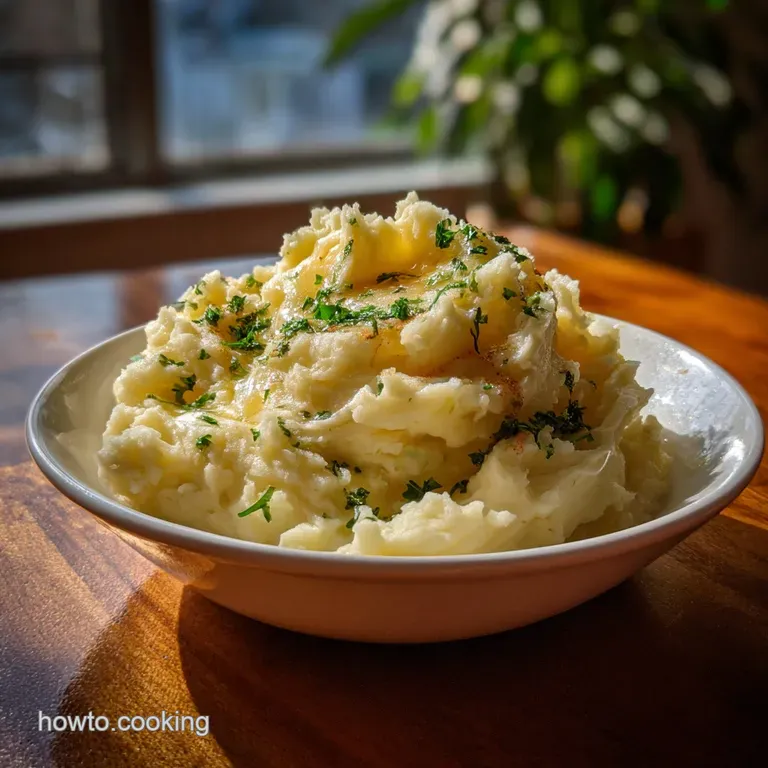
- Time: Active 15 minutes, Passive 20 minutes, Total 35 minutes
- Flavor/Texture Hook: Silky, buttery, and tangy
- Perfect for: Sunday family dinners and holiday gatherings
- Creating Perfect Rich Creamy Mashed Potatoes
- Why This Method Succeeds
- Component Analysis Deep Dive
- Selecting Wholesome Components
- Necessary Kitchen Tools
- Steps for Silky Success
- Fixing Common Texture Flaws
- Personalizing Your Flavor Profile
- Comparison: Fast vs Classic
- Scaling for Large Groups
- Common Potato Myths
- Preserving and Reheating Tips
- Wholesome Serving Suggestions
- Recipe FAQs
- 📝 Recipe Card
Creating Perfect Rich Creamy Mashed Potatoes
Picture this: you pull a steaming pot of potatoes off the stove, and instead of a watery mess, the spuds are light, fluffy, and practically begging for butter. We have all been there, staring at a bowl of "glue" because we overworked the starch or didn't drain them properly.
It's frustrating when a simple side dish goes wrong, but I promise we can fix that today.
This recipe is my go to when I want a nutritious yet flavorful addition to our family table. We are moving away from the heavy, grease slicked versions of the past and focusing on techniques that build confidence in the kitchen. You don't need fancy gadgets, just a few reliable steps and a bit of patience.
The secret lies in how we handle the starch. By treating the potatoes with a little scientific respect, we ensure they stay velvety rather than gummy. Let's get into how you can make these Rich & Creamy Mashed Potatoes a staple in your own home.
Why This Method Succeeds
Starch Retrogradation: Starting potatoes in cold water allows the starch granules to swell evenly, preventing the outside from falling apart before the inside is tender.
Pectin Stabilization: The addition of Diamond Crystal Fine Sea Salt to the boiling water helps strengthen the potato's cell walls, ensuring they don't dissolve into mush.
Moisture Evaporation: Returning the drained potatoes to the warm Lodge Enameled Cast Iron Dutch Oven "steam dries" them, which creates space for the dairy to be fully absorbed.
Protein Emulsification: Using plain non fat Greek yogurt adds a structural protein boost that keeps the mash fluffy while providing a bright, tangy finish.
Component Analysis Deep Dive
| Ingredient | Science Role | Pro Secret |
|---|---|---|
| Yukon Gold Potatoes | High starch, low moisture | Their natural buttery color means you need less actual butter for visual appeal. |
| Non fat Greek Yogurt | Acidic tenderizer | The acidity breaks down remaining starch clumps for a smoother mouthfeel. |
| Grass fed Butter | Fat emulsifier | Grass fed varieties have a higher beta carotene content, adding a golden hue. |
| Fine Sea Salt | Flavor enhancer | Salt doesn't just season; it helps draw out excess moisture during the drying phase. |
Selecting Wholesome Components
- 3 lbs Yukon Gold potatoes: Peeled and cut into 1 inch cubes. Why this? Yukon Golds have a naturally creamy texture compared to starchy Russets.
- Substitute: Russet potatoes. Note: These will be fluffier but slightly less buttery.
- 1 tbsp Diamond Crystal Fine Sea Salt: For the boiling water. Why this? It dissolves instantly and seasons the potato from the inside out.
- Substitute: Kosher salt, though you may need to increase the volume slightly.
- 2 cloves garlic: Smashed. Why this? Boiling them with the potatoes provides a mellow, sweet undertone.
- Substitute: 1/2 tsp garlic powder added during the mashing phase.
- 1/2 cup low-fat milk: Warmed. Why this? Cold milk shocks the starch, which can lead to a grainy texture.
- Substitute: Unsweetened almond milk for a lighter, nuttier profile.
- 1/2 cup plain non fat Greek yogurt: Room temperature. Why this? Provides the body and "zip" usually provided by sour cream.
- Substitute: low-fat sour cream. Note: This adds more fat and a slightly different tang.
- 3 tbsp Kerrygold unsalted grass fed butter: Melted. Why this? Adds a rich, wholesome fat source that carries the flavor.
- Substitute: Extra virgin olive oil for a heart healthy, dairy-free fat option.
- 1/2 tsp ground white pepper: For seasoning. Why this? It disappears into the mash without leaving black specks.
- Substitute: Freshly cracked black pepper if you don't mind the visual texture.
Necessary Kitchen Tools
Having the right tools makes the process seamless. I prefer using a Lodge Enameled Cast Iron Dutch Oven because it holds heat beautifully, which is essential for that final "steam dry" step.
For the mashing itself, an OXO Good Grips Potato Ricer is your best friend if you want zero lumps. If you don't have one, a sturdy hand masher works just fine, just be prepared for a little more arm work!
Steps for Silky Success
Phase 1: The Cold Start
- Place your peeled and cubed Yukon Gold potatoes into the Lodge Dutch Oven.
- Add the smashed garlic cloves and 1 tbsp Diamond Crystal Fine Sea Salt over the spuds.
- Cover the potatoes with cold water by at least an inch. Note: Starting with cold water ensures the potatoes cook at the same rate throughout.
- Bring the water to a boil over high heat, then reduce to a simmer.
- Cook for 15 to 20 minutes until the potatoes are fork tender and slightly translucent.
Phase 2: The Moisture Removal
- Drain the potatoes into a colander, discarding the water but keeping the garlic cloves with the spuds.
- Return the potatoes immediately to the warm Dutch Oven over low heat for 1 minute.
- Shake the pot gently until a thin white film forms on the bottom and the potatoes look dry. Note: This step is vital for avoiding watery & Creamy Mashed Potatoes.
Phase 3: The Folding Process
- Use your OXO Potato Ricer or masher to break down the potatoes while they are still hot.
- Gradually pour in the warmed low-fat milk and melted Kerrygold butter.
- Fold in the room temperature Greek yogurt and white pepper using a spatula.
- Stir until the mixture is velvety and holds its shape on a spoon.
- Season with additional sea salt to taste before serving warm.
Fixing Common Texture Flaws
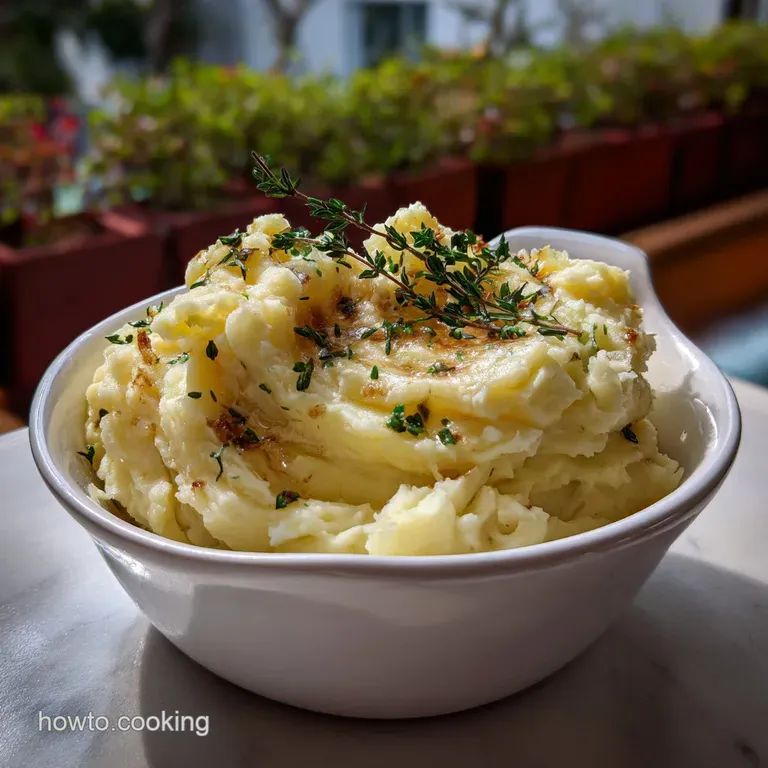
Gummy Potato Causes
When you over process potatoes, specifically with a food processor or blender, the starch molecules break and release a sticky substance called amylose. This turns your dish into something resembling wallpaper paste. To avoid this, always mash by hand or use a ricer.
If it happens, you can try spreading the mash into a baking dish, topping with cheese, and making a casserole similar to The Gruyère Au recipe, which helps hide the texture.
Fixing Watery Spuds
If you didn't dry the potatoes enough after boiling, they might sit in a puddle on the plate. The fix is simple: put them back in the pot over very low heat and stir constantly. This allows the excess moisture to evaporate. Be careful not to scorch the bottom!
Signs of Overcooking
If your potatoes are falling apart in the water before you drain them, they have absorbed too much liquid. They will likely be bland. You can counter this by adding a bit more butter or yogurt to bring back the structure and flavor.
| Problem | Cause | Fix | Pro Tip |
|---|---|---|---|
| Lumpy texture | Underboiled potatoes | Pass through a fine mesh sieve | Always cut cubes to a uniform 1 inch size |
| Too salty | Excess seasoning | Add more plain yogurt or a splash of milk | Add salt in small increments at the end |
| Cold mash | Cold dairy addition | Heat milk/butter together before adding | Keep the pot covered while mashing |
Personalizing Your Flavor Profile
I love keeping things simple, but sometimes a little variety is nice for a special occasion. You can easily adapt this base. If you want a more complex side, consider serving these alongside a Green Bean Casserole Recipe for a classic pairing.
Roasted Garlic Variant
Instead of boiling the garlic with the potatoes, roast a whole head in the oven with a drizzle of oil. Squeeze the softened cloves into the mash at the very end. This creates a deep, caramelized flavor that is much milder than raw garlic.
Lactose Free Substitutions
If you are cooking for someone with sensitivities, swap the milk for chicken bone broth and the butter for a high-quality olive oil. The Greek yogurt can be replaced with a dairy-free almond based yogurt to maintain that essential tang.
Comparison: Fast vs Classic
| Feature | Quick Cubed Method | Traditional Whole Method |
|---|---|---|
| Cook Time | 15-20 minutes | 35-45 minutes |
| Texture | Uniform and smooth | Varied and rustic |
| Nutrient Loss | Higher (more surface area) | Lower (skin protects starch) |
Scaling for Large Groups
Scaling Down (1/2 batch): Use a smaller saucepan and reduce the simmering time by about 20%. Since you are only using 1.5 lbs of potatoes, they will heat through much faster.
Scaling Up (2x or 3x): When making a massive batch of Creamy Mashed Potatoes, work in stages. Don't crowd the pot too much or the water won't circulate. Increase the salt for the water, but only increase the butter and milk by 1.5x initially.
You can always add more, but you can't take it out! For a big holiday spread, I find that 3 lbs serves 6 people perfectly as a side.
Common Potato Myths
Myth: You must peel potatoes after boiling. Truth: While some chefs prefer this for flavor, peeling beforehand and cutting into 1 inch cubes ensures a faster, more even cook for the busy home cook. It also allows the salt to penetrate the flesh during boiling.
Myth: Adding butter first makes them creamier. Truth: Actually, adding a little milk first helps hydrate the starch, which then allows the fat from the butter to coat the granules more effectively. This creates a more stable emulsion.
Preserving and Reheating Tips
Storage: Keep your leftovers in an airtight container in the fridge for up to 4 days. These make excellent bases for shepherd's pie or potato pancakes the next morning!
Freezing: You can freeze these for up to 2 months. To prevent graininess, ensure you have used plenty of fat (butter) and yogurt, as the fat protects the starch during the freezing process. Thaw in the fridge overnight before reheating.
Zero Waste Tip: Don't throw away those potato peels! Toss them with a little oil and salt, then bake at 400°F until crispy. They make a nutritious, crunchy snack or a great topping for the Creamy Mashed Potatoes themselves.
Wholesome Serving Suggestions
These potatoes are a blank canvas for your culinary creativity. I usually serve them with a simple roasted chicken or a lean piece of grilled fish. The tangy yogurt profile also pairs beautifully with hearty stews.
Decision Shortcut: If you want extra fluff, use a ricer and whisk the milk in. If you want rustic texture, keep the skins on and use a hand masher. If you want maximum flavor, brown the butter in a pan before adding it to the spuds.
Building confidence with Rich Creamy Mashed Potatoes is all about those small, reliable steps. Once you master the "steam dry" and the cold start boil, you will never settle for mediocre mash again. Trust me, your family will taste the difference in every flavorful, wholesome bite. Let's get cooking!
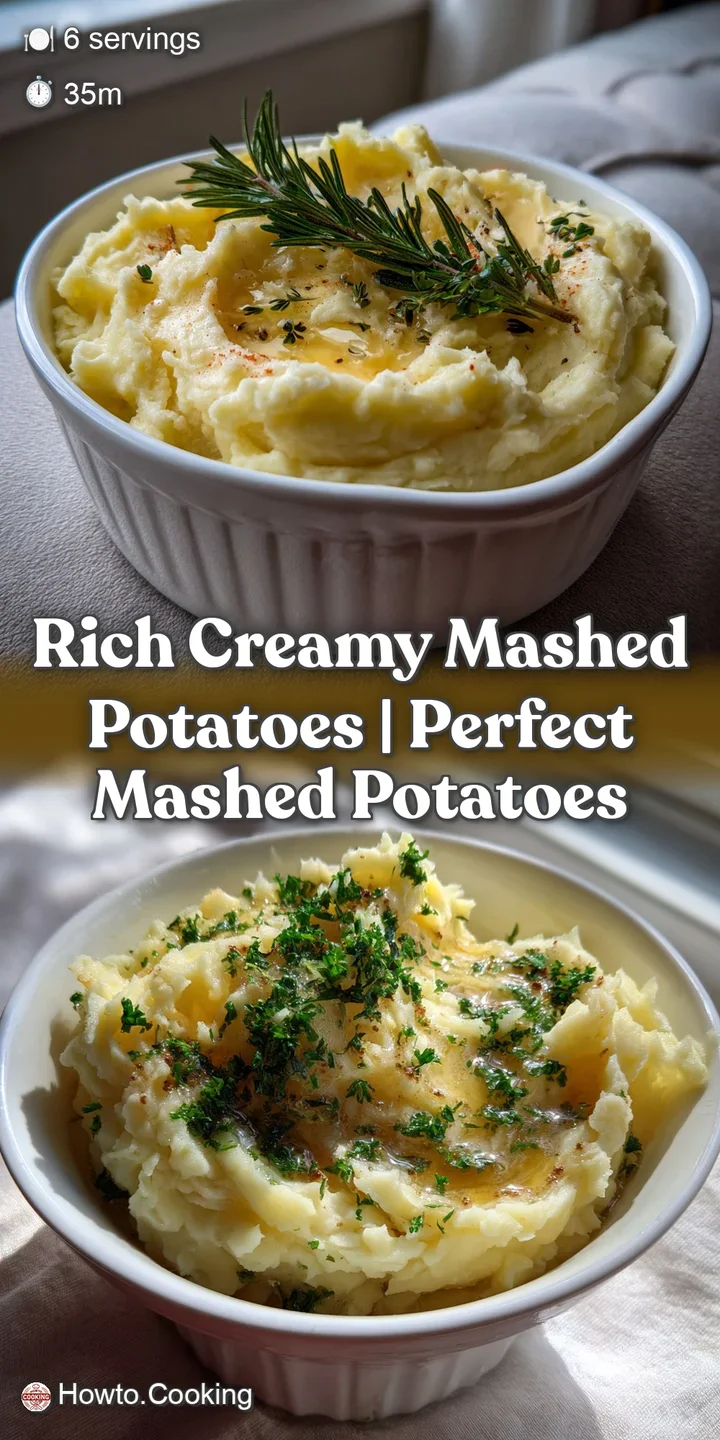
Recipe FAQs
how to make rich creamy mashed potatoes?
Yes, focus on the drying phase. The key to richness is ensuring the potatoes are completely dry after boiling; return them to the warm pot for one minute to steam off excess moisture before adding dairy.
how to make thick creamy mashed potatoes?
Yes, use starchy potatoes and incorporate protein. Yukon Golds provide a naturally creamy base, and using Greek yogurt adds body without extra liquid, making them thicker than using just cream or milk.
how to make creamy mashed potatoes?
Yes, start the potatoes in cold, salted water. This ensures even cooking so the outside doesn't turn to mush before the center is done, leading to a smoother mash texture overall.
how to make the best mashed potatoes creamy?
No, avoid processing them aggressively. Use a potato ricer or hand masher instead of a blender or food processor, as mechanical mixing breaks down starch and creates a gluey texture.
what makes mashed potatoes creamy?
Fat and acid balance make them creamy, not water. The combination of melted butter (fat) and Greek yogurt (acid) emulsifies effectively with the cooked starch granules, yielding silkiness.
Can I substitute the Greek yogurt for another ingredient?
Yes, but it changes the texture profile. You can substitute sour cream, but if you wanted a savory, buttery side dish that focuses on fat ratios, review the technique in our Classic Chicken Pot Pie Crust recipe to understand fat incorporation.
What is the secret to seasoning creamy potatoes?
Seasoning should happen in two phases. Always add salt to the boiling water to season the potato from the inside out, then taste and adjust the final seasoning after the dairy is folded in.
Rich Creamy Mashed Potatoes
Ingredients:
Instructions:
Nutrition Facts:
| Calories | 266 kcal |
|---|---|
| Protein | 6.7 g |
| Fat | 6.3 g |
| Carbs | 47.1 g |
| Fiber | 4.1 g |
| Sugar | 1.8 g |
| Sodium | 335 mg |
