Roasted Beet Salad with Feta and Cucumbers
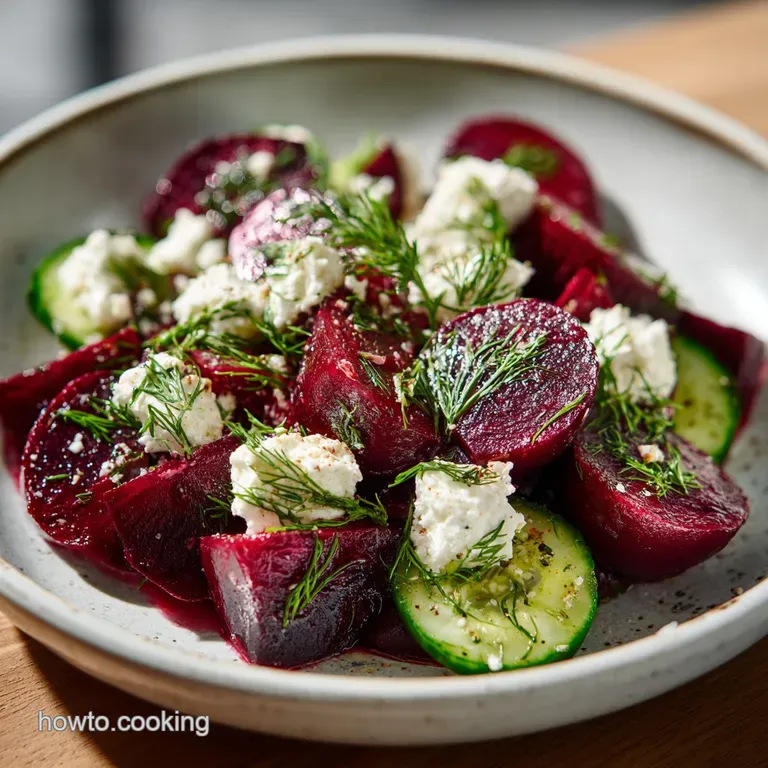
- Time: Active 10 minutes, Passive 25 minutes, Total 35 minutes
- Flavor/Texture Hook: Earthy roasted sweetness meeting salty feta and shatter crisp cucumbers.
- Perfect for: Wholesome family dinners, meal prep, or a nutrient dense lunch.
- Ultimate Roasted Beet Salad with Feta Cucumbers
- Why the High Heat Matters
- Component Analysis for Better Results
- Wholesome Ingredients and Smart Substitutes
- Step-by-Step Culinary Preparation Flow
- Avoiding Common Texture Pitfalls
- Precise Scaling for Larger Groups
- Debunking Common Beet Misconceptions
- Storage and Zero Waste Methods
- Nutritious Pairings for Your Salad
- Recipe FAQs
- 📝 Recipe Card
Ultimate Roasted Beet Salad with Feta Cucumbers
There is a specific, heady aroma that fills the kitchen when beets hit the high heat of a 220°C oven. It starts earthy, almost like the scent of a garden after rain, and then it transforms into something deeply caramelized and sweet.
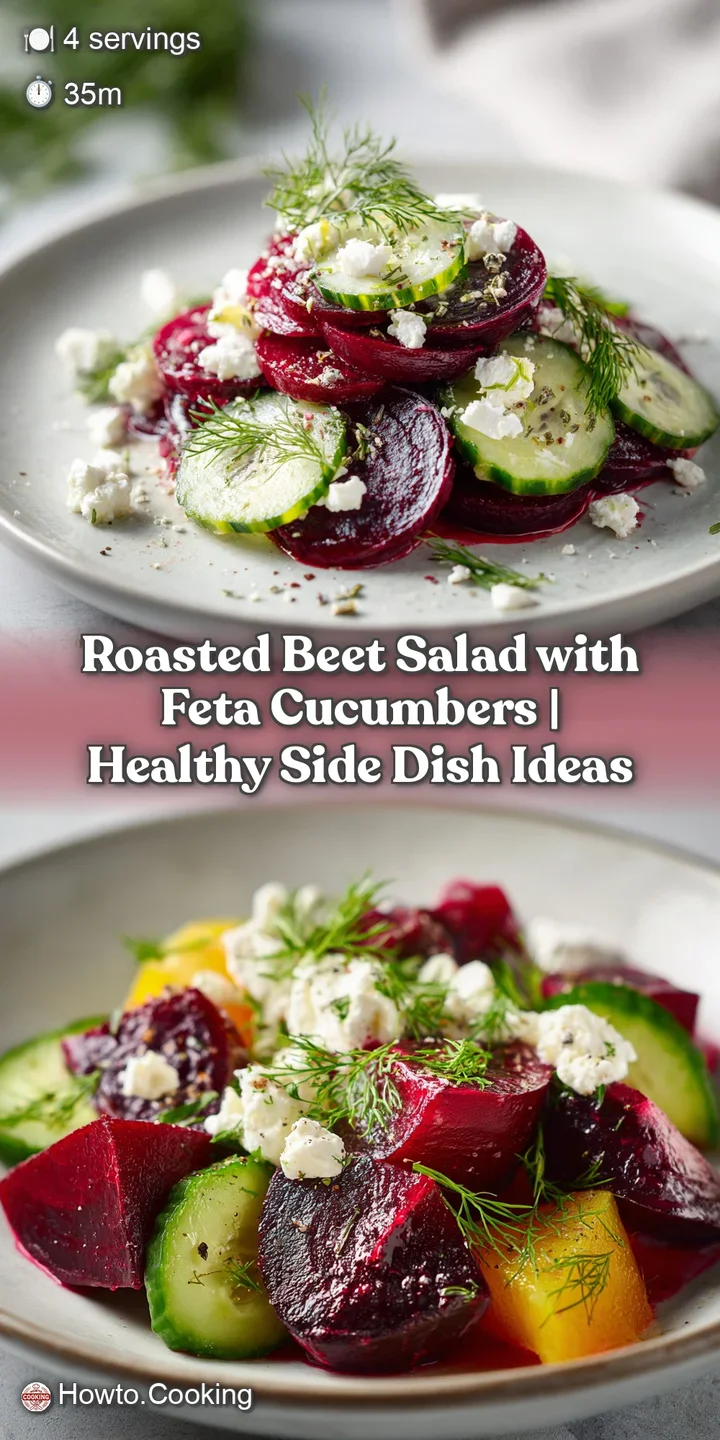
Discover our one incredible recipe for Roasted Beet Salad with Feta, Cucumbers, and Dill. It is a dish that proves how simple, wholesome ingredients can create a sophisticated result with very little hands on effort.
I remember the first time I made this for a family gathering; I was worried the children might find the beets too "dirt like," a common complaint with boiled versions. But when you roast them until the edges are slightly shriveled and the natural sugars concentrate, the whole dynamic changes.
Pairing that warmth with the cold, salty bite of sheep’s milk feta and the refreshing snap of cucumber creates a temperature and texture contrast that is truly revitalizing.
This salad is more than just a side dish; it is an exercise in building kitchen confidence through technique. We are moving away from soggy, flavorless vegetables and embracing the vibrant, bold colors of a Mediterranean inspired plate.
You will love how the lemon juice and fresh dill cut through the richness of the cheese, making every bite feel light yet satisfying. Let’s get into why this method works so well for your busy weeknight rotation.
Why the High Heat Matters
Developing a deep understanding of how heat interacts with root vegetables is the first step toward better home cooking. In this recipe, we skip the boiling pot entirely to preserve nutrients and maximize flavor.
- Dry Heat Concentration: Roasting at 220°C evaporates excess moisture within the beet half moons, which intensifies their natural sweetness without making them mushy.
- Osmotic Withdrawal: Salting the cucumbers in a sieve pulls out the water that usually makes salads watery, ensuring the dressing stays thick and emulsified.
- Temperature Synergy: Combining warm beets with chilled cucumbers creates a sensory experience that feels more complex than a standard cold salad.
- Lipid Fusion: The honey in the vinaigrette acts as a natural bridge between the olive oil and lemon juice, preventing the dressing from separating on the plate.
| Beet Thickness | Oven Temperature | Cook Time | Visual Cue |
|---|---|---|---|
| 1/4 inch | 220°C | 15–18 minutes | Darkened, curled edges |
| 1/2 inch | 220°C | 20–25 minutes | Tender center, shriveled skin |
| 1 inch | 220°C | 30–35 minutes | Heavily caramelized, soft |
Choosing the right thickness for your beets is a decision that dictates your entire timeline. If you are in a rush, slicing them into thinner half moons will get you to the finish line faster, but the 1/2 inch cut provides that perfect "steak like" bite that stands up to the creamy feta.
This flexibility makes the roasted beet salad with feta cucumbers a reliable staple regardless of how much time you have before dinner.
Component Analysis for Better Results
Every element in this dish serves a functional purpose, from the structural integrity of the cucumber to the chemical balance of the vinaigrette. Understanding these roles helps you cook with more intuition and less reliance on strict measurements.
| Ingredient | Science Role | Pro Secret |
|---|---|---|
| Red Beets | Sugar Source | Peel them after washing but before slicing for the cleanest cuts. |
| Persian Cucumbers | Textural Contrast | Use the thin skinned variety to avoid the bitterness of large seeds. |
| Sheep’s Milk Feta | Salt & Fat Balance | Buy it in a block of brine; it stays much creamier than pre crumbled bags. |
| Fresh Dill | Aromatic Bridge | Chop the tender stems too; they hold more flavor than the feathery leaves. |
Using high-quality extra virgin olive oil is non negotiable here. Since the dressing is simple, the peppery notes of a good oil will complement the earthy beets beautifully. If you are looking for more ways to use fresh herbs and wholesome fats, you might enjoy my vibrant pesto sauce which follows a similar philosophy of fresh first cooking.
Wholesome Ingredients and Smart Substitutes
To make this roasted beet salad with feta, you will need a handful of fresh components that emphasize whole food nutrition. I always suggest looking for the heaviest beets you can find, as they tend to be the most hydrated and flavorful.
- 3 medium red beets (500g): The star of the show. Why this? They provide a dense, sweet base rich in antioxidants and fiber.
- Substitute: Golden beets for a milder, less "earthy" flavor that won't stain the cucumbers as much.
- 3 tbsp extra virgin olive oil: Used for both roasting and the dressing. Why this? It provides healthy monounsaturated fats and a silky mouthfeel.
- Substitute: Avocado oil if you prefer a more neutral flavor profile during the roasting phase.
- 2 Persian cucumbers: These are crunchier and less watery than standard field cucumbers. Why this? They maintain their structure even when tossed with warm ingredients.
- Substitute: English cucumber, though you should scoop out the seeds with a spoon first.
- 0.5 cup (75g) sheep’s milk feta: This adds the necessary salty punch. Why this? It has a tangier, richer profile than cow's milk versions.
- Substitute: Crumbled goat cheese for a creamier, softer texture that melts slightly onto the beets.
- 0.25 red onion: For a sharp, biting contrast to the sweet beets. Why this? Shaving them thin allows them to soften in the dressing's acid.
- Substitute: Shallots for a more delicate, garlicky undertone.
- 1 tbsp fresh lemon juice: Provides the essential acid to brighten the dish.
- Substitute: Apple cider vinegar for a fruitier, fermented tang.
step-by-step Culinary Preparation Flow
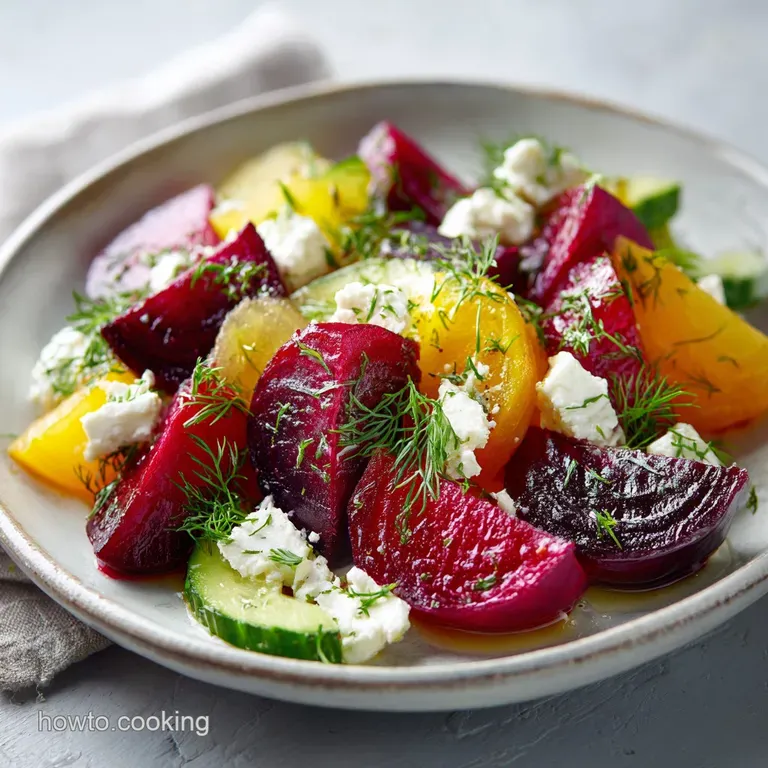
Follow this sequence to ensure your beets are perfectly tender and your cucumbers remain shatter crisp. The key is in the timing of the "sweating" process for the greens.
- Preheat your oven to 220°C and line a rimmed baking sheet with parchment paper. Note: This prevents the beets from sticking and makes cleanup effortless.
- Toss the 500g of sliced beets with 1 tablespoon of olive oil and 1/2 tsp sea salt directly on the pan.
- Spread the beets in a single layer and roast for 20–25 minutes until tender and the edges are shriveled.
- While roasting, place the sliced cucumbers in a sieve over a bowl, sprinkle with salt, and let sit for 10 minutes. Note: This osmosis step is vital for a crunchy salad.
- Pat the cucumbers dry with a paper towel to remove all surface moisture.
- Whisk the remaining 2 tablespoons of oil, lemon juice, 1 tsp honey, and black pepper in a jar until the liquid is opaque and thickened.
- Shave the red onion as thin as possible, ideally using a mandoline if you have one.
- Combine the warm beets, dry cucumbers, onion, and chopped dill in a large mixing bowl.
- Fold in the 75g of crumbled feta gently to avoid turning the entire salad pink.
- Drizzle the vinaigrette over the top and serve immediately while the beets still carry a gentle warmth.
Avoiding Common Texture Pitfalls
The most frequent mistake people make with a beet and cucumber salad with feta is ending up with a "pink soup." This happens when the beets are too wet or the cucumbers haven't been drained properly.
Why the Salad Turns Soggy
Cucumbers are over 90% water. If you skip the salting and draining step, that water will release the moment it hits the salt in the dressing, diluting your vinaigrette and making the feta mushy.
By letting them sit for 10 minutes in a sieve, you ensure the salad stays vibrant even if it sits on the table for an hour.
Preventing the Color Bleed
Beets contain betalains, the pigments responsible for that intense red color. These pigments are water soluble. To keep your cucumbers green and your feta white, ensure the beets are "sealed" by the roasting process and toss the salad just before serving.
If you mix it too early, the juices will run and dye everything a uniform shade of magenta.
| Problem | Root Cause | Solution |
|---|---|---|
| Rubbery Beets | Under roasted or sliced too thick | Roast until a fork slides in with zero resistance. |
| Bland Flavor | Not enough acid in dressing | Add an extra squeeze of lemon just before the final toss. |
| Mushy Feta | Mixed while beets were steaming hot | Let beets rest for 3 minutes out of the oven before combining. |
- ✓ Pat the beets dry before oiling if they were washed recently.
- ✓ Use a large enough baking sheet to avoid crowding, which causes steaming instead of roasting.
- ✓ Always use fresh dill; dried dill lacks the citrusy notes needed to balance the feta.
- ✓ Slice onions "paper thin" so they macerate quickly in the lemon juice.
- ✓ If the beets look dry after roasting, add a tiny splash of water to the pan to loosen the juices.
Precise Scaling for Larger Groups
Adjusting this fresh beet salad with feta and dill for a crowd requires a bit of math to maintain the flavor balance. You cannot simply double every ingredient without considering the surface area of your roasting pans.
Scaling Up (2x or 4x): When doubling, use two separate baking sheets. If you pile all the beets onto one, they will stack on top of each other and steam, losing that beautiful shriveled edge.
For the dressing, increase the oil and lemon juice linearly, but keep the honey and salt at 1.5x the original amount first, then taste. Over salting a large batch is a common error.
Scaling Down (1/2): If you are cooking for two, use a small toaster oven or a quarter sheet pan. Reduce the roasting time by about 5 minutes, as smaller quantities of vegetables tend to lose moisture faster.
For the feta, use the full 0.5 cup if you love cheese it’s the best part!
| Feature | Fresh Roasted Beets | Canned/Pre Cooked Beets |
|---|---|---|
| Texture | Firm, caramelized, varied | Soft, uniform, slightly slippery |
| Flavor | Deep, earthy, sweet | Mild, vinegary (if pickled) |
| Effort | 35 minutes total | 5 minutes total |
While shortcut beets are fine for a quick lunch, the depth of flavor in this easy roasted beet salad comes almost entirely from the Maillard reaction during roasting. If you are looking for a cozy meal to pair this with, the earthy tones go exceptionally well with a scalloped potatoes recipe, creating a truly comforting dinner spread.
Debunking Common Beet Misconceptions
There are several myths that keep people from enjoying beets, and I want to set the record straight so you can cook with more confidence.
Myth: You have to boil beets before roasting them. This is entirely unnecessary and actually counterproductive. Boiling leaches out the flavor and nutrients into the water. Roasting raw slices directly on the pan creates a better texture and a more concentrated flavor.
It also saves you from washing an extra pot!
Myth: Beet greens and stems are trash. Actually, they are quite wholesome! If your beets came with the greens attached, sauté them with a little garlic and olive oil. They taste similar to Swiss chard and make a great addition to the side of this salad.
Myth: Golden beets and red beets taste the same. While similar, golden beets are significantly sweeter and less "earthy." If you have someone at your table who is hesitant about beets, start with the golden variety. They won't stain your fingers or your cutting board, either.
Storage and Zero Waste Methods
The Mediterranean beet and cucumber salad is best enjoyed fresh, but you can certainly manage leftovers with a bit of strategy.
Storage: Store the roasted beets and the cucumber feta mixture in separate airtight containers in the fridge. The beets will stay fresh for up to 4 days, while the cucumbers are best within 24 hours.
When you are ready to eat, combine them and add a fresh squeeze of lemon to wake up the flavors. Do not freeze this salad; the cucumbers will turn to mush and the feta will lose its creamy texture.
Zero Waste: Don't throw away the beet peels! If you washed them thoroughly before peeling, you can toss the peels with a bit of oil and salt and roast them at 200°C for 10 minutes to make "beet chips." Also, if you have leftover dressing, it works perfectly as a marinade for chicken or a dip for crusty sourdough bread.
Nutritious Pairings for Your Salad
This simple roasted beet salad is versatile enough to work with many different proteins and grains. Because it has both fat (feta) and acid (lemon), it acts as a palate cleanser for richer dishes.
- Grilled Salmon: The fattiness of the fish is balanced by the sharp dill and lemon in the salad.
- Roasted Chicken: A simple herb crusted chicken breast provides a lean protein that lets the beets shine.
- Quinoa or Farro: Toss the salad with a cup of cooked grains to turn it into a hearty, fiber rich main meal.
- Walnuts or Pistachios: For an extra layer of crunch, top the finished salad with toasted nuts just before serving.
Decision Shortcut: If you want a creamier texture, swap the feta for goat cheese. If you want it vegan, use avocado instead of feta and maple syrup instead of honey. If you want it spicier, add a pinch of red pepper flakes to the vinaigrette.
Roasting beets might seem like an extra step, but the payoff in flavor and texture is undeniable. By following these steps and respecting the science of moisture control, you’ll create a dish that is as beautiful to look at as it is wholesome to eat.
Confidence in the kitchen comes from knowing why you are doing what you are doing and now, you’re ready to master this vibrant salad.
Recipe FAQs
How to ensure the beets get tender without burning?
Spread the sliced beets in a single layer on your parchment lined baking sheet. This spacing allows for even heat circulation, ensuring they roast perfectly in 20 25 minutes at 425°F without overcrowding.
How to keep the cucumber slices from making the salad soggy?
Place your cucumber rounds in a sieve over a bowl and sprinkle with a pinch of salt. Letting them sit for 10 minutes draws out excess moisture, which you then remove by patting them dry with a paper towel.
Is it necessary to use a double boiler for the dressing?
No, this is a common misconception. You can easily emulsify the olive oil, lemon juice, honey, and pepper by shaking them vigorously in a small glass jar until thickened.
How long can I store the leftovers?
Store components in separate airtight containers in the refrigerator. The roasted beets remain fresh for up to 4 days, while the cucumber and feta mixture should be consumed within 24 hours to maintain the best texture.
Can I freeze this salad for later?
No, avoid freezing this dish entirely. The high water content in the cucumbers will turn them to mush upon thawing, and the feta cheese will lose its signature creamy consistency.
How to achieve a perfect balance of flavors in the dressing?
Use the jar-shaking method to create a stable emulsion, which binds the acidic lemon juice with the olive oil. If you enjoyed learning how to stabilize this vinaigrette, see how we apply similar emulsification techniques to create a smooth, cohesive sauce in other dishes.
Should I peel the beets before roasting?
Yes, peeling the beets is required for the best texture. Once peeled and sliced into 1/2 inch half moons, they will roast evenly to the desired tenderness within the 25-minute cook time.
Roasted Beet Salad With Feta
Ingredients:
Instructions:
Nutrition Facts:
| Calories | 214 calories |
|---|---|
| Protein | 4.8 g |
| Fat | 14.4 g |
| Carbs | 16.8 g |
| Fiber | 3.8 g |
| Sugar | 10.2 g |
| Sodium | 485 mg |
