Rosca De Reyes Bread
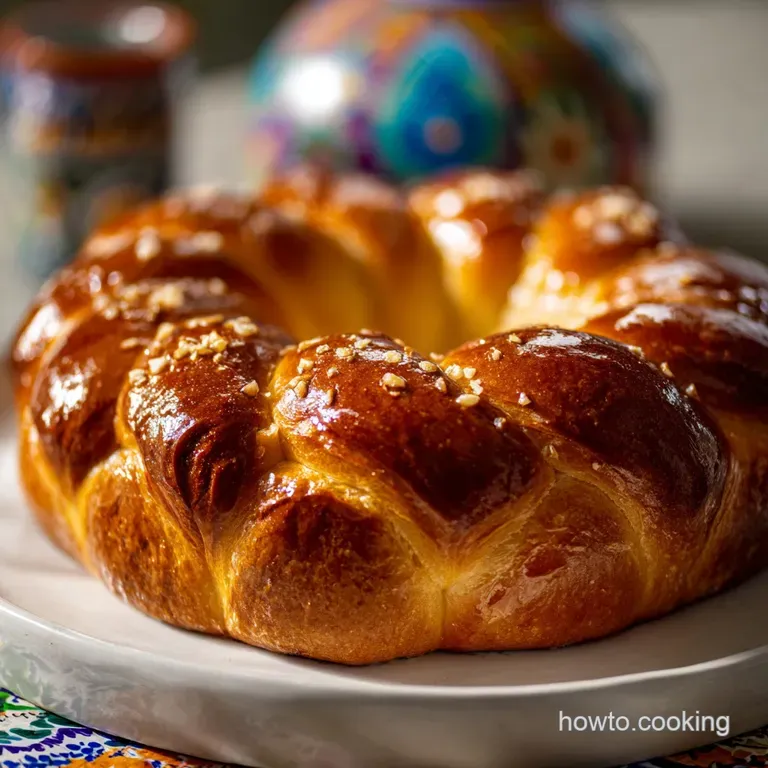
- Time: Active 45 minutes, Passive 3 hours 30 mins, Total 4 hours 15 minutes
- Flavor/Texture Hook: Buttery, citrus forward crumb with a shatteringly crisp sugar crust
- Perfect for: Family gatherings, Three Kings Day celebrations, or a weekend baking project
- Creating a Traditional Homemade Rosca de Reyes
- Science Behind This Sweet Yeast Dough
- Vital Timelines for Your Holiday Baking
- Component Analysis of Key Elements
- Choosing Nutritious Ingredients for Rich Bread
- Using Essential Tools for Better Baking
- Step-by-Step Guide to the Perfect Loaf
- Solving Common Baking Hurdles with Ease
- Adding Wholesome Twists to Your Recipe
- Keeping Your Festive Bread Soft and Fresh
- Serving Nutritious Sides with Your Sweet Loaf
- Finding Clear Answers for Better Baking
- Rosca de Reyes FAQs
- 📝 Recipe Card
The house smells like a dream right now, and it's all thanks to this rosca de reyes. You know that scent of warm yeast mixed with fresh orange zest? It’s basically a hug in scent form. I remember my first attempt at this bread years ago; it ended up so dry we could have used it as a doorstop.
I was devastated, but it taught me everything about hydration and patience.
We aren't making just any bread here. We’re crafting a centerpiece that carries a lot of heart and history. Whether you're celebrating Dia de Reyes or just want a stunning breakfast loaf, this method is designed to give you a result that's wholesome and genuinely impressive.
I’ve stripped away the fuss so you can focus on the feel of the dough.
The goal is a texture that feels like a cloud when you pull it apart. We're going to achieve that by treating our ingredients with respect and giving the yeast exactly what it needs to thrive. Trust me, once you see that golden ring come out of the oven, you'll never go back to the store-bought versions.
Creating a Traditional Homemade Rosca de Reyes
This festive ring is more than a dessert; it's a centerpiece for connection. The rosca de reyes brings people together to share a slice and discover the hidden figurines inside. My version focuses on a rich, brioche style dough that provides a nutritious foundation for the colorful candied fruits on top.
We use a "sponge" or starter method to kickstart our yeast, which is the secret to that characteristic airy interior. It might seem like an extra step, but it’s the difference between a dense loaf and one that feels professional.
We're also leaning heavily into fresh aromatics, using real orange zest and high-quality vanilla to avoid that artificial "fruitcake" flavor that ruins so many holiday breads.
Science Behind This Sweet Yeast Dough
The magic of this bread happens at the molecular level before you even turn on the oven. Understanding these small reactions will give you the confidence to handle any dough.
- Enzymatic Activity: The starter allows yeast to begin breaking down starches into simpler sugars, which creates a deeper flavor profile and a more resilient structure.
- Gluten Relaxation: The long proofing times allow protein strands to stretch without snapping, ensuring the bread expands upward rather than cracking sideways.
- Fat Interference: Adding butter slowly at the end coats the gluten strands, resulting in a tender, velvety crumb rather than a chewy, rustic texture.
Chef's Tip: Rub your orange zest into the granulated sugar with your fingertips before adding it to the dough. The friction releases the essential oils, scenting the entire loaf much more effectively than just tossing the zest in.
Vital Timelines for Your Holiday Baking
Baking is all about managing your environment. Since we are dealing with a rich dough (meaning it has fats and eggs), it takes a bit longer to rise than a basic water and flour loaf.
| Feature | Fast Method | Classic Method (This Recipe) |
|---|---|---|
| Proofing Temp | 85°F (Rapid) | 72°F (Room Temp) |
| Crumb Result | Coarse and crumbly | Silky and long lasting |
| Flavor Depth | Mild and yeasty | Complex, citrus forward |
This process requires 4 hours 15 minutes from start to finish. You’ll spend about 45 minutes of that time actually working the dough. The rest is just waiting for the biology to do its thing.
Component Analysis of Key Elements
| Ingredient | Science Role | Pro Secret |
|---|---|---|
| Whole Milk | Hydrates the flour while adding lactose for a golden crust. | Warm it exactly to 105°F to wake the yeast without killing it. |
| Softened Butter | Weakens gluten for tenderness and adds a rich mouthfeel. | Use European style butter for higher fat content and better flavor. |
| Active Dry Yeast | Provides the lift through carbon dioxide production. | Always "bloom" it in the starter to ensure it's alive before mixing. |
Choosing the right flour is also vital. I prefer unbleached all purpose flour for this because it has enough protein for structure but keeps the bread soft enough for a dessert style finish.
Choosing Nutritious Ingredients for Rich Bread
We are looking for wholesome items that bring both flavor and texture. Don't skip the real vanilla or the fresh zest; they are the soul of the rosca de reyes.
- 1/2 cup warm whole milk (105°F)Why this? Provides the fat and liquid needed for a soft, enriched crumb.
- 1 tbsp granulated sugar (for starter)
- 2.25 tsp active dry yeast (one standard packet)
- 4 cups all purpose flour (divided: 0.5 for starter, 3.5 for main dough)
- 1/2 cup granulated sugar (for main dough)
- 1/2 tsp fine sea salt
- 3 large eggs (room temperature)
- 1 cup unsalted butter (divided: 1/2 cup for dough, 1/2 cup for sugar paste)
- 2 tbsp orange zest (freshly grated)
- 1 tsp Mexican vanilla extract
- 3-4 plastic Niño Dios figurines
- 1/2 cup powdered sugar
- 1/2 cup candied citron (ate) and orange peel
- 1/4 cup maraschino cherries
- 4 dried fig strips
- 1 large egg + 1 tbsp milk (for the final wash)
| Original Ingredient | Substitute | Why It Works |
|---|---|---|
| Candied Citron | Dried Apricots | Similar chewiness without the intense bitter sweetness. |
| Mexican Vanilla | Vanilla Bean Paste | Adds beautiful black flecks and a more concentrated floral aroma. |
| Whole Milk | Oat Milk (Full Fat) | Provides similar creaminess and sugar for browning, keeping it dairy light. Note: Crumb may be slightly less rich. |
Using Essential Tools for Better Baking

You don't need a kitchen full of gadgets, but a few basics make this much easier. A heavy duty baking sheet is non negotiable to prevent the bottom of the bread from scorching.
I highly recommend using a digital thermometer to check your milk temperature. If it's too hot, you'll kill the yeast; too cold, and it'll take six hours to rise. A simple bench scraper is also my best friend for handling this sticky dough without adding too much extra flour, which would make the bread tough.
step-by-step Guide to the Perfect Loaf
1. Create the starter. Mix 1/2 cup warm milk, 1 tbsp sugar, 2.25 tsp yeast, and 0.5 cup flour. Note: This ensures your yeast is active and starts the fermentation early.
2. Bloom the mixture. Let it sit for 15 minutes until it is bubbly and double in size.
3. Mix the dry base. Combine the remaining 3.5 cups flour, 1/2 cup sugar, and salt in a large bowl. Note: Whisking these first prevents salt from hitting the yeast directly.
4. Incorporate the wet ingredients. Add the eggs, vanilla, orange zest, and your starter to the dry bowl. Mix until a shaggy, sticky mass forms.
5. Knead and add butter. Work the dough while adding the 1/2 cup softened butter one cube at a time. Note: This "emulsifies" the fat into the gluten structure.
6. Perform the windowpane test. Knead for 10 minutes until you can stretch the dough thin enough to see light through it without it tearing.
7. First rise. Place in a greased bowl and cover. Let it sit for 1 hour 30 mins until it has clearly doubled in volume.
8. Shape the ring. Punch the dough down and form a long log, then join the ends on a lined baking sheet. Tuck the plastic figurines into the bottom of the dough at random intervals.
9. Second rise. Cover the ring and let it rest for 45 minutes until it looks puffy and soft to the touch.
10. Decorate and bake. Mix the sugar paste (flour, powdered sugar, 1/2 cup butter), apply strips to the ring, and add fruits. Bake at 350°F for 30 minutes until the crust is golden brown and sounds hollow when tapped.
Solving Common Baking Hurdles with Ease
The most common issue I see is a lack of patience. If your house is cold, the yeast will move slowly. Don't rush it!
Dense Bread with No Rise
If your dough feels like a heavy rock, the yeast likely didn't activate or the milk was too hot. Ensure your milk is exactly 105°F. Another culprit is adding too much flour during kneading; the dough should stay slightly tacky.
Dark Crust with Raw Center
This usually happens if your oven runs hot or you placed the rack too high. The sugar in the dough caramelizes quickly. Cover the ring loosely with foil if it's getting dark before the 20 minute mark.
Dissolving Sugar Paste
If the decorative sugar strips melt away, the butter was likely too warm or the ratio of flour was too low. The paste should feel like a soft shortbread dough, not a frosting.
| Problem | Root Cause | Solution |
|---|---|---|
| Cracked Surface | Under proofing | Let the shaped ring rise until it truly looks "inflated" before baking. |
| Dry Crumb | Over baking | Pull the bread out when the internal temperature hits 190°F. |
| Slumping Ring | Dough too wet | Add flour 1 tablespoon at a time during the final kneading stage. |
Adding Wholesome Twists to Your Recipe
While the classic fruit decoration is traditional, I've found that some modern variations are a huge hit with families.
- The Nutella Stuffed Twist: Before shaping the log into a ring, flatten it out and spread a thin layer of hazelnut cocoa cream down the center. Roll it up and then form the ring. It’s decadent and unexpected.
- The Rum Soaked Fruit Variant: If you aren't serving children, soak your candied fruits in a bit of dark rum for 30 minutes before decorating. It adds a sophisticated depth to the aromatics.
- Crunchy Almond Topping: Replace the candied citron with sliced almonds and a drizzle of honey for a more "nutritious" and less sugary aesthetic.
Chef's Tip: If you want a truly professional shine, brush the dough with a mix of one egg and a pinch of salt. The salt breaks down the egg proteins, making it easier to spread and giving a more uniform, "shatter crisp" finish.
Keeping Your Festive Bread Soft and Fresh
Because of the high butter and egg content, this bread stays fresh longer than a baguette, but it still has a shelf life. Keep it wrapped tightly in plastic wrap or stored in an airtight container at room temperature for up to 3 days.
For long term storage, you can freeze slices wrapped individually in parchment paper and then placed in a freezer bag. They will stay flavorful for up to 2 months. To reheat, I recommend a quick 10 second zap in the microwave or, better yet, a few minutes in a low oven (300°F) to restore that "just baked" softness.
Zero Waste Tip: If you end up with stale leftovers, don't throw them away! Use the slices to make the best French toast you've ever had. The orange and vanilla notes in the bread make for a breakfast that feels like it came from a high end cafe.
Serving Nutritious Sides with Your Sweet Loaf
The classic pairing for rosca de reyes is a thick, frothy Mexican hot chocolate. The bitterness of the cocoa balances the sweetness of the sugar paste beautifully.
If you want something a bit lighter, a hot hibiscus tea (jamaica) provides a tart contrast to the buttery crumb. I also love serving this with a side of fresh papaya or mango. The acidity of the fruit cuts through the richness of the bread, making the whole meal feel more balanced and wholesome.
- 1. Milk Temperature
- Use a probe to hit 105°F exactly.
- 2. Butter Texture
- It should be "pliable" meaning you can bend a stick without it snapping, but it isn't melting into a puddle.
- 3. Final Bake
- Use a thermometer to ensure the center hits 190°F.
Finding Clear Answers for Better Baking
Why did my dough take three hours to rise? Yeast is a living organism affected by temperature. If your kitchen is below 70°F, the yeast works much slower. You can create a "proof box" by placing the dough in an unlit oven with a bowl of steaming hot water on the rack below it.
Is it okay to use salted butter? You can, but you should reduce the added sea salt to just a pinch. I prefer unsalted butter because it allows me to control the flavor precisely, ensuring the bread doesn't end up with a savory aftertaste.
What if I can't find candied citron? In many places, "ate" (quince or guava paste) is the traditional choice. If you can't find either, use high-quality dried fruits like cherries, apricots, or even crystallized ginger for a modern, zesty kick.
Should the figurines go in before or after baking? Always tuck them in from the bottom after the first rise but before the final bake. This allows the dough to seal around them as it expands in the oven, keeping the surprise hidden until the bread is sliced.
Just make sure to warn your guests!
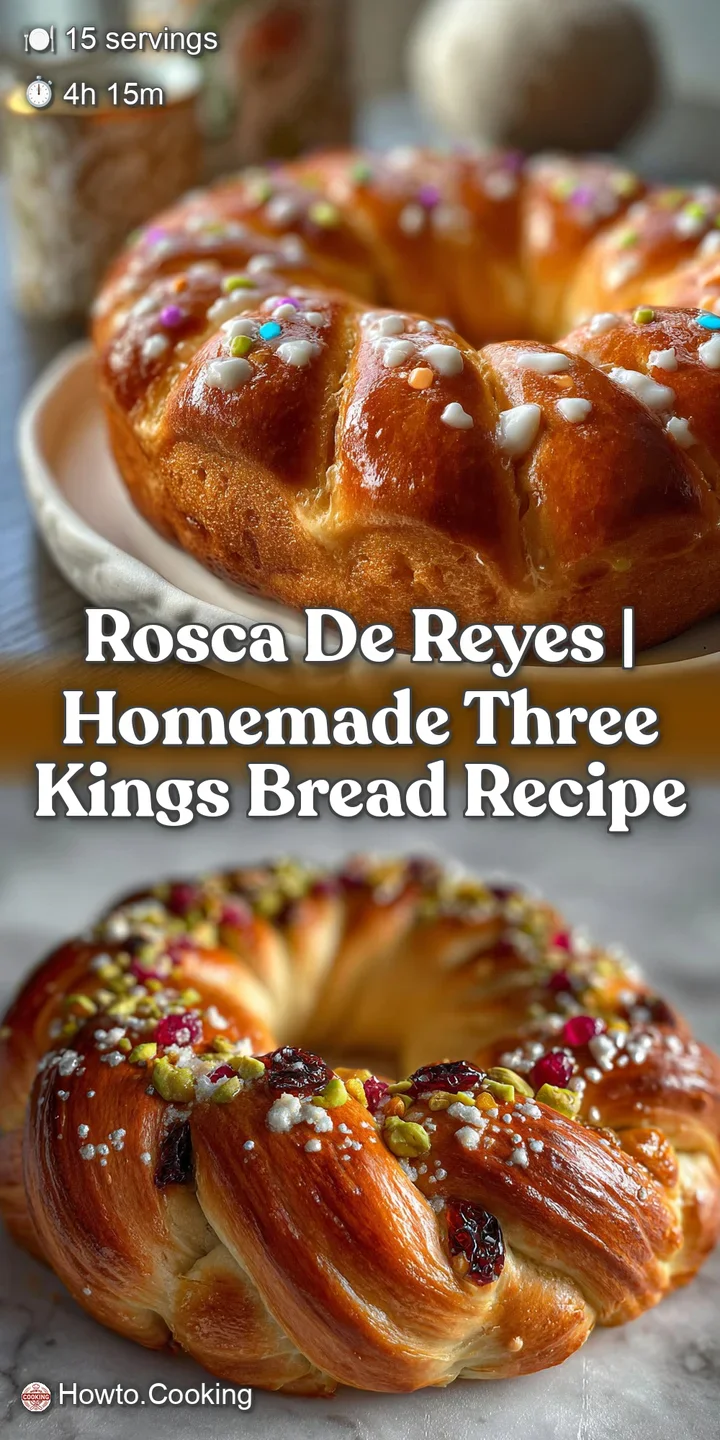
Rosca de Reyes FAQs
What happens when you get the baby Jesus figurine in the Rosca de Reyes?
You are traditionally expected to host the next Rosca de Reyes party. This figurine symbolizes the baby Jesus hidden from Herod. Finding it signifies good luck, but also comes with the responsibility of providing tamales and hot chocolate for a subsequent celebration on Candlemas Day (Día de la Candelaria).
What day do you cut the Rosca de Reyes?
The traditional day to cut and eat Rosca de Reyes is on Three Kings Day, January 6th. This date commemorates the arrival of the Magi to offer gifts to the baby Jesus. However, many families enjoy it throughout the Epiphany season or even on New Year's Day.
Is Rosca de Reyes a Catholic tradition?
Yes, Rosca de Reyes is rooted in Catholic tradition. It commemorates Epiphany, the Christian feast day celebrating the visit of the Three Wise Men (Magi) to the baby Jesus. The oval shape symbolizes a crown, and the hidden figurines represent the infant Jesus.
What do Mexicans eat on Three Kings Day?
Mexicans primarily eat Rosca de Reyes on Three Kings Day. This sweet, oval shaped bread is the centerpiece of the celebration. It's often enjoyed with a side of rich, frothy Mexican hot chocolate.
What is the meaning of the plastic figurines hidden in the Rosca de Reyes?
The hidden figurines represent the baby Jesus. Finding one is considered a sign of good luck, and it also signifies that the finder will traditionally host the next celebration, often on Candlemas Day (February 2nd), providing tamales and hot chocolate.
Can I make Rosca de Reyes ahead of time?
Yes, you can prepare the dough up to 24 hours in advance. After the initial mixing and kneading, cover the dough tightly and let it slow rise in the refrigerator. This enhances flavor and makes it convenient for later baking.
How do I keep my Rosca de Reyes soft?
Ensure proper hydration during mixing and avoid overbaking. The recipe's use of milk, butter, and eggs contributes to a tender crumb. Storing it tightly wrapped in plastic wrap or an airtight container at room temperature helps maintain freshness for up to 3 days.
Rosca De Reyes Recipe
Ingredients:
Instructions:
Nutrition Facts:
| Calories | 341 calories |
|---|---|
| Protein | 6 g |
| Fat | 14.4 g |
| Carbs | 46.7 g |
| Fiber | 1.3 g |
| Sugar | 16.8 g |
| Sodium | 100 mg |
