Sheet Pan Nachos: Crispy & Flavorful
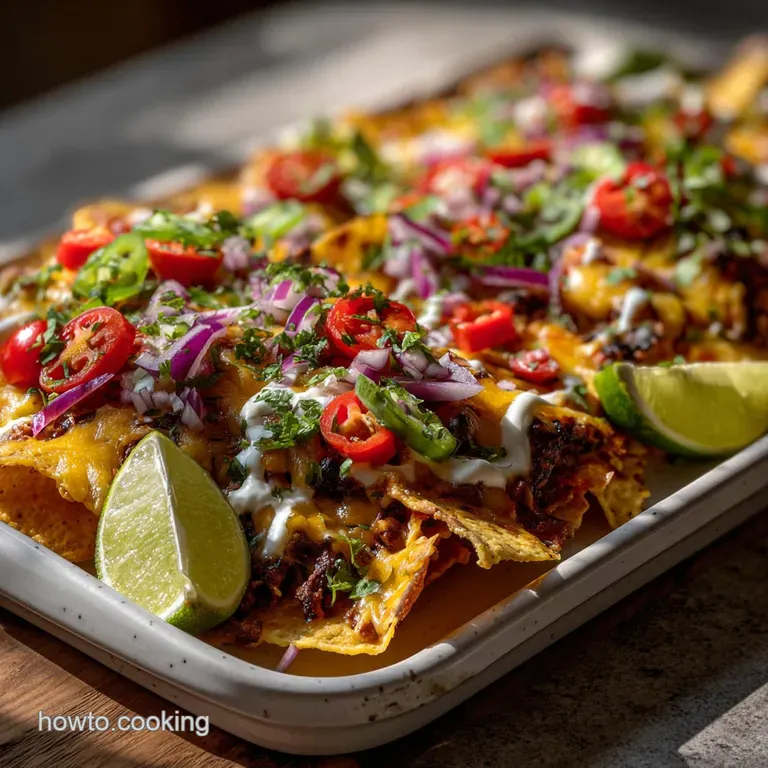
- Time: Active 15 minutes, Passive 15 minutes, Total 30 minutes
- Flavor/Texture Hook: Shatter crisp chips with velvety melted cheese and savory beef
- Perfect for: Game day crowds or a low stress family dinner
- Master the Best Sheet Pan Nachos
- Key Techniques for Crunchy Chips
- Understanding the Core Recipe Specs
- Fresh Elements and Smart Substitutes
- Essential Tools for Success
- Precise Step-By-Step Cooking Guide
- Solving Common Nacho Cooking Problems
- Smart Dietary Adaptations for Everyone
- Practical Storage and Leftover Tips
- Practical Storage and Leftover Tips
- How to Serve and Enjoy
- High in Sodium
- Recipe FAQs
- 📝 Recipe Card
Master the Best Sheet Pan Nachos
You know that heartbreaking sound? Not a breakup, but the sad, silent bend of a soggy nacho. I remember hosting a game night years ago where I piled everything onto a tray, took it out of the oven, and within five minutes, it was a lukewarm, mushy mess.
We ended up eating the toppings with forks while the chips sat there, defeated. It was a culinary disaster I vowed never to repeat.
I spent the next few months obsessing over the architecture of the tray. I realized that dumping a jar of salsa over chips before baking is basically a death sentence for crunch. This version is different. We focus on the "sizzle" of the beef and the "shatter" of a sturdy restaurant style chip.
It’s about building a foundation that can actually hold the weight of the glory you're about to put on top of it.
Trust me, once you see how the Monterey Jack creates a velvety blanket that protects the corn from the vegetable moisture, you'll never go back to the "dump and pray" method. We're going for big flavors and wholesome results without spending a fortune on specialty items.
Let's get into how we make this happen with confidence.
Key Techniques for Crunchy Chips
The Lipid Barrier: Fat from the melted cheese coats the starch in the chips, creating a hydrophobic layer that prevents moisture from the meat and vegetables from soaking in.
Starch Retrogradation: Cooling the beef slightly before adding it to the chips ensures the steam doesn't immediately soften the crisp corn structure.
| Thickness | Internal Temp | Rest Time | Visual Cue |
|---|---|---|---|
| Single Layer | N/A | 2 minutes | Edges turn golden brown |
| Beef Crumbles | 160°F | 3 minutes | No visible pink remains |
| Double Layer | N/A | 5 minutes | Cheese bubbles in center |
If you want a lighter finish, you could serve these alongside a crisp salad, much like how a Simple Apple Pie recipe benefits from a sharp contrast in textures. This meal is all about balancing the heavy, savory notes with fresh, bright finishes.
The Physics of the Crunch
The Secret to these Sheet Pan Nachos is the "Pre Toast." By baking the chips alone for five minutes, you drive out any residual bag moisture and harden the starch.
Understanding the Core Recipe Specs
| Component | Science Role | Pro Secret |
|---|---|---|
| Corn Tortilla Chips | Structural Foundation | Choose "restaurant style" for a thicker, more durable base. |
| Sharp Cheddar | Flavor and Fat | Grate it yourself to avoid the anti clumping cellulose found in bags. |
| Monterey Jack | Moisture Barrier | This cheese has a lower melting point, creating the "velvety" seal. |
| Lean Ground Beef | Savory Protein | Higher protein to fat ratio prevents a "grease pool" on your tray. |
Chef's Tip: Freeze your blocks of cheese for 10 minutes before grating. It makes the Jack much easier to handle and ensures long, beautiful strands that melt more evenly across the chips.
Fresh Elements and Smart Substitutes
- 12 oz sturdy restaurant style corn tortilla chips: Look for bags that feel heavy.
- Substitute: Thick cut pita chips. Why this? They offer a similar crunch but with a sturdier, bready texture.
- 8 oz sharp Cheddar cheese, freshly grated: Provides the punchy saltiness.
- Substitute: Sharp Provolone. Why this? Similar melting point with a slightly more piquant flavor profile.
- 8 oz Monterey Jack cheese, freshly grated: For the ultimate melt.
- Substitute: Mild Muenster cheese. Why this? It melts beautifully and remains extremely creamy when heated.
- 1 lb lean ground beef (90/10): The savory heart of the dish.
- Substitute: Ground turkey or plant based crumbles. Why this? Maintains the texture while shifting the flavor profile.
- 1 tbsp neutral oil: For browning the protein.
- Substitute: Avocado oil. Why this? High smoke point ensures the beef sears rather than steams.
- 2 tbsp taco seasoning: A blend of paprika, cumin, garlic, onion, and chili powder.
- Substitute: Smoked paprika and cumin. Why this? Gives a deeper, wood fired aroma to the beef.
- 1/4 cup water: Helps distribute the spices.
- 1 cup Roma tomatoes, diced and seeded: Adds freshness without the juice.
- 1/2 cup red onion, finely minced: For a sharp, crunchy bite.
- 1/4 cup fresh cilantro, chopped: The essential herbal finish.
- 1 large jalapeño, thinly sliced: Adjust the seeds for heat.
- 1/2 cup sour cream: For a cooling contrast.
- 1/2 cup guacamole: Adds a rich, buttery fat.
Essential Tools for Success
You don't need a professional kitchen, but a rimmed baking sheet is non negotiable here. A flat cookie sheet will let the cheese slide off and onto the bottom of your oven, which is a cleaning nightmare I've lived through.
A heavy bottomed skillet, such as a cast iron piece from Lodge, is also your best friend for getting that beef perfectly browned.
I also highly recommend using parchment paper. Not only does it make cleanup a breeze, but it also prevents the bottom layer of chips from sticking to the metal. If you've ever tried to scrape burnt cheese off a pan, you know why this matters.
This approach allows you to focus on the flavorful results rather than the chores.
Precise step-by-step Cooking Guide
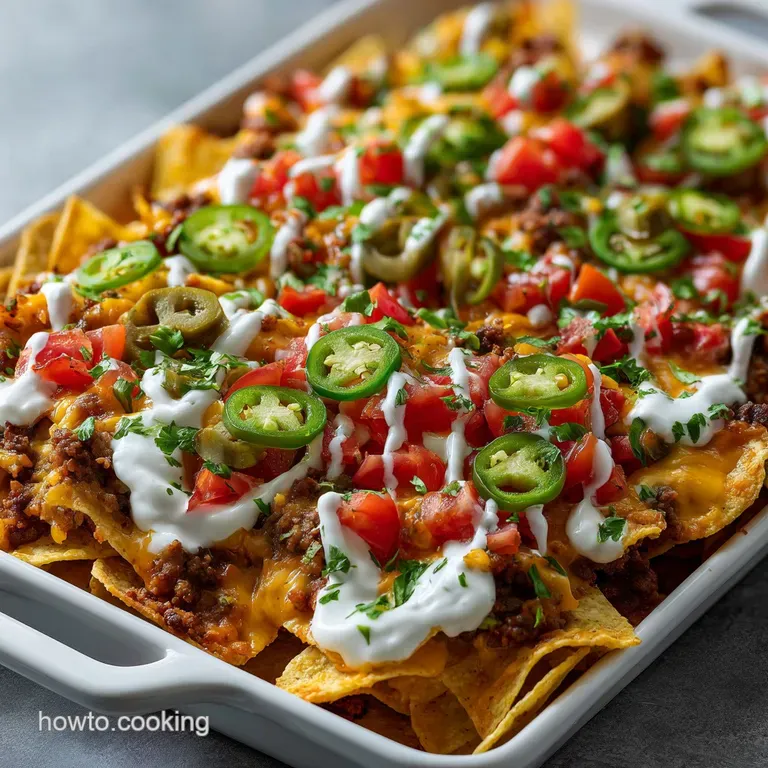
- Preheat the oven. Set your rack to the middle position and heat to 400°F.
- Brown the beef. Heat 1 tbsp neutral oil in a skillet over medium high heat. Add 1 lb lean ground beef. Cook 5 minutes until no pink remains.
- Season the meat. Stir in 2 tbsp taco seasoning and 1/4 cup water. Simmer 3 minutes until liquid evaporates. Note: This prevents the meat from leaking juice onto the chips.
- Toast the chips. Spread 12 oz corn tortilla chips on a parchment lined sheet pan. Bake 5 minutes until aromatic.
- Build the base. Sprinkle half of the 8 oz Cheddar and 8 oz Monterey Jack over the warm chips.
- Add the protein. Evenly distribute the seasoned beef over the first cheese layer.
- Final cheese layer. Top with the remaining cheese and the sliced jalapeño.
- The big melt. Return to the oven and bake 5-7 minutes until cheese is bubbling and edges sizzle.
- Prepare fresh toppings. While the tray is hot, dice 1 cup Roma tomatoes (seeded!) and mince 1/2 cup red onion.
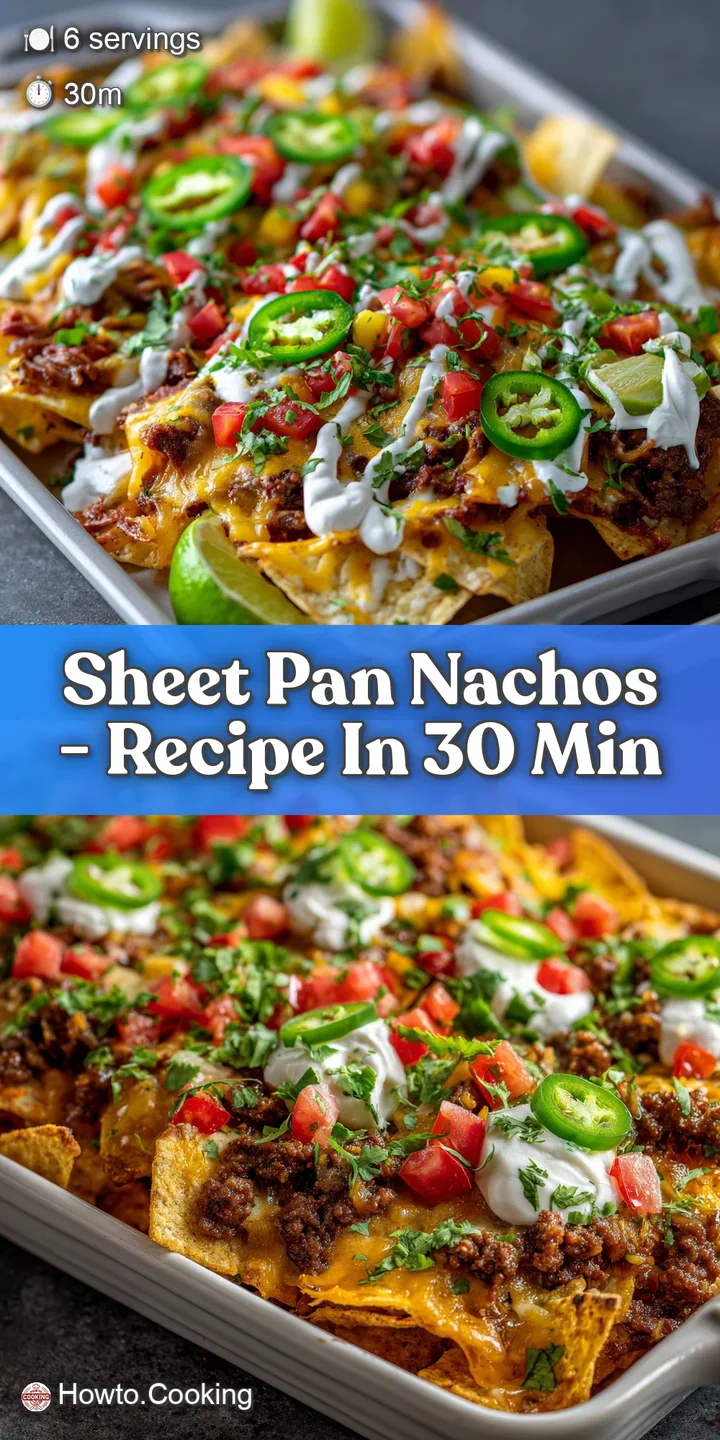
- Garnish and serve. Remove from oven. Top with tomatoes, onion, 1/4 cup cilantro, and dollops of 1/2 cup sour cream and 1/2 cup guacamole.
Solving Common Nacho Cooking Problems
The biggest issue I see is the "Grease Pool." If you use meat with a higher fat content, it will render out in the oven and turn your chips into a sponge. That's why we stick to 90/10 lean beef. If you're feeling adventurous with your protein, you could try the techniques used for the beef in this Royal Ribbons Grilled recipe to ensure a clean, high-quality sear.
Why Your Chips Are Soggy
If your chips aren't holding up, it's usually because the wet toppings were added too early or the meat wasn't drained properly. Starch loves water, and it will pull it from anything nearby.
| Problem | Root Cause | Solution |
|---|---|---|
| Soggy Center | Too many layers of chips | Use a larger pan to spread chips in a thin, even layer. |
| Burnt Cheese | Oven rack too high | Move tray to middle rack and check 2 mins early. |
| Dry Meat | Over simmering water | Stop cooking as soon as the water disappears from the pan. |
Common Mistakes Checklist ✓ Pat the jalapeños dry before adding them to the tray (prevents steam). ✓ Seed the tomatoes thoroughly; the "gel" around the seeds is 90% water. ✓ Never use "taco cheese" in a bag; the cornstarch coating prevents a smooth melt.
✓ Let the beef cool for 3 minutes before putting it on the chips. ✓ Don't skip the pre toasting step for the chips.
Smart Dietary Adaptations for Everyone
Sheet Pan Nachos Vegetarian
Swap the beef for two cans of black beans or pinto beans. Make sure to rinse and dry them completely, then toss them with the taco seasoning in a pan with a little oil to "fry" the skins slightly. This gives them a better texture that mimics the chew of meat.
Sheet Pan Nachos Chicken
Use 1 lb of shredded rotisserie chicken. Toss it with the spices and a tablespoon of lime juice before layering. Since the chicken is already cooked, you only need to bake long enough to melt the cheese and heat the protein through.
dairy-free / Vegan Option
Use a cashew based queso or a high-quality vegan shred. Note: Vegan cheeses often require a higher temperature to melt, so you might need to tent the pan with foil for the first 4 minutes of the final bake to trap heat.
Practical Storage and Leftover Tips
Scaling this recipe is straightforward. If you're cooking for a crowd of 12, use two separate sheet pans rather than one giant pile. This ensures even heat distribution. If you're downscaling for two people, use a toaster oven sized tray and reduce the cook time by about 3 minutes.
| Servings | Chips | Meat | Cheese | Pan Size |
|---|---|---|---|---|
| 2 People | 4 oz | 1/3 lb | 5 oz | Small Tray |
| 6 People | 12 oz | 1 lb | 16 oz | standard 18x13 |
| 12 People | 24 oz | 2 lbs | 32 oz | Two 18x13 pans |
For leftovers, the fridge is your friend for up to 3 days, but the freezer is a no go zone tortilla chips turn into mush when thawed. To reheat, avoid the microwave at all costs. Put them back on a baking sheet at 350°F for 8 minutes.
It won't be as "shatter crisp" as day one, but it'll be far better than a microwave disaster.
Zero Waste Tip: If you have leftover diced onions and cilantro, toss them with a little lime juice and salt to make a quick relish for eggs the next morning.
Practical Storage and Leftover Tips
Myth: You should put the salsa on before baking. Truth: Salsa is mostly water. Baking it causes the liquid to steam the chips from the top down. Always add cold, wet ingredients after the tray leaves the oven for maximum crunch.
Myth: More cheese is always better. Truth: If the cheese layer is too thick, it prevents the heat from reaching the chips in the center, leading to cold spots and uneven texture. Balance is everything.
Myth: You need a special "nacho" cheese sauce. Truth: While queso is flavorful, it's a liquid. For sheet pan versions, freshly grated solid cheese provides the structural integrity needed to pick up a loaded chip without it snapping.
How to Serve and Enjoy
Presentation is everything with a tray this beautiful. I like to bring the whole sheet pan to the table (on a heat proof mat, obviously) and let everyone dive in. It creates a communal, fun vibe that you just don't get with individual plates.
If you're feeling fancy, you can finish with a drizzle of lime juice or some pickled radishes for extra "pop."
If you find yourself with extra cheese and want to keep the baking momentum going, you could always pivot to a Pecan Pie recipe for dessert. There’s something wholesome about a meal that starts with a savory tray and ends with a sweet bake. Whatever you do, make sure you have plenty of napkins good nachos are supposed to be a little messy.
Keep your chips dry, your cheese sharp, and your confidence high. You've got this! Happy cooking, and may your chips never be soggy again.
High in Sodium
945 mg of sodium per serving (41% of daily value)
The American Heart Association recommends limiting sodium intake to no more than 2,300mg per day.
Tips to Reduce Sodium in Your Nachos
-
Low-Sodium Tortilla Chips-20%
Swap regular restaurant style tortilla chips for low-sodium or unsalted varieties. This simple change can significantly reduce the overall sodium content.
-
Reduce Cheese Amount-15%
Carefully measure and slightly reduce the amount of Cheddar and Monterey Jack cheese used. Opt for naturally lower sodium cheeses like Swiss or fresh mozzarella in smaller amounts.
-
DIY Taco Seasoning-25%
Make your own low-sodium taco seasoning blend. store-bought taco seasoning is very high in sodium. Control the sodium by making your own!
-
Fresh Toppings Boost-10%
Increase the proportion of fresh toppings like diced tomatoes, red onion, cilantro, and jalapeño to balance the savory flavors and reduce reliance on sodium.
-
Spice It Up!
Enhance the flavor profile of your nachos with herbs and spices like oregano, smoked paprika, or black pepper. These additions can compensate for the reduction of sodium without sacrificing taste.
Recipe FAQs
What temperature do you cook nachos in a sheet pan?
400°F (200°C) is ideal. This high heat ensures the cheese melts quickly and achieves a delightful bubbling crispness without overcooking the chips.
How do you keep sheet pan nachos from getting soggy?
Create a cheese barrier and avoid wet toppings before baking. Layering a solid cheese melt between the chips and the meat, and adding fresh ingredients like salsa or sour cream after baking, prevents moisture from seeping into the chips.
What toppings go well on sheet pan nachos?
Classic savory and fresh toppings work best. Consider seasoned ground beef or chicken, sharp cheddar and Monterey Jack cheeses, diced tomatoes, red onion, jalapeños, cilantro, sour cream, and guacamole for a balanced flavor profile. You could also explore variations like our Apple Pecan Stuffing for Thanksgiving for a sweet and savory twist.
How do you layer nachos on a sheet pan?
Start with a base layer of chips, followed by half the cheese, then your protein, and finally the remaining cheese. This ensures the cheese melts over the protein and creates that crucial barrier against sogginess.
Some cooks even add a light sprinkle of cheese on the very bottom layer of chips for extra protection.
Can I use frozen ingredients for sheet pan nachos?
No, stick with fresh. Frozen ingredients release excess moisture as they thaw and cook, which is the primary culprit for soggy nachos. Always use fresh produce and properly cooked, drained meats.
What is the secret to perfectly crisp chips?
Pre-toast the chips before adding toppings. Baking the chips alone for about 5 minutes at 400°F drives out any residual moisture and hardens their structure, making them more resilient to toppings.
If you master the heat control here, you’ll excel at other baked goods like a Classic Homemade Pecan Pie.
Should I drain the meat before adding it to the nachos?
Yes, always drain excess fat. Greasy meat will render further in the oven, creating a pool of oil that will inevitably soak into your chips, leading to sogginess. Browning lean ground beef and letting it cool slightly before topping the chips is key.
Sheet Pan Nachos
Ingredients:
Instructions:
Nutrition Facts:
| Calories | 812 calories |
|---|---|
| Protein | 37.5 g |
| Fat | 54.4 g |
| Carbs | 41.8 g |
| Fiber | 5.2 g |
| Sugar | 3.8 g |
| Sodium | 945 mg |
