Corn Tortillas: Simple Authentic Homemade Recipe
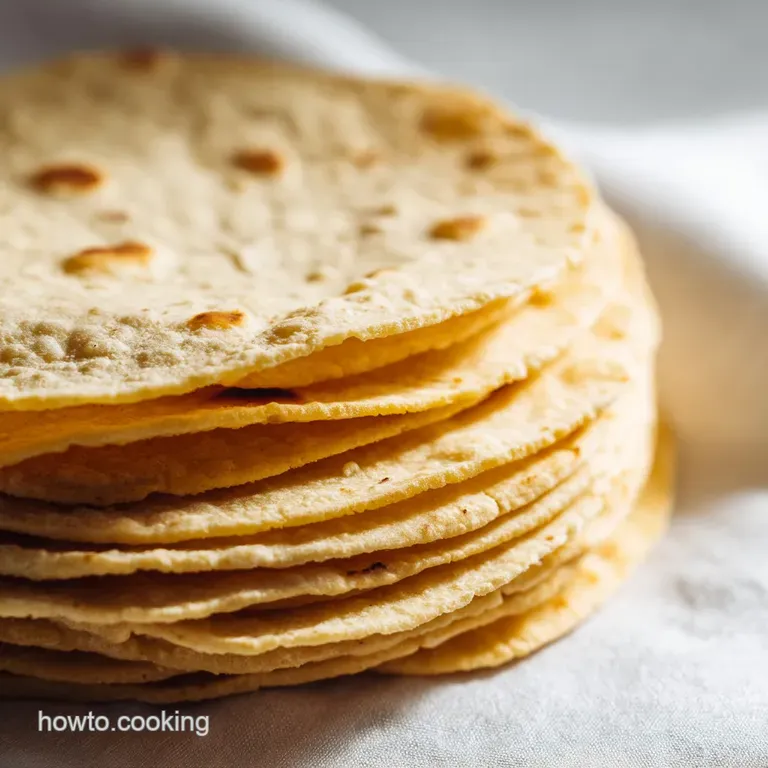
- Unlocking Authentic Flavor: The Magic of Homemade Corn Tortillas
- Essential Pantry Staples for Traditional Corn Tortillas
- The Science of Sublime Texture: Achieving the Perfect Puff (El Soplo)
- Shaping Success: A Step-by-Step Guide to Perfect Discs
- Troubleshooting and Expert Tortilla Technique
- Maximizing Freshness: Storage and Reheating Methods
- Versatile Uses for Your Homemade Corn Tortillas
- Recipe FAQs
- 📝 Recipe Card
Unlocking Authentic Flavor: The Magic of Homemade Corn Tortillas
That aroma. Oh, man, that aroma! When you first toss a raw disc of fresh corn dough onto a scorching hot surface, the immediate smell of toasted, earthy corn is primal and perfect.
It's the scent of true Mexican cooking, and if you’ve only ever had the stiff, shelf stable versions from the grocery store, you truly haven't lived.
Making them yourself sounds like some kind of ancient, intimidating ritual, right? Absolutely not. This recipe for authentic, pliable Corn Tortillas requires exactly two main ingredients and about an hour of your time, proving that the most essential foods are often the simplest.
Trust me, the sheer satisfaction of seeing your own tortilla puff up into a perfect pillow on the comal is worth the minimal effort.
I used to be intimidated, too, until I realized the key is pure, unadulterated dedication to hydration. Once you master the playdough consistency, you unlock a whole new world. Get ready, because these fresh, fragrant Corn Tortillas are about to be the foundation for every amazing thing you eat this week.
The Foundation of Mesoamerican Cuisine
You hear people talking about homemade Corn Tortillas all the time, but they rarely mention the secret sauce: nixtamalization. This isn't just grinding up corn; it’s a specific, ancient process.
Masa Harina: Understanding Nixtamalized Corn Flour
If you try to make these with regular yellow cornmeal, you’re going to get crumbly cornbread, not a tortilla. True Corn Tortillas require masa harina , which is corn treated with an alkaline solution (usually lime, or calcium hydroxide).
This process, called nixtamalization, changes the corn’s structure, releasing the essential flavor and making it sticky enough to form a dough that holds together. This is non-negotiable. If the bag doesn't say "masa harina," put it down and walk away.
Why store-bought Discs Can Never Compare
Commercial tortillas are engineered for longevity, not flavor or texture. They are drier, often contain preservatives, and definitely lack the beautiful, soft pliability you get from homemade ones. When you’re crafting your own meal, why compromise the very vehicle that delivers the flavor?
The moment you peel a fresh, steaming hot, soft Corn Tortillas from the comal, you’ll understand why.
Essential Pantry Staples for Traditional Corn Tortillas
This list is gloriously short. We aren't adding any mystery ingredients, just the basics necessary to make incredible Corn Tortillas that puff beautifully.
| Ingredient | Role | Substitute/Note |
|---|---|---|
| Masa Harina (Maseca preferred) | The foundation; nixtamalized corn flour. | Absolutely none. You must use masa harina. |
| Fine Sea Salt | Enhances the corn's natural sweetness. | Kosher salt is fine, but grind it slightly finer so it incorporates evenly. |
| Warm Water (~105°F / 40°C) | Hydration; unlocks the dough's structure. | Use filtered water if your tap water has a strong chemical taste, which can affect the final flavor. |
Chef's Note: Warm water matters! It helps the masa harina absorb the moisture much faster and more completely than cold water, leading to a much smoother, more pliable dough after resting.
The Science of Sublime Texture: Achieving the Perfect Puff (El Soplo)
The difference between a good taco and a phenomenal taco often comes down to the quality of the tortilla. We want soft, fragrant, flexible discs that fold without cracking. This starts long before you hit the heat.
Sourcing the Best Quality Masa Harina
I’m a Maseca devotee, but there are several excellent brands now available. Don't skimp here. high-quality masa is the key to achieving that elusive, perfect "soplo" the puff that happens when the tortilla steams internally.
These fresh Corn Tortillas taste so much better when the foundation is solid.
Salt and Water Quality Considerations
While we are only using a small amount of salt, it plays a vital role. It doesn’t just make the dough taste better; it controls the way the water interacts with the corn starches, influencing the final elasticity. As mentioned, use warm water, and if you live in a place with hard water, consider filtering it.
Hydration Ratios: Key to Dough Elasticity
This is the hardest part for beginners, and where I personally failed a dozen times. The recipe calls for 1 1/2 cups of water for 2 cups of masa, but atmospheric humidity and the specific brand of masa will change this. Your goal is a smooth, firm dough that does not crack at the edges when you press it.
Too dry, and it crumbles. Too wet, and it sticks to the plastic and never firms up on the comal.
The Role of Rest Time in Optimal Dough Structure
I know, I know. Waiting is annoying. But resting the dough for 30 minutes is mandatory. During this time, the masa harina fully absorbs the water, stabilizing the starches and making the dough incredibly workable.
Skipping this step results in stiff, brittle Corn Tortillas that refuse to puff.
Shaping Success: A step-by-step Guide to Perfect Discs
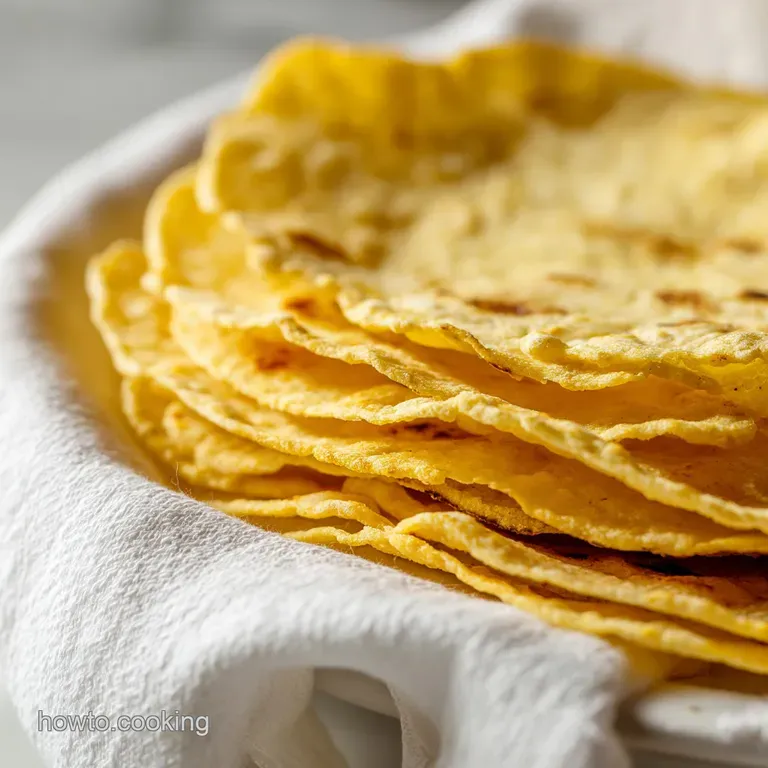
Once the dough has rested, it's go-time. This phase requires speed and confidence.
Mixing the Dough: Achieving the Play Doh Consistency
- Combine Dry Ingredients: In a large bowl, whisk together the 2 cups of masa harina and 1/2 teaspoon of salt.
- Add Water Gradually: Pour 1 1/4 cups of warm water into the masa and mix with your hands until the dough comes together in a shaggy mass.
- Knead and Adjust: Knead gently for about 3 minutes. If the dough feels too dry and crumbly, add the remaining 1/4 cup of water, one tablespoon at a time, kneading after each addition. The final texture should resemble firm, slightly tacky playdough that is soft but doesn't stick to your hands.
- Rest the Dough: Cover the bowl with a slightly damp tea towel and let it rest for 30 minutes. Remember to keep the dough covered at all times, even while you’re cooking.
Portioning and Shaping the Balls (Ensuring Uniformity)
Preheat your comal or cast iron skillet over medium high heat now. It needs to be screaming hot, and you must resist the urge to grease it. Break off a piece of dough and roll it into a smooth, golf ball sized sphere, about 30 35 grams. Uniformity is key for even cooking!
I like to line up all my dough balls before I start pressing, which speeds up the whole process of making these soft Corn Tortillas .
The Art of the Press: Using Wax Paper and Even Pressure
If you have a tortilla press, this is easy. If you don't, you can use two cutting boards or skillets, but it requires more muscle. Cut thin plastic liners from a Ziploc bag plastic is crucial because parchment or wax paper sticks to the masa dough.
Place the dough ball slightly off-center on the bottom liner, cover with the top liner, and press firmly and evenly. Open the press and gently peel the Corn Tortillas off the plastic liner quickly. If it tears, your dough is too dry.
Cooking on the Comal: Mastering the Three Flip Method
The secret to pliable, perfect Corn Tortillas that don't dry out is the three flip method.
- Flip 1 (15 20 seconds): Lay the raw tortilla onto the dry, hot surface. Cook just until the edges look dry and it releases easily when you nudge it.
- Flip 2 (45 60 seconds): Flip it over. Cook this side until you start seeing small, light brown spots appear. This is developing the flavor and setting the dough structure.
- Flip 3 (30 45 seconds + Puff): Flip it one last time. This is where you might need to help it along. Gently press down on the edges with a spatula or tongs. Steam will build up inside, causing the tortilla to puff like a pita pocket the "soplo." This steam cooks the inside perfectly, keeping the homemade Corn Tortillas wonderfully soft.
- Wrap Immediately: Transfer the cooked tortilla straight into a basket lined with a clean, slightly damp towel. Fold the towel over to trap the steam. This steaming step is essential for maximum pliability.
Troubleshooting and Expert Tortilla Technique
Don't panic if your first batch isn't perfect. I once made an entire dozen that were too dry and shattered like glass when I tried to fold them. It happens! These quick tips will save your next batch of Corn Tortillas .
Fixing Dough That Cracks or Crumbles
If your dough cracks when you press it, it means your dough is thirsty. Add warm water, one teaspoon at a time, and knead it back in until the crack test passes. If it’s sticky and wet, add a teaspoon of masa harina. The perfect dough for pliable Corn Tortillas is a fine balance!
Preventing Sticking Without Adding Fat
The key is the plastic liners and dough consistency. You should never cook Corn Tortillas with oil or butter; they need high, dry heat to cook properly and puff. If the dough is sticking to the plastic, it is too wet.
If it is sticking to the comal, either your comal isn't hot enough, or you flipped it too early on the first side. Wait for that edge release!
Is Your Comal Hot Enough? The Temperature Check
The comal needs to be very hot around 400°F (200°C). If you splash a drop of water, it should sizzle violently and evaporate instantly. If the pan isn't hot enough, the Corn Tortillas will just dry out and become leathery instead of setting up and puffing.
Maximizing Freshness: Storage and Reheating Methods
You’ve gone to all this effort to make incredible, soft Corn Tortillas ; let's make sure they stay that way!
Short Term Storage: Keeping Cooked Tortillas Soft
The towel method is your friend. Keep them wrapped tightly in a damp towel in a sealed container or Ziploc bag at room temperature for up to two days. For longer storage (up to five days), transfer the wrapped stack to the refrigerator.
How to Freeze Raw Dough vs. Cooked Discs
You can freeze cooked Corn Tortillas easily. Let them cool completely, then stack them with small squares of parchment paper between each one to prevent sticking. Wrap the stack tightly in plastic wrap and foil and freeze for up to three months. Thaw overnight in the fridge.
Tip: I don't recommend freezing raw dough. The starches change when frozen, making the resulting Corn Tortillas less pliable and prone to cracking when pressed after thawing. Stick to freezing the cooked discs.
Ideal Structure for Tacos and Enchiladas
When reheating, steam is mandatory. Place the refrigerated or thawed stack (still wrapped in a damp cloth) in a steamer basket over simmering water for about 5 minutes, or wrap them loosely in a slightly damp paper towel and microwave for 30 seconds at a time until hot and floppy.
This restores the beautiful pliability of your homemade Corn Tortillas .
Versatile Uses for Your Homemade Corn Tortillas
You’ve made a mountain of amazing Corn Tortillas . Now what? These pliable discs are the perfect starting point for so many incredible dishes.
Of course, the immediate answer is Tacos! Fill them with slow cooked meats or whatever vegetable filling your heart desires. But if you have extras, think beyond the fold. Cut them up and fry them for incredible homemade chips (just slice them into triangles and fry until crisp for nachos).
If you are looking for other ways to use up that gorgeous masa harina, consider making a batch of Savory Corn Pudding: The Ultimate Creamy Cheddar Jalapeño Side Dish — it pairs beautifully with tacos. Or, if you want something fresh to pile on top of these incredibly soft Corn Tortillas , try my recipe for Corn Tomato Avocado Salad Recipe with Zesty Lime Vinaigrette .
Honestly, once you start making these incredibly fresh Corn Tortillas at home, you won't look back. It's a skill that pays off every single time. Happy cooking!
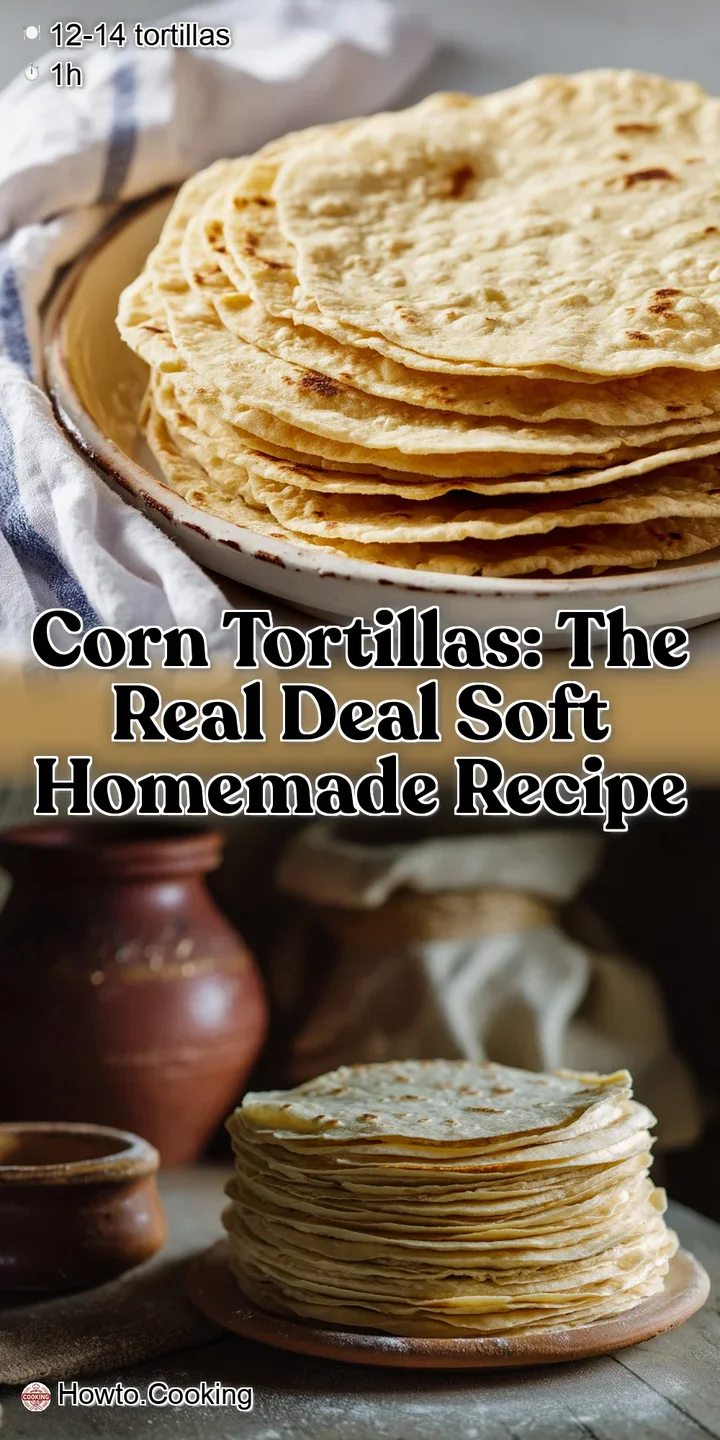
Recipe FAQs
Why is my masa dough cracking around the edges when I try to press the tortillas?
Cracking is the clearest sign that your dough is insufficiently hydrated and is too dry. Gradually add more warm water to the dough, kneading it in one tablespoon at a time until the dough ball feels pliable, soft like Play Doh, and doesn't show cracks when lightly squeezed.
My tortillas won't puff up on the comal (griddle). What crucial step am I missing?
Puffing, or “ballooning,” occurs when steam is trapped, indicating perfect hydration and proper heat transference. Ensure your griddle is screaming hot and follow the strict three stage cooking process: 30 seconds on the first side, 60 seconds on the second, and then 30 seconds on the third flip to encourage the center to fill with air.
Can I use regular cornmeal or all-purpose flour if I don’t have masa harina?
No, masa harina is non-negotiable for authentic corn tortillas because it has been nixtamalized, a process that treats the corn with an alkaline solution. Regular cornmeal or flour will not hydrate in the same manner, resulting in a gritty, crumbly dough that cannot hold together or be pressed correctly.
My finished tortillas are stiff, brittle, and not pliable. How do I achieve soft tortillas?
Stiffness is usually caused by overcooking, which evaporates too much internal moisture, or cooking at too low a temperature. To retain softness, cook them quickly on a hot surface and immediately transfer the hot tortillas into a container or basket lined with a clean towel to trap the steam, which keeps them supple.
What is the best way to store fresh corn tortillas, and can I freeze them?
Fresh tortillas are best eaten within 1 2 days; store them wrapped tightly in a clean kitchen towel inside a sealed plastic bag in the refrigerator. To freeze, stack them with small squares of parchment paper between each, wrap the stack thoroughly in foil, and they will keep for up to three months.
Do I absolutely need a traditional tortilla press, or can I roll the dough out by hand?
While a dedicated press ensures speed and uniform thickness, you can easily roll them out by hand using a rolling pin. Ensure the dough ball is placed between two pieces of sturdy plastic wrap or parchment paper to prevent sticking and roll carefully to an even 1/16th inch thickness.
Can I add flavors or colors to the masa dough for variety?
Yes, adding flavorings is a wonderful way to elevate your tortillas. You can substitute a small portion of the water with pureed cooked ingredients like spinach (for green) or cooked beets (for red) to change the color.
You can also knead finely ground dried chiles, like ancho or guajillo, into the dry masa for subtle heat and flavor complexity.
Simple Homemade Corn Tortillas
Ingredients:
Instructions:
Nutrition Facts:
| Calories | 245 kcal |
|---|---|
| Protein | 0.0 g |
| Fat | 0.2 g |
| Carbs | 58.3 g |
