The Weeknight Hero Slow Cooker Balsamic Rosemary Pork Tenderloin
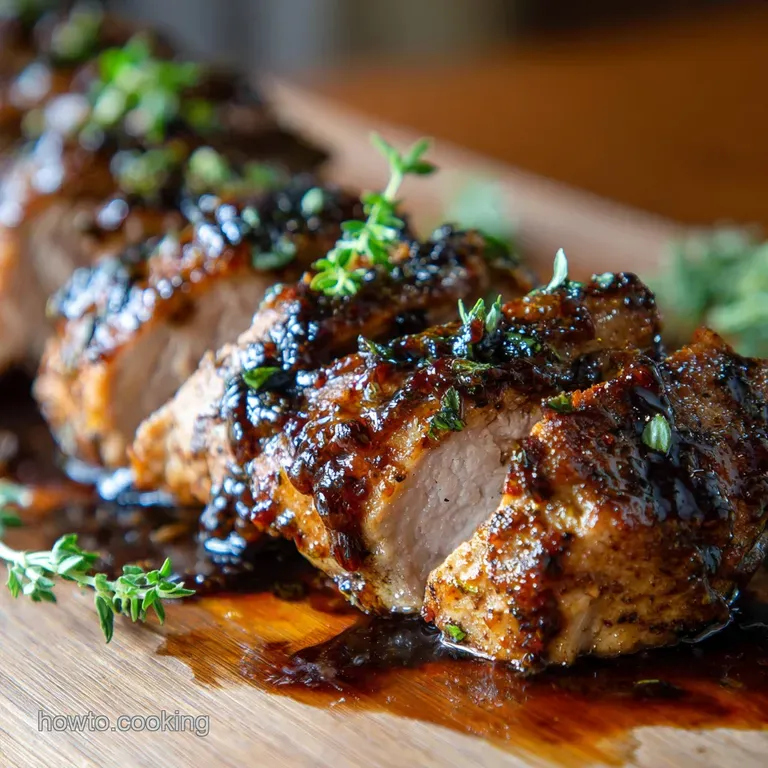
- The Myth Debunked: Why Lean Cuts Love Low Heat
- Elevating the Everyday: Your New Favourite Slow Cooker Pork Tenderloin
- Gathering Your Kitchen Heroes: Essential Components
- The Simple Setup: Tools and Prep Needed
- The Step-by-Step Culinary Journey
- Achieving Perfection: Searing, Cooking, and Resting
- Optimizing Your Cook: Troubleshooting and Expert Tips
- Meal Planning and Flexibility: Storage, Reheating, and Sides
- Recipe FAQs
- 📝 Recipe Card
The Myth Debunked: Why Lean Cuts Love Low Heat
The common kitchen wisdom often limits the slow cooker solely to budget cuts that need hours to break down connective tissue like brisket or shoulder roasts. We are here to prove that a lean, delicate cut like pork tenderloin is arguably one of the best candidates for this appliance, provided you adjust the time significantly.
When monitored correctly, the sealed, moist heat of the slow cooker prevents the evaporation that typically dries out lean muscle tissue in a conventional oven. This gentle method allows the full flavour of the marinade to permeate the meat, resulting in exceptionally tenderloin recipes without the toughness.
Elevating the Everyday: Your New Favourite Slow Cooker Pork Tenderloin
This Balsamic Glazed Pork Tenderloin is specifically designed to fit seamlessly into busy schedules without compromising complexity or richness. We utilize the gentle cooking environment to infuse the pork with deep, aromatic notes of rosemary and tangy balsamic vinegar.
It is undoubtedly an instant classic among the repertoire of Easy Pork Tenderloin Recipes, demanding minimal effort for a truly sophisticated flavour.
Juicy Results: Preventing the Pork from Drying Out
The secret to achieving remarkably juicy results lies in resisting the urge to overcook this delicate meat. Unlike tougher cuts that require extended periods to tenderize, the pork tenderloin requires swift, precise cooking to maintain its natural moisture content.
The generous liquid base of chicken stock and balsamic glaze simultaneously bastes the meat, creating a humid pocket inside the slow cooker that locks in those precious juices.
The Secret Weapon: Balsamic Glaze and Short Cooking Times
The rich, acidic balsamic glaze acts as both a flavour enhancer and a protective barrier against dryness during the cooking process. This high acid environment tenderizes the exterior slightly while the dark sugar component promotes a beautiful, glossy finish during the final minutes of cooking.
Crucially, we limit the cook time to only two and a half hours on the LOW setting, which is vital for perfecting these specific Pork Tenderloin Crock Pot Recipes.
Flavour Profile: Sweet, Savoury, and Herbaceous Notes
Our carefully constructed glaze balances the intense sweetness of brown sugar with the potent tang of aged balsamic vinegar. A crucial layer of savoury depth is provided by Dijon mustard and fresh minced garlic, elevating the simple meat flavour significantly.
Finally, dried rosemary and thyme deliver classic herbaceous notes that perfectly complement the sweetness, creating a complex and deeply satisfying Slow Cooker Recipes Pork dish.
Gathering Your Kitchen Heroes: Essential Components
Success starts with securing two large pork tenderloins, totaling approximately 1 kilogram (2.2 pounds), which fits neatly inside a standard four quart crock pot. For the foundation of the marinade, you will need a half cup each of quality balsamic vinegar and low-sodium chicken stock.
We then build the flavour using a robust combination of spices, including one teaspoon of dried rosemary, a half teaspoon of dried thyme, and a crucial teaspoon of smoked paprika for earthy warmth.
The Simple Setup: Tools and Prep Needed
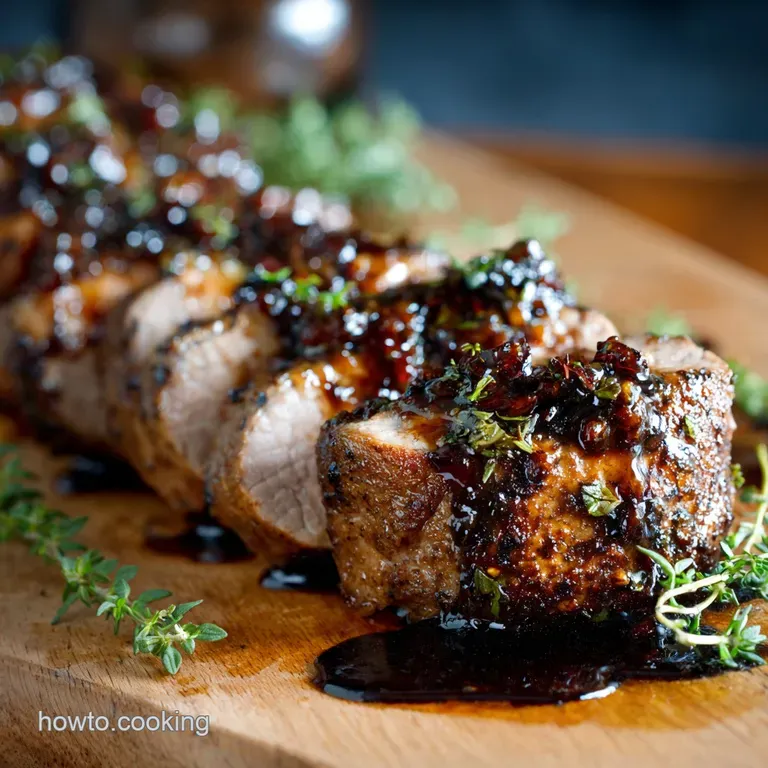
Preparation for this Easy Dinner Recipes Crockpot only requires about 15 minutes of active time, mostly spent trimming the silver skin off the pork and assembling the rich glaze.
Essential equipment includes a sturdy slow cooker, ideally a minimum of four quarts, and a heavy bottomed skillet for the crucial searing step. Having an instant read meat thermometer readily available is absolutely non-negotiable for achieving perfect results with any lean cut of meat.
Selecting the Ideal Tenderloin Cut (Size Matters)
Always look for actual pork tenderloin, which is long, thin, and very lean, distinguishing it from the much thicker, fattier boneless Pork Loin Roast. Our recipe calls for two pieces, totaling around 2.2 pounds (1 kg), which is the perfect amount to bathe fully in the glaze without overcrowding the slow cooker.
Proper sizing ensures consistent heat distribution and prevents one end of the meat from drying out prematurely while the centre cooks.
The Tangy Triumvirate: Building the Perfect Glaze Base
The glaze base relies on three key elements to create that signature sweet and tangy flavour profile. Half a cup of high-quality balsamic vinegar provides the necessary acidity and deep colour, while an equal amount of low-sodium chicken stock prevents the sauce from becoming overwhelmingly thick or reduced too quickly.
The final component, a quarter cup of packed brown sugar, ensures the glaze achieves that gorgeous caramelization and necessary viscosity.
Required Equipment for a Perfect Slow Cooker Pork Tenderloin
While the slow cooker does the heavy lifting, supplemental tools ensure that proper technique can be maintained for this sensitive cut. A cast iron or heavy skillet is paramount for generating high heat during the searing phase.
We also need dedicated measuring tools and a small whisk for preparing the optional cornstarch slurry to thicken the final sauce.
| Essential Tool | Purpose |
|---|---|
| Instant Read Thermometer | Guarantees safe and optimal 63° C ( 145° F) internal temperature. |
| Heavy Skillet | Enables the critical Maillard searing reaction for deep flavour. |
| 4-Quart Slow Cooker | Provides the ideal size for two tenderloins without crowding. |
Smart Substitutions: Switching Out Herbs and Sweeteners
If dried rosemary is unavailable, fresh sage or marjoram can provide a similar woodsy, aromatic contrast to the sweet and tangy glaze. Similarly, those avoiding refined sugar can effortlessly swap the brown sugar for an equal volume of pure maple syrup or even dark honey.
Utilizing these substitutions allows home cooks to tailor the dish perfectly to their pantry contents or specific dietary needs.
Related Recipes Worth Trying
- Proper Beef Barley Soup Deeply Savoury Old Fashioned Slow Simmer — This Old Fashioned Vegetable Beef Barley Soup is a proper hug in a bowl Learn the secret to deep savoury flavour through searing and slow simmering A truly...
- Our Ultimate SlowSimmered Beef Vegetable Soup Recipe — Forget flimsy broth This Easy Homemade Vegetable Beef Soup features forktender chuck and a deeply rich concentrated broth The ultimate Comfort Food Recipe
- Crispy Fried Pork Chops Recipe BoneIn and Moist Every Time — The secret to truly crispy fried pork chops with flour is chilling Learn the proper technique for moist crunchy bonein chops that never fall apart
The step-by-step Culinary Journey
Your culinary journey begins by meticulously patting the pork dry and seasoning it thoroughly with salt, pepper, and a touch of smoked paprika for earthy warmth. Next, the essential searing step takes place, creating the foundational flavour crust before the meat is transferred to the slow cooker basin.
Once the rich glaze ingredients are whisked together balsamic, stock, sugar, garlic, and herbs the active preparation phase is complete, setting the stage for the slow cooker to take over the work.
This streamlined process makes preparing Slow Cooker Pork Loin exceptionally manageable even on the busiest weeknights.
Achieving Perfection: Searing, Cooking, and Resting
Achieving truly restaurant quality meat relies on executing three key steps: proper searing, precise temperature monitoring, and the mandatory rest period. These techniques ensure the ultimate texture and maximum flavour extraction, elevating this simple preparation far beyond basic Slow Cooker Recipes Pork.
Neglecting any of these critical phases will compromise the final succulent and tender result.
Phase One: Preparing and Seasoning the Pork
Begin by identifying and removing the tough, silvery connective tissue known as silver skin from the tenderloin, as this will not break down during the short cooking time and remains chewy.
Once properly trimmed, the pork should be generously rubbed with the salt, pepper, and smoked paprika mixture, ensuring all surfaces are coated evenly. This initial layer of dry seasoning is essential for building deep flavour before the application of the acidic glaze.
The Crucial Searing Stage (Why We Don't Skip It)
Searing is the single most important active step in this entire recipe, as it develops the coveted Maillard reaction, yielding hundreds of complex, savory new flavour compounds. You must heat the olive oil until shimmering hot, then sear the tenderloins undisturbed for two to three minutes per side until a deep golden crust forms.
This crust prevents the balsamic glaze from simply boiling the meat and instead locks in the surface flavour for a far more robust finish.
Expert Warning: Do not overcrowd the pan when searing. If necessary, sear the two tenderloins individually in batches to ensure maximum surface contact and deep browning, rather than steaming the meat.
Setting the Slow Cooker and Monitoring Internal Temperature
After transferring the seared pork and glaze liquid to the slow cooker, set the temperature strictly to LOW for the 2 to 2.5 hour duration. Timing is less important than temperature here; the pork is finished immediately when the internal reading hits 63° C ( 145° F) at its thickest part.
Remove the meat promptly upon reaching this target to guarantee it remains wonderfully juicy, avoiding the typical dry outcome of improperly managed Slow Cooker Pork Loin.
The Essential 10-Minute Rest and Slicing Techniques
Once removed from the heat, the pork must rest, loosely tented with foil, for a full ten minutes on a cutting board. This rest period allows the internal muscle fibers to relax and reabsorb the collected moisture, preventing the juices from running out onto the plate when sliced.
When slicing, always cut the tenderloin against the grain into medallions about one centimeter thick to maximize the perception of tenderness in every bite.
Optimizing Your Cook: Troubleshooting and Expert Tips
Even experienced cooks can benefit from optimizing their process, especially when tackling lean meats in a moist heat environment. To ensure continued success with these Tenderloin Recipes, focus intensely on the temperature management, as this is the primary point of failure for many home cooks.
If you choose to thicken the glaze, remember to use a cold cornstarch slurry mixed well into the simmering cooking liquid, which prevents lumps from forming.
Meal Planning and Flexibility: Storage, Reheating, and Sides
This recipe provides excellent yield for meal planning, offering six generous servings that store exceptionally well, making it a stellar option for Easy Dinner Recipes Crockpot preparation.
Properly cooled leftovers should be refrigerated within two hours of cooking and can be easily repurposed for unique second day meals. Serving the pork alongside creamy mashed potatoes or rice ensures none of the rich balsamic glaze goes to waste.
Preventing Toughness: Adjusting Timing for Different Slow Cookers
Slow cookers vary widely in temperature regulation, with some running much hotter than others, which can be disastrous for a quick cooking lean cut. If you know your specific appliance tends to run high, begin checking the internal temperature after just 90 minutes on the LOW setting to ensure optimal doneness.
Always trust the thermometer over the clock time to guarantee tenderness and prevent accidental overcooking.
Expert Tips for Timing:
- Use the LOW setting exclusively for this recipe to maximize tenderness.
- Avoid lifting the lid unnecessarily, as this drastically prolongs the necessary cooking time.
- If cooking multiple batches, allow the slow cooker to cool completely before starting the next batch.
Reimagining Leftovers: Creative Second Day Meals
Leftover pork tenderloin slices are delicious cold in sandwiches the next day, particularly when paired with sharp cheddar cheese and a tangy pickle relish. Alternatively, dice the cold pork and toss it into a quick, vibrant Slow Cooker Pork Tenderloin with Vegetables stir fry, adding the pre-cooked meat at the very end to avoid drying it out.
The concentrated leftover balsamic glaze also makes an incredible, tangy dressing base for a simple mixed green salad.
Nutritional Snapshot and Allergen Modifications
Pork tenderloin is naturally lean, making this a high protein, relatively low-fat option, especially when the glaze usage is moderately portioned among the servings. The primary potential allergen is gluten or soy if using standard chicken stock; thus, source certified gluten-free or low-sodium stock if necessary for sensitive diners.
This recipe is naturally dairy-free and nut-free, making it highly adaptable for many common dietary restrictions.
Suggested Pairings: Complementary Sides for Slow Cooker Pork
The deeply flavoured balsamic glaze begs for a porous side dish capable of soaking up every drop of liquid gold. The classic combination of Slow Cooker Pork Tenderloin and Potatoes is achieved beautifully by serving it over a cloud of creamy mashed potatoes or alongside simple roasted fingerling potatoes.
For a lighter contrast, steamed green beans tossed with toasted almonds and lemon zest provide the perfect fresh balance to the richness of the slow cooked meat.

Recipe FAQs
Why is the cooking time for this Slow Cooker Pork Tenderloin so much shorter than a usual slow cooker recipe?
Unlike tough shoulder joints, pork tenderloin is exceptionally lean, so cooking it for too long will turn it drier than the Sahara. We are only aiming to get the internal temperature up to 63°C (145°F) for maximum juiciness, which happens quickly in the slow cooker it’s not a cut you can "set and forget" all day.
Do I really need to sear the meat first, or can I skip that bit?
Absolutely! Skipping the sear is a cardinal sin in slow cooking; that quick sizzle creates the rich, deep 'umami' flavour (the Maillard reaction) that a slow cooker alone cannot achieve. It takes only a few minutes and is vital for developing that proper Sunday lunch depth.
My balsamic sauce is too runny! What can I do to get that lovely glaze finish?
Not to worry, that’s where the cornflour slurry (cornstarch and cold water) comes in pour the slow cooker liquid into a saucepan, bring it to a simmer, whisk in the slurry, and let it bubble for a minute until it thickens up beautifully into that glorious glaze, Bob’s your uncle!
Can I use a regular boneless pork loin roast instead of the tenderloin?
You can indeed use a pork loin roast, but since it is thicker and denser than tenderloin, you will need to increase the cooking time by at least 1 to 1.5 hours on the LOW setting. Always use a thermometer to check it hits 63°C (145°F) before carving, as overcooking it will make it tough.
How should I store the leftovers and how long will they keep?
Once completely cooled, leftovers should be stored in an airtight container with any remaining glaze and kept in the fridge for up to 3 4 days. If you've made a big batch, you can slice and freeze portions (with a wee bit of sauce) for up to three months.
Slow Cooker Balsamic Pork Tenderloin
Ingredients:
Instructions:
Nutrition Facts:
| Calories | 21351 kcal |
|---|---|
| Protein | 193.8 g |
| Fat | 44.9 g |
| Carbs | 897.2 g |
| Fiber | 7.4 g |
| Sugar | 727.4 g |
| Sodium | 2840 mg |
