Southern Sweet Potato Pone: Our Best Molasses and Ginger Custard Bake
- Unpacking the Southern Sweet Potato Pone: A Culinary Heritage
- Mastering the Molasses and Ginger: The Science of Texture
- Essential Pantry List: Ingredients for the Perfect Southern Sweet Potato Pone
- The Method: Step-by-Step Guide to Baking Sweet Potato Pone
- Troubleshooting Your Pone: Chef’s Tips and Avoiding Density Issues
- Storage Solutions: Making and Keeping Southern Sweet Potato Pone
- Serving the Southern Sweet Potato Pone: Complementary Pairings
- Recipe FAQs
- 📝 Recipe Card
Unpacking the Southern Sweet Potato Pone: A Culinary Heritage
When that first sharp chill hits the air, my kitchen starts smelling like a bakery explosion of cinnamon and molasses. Honestly, the aroma of a Southern Sweet Potato Pone baking is pure, instant comfort food magic. It’s dense, moist, intensely spiced, and unlike any pie or pudding you have ever tried.
This old-fashioned recipe is a true lifesaver when the holidays hit because there is absolutely no crust involved. Skip the fiddly pastry and the chilling time, which saves you a good hour of stress right there.
Plus, it uses pantry staples and affordable sweet potatoes, making it way cheaper than that fancy fruitcake recipe I attempted last year.
Forget those dry, crumbly versions you might have encountered before; this is the authentic, deeply flavorful sweet potato pone experience. I’ve refined this method over years of holiday mishaps, and now I’m sharing every real world trick I learned. Let's make something spectacular, shall we?
Mastering the Molasses and Ginger: The Science of Texture
What Makes a Pone Distinct from Pie or Pudding?
A sweet potato pone is the crustless ancestor of sweet potato pie, often predating the wide availability of flour and pie plates in early American kitchens. It isn't a simple pudding because it is baked into a dense, cohesive block that you can actually slice.
Pone relies on the grated potato starches and a lot of eggs and milk to set into a fudgy, sliceable custard.
Tracing the Roots: The History of Pone in Southern Cuisine
The word "pone" originally refers to a rustic baked bread or patty, often made with cornmeal. As sweet potatoes became a dominant staple crop in the South, the concept evolved into this hearty, warming dessert. This is simple, heritage food that embodies rustic elegance.
Why This Crustless Dessert Defines Autumn Comfort
Skipping the crust isn't just about saving time; it fundamentally changes the dessert's profile. Without a distracting pastry layer, the intense flavors of molasses, ginger, and nutmeg become the undisputed stars. It means less stress for you and more robust flavor for your guests.
The Role of Grated vs. Mashed Sweet Potatoes in Density
This is the most critical distinction: you must grate the sweet potatoes. Grating creates long, stringy starch fibers that trap the liquid custard as it bakes, resulting in that unique, slightly chewy, fudgy texture. If you mash them, you create a soft, airy dish that’s how you get Southern Sweet Potato Casserole: The Ultimate Pecan Crumble Recipe , which is delicious, but it is not pone.
Achieving the Perfect Custard Set Without a Crust
The secret to stability here is using a little bit of all-purpose flour and evaporated milk. The flour acts as a light binder, preventing the grated potatoes from separating into a dry mess. Evaporated milk provides the necessary richness and viscosity that sets the custard perfectly low and slow.
Balancing Brown Sugar, Molasses, and Spice for Depth of Flavor
Molasses does two major things: it gives the pone its signature deep caramel color and provides an earthy, slightly smoky flavor complexity. Always use light or fancy molasses. Blackstrap molasses is way too bitter and mineral heavy for this dish.
Brown sugar is there to smooth out the molasses's robust edge, creating a balanced, deep sweetness.
Essential Pantry List: Ingredients for the Perfect Southern Sweet Potato Pone
| Ingredient | Substitute (If Needed) | Key Tip |
|---|---|---|
| Grated Sweet Potatoes | Canned sweet potatoes (drained/grated) | Must be grated, not puréed |
| Evaporated Milk | Whole Milk + 1/4 cup Heavy Cream | Must be full fat for creaminess |
| Unsalted Butter | Ghee or high-quality Shortening | Melted is essential for incorporation |
| All-Purpose Flour | 1.5 Tbsp Cornstarch/Cornflour | Needed for binding and structure |
| Fancy Molasses | Dark Maple Syrup (Flavor change) | Do not use Blackstrap molasses |
Choosing the Right Sweet Potato Variety (Beauregard vs. Jewel)
I always grab Jewel or Garnet varieties; they are naturally sweeter and have a beautiful vibrant orange color that shines through the spices. They also maintain their structure when grated, which is key. The dry, white fleshed sweet potatoes just won’t give you the same rich result.
Substitute Fats: Butter vs. Shortening for Optimal Richness
Unsalted butter is my preferred fat because the flavor is unmatched, obviously. I melt the butter completely before adding it to the wet ingredients, which helps coat the starch granules immediately. If you need a dairy-free option, a good quality plant based butter alternative works perfectly well.
Dairy Alternatives: Ensuring Creaminess Without Heavy Cream
Evaporated milk is fantastic because it adds intense creaminess without excessive liquid. If you are substituting, you need richness! Don't just use water thin milk. Combine whole milk with a splash of cream or use full fat canned coconut milk for a surprisingly good, dairy-free result.
Must Have Spices: Maximizing Freshly Grated Ginger and Nutmeg
Do not skip the ginger, and please, please use freshly grated nutmeg here. Pre-ground nutmeg loses its aromatic punch instantly. The freshness of the nutmeg and the warmth of the ginger are what truly make this Southern Sweet Potato Pone shine brightly and distinguish it from a basic pie filling.
The Method: step-by-step Guide to Baking Sweet Potato Pone

Prep Work: Grating, Mixing, and Tempering the Batter
- Prep: Preheat your oven to 350°F (175°C). Grease a 9x13 inch baking dish generously. Now, peel and grate those potatoes; you need 4 packed cups.
- Wet Ingredients: Whisk together the melted butter, brown sugar, molasses, eggs, and vanilla in a very large bowl until silky smooth.
- Dry Ingredients: In a separate small bowl, whisk together the flour, cinnamon, ginger, nutmeg, clove, and salt. Add the dry ingredients to the wet mixture, whisking until just combined.
- Fold: Fold the grated sweet potatoes into the batter using a spatula. Do not overmix! Mix only until the potatoes are evenly coated, otherwise, the starch will get overworked, leading to a tough, rubbery pone.
Baking Low and Slow: Setting the Pone Custard
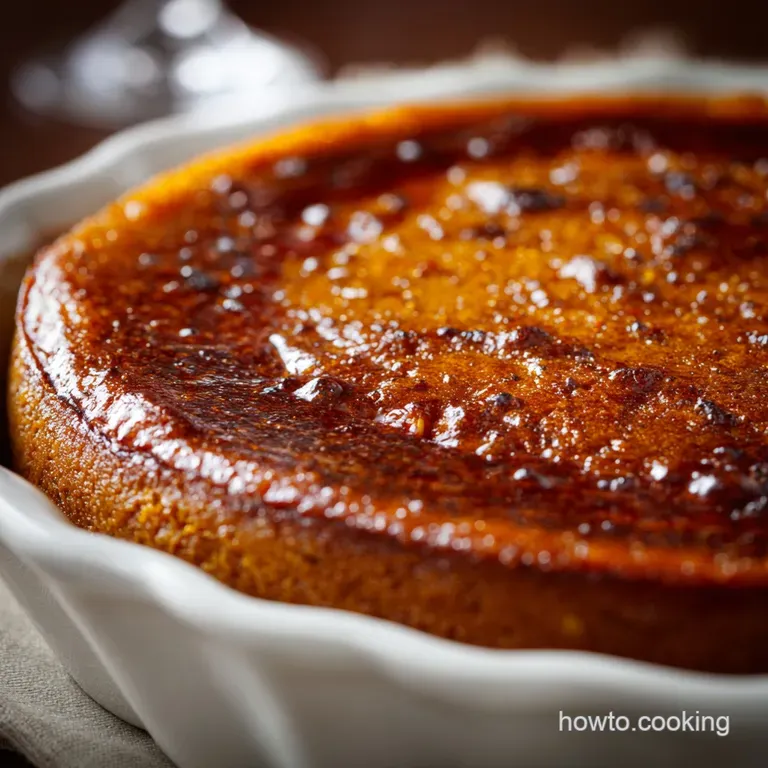
Pour the batter into the prepared dish and smooth the top gently. Bake for 65– 75 minutes. The edges should pull slightly away from the pan and look deep golden brown, almost caramelized.
Chef's Note: If your pone starts browning too aggressively before the center is set, loosely tent it with aluminum foil. This prevents the edges from drying out while the dense center catches up.
The Jiggle Test: Determining When Your Pone is Perfectly Cooked
The true test is the wobble. When you gently shake the dish, the pone should look set and solid around the edges. The very center should have a slight, gentle wobble, like very firm gelatin.
A thin knife inserted near the center should come out mostly clean, though some sticky, moist crumbs are okay that’s the lovely fudgy texture we want.
Troubleshooting Your Pone: Chef’s Tips and Avoiding Density Issues
Preventing the Top from Cracking or Drying Out
Cracking usually signals one thing: over baking or baking too hot. If your oven runs hot, try lowering the temperature by 25 degrees. For a truly professional, moist result, try baking the pone in a water bath (a large pan filled with hot water) for the last 30 minutes.
The steam keeps the surface hydrated and prevents cracking.
Addressing a Grainy Texture: Proper Mixing Techniques
If your pone turns out grainy, it usually means the sugar didn't dissolve or the eggs weren't emulsified properly before adding the heavy grated potatoes. Make sure your wet ingredients eggs, melted butter, sugar, and milk are perfectly smooth before incorporating the dry ingredients and then the grated potatoes.
Enhancing Aroma: Toasting Your Spices Before Mixing
Here’s a trick that elevates everything: lightly toast your ground spices (cinnamon, ginger, nutmeg) in the melted butter on the stovetop for about 30 seconds until they are fragrant. This process "wakes up" the volatile oils in the spices, giving your pone an unbelievably rich and complex aroma.
Storage Solutions: Making and Keeping Southern Sweet Potato Pone
Refrigeration: Shelf Life and Optimal Airtight Methods
This pone keeps beautifully, which is a big bonus for meal prep or busy holidays. Allow the pone to cool completely, then cover the baking dish tightly with plastic wrap or transfer slices to an airtight container. It will last reliably in the fridge for up to 5 days.
Best Practices for Freezing Baked Pone Sections
Yes, it freezes well! I recommend slicing the cooled pone into individual servings first. Wrap each slice tightly in plastic wrap, and then wrap that entire bundle again in aluminum foil. It will stay good in the freezer for up to 3 months.
Reheating the Pone: Restoring the Moist Texture
To reheat, the oven is your best friend. Thaw frozen portions overnight in the fridge. Place the pone slices in an oven safe dish, cover them loosely with foil, and bake at 300°F (150°C) for about 15– 20 minutes.
This slow, gentle reheating restores the moist, dense texture without drying out the edges. Microwaving works in a pinch, but it can make the pone slightly rubbery.
Serving the Southern Sweet Potato Pone: Complementary Pairings
This dense, highly spiced dessert needs a contrast to truly shine. Serving it slightly warm is non-negotiable, of course.
We love serving this with a generous dollop of freshly whipped cream, slightly sweetened with maple syrup instead of white sugar. Or try a scoop of high-quality vanilla bean ice cream to cut through the richness. If you want something even more decadent and equally Southern, you could pair it with my Southern Pecan Pie: Deep Caramel Filling Flaky Pie Crust Edges for an ultimate dessert table spread.
For those rare times I serve this for a dinner, not dessert, I find that the richness of the pone contrasts wonderfully with savory dishes, much like my beloved Thanksgiving Side Dishes: Ultimate Brown Butter Mashed Potatoes Recipe pairs with roast chicken. The secret is that strong molasses and ginger flavor; it handles savory meats beautifully.
Recipe FAQs
Why is my pone watery or refusing to set in the center?
This usually indicates insufficient baking time or excess liquid from the sweet potatoes not being drained thoroughly enough before mixing. Ensure your oven temperature is accurate and try baking for another 10-15 minutes until a toothpick inserted into the center comes out mostly clean, just slightly moist.
Allowing the pone to cool fully is also critical, as it continues to firm up significantly as it chills.
What is the difference between Southern Pone and Sweet Potato Pie?
Pone is traditionally a crustless baked pudding, making it inherently denser and more rustic than a standard pie. It often utilizes grated or mashed sweet potato (not always smooth puree) and relies heavily on molasses and ginger for a deep, complex flavor profile.
Pone is historically considered an older, more humble version of the modern sweet potato pie.
Can I use canned sweet potato puree instead of fresh, roasted potatoes?
While fresh sweet potatoes are recommended for the best flavor and texture, canned puree can be used in a pinch, provided it is 100% sweet potato without added sugar or spices. You may need to slightly reduce the amount of milk in the recipe to account for the higher moisture content in canned puree.
Always drain any residual liquid from the canned product before adding it to the mix.
I don't have molasses. What is the best substitute?
Molasses provides the essential deep, slightly smoky backbone of Southern pone flavor, so substitution will alter the final taste. The best replacement is often dark brown sugar mixed with a small amount of maple syrup for added complexity and richness.
If available, dark corn syrup can also work, but be aware that it will result in a slightly sweeter and less spicy finish.
Can this recipe be adapted to be vegan or dairy-free?
Absolutely. Substitute the butter with high-quality vegan butter sticks or solid coconut oil for the best texture and flavor results. For the milk component, use full fat canned coconut milk or a rich oat milk, which provides the necessary richness to bind the pone without thinning the texture.
How long will leftover Sweet Potato Pone last, and can I freeze it?
Sweet Potato Pone should be stored covered in the refrigerator and will remain fresh for 5 to 7 days. Yes, it freezes quite well due to its dense, custard like structure; ensure you wrap individual slices tightly in plastic wrap and then foil.
Thaw the frozen pone overnight in the refrigerator before serving, preferably warming it slightly before eating.
Should Sweet Potato Pone be served hot or cold?
Pone is traditionally served at room temperature, which allows the spices and deep molasses flavor to fully mellow and shine. However, it is also delicious served slightly warm, topped with a dollop of fresh whipped cream or a dusting of powdered sugar.
If you are serving it warm, allow it to set for at least 20 minutes out of the oven before slicing.
Southern Sweet Potato Pone Recipe

Ingredients:
Instructions:
Nutrition Facts:
| Calories | 956 kcal |
|---|---|
| Protein | 20.1 g |
| Fat | 32.3 g |
| Carbs | 109.8 g |
