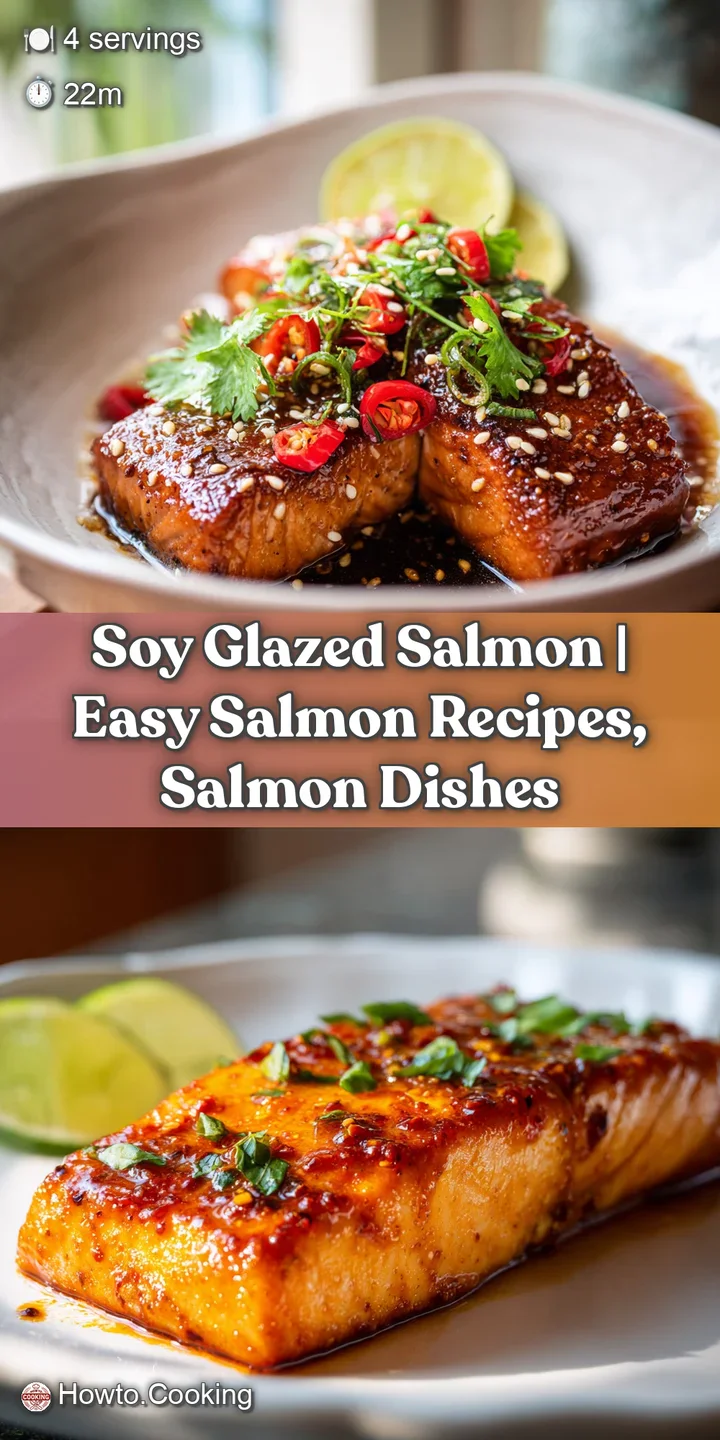
Soy Glazed Salmon: Caramelized and Flaky
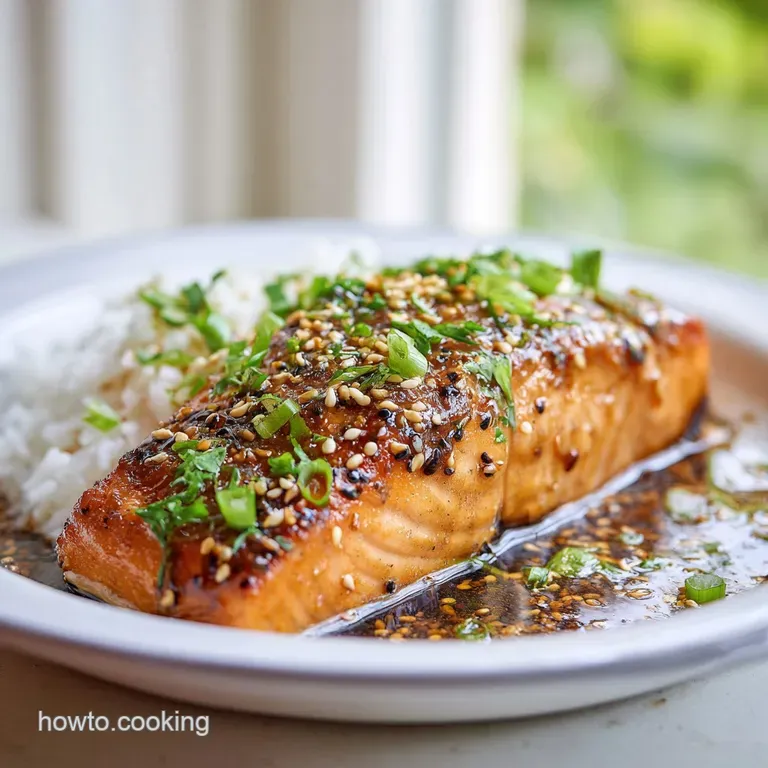
- Time: Active 10 minutes, Passive 12 minutes, Total 22 minutes
- Flavor/Texture Hook: Flaky, buttery interior with a sticky, caramelized glaze
- Perfect for: Quick weeknight dinners or impressive date night meals
- Getting the Best Soy Glazed Salmon
- Planned Timeline for Busy Cooks
- Choosing High Quality Ingredients
- Essential Tools for Flaky Fish
- Executing the Cooking Steps Properly
- Avoiding Common Salmon Mistakes
- Flavor Variations and Smart Substitutes
- Storing and Repurposing Leftovers
- Side Dishes for Busy Weeknights
- High in Sodium
- Recipe FAQs
- 📝 Recipe Card
Getting the Best Soy Glazed Salmon
Ever wonder why restaurant salmon has that glossy, mahogany crust while home cooked fish often looks grey or beige? Most people assume it requires a high end broiler or a culinary degree, but the secret is actually tucked away in a tiny saucepan.
It comes down to managing water content before the fish even touches the heat. If you pour a thin marinade over raw fish and shove it in the oven, you're essentially poaching the salmon in a salty soup. We want a glaze that behaves like liquid gold, sticking to every curve of the fillet.
I remember my first attempt at this dish years ago. I was so excited to host a dinner for friends, but I made the mistake of not reducing my sauce. The result was a watery mess on the baking sheet, and the salmon tasted like nothing because the flavor literally slid right off into the parchment paper.
I was embarrassed, and we ended up ordering pizza. That night, I realized that the magic of a great Soy Glazed Salmon isn't just about the ingredients, but how you treat them before they meet the fish.
This version is designed for busy people who still want high impact flavor. We are going to spend five minutes concentrating our sauce into a syrupy reduction that creates a barrier against the heat. This keeps the fat inside the fish where it belongs, ensuring every bite is velvety rather than dry.
We aren't just cooking fish today, we are mastering the art of the glaze. It is fast, it is hearty, and it works every single time.
Planned Timeline for Busy Cooks
When you are short on time, order of operations is everything. You do not want to be grating ginger while the oven is already preheated and your fish is getting warm on the counter. Efficiency in the kitchen means knowing which tasks can run in the background while you handle the hands on work.
This recipe is designed to be a 22 minutes sprint from start to finish, provided you follow the flow.
Heat Management: Start by getting the glaze going. It needs those few minutes on the stove to bubble away and thicken. While that happens, you can prep the salmon.
By the time the oven hits 400°F (200°C), your glaze will be cool enough to brush on without partially cooking the raw fish prematurely.
The Surface Prep: Never skip the paper towel step. Moisture is the enemy of a good sear or a sticky glaze. If the surface of the salmon is wet, the glaze will slip. Patting it dry creates a tacky surface that the soy sauce brown sugar mixture can actually grab onto.
Finish with Precision: The last two minutes are the most critical. Switching to the broiler transforms the sugar from a simple liquid into a crackling, dark crust. You have to watch it like a hawk. Sugar burns in a heartbeat, and we want mahogany, not charcoal.
| Method | Time | Texture | Best For |
|---|---|---|---|
| Oven Bake (Recipe) | 12 minutes | Evenly flaky, thick glaze | Beginners & hands off cooking |
| Stovetop Sear | 8 minutes | Very crispy skin, risky glaze | Experienced cooks |
| Air Fryer | 10 minutes | Maximum crunch, concentrated salt | Small batches (1-2 people) |
Choosing your method depends on your gear, but the oven is the gold standard for getting that even, deep color across the entire fillet. It allows the heat to surround the fish, gently rendering the fat while the sugars on top start to bubble and set. If you are looking for a different texture entirely, you might enjoy these honey butter garlic salmon bites which use a similar flavor profile but in a bite sized, pan seared format.
Choosing high-quality Ingredients
The science of why this works is simple: it is all about sugar concentration and protein structure. When we simmer the soy sauce and brown sugar, we are evaporating water. This increases the viscosity of the liquid. A thicker sauce has more surface tension, which allows it to "hang" onto the salmon.
The Sugar Shield: Brown sugar contains molasses, which provides a deeper flavor and a lower burning point than white sugar. This helps the salmon develop a dark color quickly without needing to stay in the oven so long that it becomes tough.
Aromatics and Acidity: Ginger and garlic provide "flavor spikes" that cut through the richness of the fish fat. The lemon juice is the most important part, though.
It provides an acid that breaks down the long chain proteins on the surface of the fish, allowing the glaze to penetrate just slightly deeper.
Salt and Moisture: Using low sodium soy sauce is a conscious choice. Since we are reducing the sauce, the salt becomes highly concentrated. Regular soy sauce often becomes unpleasantly salty once it thickens into a glaze.
| Ingredient | Science Role | Pro Secret |
|---|---|---|
| Center cut Salmon | Uniform fat distribution | Buy fillets with similar thickness for even cooking |
| Light Brown Sugar | Caramelization & tackiness | Pack it tight in the cup for accurate measurement |
| Fresh Ginger | Protease enzymes for tenderness | Freeze the root to make grating effortless |
| Low sodium Soy | Umami & liquid base | Always use low sodium when reducing sauces |
The interaction between the salt in the soy and the sugar is what creates that addictive umami profile. As the fish cooks, the heat causes the proteins to tighten and "squeeze" out moisture.
The glaze acts as a sealant, trapping that moisture inside while the outside undergoes a transformation into a sticky, savory crust.
Essential Tools for Flaky Fish
You do not need a professional kitchen, but a few specific items make a massive difference in the final result. Using the wrong pan or skipping a liner can turn a quick dinner into a scrubbing nightmare.
The Heavy Saucepan: Use a small but heavy bottomed saucepan for the glaze. Thin pans have "hot spots" that can scorch the sugar before the ginger and garlic have a chance to infuse their flavors. A consistent simmer is what we are after here.
Parchment Paper: Honestly, do not even try this without parchment paper or a silicone mat. The sugar in the glaze will caramelize and stick to a bare baking sheet like industrial glue. Parchment ensures you can actually lift the fish off the tray without the skin staying behind.
A Quality Pastry Brush: A silicone brush is easiest to clean, but a natural bristle brush holds more glaze. You want something that can really "paint" the sauce into the crevices of the fish. This ensures every square millimeter is covered in flavor.
Chef's Tip: If you don't have a pastry brush, use the back of a spoon to "pool" the glaze on top and spread it gently. It won't be as even, but it gets the job done in a pinch.
Executing the Cooking Steps Properly
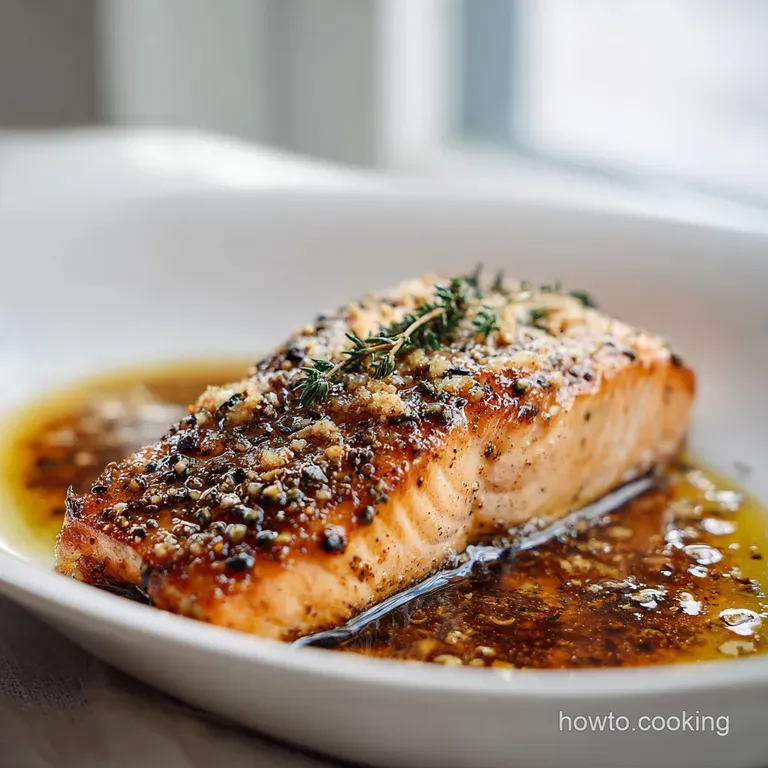
Now we get to the heart of it. Follow these steps closely to ensure your Soy Glazed Salmon comes out looking like it belongs on a magazine cover.
- Simmer the sauce. In a small saucepan, combine 0.33 cup light brown sugar, 0.25 cup low sodium soy sauce, 1 tbsp grated fresh ginger, 2 cloves minced garlic, 1 tbsp lemon juice, and 0.5 tsp red pepper flakes. Note: This creates the flavor foundation.
- Thicken the glaze. Bring the mixture to a simmer over medium heat for 3–5 minutes until the sauce coats the back of a metal spoon. Set it aside to cool; it will thicken further as the temperature drops.
- Dry the fillets. Pat 4 center cut salmon fillets (6 oz each) completely dry with paper towels. Note: Dry fish equals better glaze adhesion.
- Season the fish. Rub the fillets lightly with 1 tbsp neutral oil and season evenly with 0.5 tsp sea salt and 0.25 tsp cracked black pepper.
- Prepare the oven. Preheat your oven to 400°F (200°C). Line a baking sheet with parchment paper to prevent sticking.
- Apply first coat. Place the salmon on the sheet and brush a generous layer of the reduced glaze onto each fillet. Use about half of the sauce for this initial layer.
- Bake the salmon. Slide the tray into the oven and bake for 8 minutes. The edges should just begin to turn opaque.
- Double glaze. Remove the tray and apply the remaining glaze to the fillets. This second layer builds that thick, signature Soy Glazed Salmon look.
- Broil for finish. Switch the oven to broil and place the salmon back in for the final 2 minutes until the glaze is bubbling and dark mahogany.
- Rest and serve. Let the fish sit for 3 minutes before moving it. Note: This allows the juices to redistribute so the fish stays moist.
Getting the timing right on that final broil is the difference between success and a smoke alarm. Don't walk away! If you're nervous about the internal doneness, you can check it with a fork; the meat should flake easily at the thickest part. For those who want to dive deeper into the prep side of things, checking out a best salmon marinade recipe can give you more ideas on how to prep fish for different cooking methods.
Avoiding Common Salmon Mistakes
Salmon is a forgiving protein, but there are a few ways it can go sideways. Most issues stem from moisture control or heat management. If you've ever ended up with a white, chalky substance on your fish, you aren't alone.
Why Your Salmon Is White
That white stuff is called albumin. It is a protein that gets pushed out of the muscle fibers when the fish cooks too fast or too hot. While it's perfectly safe to eat, it doesn't look great.
To minimize it, make sure you don't overcook the fish and keep your initial baking temperature at 400°F (200°C) rather than cranking it to the max right away.
Why Your Glaze Is Runny
If the sauce brown sugar mixture is sliding into a puddle around the fish, it usually means one of two things: the glaze wasn't reduced enough on the stove, or the fish wasn't dried properly.
The sauce needs to reach a "napé" consistency, which is fancy chef speak for thick enough to coat a spoon without immediately dripping off.
| Problem | Root Cause | Solution |
|---|---|---|
| Soggy Bottoms | Excess moisture on raw fish | Pat dry with 3-4 paper towels before oiling |
| Burnt Glaze | Broiler was too close to the rack | Move the oven rack to the middle position |
| Dry Interior | Fish was cooked past 145°F | Pull the fish when it hits 135°F; carryover will finish it |
Common Mistakes Checklist
- ✓ Forgetting to line the pan (results in a permanent sugar crust on your tray)
- ✓ Skipping the reduction step (leads to a thin, flavorless sauce)
- ✓ Using regular soy sauce instead of low sodium (makes the dish too salty)
- ✓ Crowding the pan (prevents the air from circulating, causing the fish to steam)
- ✓ Peeking too often (lowers the oven temp and ruins the timing)
Flavor Variations and Smart Substitutes
The beauty of a soy sauce brown sugar base is its versatility. You can take this in a hundred different directions based on what is in your pantry. If you are out of ginger, don't panic. If you want more heat, that's easy too.
Sweetener Swaps: If you don't have brown sugar, honey or maple syrup work beautifully. Keep in mind that honey is sweeter, so you might want to use a little less. Maple syrup provides a woody, autumnal note that is incredible during the colder months.
Acid Alternatives: Lemon juice is standard, but rice vinegar or lime juice adds a different kind of brightness. Lime juice is particularly good if you want to lean into a more Southeast Asian flavor profile with extra chili flakes and maybe a drop of fish sauce.
| Original Ingredient | Substitute | Why It Works |
|---|---|---|
| Light Brown Sugar | Honey (0.25 cup) | Adds a floral note and a very shiny finish. Note: Browns faster than sugar |
| Fresh Ginger | Ground Ginger (0.5 tsp) | Good for convenience, though less "zingy" than fresh |
| Lemon Juice | Rice Vinegar (1 tbsp) | Milder acidity that pairs perfectly with soy |
If you really want to change things up, try making a miso butter salmon next time. It uses that same fermented soy base but adds a creamy, savory fat component that is absolutely mind blowing.
Storing and Repurposing Leftovers
Salmon is one of those proteins that is best eaten immediately, but leftovers can be a life saver for a busy lunch the next day. The key is not to over heat it when you bring it back to life.
Fridge Storage: Keep your Soy Glazed Salmon in an airtight container for up to 2 days. The glaze will actually help protect the fish from drying out in the cold air of the refrigerator.
Freezing: I don't recommend freezing cooked salmon as the texture becomes quite grainy upon thawing. If you must, wrap it tightly in plastic wrap and then foil, and keep it for no more than 1 month.
Zero Waste Tips: If you have a small bit of salmon left, don't just microwave it into oblivion. Flake it into a cold noodle salad or use it as a protein topper for a bowl of white rice with some sliced cucumber and avocado.
The leftover glaze at the bottom of the container is basically liquid gold; whisk it into some mayo for a quick "glaze aioli" for sandwiches.
Side Dishes for Busy Weeknights
Since this fish is rich and savory, you want sides that provide contrast. Think about textures that are crunchy or flavors that are bright and clean. This helps balance the molasses heavy sauce brown sugar notes.
The Classic Pair: Steamed jasmine rice is the obvious choice for a reason. It acts as a sponge for any extra Soy Glazed Salmon sauce that escapes the fish. Add some charred bok choy or roasted broccoli for color and fiber.
The Low Carb Crunch: If you are skipping grains, a quick slaw made of shredded cabbage, lime juice, and sesame oil is perfect. The crunch of the raw cabbage cuts right through the buttery fat of the salmon.
A Mediterranean Twist: It might sound odd, but a simple salmon in roasted pepper sauce style salad with arugula and shaved fennel also works. The bitterness of the greens stands up well to the sweet glaze.
Right then, you have everything you need. This dish is efficient, it is fresh, and it is going to be your new go to for those nights when you want something hearty without spending hours in the kitchen. Trust me, once you see that glaze bubble under the broiler, you'll never go back to plain baked fish again.
Let's crack on and get cooking!
High in Sodium
885 mg 885 mg (38% 38% of daily value)
The American Heart Association recommends limiting sodium intake to no more than 2,300mg per day, aiming for an ideal limit of about 1,500mg for most adults.
Tips to Reduce Sodium
-
Swap Soy Sauce for Low-Sodium-20%
Reduce sodium significantly by using 100% low-sodium soy sauce instead of regular. This single change can drastically cut down on added salt.
-
Halve the Added Salt-25%
Cut the sea salt in half. You can still achieve good flavor by focusing on other seasonings and the natural saltiness of ingredients.
-
Control Red Pepper Flakes
While red pepper flakes add heat, their sodium contribution is minimal. You can keep them as is or slightly reduce if you're sensitive to spiciness.
-
Boost with Fresh Herbs and Spices
Enhance flavor without salt by generously using fresh ginger, garlic, and lemon juice. Consider adding fresh cilantro or parsley at the end for an extra burst of freshness.
-
Limit Brown Sugar-5%
While not a primary sodium source, reducing the amount of brown sugar can subtly impact the overall flavor profile and might make you less reliant on salt.
Recipe FAQs
How to achieve that mahogany crust on the salmon?
Switch the oven to broil during the last two minutes of cooking. Applying a fresh layer of glaze right before hitting the broiler caramelizes the sugar perfectly, but watch it closely so the glaze does not burn.
Is it possible to make the glaze thinner?
No, the glaze must be reduced to coat the back of a spoon. If you skip the 3 5 minute simmering step, the sauce will be too thin to adhere to the salmon, resulting in a flavorless crust.
Can I use regular soy sauce instead of low-sodium?
No, avoid using regular soy sauce. It will make the dish excessively salty, overpowering the delicate ginger and garlic notes in the glaze.
How to prevent the salmon from drying out in the fridge?
Store the fillets in an airtight container for up to two days. The residual glaze acts as a protective barrier, keeping the fish moist until you are ready to reheat it.
How to ensure the salmon cooks evenly without steaming?
Space the fillets out on your parchment lined baking sheet. Crowding the pan blocks hot air circulation, which causes the fish to steam rather than roast, and if you enjoyed mastering this airflow technique, see how we apply the same logic for crispy skin trout.
Is it safe to freeze the leftovers?
No, freezing is not recommended. The texture of the salmon becomes noticeably grainy once thawed, so it is best to eat the leftovers within two days while refrigerated.
How to keep the glaze from sticking to the tray?
Line your baking sheet with parchment paper every time. Forgetting this step creates a permanent, rock hard sugar crust on your pan that is incredibly difficult to clean.
Soy Glazed Salmon Recipe 2
Ingredients:
Instructions:
Nutrition Facts:
| Calories | 472 kcal |
|---|---|
| Protein | 35.2 g |
| Fat | 25.4 g |
| Carbs | 21.3 g |
| Fiber | 0.4 g |
| Sugar | 18.5 g |
| Sodium | 885 mg |
