Sweet Potato Cranberry Gratin with Ginger Brown Butter Pecan Crumble
- Achieving Perfect Harmony in Sweet Potato Cranberry Gratin
- Why Our Gratin Elevates the Holiday Table
- Essential Components for a Rich and Spiced Gratin
- Specialized Tools and Preparation Needs
- Step and by-Step Directions: Assembling the Sweet Potato Cranberry Gratin
- Expert Tips for Mastering Your Gratin
- Variations and Dietary Adjustments for This Recipe
- Recipe FAQs
- 📝 Recipe Card
Achieving Perfect Harmony in Sweet Potato Cranberry Gratin
Right then, let's talk about holiday sides. For too long, the sweet potato casserole has been the punchline of Thanksgiving dinner. Soggy potatoes, a crust of burnt marshmallows it’s just sad. We’re better than that.
We deserve something that tastes complex, feels elegant, and still gives you that cozy, comfort and food sigh when you eat it.
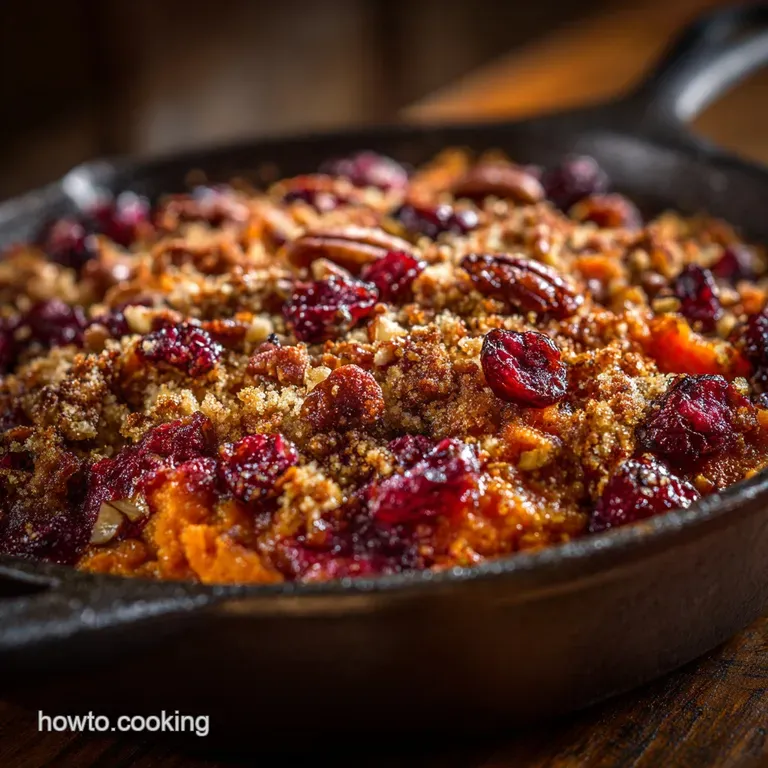
This Sweet Potato Cranberry Gratin is the answer to all your holiday prayers. It swaps the overly sweet, sloppy casserole texture for a proper gratin structure. Think uniform, tender slices suspended in a creamy, barely and sweet custard that’s spiked with warming ginger and nutmeg.
The cranberries burst, creating little pockets of tart relief, and the whole thing is finished with a crunchy, nutty top. It’s sophisticated comfort food, and trust me, once you make this, you’ll never go back to the sticky marshmallow situation again. It’s brilliant.
Why Our Gratin Elevates the Holiday Table
I used to spend way too much energy trying to make overly elaborate side dishes, only to discover that simplicity, executed flawlessly, is always the winner. That’s what this gratin is about: a few key techniques that change everything.
Moving Beyond the Marshmallow Topping
Look, I get it. Marshmallows are tradition. But they turn into a sticky, sugary lava flow that hides the potatoes and often burns before the center of the dish is cooked. We’re using a Brown Butter Pecan Crumble instead. This is non and negotiable.
The nutty, toasted pecan flavor (hello, brown butter!) provides a savory and sweet crunch that contrasts beautifully with the soft, spiced potatoes underneath. It adds texture, depth, and a gourmet feel that just sings on the table.
The Importance of Thinly Sliced Layers in Gratin Structure
This is the number one secret to any successful gratin, sweet or savory. If your slices are thick, they won't cook evenly. You’ll end up with hard, crunchy potatoes in the middle and completely overcooked mush on the edges. We need uniformity.
I’m talking about slices that are barely an eighth of an inch thick. This allows the spiced custard to permeate every single layer and ensures that they all become tender at exactly the same time. If you’ve ever served a gratin with a resistant, raw center, you know exactly what I mean.
Don't skip this step.
The Warmth of Ginger and Brown Butter Spice Blend
Cranberries are intensely tart, right? They need something equally intense to hold them up, and brown sugar alone isn't enough. That's where fresh ginger comes in. Grate just a teaspoon right into the custard mixture.
It’s subtle, but it adds a warmth and brightness that cuts through the creaminess and plays perfectly with the tartness of the cranberries. It makes the entire dish taste seasonal, complex, and utterly unforgettable.
Texture Mastery: Custard Versus Crumbly Topping
A gratin is a balancing act. It should be rich, but not heavy. The texture of the final product should be fork and tender slices of sweet potato swimming in a firm, spiced custard not watery, not gloppy. The key to that firm set is the eggs in the dairy mixture.
If you pull this out and it looks slightly wobbly in the middle, DO NOT PANIC. That rest time is essential for the structure. It’s not soup; it’s setting up for glory. The custard finishes setting outside of the oven, yielding that perfect, creamy interior contrasted by the crisp pecan top.
Essential Components for a Rich and Spiced Gratin
We are aiming for a luxurious texture here, which means we aren't skimping on the dairy. Sorry, but this is not the time for skim milk or low and fat cream. You need the fat content in the heavy cream and whole milk to carry the spices and create that velvety, set custard texture.
For the sweetener, I insist on dark brown sugar. Its deep, molasses flavor is far superior to light brown sugar here, adding a lovely background note that just feels like winter.
| Component | Why It Matters |
|---|---|
| Heavy Cream | Provides the richness required for a proper, non and watery custard base. |
| Fresh Ginger | Essential to provide a sharp, warm counterpoint to the sweetness and tartness. |
| Pecans | Their natural oil content makes the topping incredibly fragrant when toasted. |
Related Recipes Worth Trying
- Million Dollar Bacon Crostini The Epic SpicySweet Appetizer — Million Dollar Bacon Crostini is the ultimate sophisticated snack for any party This recipe features sweet and spicy candied bacon sharp whipped goat cheese...
- Crispy Oven Baked Sweet Potato Fries The Ultimate Crunchy Technique — Crispy Oven Baked Sweet Potato Fries that are truly crunchy Master the drying and cornstarch technique for extra crispy oven baked sweet potato fries This...
- Sweet Potato Hash Browns UltraCrispy Brunch Staple Recipe — Sweet Potato Hash Browns are your ticket to the perfect crispy brunch side Learn the essential moisture removal secret for ultracrisp edges and a tender...
Specialized Tools and Preparation Needs
Selecting the Right Yams or Sweet Potatoes for Layering
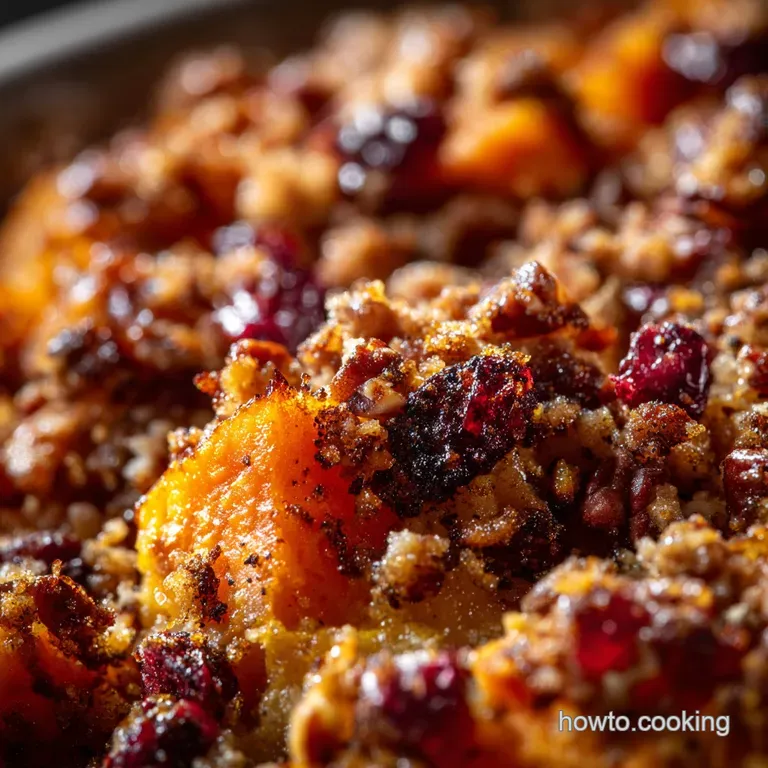
Technically, most of what we call 'yams' in American grocery stores are actually orange and fleshed sweet potatoes. Either way, look for potatoes that are long, firm, and relatively straight. Curved potatoes are a nightmare to layer and waste time trying to fit them into the dish. Peel them completely before slicing.
Crafting the Brown Butter Pecan Crumble Base
The secret to a great crumble is keeping everything COLD. I know I mentioned the brown butter flavor profile, but for the actual execution, keep the butter for the crumble chilled and cubed. You want to cut it into the flour/sugar/pecan mixture using only your fingertips.
The goal is coarse crumbs, not a smooth paste. These clumps will bake up into beautiful, crisp morsels.
Dairy Choice: Achieving Creaminess Without Heaviness
I find a ratio of 3 parts heavy cream to 1 part whole milk is perfect. The whole milk thins the mixture just enough so it flows easily between the potato slices, ensuring coverage without weighing the custard down too much.
Make sure the cream and milk are at room temperature (or close to it) when mixing with the eggs it helps them combine seamlessly.
Mandolines and Slicing Techniques for Uniformity
Seriously, borrow, buy, or steal a mandoline. It will take you 90 seconds to slice all the potatoes. If you’re stuck with a knife, don't rush. The thickness of a coin is what you’re aiming for. It’s hard work, but the result is worth the muscle ache.
- Always use the safety guard on your mandoline. I learned this the hard way... never again.
- Slice potatoes lengthwise if they are too wide for the pan, creating half and moon shapes that are easier to layer.
- Once sliced, keep the potatoes covered with a damp cloth or submerged in water if you aren't assembling immediately (to stop them from turning brown).
Prepping Fresh Cranberries for Optimal Tartness
You don’t need to do anything fancy to the cranberries. Just toss them in whole. If they are frozen, don’t bother thawing them; the cooking time is long enough that they'll thaw and then burst beautifully, distributing their lovely tart juices throughout the custard.
Step and by-Step Directions: Assembling the Sweet Potato Cranberry Gratin
Getting the layers right is the most satisfying part of this whole operation. Once your potatoes are sliced and your custard is mixed, we’re ready to crack on.
Infusing the Custard and Tempering the Cream Mixture
Before layering, really give that custard mixture a good, dedicated whisk. You are ensuring the eggs, sugar, and spices are completely integrated. If you see sugar crystals sitting at the bottom of the bowl, keep going. A smooth, homogenous custard mixture guarantees an even, beautiful set inside the oven.
The Art of Layering: Alternating Potatoes and Cranberries
I use the one and third rule. Arrange the slices tightly, overlapping them slightly like shingles on a roof. This ensures maximum surface area contact and structure. After your first layer, scatter half the cranberries and pour one and third of the custard.
Repeat this sequence (Potatoes, Cranberries, Custard), and then finish with the final layer of potatoes and the remaining custard.
Pre and Baking Check: Ensuring Proper Liquid Coverage
This is critical. Before covering the dish, gently press down on the layers with the back of a large spoon. You want to see the custard gently bubble up and over the top layer of potatoes. If the potatoes look dry, you might need to tilt the dish gently to allow the liquid to settle into the corners.
If you’re still short, add another splash of milk until everything looks nicely submerged.
Monitoring Oven Temperature for a Slow, Even Cook
We bake this at 375°F (190°C). This medium heat allows the heat to slowly penetrate those densely packed layers without scorching the outside before the inside is ready. The first covered stage ( 30 minutes) is basically a steam bath, guaranteeing soft potatoes.
When and How to Apply the Pecan Crumble Topping
The timing is everything here. Once the first 30 minutes are up, the potatoes are already tenderizing. You remove the foil, scatter the crumble evenly, and put it back in uncovered. That last 20- 25 minutes is for setting the custard and browning the crumble.
If you put the crumble on too early, it will be burnt to a crisp by the time the potatoes are done.
Expert Tips for Mastering Your Gratin
- Don't Overcrowd the Dish: A wide, shallow dish (9x13 inch) is better than a deep, narrow one. Shorter stacks cook faster and more evenly.
- A Tiny Bit of Fat: Before layering, rub your fingers with butter and lightly coat the inside of your baking dish. This makes serving and cleaning infinitely easier.
- The Tap Test: After pouring the final layer of custard, lightly tap the dish on the counter several times. This dislodges any trapped air bubbles and helps the liquid settle deeper between the potato slices.
- Fresh Nutmeg is a Must: Honestly, don't even bother with the jarred, powdery stuff. A quick grate of whole nutmeg right before mixing will give you a potent, fresh spice flavor that ground nutmeg just can’t replicate.
Variations and Dietary Adjustments for This Recipe
Make and Ahead Strategies: Preparing the Dish 24 Hours Early
This gratin is great for make and ahead planning, but you must keep the dry and wet components separate. Slice your sweet potatoes and store them submerged in cold water in the fridge. Mix your custard and store it in an airtight container in the fridge. Assemble and pour the custard just before baking.
This prevents the potatoes from absorbing too much liquid beforehand, which can lead to a mushy texture.
Troubleshooting Undercooked Potatoes
If you test the center of the gratin with a knife and meet resistance after the required cook time (50- 55 minutes), don’t fret. Simply cover the dish tightly with foil again and return it to the oven.
Turn the temperature down slightly to 350°F (175°C) and bake in 10 minute increments until fully tender. The covering prevents the crumble from burning.
Nut and Free Topping Alternatives for Allergies
If pecans are off the table, you can substitute the nuts with rolled oats, sunflower seeds, or pumpkin seeds. For a genuinely simple nut and free crumble, just use the flour, sugar, and butter ratio, adding an extra 1/2 teaspoon of cinnamon and a pinch of salt to boost the flavor.
Storage and Reheating Guidelines for Leftovers
If you miraculously have leftovers, they store beautifully. Cover the cooled gratin tightly with plastic wrap and foil and refrigerate for up to four days. To reheat, the oven is definitely superior to the microwave it keeps that crumble crisp.
Place individual servings on a foil and lined tray and bake at 350°F (175°C) for 15- 20 minutes until heated through. If you're reheating the whole dish, cover it with foil and bake until warm in the center (about 30 minutes).
Recipe FAQs
Right, can I prep this entire Sweet Potato Cranberry Gratin the day before the big feast to save some stress?
You absolutely can, but assemble the layers only! Keep the sliced potatoes and the custard mixture separate and chilled until an hour before baking; pouring the custard too early can make the potatoes absorb too much liquid, leading to a dry gratin.
My gratin is still a bit runny and hasn't set properly, what did I do wrong, mate?
A runny gratin usually means the egg-enriched custard didn't cook long enough to set, often because the potato slices were too thick or uneven. Simply cover the dish again with foil and return it to the oven for an extra 10 15 minutes until a thin knife inserted into the centre meets little resistance.
I need a swap for the pecans in the crumble for this Sweet Potato Cranberry Gratin; what's a good alternative that keeps the crunch?
Walnuts or slivered almonds are excellent one-for-one replacements; or, for a proper budget friendly option, crushed digestive biscuits or gingersnaps mixed with butter and flour make a fantastic, crunchy topping.
It looks quite rich; is there a way to make this gratin less sweet without ruining the texture?
Definitely! You can safely reduce the dark brown sugar in the custard mixture by a quarter without affecting how the gratin sets. If you want a brighter flavour, add a tablespoon of orange zest to the custard to cut through the richness.
How long will the leftovers keep once we've finished the main course?
Leftovers keep brilliantly! Once cooled, transfer them to an airtight container and they’ll store happily in the fridge for up to four days, making them perfect for a quick, comforting meal the following week.
Sweet Potato Cranberry Gratin With Pecans
Ingredients:
Instructions:
Nutrition Facts:
| Calories | 386 kcal |
|---|---|
| Protein | 4.0 g |
| Fat | 12.0 g |
| Carbs | 68.0 g |
