Sweet Potato Tian: the Ultimate Creamy, Rustic Fall Side Dish
- Unlocking the Secret of the Perfect Sweet Potato Tian: A French Side Dish Masterclass
- The Culinary Science Behind the Golden Hour Tian
- Essential Components for Your Sweet Potato Tian
- Crafting the Sweet Potato Tian: A Layering Guide
- Troubleshooting Your Tian: Expert Tips for Success
- Making Ahead and Storing Your Sweet Potato Tian
- Pairing Perfection: What to Serve Alongside
- Recipe FAQs
- 📝 Recipe Card
Unlocking the Secret of the Perfect Sweet Potato Tian: A French Side Dish Masterclass
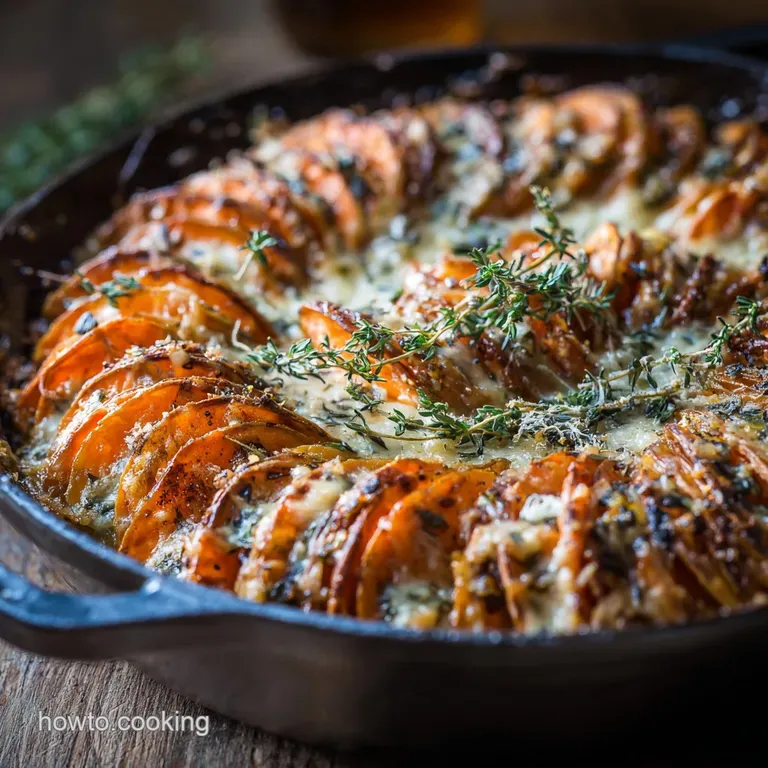
Seriously, pull this Sweet Potato Tian out of the oven, and your entire kitchen will smell like a rustic French farmhouse mixed with a high end bakery. The combination of sweet potato caramelizing with earthy thyme and a nutty Gruyère crust is pure magic.
This side dish is bubbly, wonderfully golden brown, and features that velvety texture inside that just melts on your tongue.
We all need a holiday or Sunday dinner hero sometimes, and this Sweet Potato Tian is exactly that. It looks ridiculously sophisticated, promising a level of effort only a French grandmother could endure, but honestly, the hardest part is just the slicing.
Once it’s layered and saturated with that herby cream, this dish basically bakes itself low and slow.
Forget the heavy, overly sweet casseroles we sometimes fall back on, though I do love a good pecan topping like in the Sweet Potato Casserole: The Best Brown Butter Recipe with Pecan Topping . This Tian is savory, subtle, and totally elegant, making it the ultimate beautiful fall side dish. Get your mandoline ready because we are making culinary history in a shallow dish.
The Culinary Science Behind the Golden Hour Tian
What is a Tian (And Why It’s Better Than a Gratin)?
So what’s the difference, right? A gratin typically uses a deep dish, which means you have more sauce, a mushier texture, and less surface area for browning. A Tian, named after the traditional Provencal earthenware pot it’s cooked in, is always shallow and wide.
This is absolutely key.
The Provencal Tradition: Why Shallow Baking Matters
The shallow dish guarantees maximum exposure to the dry heat of the oven, forcing the top layer of potatoes and cheese to create a crisp, caramelized crust. This crisp exterior provides a fantastic contrast to the impossibly creamy interior.
Trust me, more surface area equals more flavor, and we want that crisp tender balance.
Flavor Profile: Sweet Caramel Meets Earthy Thyme
The naturally high sugar content of the sweet potato means it caramelizes readily under heat, lending a deep, nutty sweetness to the final dish. We balance this robust flavor with savory notes from fresh thyme, a touch of garlic, and the salty, nutty punch of the Gruyère cheese.
It’s savory fall recipes sweet potato heaven.
The Maillard Reaction: Achieving That Crisp Top Layer
That beautiful golden brown crust isn't just for looks; it's the Maillard reaction doing its job! By removing the foil halfway through, we allow the sugars in the sweet potato and the proteins in the cheese and cream to brown intensely.
This creates complexity, resulting in a perfectly textured, rustic sweet potato casserole.
Balancing Sweetness: Sweet Potato vs. Gruyère Savory Depth
This is the secret weapon in my tian: combining sweet potatoes with standard, starchy Russet potatoes. Using only sweet potatoes makes the dish overwhelmingly sugary, almost dessert like.
The starchy potatoes soak up the cream beautifully and cut the overall sweetness, lending a grounded, earthy flavor that elevates the tian into a proper main course side.
Starch Management: Ensuring Creamy Interior Slices
The starch in the Russet potatoes is essential for binding the final dish. When they cook slowly in the dairy, they release starches that thicken the liquid, effectively creating a natural gravy. This thickening action means when the Tian rests, the slices hold their shape instead of collapsing into a pile of mush.
Essential Components for Your Sweet Potato Tian
You don't need exotic ingredients to make a special recipe sweet potato dish like this, but quality definitely matters. Here is a breakdown of the key players and their stand ins.
| Ingredient | Role | Viable Substitute |
|---|---|---|
| Sweet Potatoes | Sweetness, color, and caramelization. | Butternut squash (peel well!) or pumpkin. |
| Russet Potatoes | Starch content for binding and savory balance. | Yukon Gold or other medium starch potatoes. |
| Heavy Cream | Richness and velvety texture. | Half and half (lighter) plus 1 tsp cornstarch for thickening. |
| Gruyère Cheese | Nutty, sharp flavor and excellent melt. | Aged Comté or a very sharp, mature white Cheddar. |
| Fresh Thyme | Earthy, aromatic depth. | Fresh sage or dried herbs de Provence (use half the amount). |
Selecting the Perfect Sweet Potatoes: Shape and Uniformity
Choose sweet potatoes that are long and relatively uniform in diameter. Why? It makes your slicing job much easier, especially if you are arranging them in that pretty pinwheel pattern later. Small, bulbous potatoes make consistent slicing almost impossible.
Gruyère vs. Comté: Choosing the Best Melting Cheese
Gruyère is my go-to for its nutty depth, and it browns beautifully without separating or becoming oily. Comté is its equally brilliant cousin, offering a similar savory note.
Do not use pre-shredded cheese ; those anti caking agents prevent the cheese from melting into that luxurious, unified crust we want.
The Thyme Factor: Fresh Sprigs for Maximum Aroma
Dried thyme works, sure, but fresh thyme sprigs release volatile oils as they heat, infusing the cream mixture with a deeper, more profound woodsy aroma. If you can only find dried, use half the amount and stir it right into the cream.
Liquid Gold: Cream, Milk, or Vegetable Broth?
We use a mix of heavy cream and stock here. The cream provides the richness, but the stock (chicken or veggie) thins it just enough to fully penetrate all the layers before baking. This prevents dry spots, which are the enemy of any successful tian or gratin.
Crafting the Sweet Potato Tian: A Layering Guide
Prep Work: Mandoline Slicing for Uniformity
If you own a mandoline, this is its moment to shine. Set it to a thin 1/8 inch thickness, about the width of a quarter. Consistency is the key to that perfect, tender, non-crunchy result. Trust me, I once tried to slice these by hand after a glass of wine, and the result was the world’s most disjointed casserole.
Chef’s Note: Uneven thickness is the number one cause of crunchy, undercooked spots in any potato dish. Invest in a slicer or take your time with a very sharp knife.
The Pinwheel Technique: Arranging Your Layers for Display
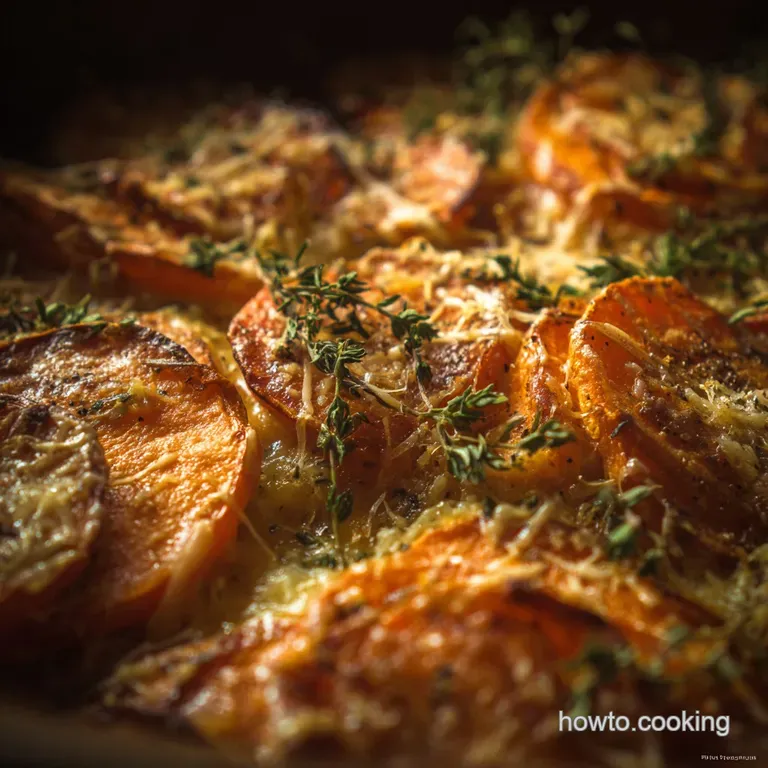
The "pinwheel" is how you get that gorgeous, high ranking visual. Start at the edge of your shallow baking dish and slightly overlap the slices, working your way around and inward. Alternate your sweet potato and Russet layers. This doesn't just look good; the overlapping helps the layers hold together.
Infusing the Liquid Before Baking
We sauté the garlic just until fragrant in the butter, then whisk in the cream, stock, and seasoning. This process gently heats the aromatics, ensuring those beautiful flavors of garlic, thyme, and nutmeg are fully suspended in the liquid before it hits the potato layers.
Remember, season the layers individually, too!
Slow Baking to Triumph: Achieving the 'Cooked Down' Texture
The initial covered bake is critical. It steams the hard root vegetables until tender without letting the top burn. Once the potatoes are fork tender, then, and only then, do you remove the foil, add the Gruyère, and let that beautiful, golden crust form. Low and slow wins the race here.
Troubleshooting Your Tian: Expert Tips for Success
Preventing a Watery Bottom: Pre-Seasoning the Slices
Salt draws moisture out of vegetables, which sounds counterintuitive, but hear me out. If you pre-salt the slices (as directed in the assembly step), some moisture is released before the liquid is poured over.
This small amount of initial weep helps the potato better absorb the cream mixture instead of pushing it away.
Dealing with Browning Too Quickly: The Foil Tent Solution
If your cheese is getting dark brown and crispy after only 15 minutes of uncovered baking, your oven is likely running hot or your dish is too high up. Just loosely tent a piece of foil over the dish for the remainder of the cooking time.
The interior will still cook beautifully while the top is protected.
The Crucial Rest: Why You Must Wait Before Slicing
I know, I know. It smells amazing, and you want to dive in immediately. But if you cut this tian straight out of the oven, it will collapse dramatically because the sauce is still too liquid.
You must allow it to rest for at least 10 minutes ; this gives the starches time to set and the liquid time to thicken, ensuring beautiful, stable slices.
Making Ahead and Storing Your Sweet Potato Tian
Can You Assemble the Tian in Advance?
Yes! This is a fantastic make-ahead option, perfect for big dinners like Thanksgiving. You can assemble the entire tian (layers and liquid) up to 24 hours in advance, cover it tightly, and refrigerate. When ready to bake, add 10– 15 minutes to the initial covered baking time to account for the cold dish. This works just like making my Sweet Potato Cranberry Gratin with Brown Butter Pecan Crumble ahead of time.
Reheating Leftovers Without Drying Out the Edges
Leftovers keep really well! Place slices in an oven safe container, splash about 1 tablespoon of milk or stock over the top, cover lightly with foil, and bake at 160°C (325°F) for 15 minutes. The foil and added moisture prevent the edges from turning rock hard.
Freezing vs. Refrigerating: Which Option is Best?
Refrigerating is far superior. Baked tian keeps beautifully for 3 4 days in the fridge. Freezing is tricky because the high cream content tends to separate and get grainy when thawed, altering the texture considerably.
If you must freeze, freeze portions before baking, then thaw fully in the fridge overnight and bake as directed.
Pairing Perfection: What to Serve Alongside
This spiced sweet potato tian is robust, creamy, and flavorful, meaning it pairs perfectly with savory, deeply flavored mains. It stands up brilliantly next to a perfectly roasted rack of lamb or a classic Sunday roast chicken.
For a fresh counterpoint, serve it alongside crisp, lightly steamed French Green Beans tossed in lemon butter, or a simple peppery arugula salad. If you're looking for another comforting side, you can’t go wrong with my Thanksgiving Side Dishes: Ultimate Brown Butter Mashed Potatoes Recipe — you need that extra richness!
Recipe FAQs
Why is my Sweet Potato Tian watery or soggy after baking?
The Tian is likely watery because the sweet potatoes were sliced too thick, preventing the natural starches from properly binding the liquid mixture. Ensure slices are uniformly thin (about 1/8 inch) and allow the excess moisture from the cream mixture to properly evaporate during the slow baking process for a creamy, set result.
Can I assemble this Sweet Potato Tian ahead of time?
Yes, advance preparation is highly recommended, especially when serving this dish for large gatherings. You can fully assemble the Tian up to 12 hours in advance and keep it tightly covered in the refrigerator.
Allow it to sit at room temperature for 30 minutes before baking, and plan to add 10 to 15 minutes to the overall cooking time.
Can I substitute the Gruyère cheese with another variety?
Absolutely, while Gruyère offers the best nutty depth that complements the sweet potato, you can substitute it with Comté, sharp white cheddar, or even a smoked Gouda. Remember to avoid fresh, high moisture cheeses like mozzarella, as these can make the final casserole overly watery.
What is the best way to ensure the sweet potatoes cook evenly?
Uniform thickness is crucial for the perfect texture; the best method is utilizing a mandoline slicer set to precisely 1/8 inch thickness. If slicing by hand, strive for consistency, as thicker pieces will remain firm and undercooked while the thinner pieces become soft and mushy.
How should I store and properly reheat leftover Tian?
Leftovers should be cooled completely, covered tightly with foil or plastic wrap, and refrigerated for up to 4 days. For optimal texture, reheat individual portions slowly in an oven or toaster oven set to 325°F (160°C), which helps restore the crisp crust rather than softening it further.
The top browned too quickly before the center was cooked what should I do?
If the surface is browning excessively before the potatoes are tender, your oven temperature may be running hot, or the dish is positioned too close to the heating element. Simply tent the Tian loosely with a sheet of aluminum foil for the remainder of the baking time to shield the crust and allow internal cooking to finish.
Can I make this Sweet Potato Tian vegan or dairy-free?
Yes, the dish adapts well by replacing the heavy cream with full fat canned coconut milk, which provides necessary richness, though the coconut flavor will be slightly discernible. Substitute the Gruyère with nutritional yeast and a high-quality vegan Parmesan substitute to achieve a savory, salty crust.
Sweet Potato Tian With Thyme And Gruyere
Ingredients:
Instructions:
Nutrition Facts:
| Calories | 627 kcal |
|---|---|
| Protein | 24.2 g |
| Fat | 34.5 g |
| Carbs | 56.9 g |
