The Ultimate Lebanese Fattoush Crisp Tangy and Bursting with Freshness
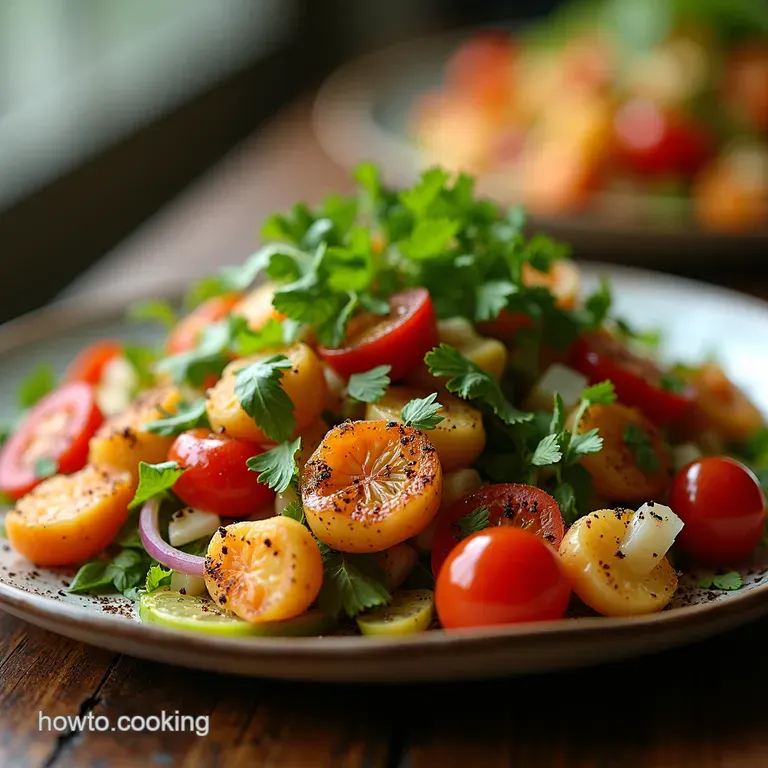
Why This Lebanese Fattoush Salad Reigns Supreme in Summer Cuisine
There are countless Middle Eastern Salad Recipes vying for attention on a crowded mezze table, but few possess the immediate, satisfying brightness of a truly exceptional Lebanese Fattoush Salad .
As a chef who’s spent many a summer evening basking in the glow of a kitchen serving up proper Lebanese fare, I can tell you that Fattoush is the absolute queen of summer salads. It’s bright, it’s textural, and the sumac dressing? Honestly, it’s the secret handshake of Middle Eastern cooking.
Forget sad, soggy salads! This is the definitive recipe for Fattoush, that iconic Lebanese bread salad. We’re layering crisp romaine, vibrant herbs, and seasonal vegetables, all brought together by the unmistakable zing of sumac and toasted pita bread.
It’s sunshine in a bowl refreshing, slightly tart, wonderfully crunchy, and utterly addictive. This blueprint for an Authentic Fattoush Salad is easy to master, requiring just 25 minutes of active prep and a brief stint in the oven for our crispy bread element, making the total time under 35 minutes.
It serves four generously as a side or two as a light main course.
A Chef’s Ode to the Queen of Middle Eastern Salads
What elevates Fattoush above its leafy cousins is its genius structure. It’s a celebration of texture the snap of cool cucumber, the soft yield of a ripe tomato, the sharp bite of radish, all punctuated by the satisfying crunch of toasted pita bread, or khubz .
This salad relies heavily on seasonal freshness, making it the quintessential Lebanese Summer Salad . We incorporate staples like romaine lettuce, fresh parsley, mint, scallions, bell pepper, and crisp radishes.
The preparation is straightforward; the chopping needs attention to ensure uniform mouthfeel, and the only "cooking" is dedicated to achieving that perfect, golden crispness in the bread component.
Understanding the Signature Sumac Dressing Secret
The soul of this dish lies squarely in its dressing. While many vinaigrettes rely solely on vinegar or lemon for acid, the Fattoush Dressing Recipe introduces a powerful, nuanced layer through sumac.
Sumac is a deep red spice derived from dried and ground berries, offering a naturally tart, slightly fruity, and earthy profile reminiscent of subtle vinegar but with far greater complexity. Mastering this Sumac Dressing Recipe is the key to unlocking true Lebanese flavour.
It perfectly complements the robust vegetables and stands up beautifully against the richness of the olive oil.
A Flavorful Journey: What Makes Fattoush Unique
The combination of fresh, cooling vegetables like cucumber and tomato, the peppery lift from radishes and bell peppers, and the powerful aromatic presence of chopped parsley and mint creates a symphony of fresh flavours.
It’s the interplay between these garden fresh components and the tart, robust dressing that sets the Lebanese Fattoush Salad apart. When you bite into it, you get the cooling effect of the vegetables followed immediately by the sharp, tangy note of the sumac, ending with the wholesome crackle of the toasted bread.
Gathering Your Crisp Components and Tangy Dressing Elements
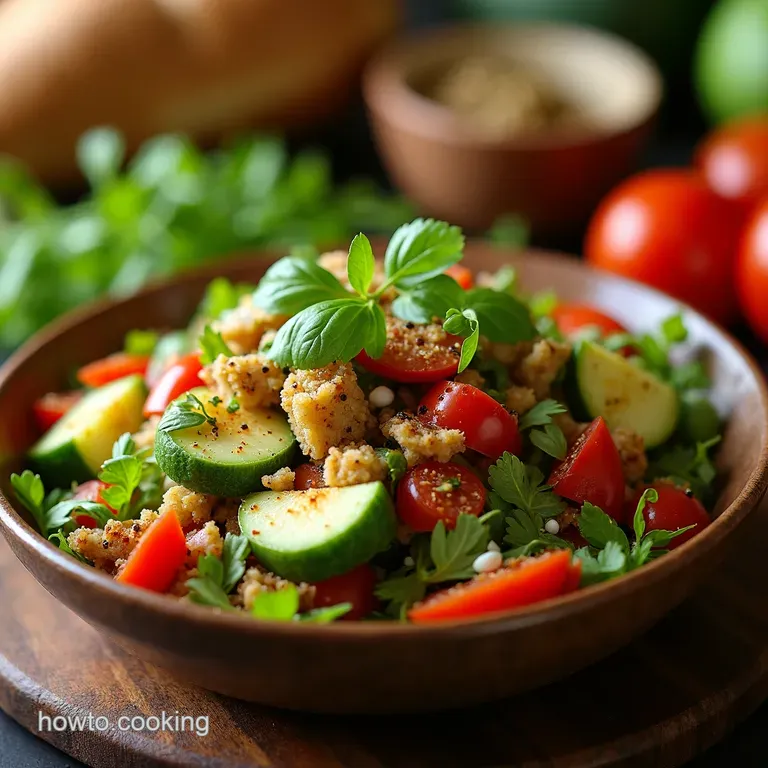
To execute a truly fantastic Lebanese Fattoush Salad Recipe , you need to be meticulous about your ingredient quality, particularly the produce and the essential spice, sumac.
We will be assembling the base salad components separately from the dressing, ensuring everything is optimally fresh before the final toss.
Selecting the Freshest Herbs and Vegetables for Richness
For the salad base, we rely on a combination of structure and flavour. You will need one large head of romaine lettuce, washed thoroughly and dried I cannot stress enough how important it is to have bone dry greens to prevent dilution.
For the diced elements, select two medium, ripe tomatoes and one large English or Persian cucumber, diced to a similar size for consistency. We add textural pop with about half a bunch of radishes, thinly sliced, and half a medium green bell pepper, diced small.
The aromatics are crucial: three sliced scallions (using both white and green parts) provide a gentle oniony heat, while a generous half cup of packed fresh parsley and a quarter cup of packed fresh mint leaves bring the herbaceous brightness essential to the dish.
The Bread Element: Preparing the Crispy Croutons
The khubz component is fundamental. You’ll need two 6 inch rounds of pita bread. If they are slightly stale, they work perfectly. Tear or cut these into rough 1 inch pieces. These pieces are then lightly tossed with 2 tablespoons of high-quality extra virgin olive oil before being toasted.
This bread absorbs the dressing just enough to hold flavour without collapsing instantly, provided you adhere to the timing guidelines later on.
Crafting the Bright, Acidic Sumac Vinaigrette
The Fattoush Dressing Recipe requires precision. Start with a generous 1/4 cup of good quality Extra Virgin Olive Oil its flavour truly shines here. Balance this richness with 3 tablespoons of freshly squeezed lemon juice. The star is 2 teaspoons of sumac.
You must use real sumac for that signature tang! Add one small clove of garlic, minced incredibly fine, along with 1/2 teaspoon of fine sea salt and 1/4 teaspoon of freshly ground black pepper. When whisked together, this creates the Best Fattoush Dressing you’ll ever taste.
Essential Equipment for Preparation
Preparation is simple, requiring mostly standard kitchen gear. You’ll need one large mixing bowl for tossing the salad ingredients, a smaller bowl or jar specifically for aggressively whisking the dressing ingredients together, and a standard baking sheet for toasting the pita bread.
Finally, have a large serving platter or bowl ready for the final presentation.
Related Recipes Worth Trying
- Authentic Lebanese Fattoush Salad Recipe with Sumac Dressing — Learn to make this vibrant Lebanese Fattoush Salad featuring toasted pita and a bright sumac vinaigrette Its a wonderfully healthy salad
- Creamy Avocado Egg Salad Recipe Ditch the Mayo — Our failsafe Avocado Egg Salad Recipe swaps heavy mayo for creamy avocado Make this Healthy Egg Salad for the ultimate vibrant Avocado Egg Salad Sandwich
- Hearty Mediterranean Orzo Salad Salad Recipes for a Crowd — Need easy salad recipes for a crowd that wont wilt This robust Greekinspired orzo salad is perfect for making ahead for BBQs or big family meals Get the recipe
Method Mastery: Assembling Your Lebanese Fattoush Salad step-by-step
Achieving the perfect balance in your Lebanese Fattoush Salad hinges on executing the steps in the correct order. We are aiming for maximum crunch juxtaposed with tender, flavour soaked vegetables.
Achieving Peak Crunch: Techniques for Perfect Fried or Baked Bread
Preheat your oven to 350° F ( 175° C). In a bowl, gently coat your 1 inch pita pieces with the 2 tablespoons of olive oil. Spread them out in a single layer on your baking sheet. Bake for 5 to 7 minutes, carefully watching them.
You are aiming for light golden brown edges and a distinct crispness. Once done, remove them and allow them to cool completely before they ever touch the wet ingredients. A warm crouton introduces steam, which is the enemy of crunch!
Prepping the Vegetables: Chopping for Optimal Mouthfeel
While the bread is cooling, focus on your vegetables. Ensure all your produce romaine, cucumbers, tomatoes, radishes, peppers, scallions, parsley, and mint are washed and thoroughly dried.
Dice the main vegetables into pieces roughly the same size, perhaps slightly larger than a large crouton, ensuring every forkful offers a mix of ingredients. Chop your herbs finely; their flavour needs to be distributed evenly. Combine all these prepared components in your large mixing bowl.
The Critical Dressing Integration Timing
Now, prepare your Sumac Dressing Recipe . In your small bowl, whisk the oil, lemon juice, sumac, garlic, salt, and pepper vigorously until they are nicely married. Taste it! It should be bright and slightly aggressive on its own, as it will mellow once coating the vegetables.
Take three quarters of this mixture and drizzle it over the prepared vegetables in the large bowl. Toss gently but thoroughly, ensuring every leaf and piece of vegetable receives a light coating.
The Final Toss: Combining All Components Harmoniously
This is the moment of truth for texture. Only once the vegetables are lightly dressed should you add the completely cooled, toasted pita bread pieces. Gently fold the bread into the salad.
The goal is to incorporate the bread without crushing it or allowing it to sit and absorb too much moisture before it reaches the table. Transfer everything immediately to your serving dish.
Elevating Your Lebanese Fattoush Salad Experience Further
This staple salad is already fantastic, but knowing a few expert nuances can take your Authentic Fattoush Salad from great to legendary.
Storage Secrets to Maintain Maximum Crispness
The golden rule for Fattoush storage is simple: Do not store it dressed . If you must prepare components ahead of time, keep the chopped vegetables and herbs chilled in one airtight container, and store the toasted pita bread completely separately in a dry container at room temperature.
Only combine them seconds before you intend to serve. If you have leftovers, the vegetables will be fine for a day, but the bread will have dissolved into the dressing.
Creative Variations: Beyond the Classic Vegetable Lineup
While the classic Fattoush sticks to the components listed, you can easily enhance your salad. For a richer meal experience, consider adding Fattoush Salad with Halloumi , grilling or pan-frying cubes of salty halloumi cheese until golden brown and tossing them in at the end they offer a wonderful salty chew.
You can also substitute some of the cucumber with thinly sliced green apples for an unexpected sweet tart note, or add a handful of dried cranberries for extra chewiness.
Nutritional Snapshot: Health Benefits of This Vibrant Dish
This vibrant salad is surprisingly nutritious. Dominated by fresh produce, it’s naturally rich in vitamins A and C. The liberal use of olive oil contributes heart healthy monounsaturated fats, making this a satisfying side dish.
Although the bread adds carbohydrates, the high volume of fibre from the vegetables keeps the overall glycemic impact balanced, making it a surprisingly virtuous choice among Lebanese Summer Salad options.
Pairing Perfection: What to Serve Alongside Your Fattoush
The inherent acidity and freshness of this salad make it an excellent foil for richer, grilled meats. It pairs beautifully with simple grilled Shish Tawook (chicken skewers) or Kofta Kebabs.
As part of a larger mezze spread, it must be accompanied by creamy classics like Hummus and Baba Ghanoush, allowing the Fattoush dressing to act as a bright counterpoint to those richer dips.
Finally, a dry rosé or a crisp Lebanese white wine will perfectly complement the tang of the Best Fattoush Dressing .
Frequently Asked Questions
Why does my Lebanese Fattoush Salad always go soggy when I make it?
Ah, the classic soggy bottom problem! This usually happens for two reasons: either you’ve added the toasted pita bread too early, or your lettuce wasn't dried properly after washing.
Always toss the cooled pita bread in right before you serve, almost as a last minute flourish, like putting the cherry on top of a Victoria sponge!
What is Sumac, and can I really make Lebanese Fattoush Salad without it?
Sumac is the absolute backbone of Fattoush dressing it's a dark red spice made from dried berries that gives the salad its signature tangy, lemony, slightly earthy flavour. While you could substitute it with extra lemon juice, you’ll miss that distinctive Middle Eastern depth.
Think of it as failing to include the zest in a proper lemon drizzle cake; you’ll notice the difference!
How far ahead of time can I prepare the components for this Fattoush?
You can prep almost everything ahead of time, which is brilliant for entertaining. Chop all your vegetables (tomatoes, cucumbers, peppers) and store them separately in airtight containers in the fridge. The dressing can also be whisked up and kept sealed.
Just make sure the pita chips are stored in a completely dry, airtight container so they don't absorb any moisture from the fridge air.
Can I add chicken or feta cheese to bulk up this salad?
Absolutely! While traditional Fattoush focuses on the vegetables and bread, it makes a cracking main course with added protein. Grilled chicken breast, cut into strips, works wonderfully.
If you fancy some cheese, creamy feta or salty halloumi are brilliant additions, but treat them like an add-on rather than a core component.
My pita bread isn't getting crispy what am I doing wrong when toasting?
Check your oven temperature; 350°F (175°C) is usually spot on for a gentle crisping rather than burning. Make sure you’re tossing the bread pieces lightly in olive oil first they need a tiny bit of fat to crisp up nicely.
If you're short on time, you can also toast them in a dry, wide frying pan over medium heat until they start sounding brittle.
Tangy Lebanese Fattoush Salad
Ingredients:
Instructions:
Nutrition Facts:
| Calories | 953 kcal |
|---|---|
| Protein | 11.3 g |
| Fat | 30.3 g |
| Carbs | 59.0 g |
| Fiber | 19.0 g |
| Sodium | 1020 mg |
