Tender Oven Baked Marinated Ribs
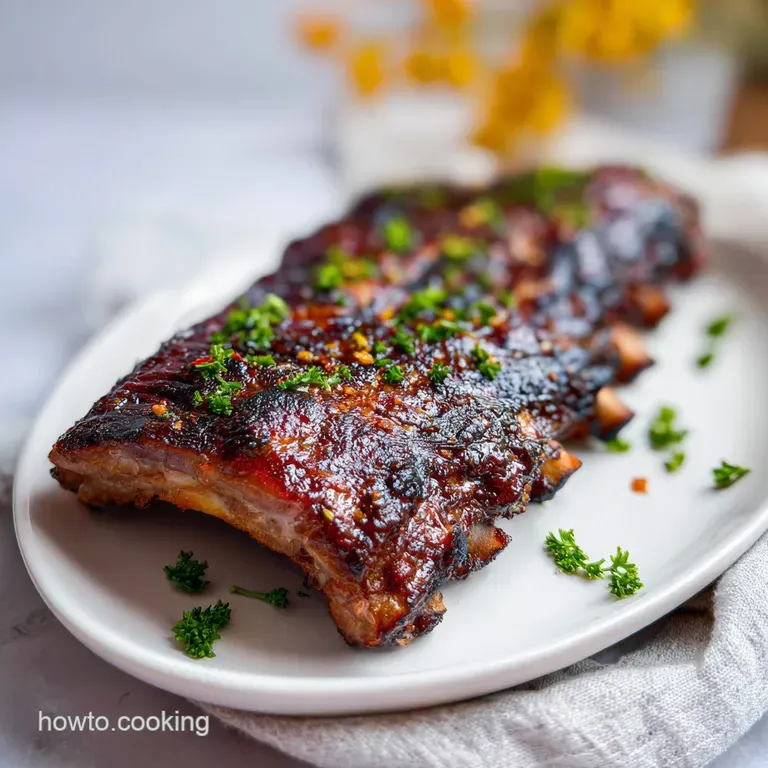
- Time: Active 20 minutes, Passive 3 hours 30 mins, Total 3 hours 50 mins
- Flavor/Texture Hook: Tangy sweet glaze with velvety, fall apart meat
- Perfect for: Stress free Sunday family dinners or meal prep
- Creating Truly Tender Marinated Ribs at Home
- Better Texture Through Simple Science
- Component Analysis and Selection
- Selecting Your Wholesome Elements
- Essential Kitchen Tools for Effortless Meat Prep
- Step by Step Guide for Better Oven Ribs
- Troubleshooting Common Texture and Flavor Issues
- Healthy Swaps and Wholesome Ingredient Substitutions
- Scaling for Large Gatherings or Small Batches
- Common Myths about Marinated Ribs
- Managing Leftovers and Preserving That Smoky Flavor
- Perfect Side Dishes to Complete the Meal
- Very High in Sodium
- Recipe FAQs
- 📝 Recipe Card
Creating Truly Tender Marinated Ribs at Home
Picture this: it is a chilly Sunday afternoon, and the kitchen is filled with the warm, pungent aroma of garlic and cider vinegar wafting from the oven. There is something deeply grounding about a slow cooked meal that doesn't require you to stand over a stove for hours.
I remember the first time I made these for a family gathering. I was so worried they would turn out dry or tough, but when I pulled that foil back and saw the meat literally retreating from the bone, I knew I had found a keeper.
The sizzle of the glaze under the broiler was the final touch that turned a simple dinner into something everyone still talks about.
We often think of ribs as a summer only, backyard grill endeavor, but the oven is actually a busy cook's best friend for getting that consistent, tender result. This method relies on a "low and slow" approach that takes the guesswork out of the process.
You aren't fighting flare ups or fluctuating charcoal temperatures. Instead, you are using a controlled environment to let the marinade do the heavy lifting. It is a wholesome, family friendly way to enjoy a classic comfort food without the intimidation factor of a professional smoker.
You can expect a dish that balances the earthy richness of pork with a bright, punchy marinade. We are skipping the bottled sauces filled with high fructose corn syrup and opting for real ingredients like pure maple syrup and coconut aminos. The result is a cleaner flavor profile that feels light yet satisfying.
Whether you are feeding a hungry crowd or just want leftovers that actually taste better the next day, this technique is a reliable staple for any home kitchen.
Better Texture Through Simple Science
Understanding what happens inside that foil pouch makes the three hour wait much easier to handle. We aren't just heating meat, we are managing a complex transformation of proteins and moisture.
- Collagen Breakdown: Pork ribs are packed with tough connective tissue that only softens when held at a steady temperature for a long duration, turning into silky gelatin.
- Acidic Tenderizing: The apple cider vinegar in the marinade gently weakens the surface proteins, allowing the flavors of the garlic and spices to migrate deeper into the muscle fibers.
- Steam Saturation: Wrapping the racks tightly in a double layer of foil creates a pressurized environment where the meat braises in its own juices, preventing the edges from drying out.
- Glaze Concentration: Simmering the leftover marinade reduces the water content, which leaves behind a thick coating that clings to the meat rather than sliding off.
- Caramelization Pulse: The brief stint under the broiler at the end uses intense top down heat to create those charred, crispy bits that provide a necessary contrast to the tender meat.
Before we get into the nitty gritty of the ingredients, it helps to decide which cooking method fits your schedule. While the oven is my go to for consistency, you might be tempted by the speed of a stovetop or the "set it and forget it" nature of a slow cooker.
| Cooking Method | Total Time | Texture Result | Best Use Case |
|---|---|---|---|
| Oven Bake | 3 hours 50 mins | Tender with crispy edges | Weekend family dinners |
| Slow Cooker | 8 hours 15 mins | Extremely soft, bone out | Busy workdays |
| Stovetop Braise | 2 hours 10 mins | Chewier, traditional | Smaller portions |
Choosing the right method depends entirely on how much you want to interact with the food. The oven provides the best middle ground for getting that "shatter" on the bark while keeping the interior juicy.
Component Analysis and Selection
Every item in this list serves a functional purpose. We aren't just adding things for the sake of it, each component helps balance the fat, salt, and sweetness.
| Ingredient | Science Role | Pro Secret |
|---|---|---|
| Apple Cider Vinegar | Breaks down tough fibers | Use organic with "the mother" for extra depth |
| Pure Maple Syrup | Provides sugar for browning | Grade A dark syrup offers the most robust flavor |
| Coconut Aminos | Adds salty umami notes | Swap for soy sauce if you don't need soy free |
| Liquid Smoke | Mimics outdoor wood firing | A little goes a long way, don't over pour |
The quality of your pork is the foundation of this dish. I always look for baby back ribs that have a good amount of "meat on the bones" and consistent marbling. If the rack looks too thin or "shiner" (where the bone is peeking through the meat), it might dry out too quickly during the long roast.
Selecting Your Wholesome Elements
When you're at the store, keep these specific items in mind. This list is designed to be accessible but high-quality, focusing on ingredients that provide maximum flavor with minimal processing.
- 2 racks (approx. 4 lbs) baby back pork ribs: Why this? They are leaner and cook faster than larger spare ribs.
- 0.5 cup apple cider vinegar: Why this? The acidity provides the necessary "bite" to cut through the pork fat.
- 0.25 cup coconut aminos or low sodium soy sauce: Why this? This provides the salty, savory base without being overwhelming.
- 2 tbsp Dijon mustard: Why this? It acts as an emulsifier for the marinade and adds a sharp tang.
- 3 tbsp pure maple syrup: Why this? A natural sweetener that caramelizes beautifully under the broiler.
- 1 tbsp liquid smoke: Why this? Essential for achieving that classic backyard flavor in an indoor oven.
- 4 cloves garlic, smashed and minced: Why this? Fresh garlic provides a much more vibrant aromatic profile than powder.
- 1 tsp smoked paprika: Why this? Adds a beautiful reddish hue and reinforces the smoky notes.
- 1 tsp onion powder: Why this? Provides a consistent savory background flavor throughout the meat.
- 0.5 tsp black pepper: Why this? Just enough heat to balance the sweetness of the syrup.
| Original Ingredient | Substitute | Why It Works |
|---|---|---|
| Maple Syrup | Honey | Similar viscosity, though honey is slightly sweeter and burns faster |
| Coconut Aminos | Tamari | gluten-free and very close in saltiness to soy sauce |
| Apple Cider Vinegar | White Wine Vinegar | Maintains acidity but offers a milder, fruitier finish |
If you find yourself enjoying the process of preparing these meats, you might also want to look into techniques for a grilled ribeye steak which uses a similar focus on temperature control and salt balance. Both recipes prioritize the integrity of the protein.
Essential Kitchen Tools for Effortless Meat Prep
You don't need a professional kitchen to make high end ribs. In fact, keeping the toolset minimal makes the cleanup much faster, which is always a win in my book. The most important items are things you likely already have in your cabinets.
First, you'll need a large rimmed baking sheet. This is non negotiable because as the ribs cook, they will release fat and juices. Without a rim, you’ll end up with a smoky mess on the floor of your oven. A heavy duty aluminum foil is also a must.
Standard foil is often too thin and can tear easily when you are trying to create a tight seal, which lets the steam escape and leads to dry meat.
A small saucepan is required for the finishing stage. Many people make the mistake of throwing away the liquid that accumulates in the foil pouches. That liquid is liquid gold! By simmering it down, you are concentrating all that pork fat and marinade into a thick, glossy syrup.
A simple silicone pastry brush helps apply that glaze evenly without tearing the tender meat.
step-by-step Guide for Better Oven Ribs
- Locate the thin, translucent membrane (silverskin) on the bone side of the ribs. Use a butter knife to pry up a corner, grab it with a paper towel, and pull it off completely. Note: This ensures the marinade can actually reach the meat from both sides.
- In a bowl, whisk together the apple cider vinegar, coconut aminos, Dijon mustard, maple syrup, liquid smoke, minced garlic, smoked paprika, onion powder, and black pepper.
- Place the ribs in a large gallon sized bag or deep glass dish. Pour the marinade over the ribs, ensuring all surfaces are coated. Seal and refrigerate for 12 to 24 hours.
- Preheat oven to 300°F (150°C). Wrap each rack tightly in a double layer of heavy duty aluminum foil, creating a sealed pouch to trap steam.
- Place the foil wrapped ribs on a large rimmed baking sheet and bake for 3 hours, until the meat is tender and starting to pull away from the bones.
- Carefully open the foil pouches and drain the juices into a small saucepan. Note: Be careful of the steam when opening the foil!
- Simmer the juices over medium high heat until reduced to a thick, syrupy glaze. Look for a consistency that coats the back of a spoon.
- Brush the reduced glaze over the ribs. Return to the oven under the broiler for 3-5 minutes until the edges are caramelized and charred.
Troubleshooting Common Texture and Flavor Issues
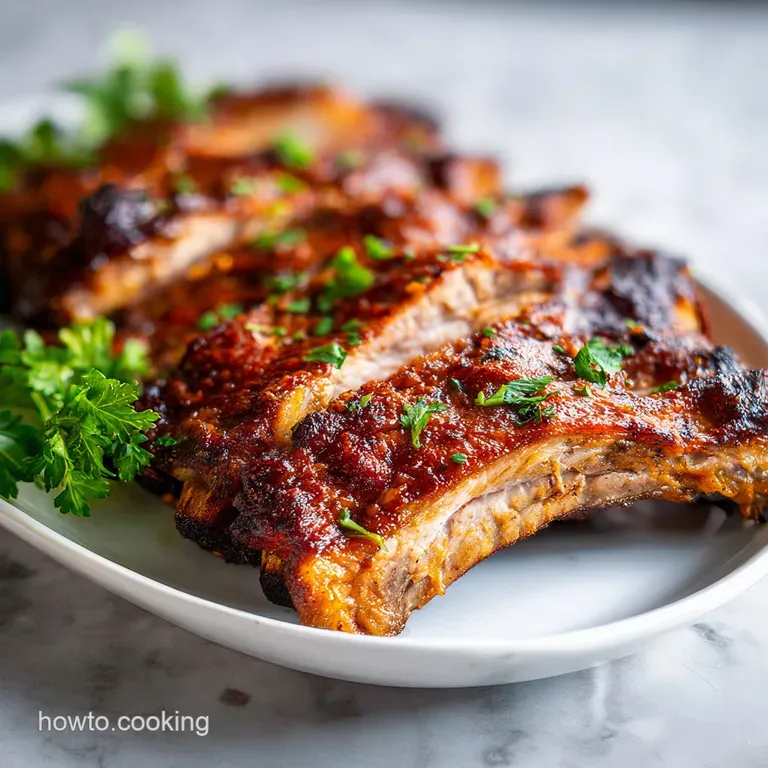
Sometimes things don't go exactly to plan, but almost every rib "disaster" is salvageable if you catch it in time. The most common complaint is meat that feels "tough."
Rescuing Tough Meat
If your three hours are up and the meat isn't pulling away from the bone, don't panic. Every oven runs differently, and some racks of ribs are just naturally thicker. The solution is simply more time. Seal the foil back up and give them another 30 minutes.
As long as the foil is sealed, they won't dry out, they just need more time for that collagen to melt.
Preventing a Soggy Crust
If your ribs look gray and wet after the baking phase, that is normal! That is the result of the steaming process. The "magic" happens during the broiler phase. If they still feel soggy, you might not have reduced your glaze enough. Make sure that liquid is thick and bubbly before you brush it on.
| Problem | Root Cause | Solution |
|---|---|---|
| Meat is dry | Foil pouch had a leak | Add a splash of broth to the pouch and reseal for 15 mins |
| Too much smoke flavor | Over measured liquid smoke | Balance with an extra tablespoon of maple syrup in the glaze |
| Glaze is too thin | Not reduced long enough | Continue simmering until it reaches a maple syrup consistency |
Common Mistakes Checklist
- ✓ Forgetting to remove the silverskin (prevents seasoning from penetrating).
- ✓ Wrapping the foil too loosely (allows steam to escape and dries the meat).
- ✓ Broiling for too long (the high sugar content in maple syrup burns quickly).
- ✓ Skipping the resting period (letting them sit for 5-10 minutes keeps them juicy).
- ✓ Using a flat cookie sheet without rims (dangerous for grease spills).
Healthy Swaps and Wholesome Ingredient Substitutions
If you are cooking for someone with specific dietary needs, this recipe is incredibly flexible. The core of the recipe is the method of steaming and glazing, which works with many different flavor profiles.
For a low carb or keto friendly version, you can replace the maple syrup with a monk fruit based brown sugar substitute. The texture of the glaze will be slightly different, but the flavor remains excellent.
If you are avoiding pork, this same marinade and cooking technique work surprisingly well with beef back ribs, though you will likely need to increase the initial bake time to 4 hours as beef bones are much denser.
If you are looking for more dinner inspiration that uses high-quality proteins, you might consider trying juicy spare ribs which explores a slightly different flavor profile using similar over low heat principles.
Scaling for Large Gatherings or Small Batches
When you need to double the recipe for a party, the biggest challenge is oven space. You can stack the foil pouches on top of each other during the first two hours of baking, but you must rotate them halfway through to ensure even heat distribution.
For small batches, if you are only cooking half a rack, you should still keep the cooking time nearly the same. While the total mass is less, the thickness of the ribs remains the same, and that is what dictates how long it takes for the collagen to break down.
You can reduce the liquid ingredients by half, but don't cut the spices quite that much or the flavor might feel a bit thin.
Common Myths about Marinated Ribs
One of the biggest misconceptions is that you need a smoker to get "real" ribs. While smoke adds a specific layer of flavor, the texture of a rib is determined by the internal temperature and the breakdown of connective tissue, both of which happen perfectly in a standard home oven.
Another myth is that boiling ribs before cooking "pre tenders" them. Honestly, don't even bother with boiling. All it does is leach the flavor out of the meat and into the water. The marinade and the foil wrap method are far superior for keeping the flavor where it belongs: inside the meat.
Finally, many people believe that "fall off-the bone" is the only sign of a good rib. In professional BBQ circles, they actually look for a "clean bite," where the meat comes off easily but still has a bit of structure. This recipe allows you to choose. If you want them falling off, cook them for the full time.
If you like a bit of tug, pull them out 15 minutes early.
Managing Leftovers and Preserving That Smoky Flavor
Store any leftover marinated ribs in an airtight container in the refrigerator for up to 4 days. When reheating, avoid the microwave if possible, as it tends to make the meat rubbery.
Instead, wrap the leftovers in foil with a tiny splash of water or apple juice and heat in a 300°F (150°C) oven until warmed through. This mimics the original cooking process and keeps them moist.
For long term storage, these ribs freeze beautifully. Wrap the cooked and cooled racks in plastic wrap, then a layer of foil. They will stay fresh in the freezer for up to 3 months. To serve, thaw them overnight in the fridge and follow the oven reheating method mentioned above.
Don't let the scraps go to waste! If you have small bits of meat left on the bones, pull them off and use them as a topping for a salad or stir them into a morning omelet. The smoky, sweet flavor of the pork is a fantastic way to add a wholesome protein boost to a quick weekday breakfast.
Perfect Side Dishes to Complete the Meal
Since the oven is already on, I love to roast some vegetables on the rack below the ribs during the last hour of cooking. Brussels sprouts or thick cut carrots hold up well to the long roasting time and benefit from the ambient heat.
A bright, acidic coleslaw is the traditional pairing for a reason. The crunch of the cabbage and the zing of a vinegar based dressing provide a necessary palate cleanser between rich, fatty bites of pork.
If you want something more substantial, a simple baked potato can be thrown into the oven alongside the ribs for the final 60 minutes.
Whatever you choose to serve, keep it simple. The ribs are the star of the show, and they deserve the spotlight. Just make sure you have plenty of napkins on hand part of the joy of eating ribs is getting a little bit of that sticky, wonderful glaze on your fingers!
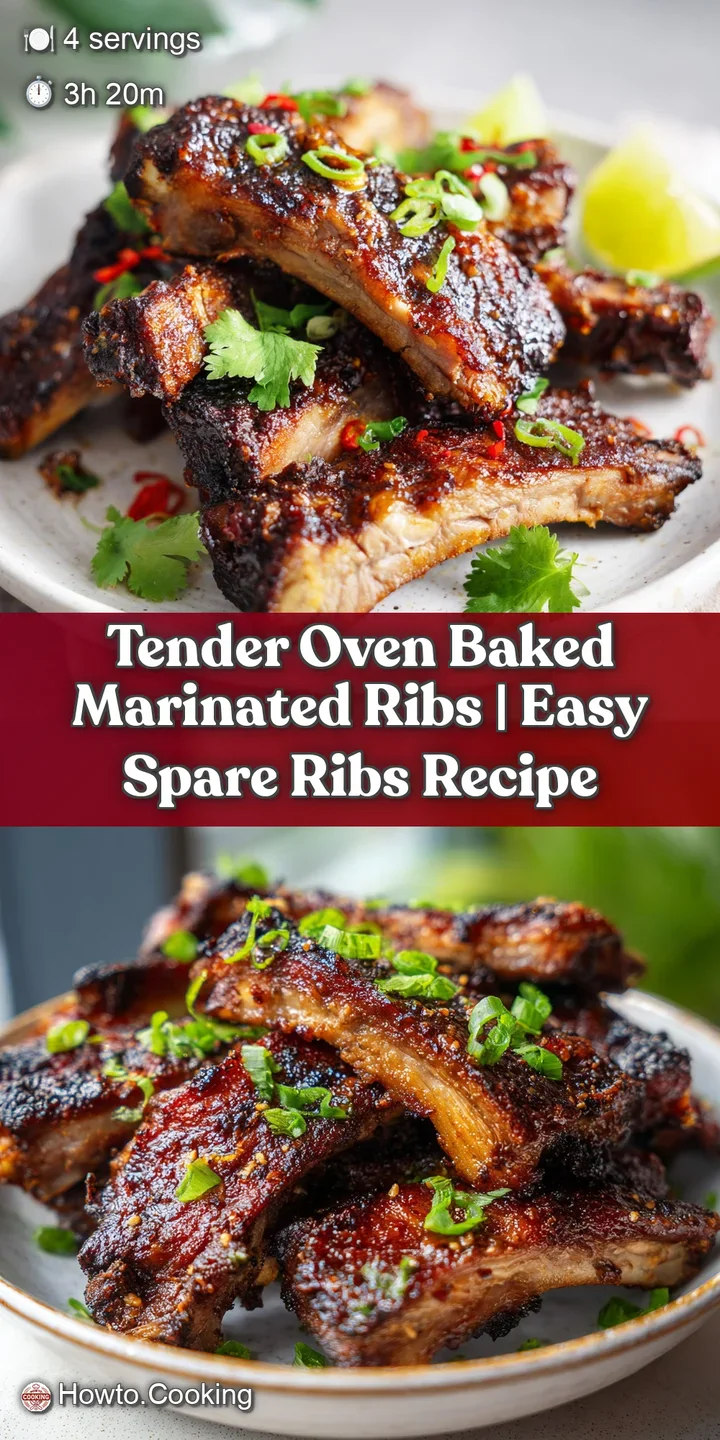
Very High in Sodium
1150 mg 1150 mg (50% 50% of daily value)
The American Heart Association recommends limiting sodium intake to 2,300mg per day, with an ideal limit of 1,500mg for most adults.
Tips to Reduce Sodium
-
Opt for Low-Sodium Soy Sauce-20%
Replace regular coconut aminos or soy sauce with a low-sodium variety. This is the primary sodium contributor in your marinade.
-
Emphasize Aromatics and Spices
Boost flavor by increasing the amount of garlic, smoked paprika, and onion powder. Consider adding fresh herbs like rosemary or thyme.
-
Reduce Maple Syrup-5%
While not a significant sodium source, slightly reducing the pure maple syrup can help overall flavor balance and potentially lower overall sodium if you're also reducing other sweet components.
-
Limit Liquid Smoke-5%
While liquid smoke adds a smoky flavor, it can contain sodium. Consider using it sparingly or exploring other smoking methods if possible, though its sodium contribution is moderate.
Recipe FAQs
What is the best thing to marinate ribs in?
Use a mixture of apple cider vinegar, coconut aminos, and maple syrup. This blend provides the necessary acidity to break down fibers, salt for seasoning, and sugars for caramelization when glazing.
How long are you supposed to let ribs marinate for?
Refrigerate for 12 to 24 hours. This timeframe allows the liquid smoke, garlic, and spices to fully penetrate the meat for the deepest flavor profile.
How to cook marinated ribs to ensure they are tender?
Wrap each rack tightly in a double layer of heavy duty aluminum foil. Baking at 300°F (150°C) inside a sealed pouch creates steam, which is the most effective way to tenderize the connective tissue over the 3-hour cook time.
What to soak your ribs in to make them tender?
Soak in a combination of apple cider vinegar and Dijon mustard. The acid in the vinegar and the enzymes in the mustard act as natural tenderizers for the pork.
Is it necessary to remove the silver skin before marinating?
Yes, you must remove the thin, translucent membrane from the bone side. This layer acts as a barrier; removing it with a butter knife and paper towel ensures the marinade actually reaches the meat.
How to finish the ribs for a professional glaze?
Simmer the leftover cooking juices until they reach a thick, syrupy consistency. Brushing this reduction onto the ribs before placing them under the broiler for 3-5 minutes creates a sticky, charred crust. If you enjoyed achieving this perfect maple based flavor balance, you can apply similar logic to other roasted dishes.
Can I speed up the marination process if I am short on time?
No, avoid rushing the process. You need at least 12 hours for the aromatics like garlic, onion powder, and smoked paprika to properly flavor the deep layers of the ribs.
Tender Oven Baked Marinated Ribs
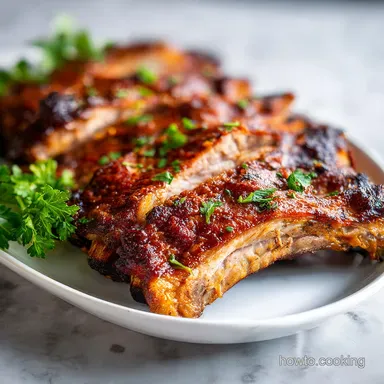
Ingredients:
Instructions:
Nutrition Facts:
| Calories | 1112 kcal |
|---|---|
| Protein | 70 g |
| Fat | 84 g |
| Carbs | 11 g |
| Fiber | 0.5 g |
| Sugar | 9 g |
| Sodium | 1150 mg |
