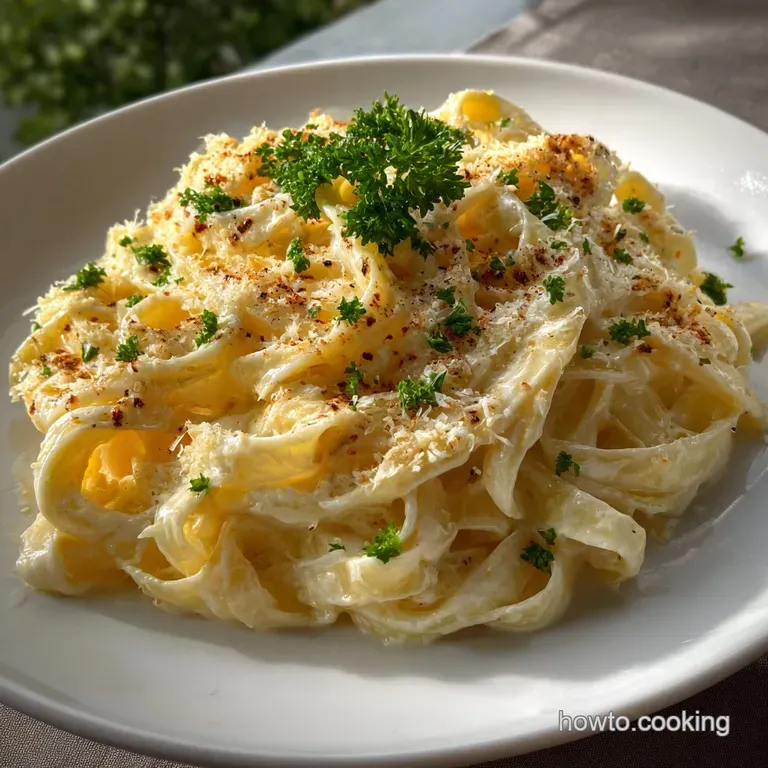
The Best Fettucine Alfredo: Silky & Velvety
- Time: Active 15 minutes, Passive 10 minutes, Total 25 minutes
- Flavor/Texture Hook: Silky, buttery, and incredibly velvety
- Perfect for: A comforting weeknight family dinner or an impressive date night
- Master the Techniques for The Best Fettucine Alfredo
- Vital Statistics for Your Family Meal
- The Essential Pantry Items You Need
- The Science of Why it Works
- Tools for Achieving Silky Results
- Step-by-Step Guide to Kitchen Confidence
- Expert Fixes for Silky Sauces
- Smart Swaps and Budget Adjustments
- Keeping Leftovers and Reducing Waste
- Perfect Pairings and Serving Ideas
- Common Questions for Home Cooks
- Recipe FAQs
- 📝 Recipe Card
Master the Techniques for The Best Fettucine Alfredo
Have you ever stood over a skillet, watching in horror as your expensive cheese clumps into a rubbery ball while a pool of oil separates around it? It is a heartbreaking moment for any home cook.
I remember the first time I tried making this for my family, thinking it was just "butter and cheese." I ended up with a greasy mess that no one wanted to eat. But once I understood the relationship between temperature and starch, my kitchen confidence soared.
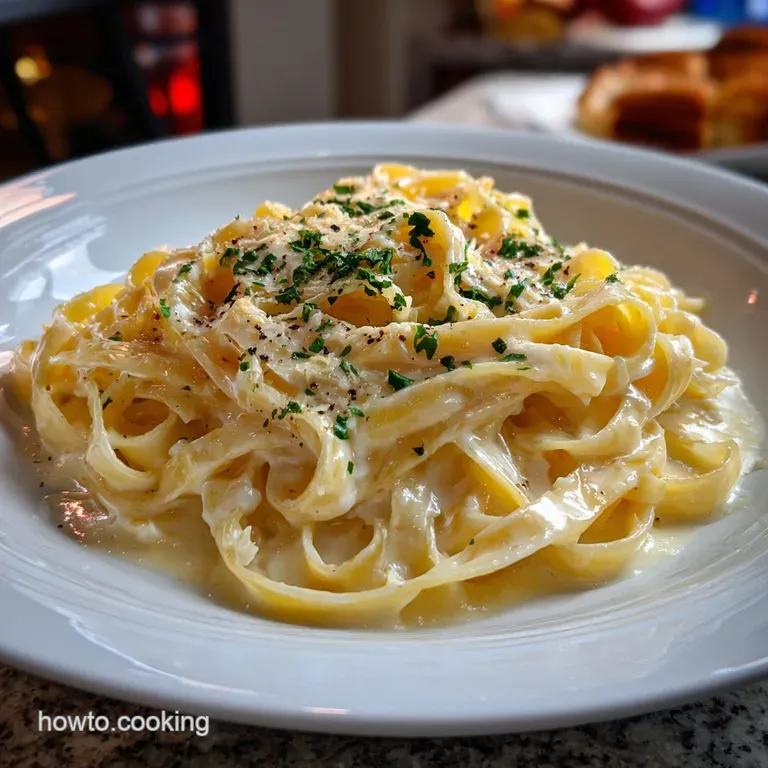
The Best Fettucine Alfredo isn't just about the ingredients, it is about the "marriage" of the pasta to the sauce. We aren't just dumping sauce on top of noodles. We are creating a cohesive, shimmering masterpiece that clings to every strand.
It is a wholesome, filling meal that brings everyone to the table with a smile.
Right then, let's talk about the textures. We want something that feels like silk on the tongue. We are aiming for a sauce that is thick enough to coat the back of a spoon but loose enough to swirl effortlessly. Trust me on this, once you nail the emulsion, you will never buy a jar of white sauce again.
It's brilliant, simple, and honestly, quite transformative for your midweek routine.
Vital Statistics for Your Family Meal
Creating a nutritious and flavorful meal for your family requires a bit of planning. When we look at the logistics of this dish, it is surprisingly fast. Because we are using the stovetop, we have total control over the heat, which is vital for preventing the dairy from breaking.
Unlike an oven baked pasta, which can sometimes dry out or lose its creamy edge, the stovetop method keeps everything lush and vibrant.
| Feature | Stovetop Method | Oven Baked Alternative |
|---|---|---|
| Texture | Silky and velvety | Crispy top, denser sauce |
| Speed | Ready in 25 minutes | Usually 45 60 minutes |
| Control | Easy to adjust moisture | Harder to fix if dry |
One of the things I love most about this recipe is the efficiency. While the 1 lb (454g) of dried fettuccine is dancing in the boiling water, you are already building the base of your sauce. It’s a rhythmic process that makes the 15 minutes of cooking time fly by.
The Essential Pantry Items You Need
For a budget smart approach, we focus on high impact ingredients. You don't need a pantry full of spices to make this work. In fact, keeping it simple allows the 1.5 cups (150g) of freshly grated Parmigiano Reggiano to shine.
If the authentic Italian cheese is a bit steep for the weekly budget, a high-quality domestic Parmesan works, provided you grate it yourself. Never use the stuff in a green shaker bottle it contains cellulose which prevents melting.
- 1 lb (454g) dried fettuccine: Why this? The wide, flat shape provides maximum surface area for the sauce to cling.
- Substitute: Linguine. It has a similar flat profile but is slightly narrower.
- 1 cup (240ml) reserved pasta water: Why this? The liquid gold contains starches that act as a natural emulsifier.
- Substitute: A splash of chicken broth mixed with 1/2 tsp cornstarch.
- 2 tbsp Diamond Crystal Kosher salt: Why this? Essential for seasoning the pasta from the inside out while boiling.
- Substitute: Sea salt, but use 1.5 tbsp as it is finer.
- 4 tbsp (56g) Kerrygold unsalted butter: Why this? Provides the fat base for the sauce without adding excess saltiness.
- Substitute: Salted butter, but omit any extra salt later in the process.
- 1 cup (240ml) heavy cream: Why this? Creates a rich, stable base that resists curdling better than milk.
- Substitute: Check out this Homemade Heavy Cream recipe if you are in a pinch.
- 1.5 cups (150g) freshly grated Parmigiano Reggiano: Why this? The aged crystals provide a nutty, savory umami punch.
- Substitute: Pecorino Romano for a saltier, sharper tang.
- 2 cloves garlic, finely minced: Why this? Adds a subtle aromatic layer that cuts through the heavy dairy.
- Substitute: 1/2 tsp garlic powder if fresh isn't available.
- 1/8 tsp freshly grated nutmeg: Why this? A classic French/Italian trick to brighten white sauces.
- Substitute: A tiny pinch of mace or just omit it.
- 1/2 tsp freshly cracked black pepper: Why this? Provides a sharp contrast to the creamy, rich textures.
- Substitute: White pepper for a cleaner look and a more floral heat.
- 1 tbsp fresh parsley, finely chopped: Why this? Adds a pop of color and a grassy freshness to finish.
- Substitute: Fresh basil or finely sliced chives.
The Science of Why it Works
Starch Emulsification: The starch released from the pasta into the cooking water acts as a surfactant, allowing the fat from the butter and cheese to bond with the water molecules.
Protein Suspension: Using heavy cream provides casein proteins that wrap around fat droplets, preventing them from clumping together and ensuring the sauce stays velvety instead of separating.
| Ingredient | Science Role | Pro Secret |
|---|---|---|
| Pasta Water | Stabilizer | Always scoop it out before draining the pasta to catch the max starch. |
| Heavy Cream | Fat Buffer | High fat content prevents the cheese from stringing by coating the proteins. |
| Parmigiano | Umami/Thickener | Grate it on the smallest holes of your Microplane for instant melting. |
Tools for Achieving Silky Results
To get that restaurant quality finish, the tools you use matter just as much as the ingredients. I personally swear by my All-Clad Stainless Steel 12 inch Skillet. The wide surface area allows the cream to reduce quickly and evenly.
You also want a solid Microplane Zester for the cheese; the finer the grate, the faster the melt.
Using a KitchenAid Pasta Press is wonderful if you are making noodles from scratch, but for this budget smart version, a large Lodge Enameled Cast Iron Dutch Oven is perfect for boiling the water.
It holds heat exceptionally well, ensuring the water returns to a boil quickly after you drop the pasta. Finally, grab a pair of OXO Good Grips Silicone Tongs. These are essential for tossing the noodles in the sauce without breaking them.
step-by-step Guide to Kitchen Confidence
Phase 1: The Foundation
- Boil the water. Fill your Dutch oven with water and add the 2 tbsp Diamond Crystal Kosher salt. Bring it to a rolling, aggressive boil.
- Cook the pasta. Drop the 1 lb (454g) of fettuccine into the water. Stir immediately to prevent the strands from sticking together. Cook for about 8 9 minutes, or until just shy of al dente.
Phase 2: Infuse the Base
- Sauté the aromatics. While the pasta cooks, melt the 4 tbsp (56g) Kerrygold unsalted butter in your large skillet over medium low heat. Add the minced garlic and sauté for 1 minute until fragrant and softened but not browned.
- Warm the cream. Pour in the 1 cup (240ml) heavy cream and the 1/8 tsp nutmeg. Let it simmer gently for 2 3 minutes. You want to see small bubbles around the edges, not a violent boil.
Phase 3: The Velvet Finish
- Save the water. This is the most important step! Before you drain the pasta, dip a measuring cup into the pot and save at least 1 cup (240ml) of that cloudy pasta water.
- Combine. Drain the pasta and immediately transfer the noodles into the skillet with the cream and butter. Use your tongs to coat every strand.
Phase 4: The Cheese Integration
- Add the cheese. Sprinkle the 1.5 cups (150g) of Parmigiano Reggiano over the pasta in three batches. Toss vigorously between each addition while adding splashes of the reserved pasta water.
- Emulsify. Continue tossing for 1 2 minutes over low heat. You will see the liquid and cheese transform into a shimmering, velvety sauce that hugs the pasta.
- Season. Turn off the heat. Add the 1/2 tsp freshly cracked black pepper and the 1 tbsp fresh parsley.
- Final Check. If the sauce looks too thick, add one more tablespoon of pasta water. It should look a bit loose in the pan; it will thicken the second it hits the plate.
Expert Fixes for Silky Sauces
Sometimes things go sideways in the kitchen. Maybe the phone rang, or the kids needed help with homework, and suddenly your sauce looks like wet wool. Don't panic! Most Alfredo issues are thermal. If the heat is too high, the cheese proteins tighten and squeeze out the fat. If it’s too cold, the fat solidifies.
Why Your Sauce Is Grainy
This usually happens because the cheese was added to a sauce that was boiling too hard, or you used pre-grated cheese. The starch coating on store-bought shreds creates a gritty texture that no amount of stirring can fix.
| Problem | Cause | Fix | Pro Tip |
|---|---|---|---|
| Sauce Separating | Heat too high | Add 1 tbsp cold cream and whisk | Remove from heat before adding cheese |
| Clumping Cheese | Added too fast | Add pasta water and toss rapidly | Use a Microplane for a "snow" texture |
| Dry Pasta | Absorbed liquid | Add reserved pasta water 1 tbsp at a time | Pasta continues to "drink" sauce after plating |
If you are looking for a dairy-free or gluten conscious alternative, you might find my gluten-free Alfredo Sauce recipe very helpful for those specific dietary needs. It uses similar emulsification principles but with different stabilizers.
Smart Swaps and Budget Adjustments
Scaling this recipe for a crowd is simple, but you have to be careful with the seasonings. When doubling the recipe, I find that you only need about 1.5 times the salt and pepper, otherwise, it can become overwhelming. For a smaller household, you can easily halve the ingredients.
Just remember to reduce the skillet size so the cream doesn't evaporate too quickly.
- Add grilled protein
- This pairs perfectly with my How to Cook recipe for crispy chicken.
- Vegetable boost
- Stir in steamed broccoli or sautéed mushrooms at the very end.
- Budget hack
- Use a mix of 50% Parmesan and 50% Monterey Jack. The Jack cheese melts beautifully and keeps the cost down while maintaining a creamy profile.
Chef's Note: For an unconventional flavor boost, add a tiny teaspoon of lemon zest at the very end. The acidity cuts through the heavy fat and makes the whole dish feel lighter and more nutritious.
Keeping Leftovers and Reducing Waste
Alfredo is notorious for being difficult to reheat, but it isn't impossible. In the fridge, the sauce will solidify into a block. This is actually a good sign it means you used real fats! It will stay fresh for about 3 days.
I don't recommend freezing the finished pasta, as the noodles tend to turn to mush when thawed. However, you can freeze the sauce base (minus the cheese) for up to 2 months.
To reheat, avoid the microwave at all costs. It will cause the sauce to "break" and leave you with a pool of yellow oil. Instead, put the pasta in a small skillet with 2 tablespoons of milk or water. Cover it and heat over the lowest setting possible, tossing occasionally until it returns to its velvety state.
If you have leftover cheese rinds, don't throw them away! Toss them into a bag in the freezer and add them to your next pot of vegetable soup for a massive hit of umami.
Perfect Pairings and Serving Ideas
Presentation is the final step in kitchen confidence. Serve this in warmed bowls to keep the sauce fluid for longer. A simple side of crusty sourdough or a bright arugula salad with a lemon vinaigrette provides the perfect contrast to the rich fettuccine.
For dessert, since you've already got the whisk out, you could whip up some Peanut Butter Cookies recipe or, if it's winter and you have fresh powder outside, try this fun Snow Ice Cream recipe.
Common Questions for Home Cooks
Why use unsalted butter?
Using unsalted butter gives you total control over the sodium levels. Between the pasta water and the Parmigiano Reggiano, there is already a lot of salt in this dish. Using unsalted butter ensures the flavor remains wholesome and balanced rather than unpleasantly salty.
Does the cream type matter?
Yes, heavy cream (or heavy whipping cream) has a higher fat content than half and half or whole milk. This fat acts as a stabilizer. If you try to use milk, the sauce will be much thinner and far more likely to curdle when you add the acidic cheese and heat.
Myth: You must rinse the pasta after boiling to keep it from sticking. Truth: Never rinse! Rinsing washes away the precious starch we need to build the sauce. The starch is the "glue" that makes the Best Fettucine Alfredo actually work.
Myth: Authentic Alfredo only uses butter and cheese. Truth: While the original Roman version (Fettuccine al Burro) is just butter and young Parmesan, the version we love globally often includes cream for stability and a more luxurious mouthfeel.
Both are valid, but the cream version is much more forgiving for the home cook.
I hope this guide gives you the confidence to tackle this classic. It's a flavorful, nutritious way to feed your family something that feels special without breaking the bank. Happy cooking!

Recipe FAQs
How to make the best fettuccine alfredo?
Save the starchy pasta water. The starch acts as a necessary emulsifier to bind the fat and liquid into a sauce that clings to the noodles beautifully. This technique, mastering the starch-to-fat ratio, is key to achieving a silky finish.
How to make the best fettuccine alfredo sauce?
Cold cheese causes clumping. Temperature shock denatures the milk proteins, causing separation when the cheese hits the hot liquid.
- Remove from heat before adding cheese
- Add grated cheese gradually
- Always use freshly grated Parmigiano Reggiano
How to make the perfect fettuccine alfredo?
Use freshly grated Parmigiano Reggiano. Pre-shredded cheese contains anti caking agents like cellulose that prevent smooth melting. Freshly grated cheese incorporates evenly into the emulsion, ensuring a glossy texture.
How to make the best chicken fettuccine alfredo?
Cook the chicken separately. Adding raw chicken risks overcooking the dairy sauce while waiting for the meat to reach temperature. Sear or grill the chicken, slice it, and fold it in right at the very end when you add the black pepper.
How to make the best shrimp fettuccine alfredo?
Sauté shrimp quickly in garlic butter. Remove shrimp once pink, setting them aside while you build the main sauce base. Overcooking shrimp releases too much moisture, which can thin out your sauce unnecessarily.
What is the best fat to use: Butter or Heavy Cream?
Unsalted butter. While heavy cream provides necessary protein and moisture buffer, butter is the primary fat emulsifier. Using unsalted butter allows you precise control over the overall salinity of the final dish.
Should I use Parmesan or Pecorino Romano?
Myth: Pecorino Romano is an acceptable 1:1 replacement for Parmesan. Reality: Pecorino is much saltier and tangier due to its sheep's milk base. Use about 25% less Pecorino, or you risk overwhelming the delicate cream flavor.
The Best Fettucine Alfredo
Ingredients:
Instructions:
Nutrition Facts:
| Calories | 865 kcal |
|---|---|
| Protein | 29 g |
| Fat | 46 g |
| Carbs | 88 g |
| Fiber | 3 g |
| Sugar | 2 g |
| Sodium | 980 mg |
