Authentic Mexican Mole Sauce
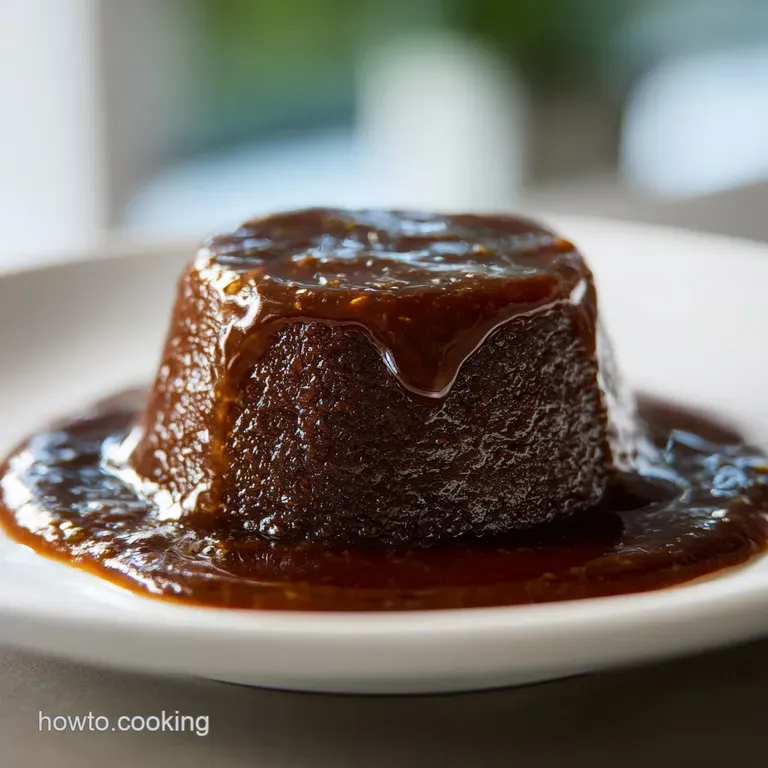
- Time: Active 20 minutes, Passive 40 minutes, Total 1 hour
- Flavor/Texture Hook: Smoldering, earthy heat with a silky, luxurious mouthfeel
- Perfect for: Sunday family feasts or impressive meal prep for flavorful weeknight dinners
- Why You’ll Love This Mole Sauce Recipe
- The Chemistry of the Char
- Essential Mole Sauce Preparation Specs
- Core Elements for Deep Flavor
- Kitchen Tools for Smooth Blending
- Step-by-Step Cooking Process
- Fixes for Common Cooking Issues
- Creative Regional Flavor Variations
- Effective Storage and Freshness Tips
- Perfect Pairings for This Sauce
- Scaling for Different Crowds
- Kitchen Myths Debunked
- Mole Sauce FAQs
- 📝 Recipe Card
Why You’ll Love This Mole Sauce Recipe
The first time I stood over a pan of toasting chiles, I realized I'd been missing out on a whole world of flavor. The air in my kitchen filled with this deep, raisiny aroma that made my mouth water instantly.
I used to be intimidated by the idea of making an authentic Mole Sauce, thinking it required a week of labor and a hundred ingredients. But honestly, once you hear that first sizzle of the onions and smell the cinnamon hitting the warm oil, you'll realize it's more about the rhythm than the difficulty.
I’ve spent a few years tweaking this version to make it approachable without losing that soul satisfying complexity. We aren't just making a sauce here, we're building a foundation of flavor that transforms a simple piece of chicken into a celebration.
I remember serving this to my skeptical uncle who spent summers in Puebla, and seeing his eyes light up after the first bite was all the validation I ever needed. It’s rich, it’s wholesome, and it brings a sense of accomplishment that store-bought jars just can't touch.
You don't need to be a professional chef to get this right. We're going to focus on building layers carefully, ensuring every component from the charred tortilla to the toasted almonds plays its part. By the time we're done, you'll have a velvety, mahogany colored sauce that smells like a dream and tastes like home.
Let's get into the flow of it and build your kitchen confidence together.
The Chemistry of the Char
Capsaicin Diffusion: Toasting the dried chiles in oil for exactly 30 seconds awakens fat soluble flavor compounds that remain dormant in their dried state.
Maillard Synergy: Charring the corn tortilla provides toasted starch molecules that act as both a smoky flavor agent and a stable thickener for the emulsion.
Polyphenol Balance: The tannins in Mexican chocolate react with the acidity of the tomatoes and broth to round out the chile's sharp edges, creating a velvety finish.
| Method | Time | Texture | Best For |
|---|---|---|---|
| Classic Skillet | 1 hour | Silky & Complex | Traditional Family Dinners |
| Pressure Cooker | 25 minutes | Thin & Bright | Quick Weeknight Enchiladas |
| Slow Cooker | 6 hours | Dark & Intense | Deeply Infused Braised Meats |
Using the classic skillet method allows you to control the toast on each ingredient, which is how we achieve that specific, deep flavor profile. If you're looking for a shorter path, you might find similarities in the simplified base of a Buffalo Sauce Recipe, though the complexity here is much higher.
Essential Mole Sauce Preparation Specs
| Ingredient | Science Role | Pro Secret |
|---|---|---|
| Dried Chiles | Flavor Foundation | Remove every seed to prevent a bitter, gritty aftertaste. |
| Mexican Chocolate | pH Balancer | Add at the very end to prevent the sugar from scorching. |
| Toasted Almonds | Emulsification | Blend while chiles are hot to release natural oils for creaminess. |
Core Elements for Deep Flavor
- 4 dried Ancho chiles (60g): Deep, plum like sweetness. (Sub: Dried Mulato chiles for more earthiness) Why this? Provides the base body and dark color for the sauce.
- 3 dried Pasilla chiles (40g): Rich, herby notes. (Sub: Dried Negro chiles)
- 2 dried Guajillo chiles (20g): Bright, tea like acidity. (Sub: Cascabel chiles)
- 1 medium white onion (150g): Savory backbone. (Sub: Yellow onion)
- 4 cloves garlic (12g): Pungent aromatic. (Sub: 1 tsp garlic powder in a pinch)
- 1/2 cup (75g) toasted almonds: Essential fat and thickness. (Sub: Toasted walnuts) Why this? Creates a luxurious, nutty texture without flour.
- 1/4 cup (35g) sesame seeds: Toasty top notes. (Sub: Tahini)
- 1/4 cup (40g) raisins: Natural sugar to balance heat. (Sub: Dried prunes)
- 1 corn tortilla (28g): The traditional smoky thickener. (Sub: 2 corn chips)
- 1 disc (90g) Mexican chocolate: Floral sweetness. (Sub: Dark chocolate + pinch of sugar)
- 1 tsp (2g) ground cinnamon: Warmth and aroma. (Sub: Half a cinnamon stick, toasted)
- 1/4 tsp (0.5g) ground cloves: Intense spicy depth. (Sub: Allspice)
- 1 tsp (2g) dried oregano: Earthy herbal balance. (Sub: Marjoram)
- 2 tbsp (30ml) vegetable oil: Searing medium. (Sub: Lard for extra authenticity)
- 4 cups (950ml) chicken broth: The liquid vehicle. (Sub: Vegetable broth)
- 1 tsp (6g) sea salt: Flavor enhancer. (Sub: Kosher salt)
Kitchen Tools for Smooth Blending
You won't need a pantry full of gadgets, but a high powered blender is your best friend here. It’s the difference between a gritty paste and a sauce that coats the back of a spoon like silk.
I usually reach for my heavy cast iron skillet to toast the chiles because the heat retention is unmatched, ensuring I don't get cold spots that leave chiles raw.
Don't forget a fine mesh strainer. Even with the best blender, those little bits of chile skin can be stubborn. Pushing the sauce through a sieve is the "pro move" that makes your homemade version look like it came from a high end restaurant.
It takes an extra three minutes, but trust me, your palate will thank you for the smoothness.
step-by-step Cooking Process
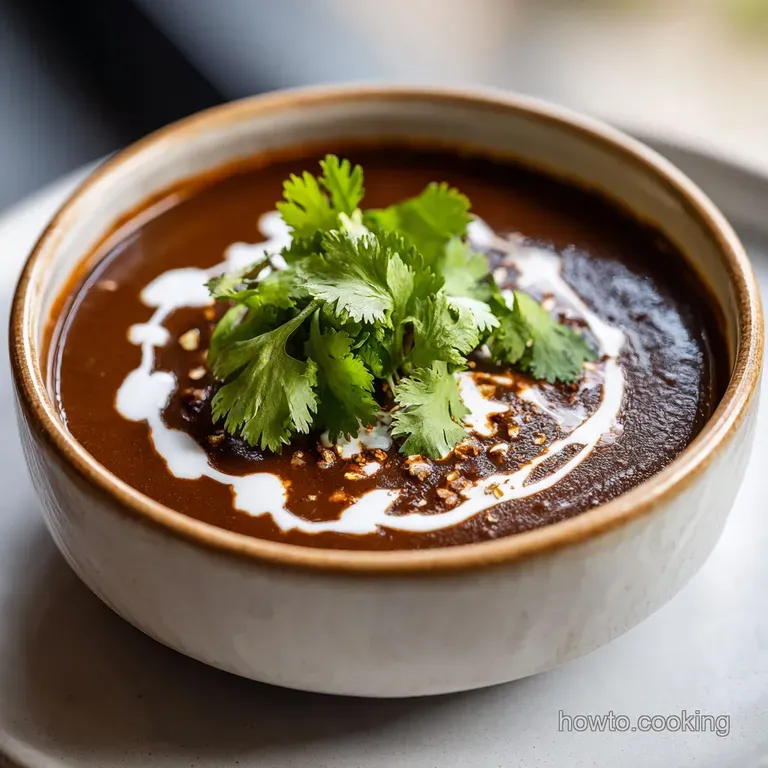
1. Prepare and Rehydrate the Chiles
Remove stems and seeds from the 4 Ancho, 3 Pasilla, and 2 Guajillo chiles. Toast them in a dry pan for 30 seconds per side until they smell fragrant and slightly lighten in color. Place them in a bowl with 2 cups of warm broth to soak for 15 minutes.
Note: Over toasting makes them bitter, so watch for that slight puffiness.
2. Sauté the Aromatics
Heat 1 tbsp oil and cook the quartered onion and garlic cloves until they are softened and show charred brown edges. Add the raisins for the last minute until they plump up.
3. The Power Blend
Place the soaked chiles (and their liquid), sautéed aromatics, 1/2 cup almonds, 1/4 cup sesame seeds, and the charred tortilla into the blender. Process on high until the mixture is completely smooth and no large flecks remain.
4. The "Sizzle" and Simmer
Heat the remaining 1 tbsp oil in a large pot. Carefully pour in the blended paste until it sizzles loudly and begins to darken. Add the remaining broth, cinnamon, cloves, and oregano.
5. Finishing Touches
Lower the heat and stir in the chopped Mexican chocolate and sea salt. Simmer uncovered for 20 minutes, stirring occasionally, until the sauce thickens and a layer of oil begins to bead on the surface.
6. Strain for Silkiness
Pour the sauce through a fine mesh sieve into a clean bowl, using a spatula to push through all the liquid. Discard the solids remaining in the strainer.
7. Final Consistency Check
If the sauce is too thick, whisk in an extra 1/4 cup of broth. It should be thick enough to cling to a spoon but thin enough to pour gracefully.
Fixes for Common Cooking Issues
The texture is gritty.
This usually happens if the nuts aren't blended long enough or the chile skins weren't fully hydrated. It can also occur if you skip the straining step. The fix is simple: put it back in the blender with a splash of warm broth and process for another two minutes on the highest setting.
My sauce is too bitter!
Bitterness comes from over toasting the chiles or the garlic. You can balance this out by adding a small pinch of brown sugar or another half disc of Mexican chocolate. The sugar and fat will counteract the sharp bitter notes on your tongue.
| Problem | Root Cause | Solution |
|---|---|---|
| Sauce is too thin | Not enough reduction | Simmer uncovered for 10 more mins |
| Sauce tastes flat | Lack of acidity or salt | Add a squeeze of lime or 1/4 tsp salt |
| Scorch marks on bottom | Heat was too high | Transfer to clean pot; do not scrape burnt bits |
If you find yourself struggling with the balance of flavors, remember that cooking is an art. Much like adjusting the richness in a Mole Sauce with recipe, a little patience and a few extra minutes of simmering can fix almost anything.
Common Mistakes Checklist
- ✓ Remove every single seed from the chiles to prevent unwanted heat and bitterness.
- ✓ Soak chiles in warm liquid, not boiling, to keep the flavor bright.
- ✓ Don't skip charring the tortilla; it's the secret to that deep, smoky undertone.
- ✓ Always strain the final sauce for a professional, velvety mouthfeel.
- ✓ Add the chocolate at the very end to keep its delicate floral notes intact.
Creative Regional Flavor Variations
For an Extra Smoky Kick
Swap the Guajillo chiles for dried Chipotle chiles (Meca or Morita). This moves the profile toward a "Mole Negro" style, offering a smoldering heat that pairs beautifully with grilled beef or roasted pork.
Nut Free Substitution
If you need to avoid nuts, use 1/2 cup of toasted pumpkin seeds (pepitas) or sunflower seeds. The texture remains creamy, but you get a lovely green, earthy undertone that is quite common in certain Oaxacan variations.
- If you want a sweeter sauce, double the raisins and add 1 tbsp of piloncillo.
- If you want it spicier, keep the seeds from one of the Guajillo chiles.
- If you want a thicker sauce, use two charred tortillas instead of one.
Effective Storage and Freshness Tips
Store your Mole Sauce in an airtight glass container in the fridge for up to 5 days. Actually, I think it tastes even better on day two or three because those complex spices have more time to mingle and mellow out. To freeze, portion the sauce into freezer bags, squeeze out the air, and store for up to 3 months.
For a zero waste approach, don't throw away those strained solids! You can mix them into a bit of cream cheese for a smoky spread or add them to a vegetable soup base for instant depth.
If you have leftover sauce, it's the perfect base for "Chilaquiles Mole" the next morning just toss with fried tortilla chips and top with a fried egg.
Perfect Pairings for This Sauce
Traditionally, this sauce is the star of the show when drizzled over poached chicken or turkey. However, it’s incredibly versatile. I love using it as a base for enchiladas, especially when stuffed with shredded pork or even roasted sweet potatoes and black beans for a nutritious vegetarian twist.
You can also serve it alongside a bowl of fluffy rice and warm corn tortillas to soak up every last drop. If you're looking for a complete menu, it pairs exceptionally well with a simple side of sautéed greens or a crisp radish salad to cut through the richness. For another comforting classic that uses layering techniques, you might enjoy exploring The Comfort Classic recipe for those colder evenings.
Scaling for Different Crowds
When scaling down to half, the physics of the blender can be tricky. Use a smaller blender cup or a whisk for the final simmer, and reduce the initial sauté time by 20% since smaller quantities cook faster. For a single egg substitution in a half batch, whisk one egg and use exactly half.
If you are doubling the recipe for a large party, don't simply double the spices. Increase the salt and cloves to 1.5x first, taste, and then adjust. Liquids should be reduced by about 10% because a larger volume loses less moisture to evaporation during the simmering process.
Always work in batches when blending to avoid "steam explosions" from a too full blender.
Kitchen Myths Debunked
One big misconception is that Mole Sauce is just "chocolate sauce." In reality, the chocolate is a background player used for balance and texture, not the main flavor. Most of the complexity comes from the dried chiles and the toasted nuts.
Another myth is that you need a long list of 30+ ingredients for a "real" mole. While some ceremonial versions are that complex, a wholesome, flavorful homemade version can be achieved with the core essentials we used today.
The secret is in the technique the toasting, the soaking, and the frying of the paste rather than the sheer number of items in your cart. Searing the paste in hot oil doesn't "seal" it, but it does trigger a fast Maillard reaction that deepens the color and flavor instantly.
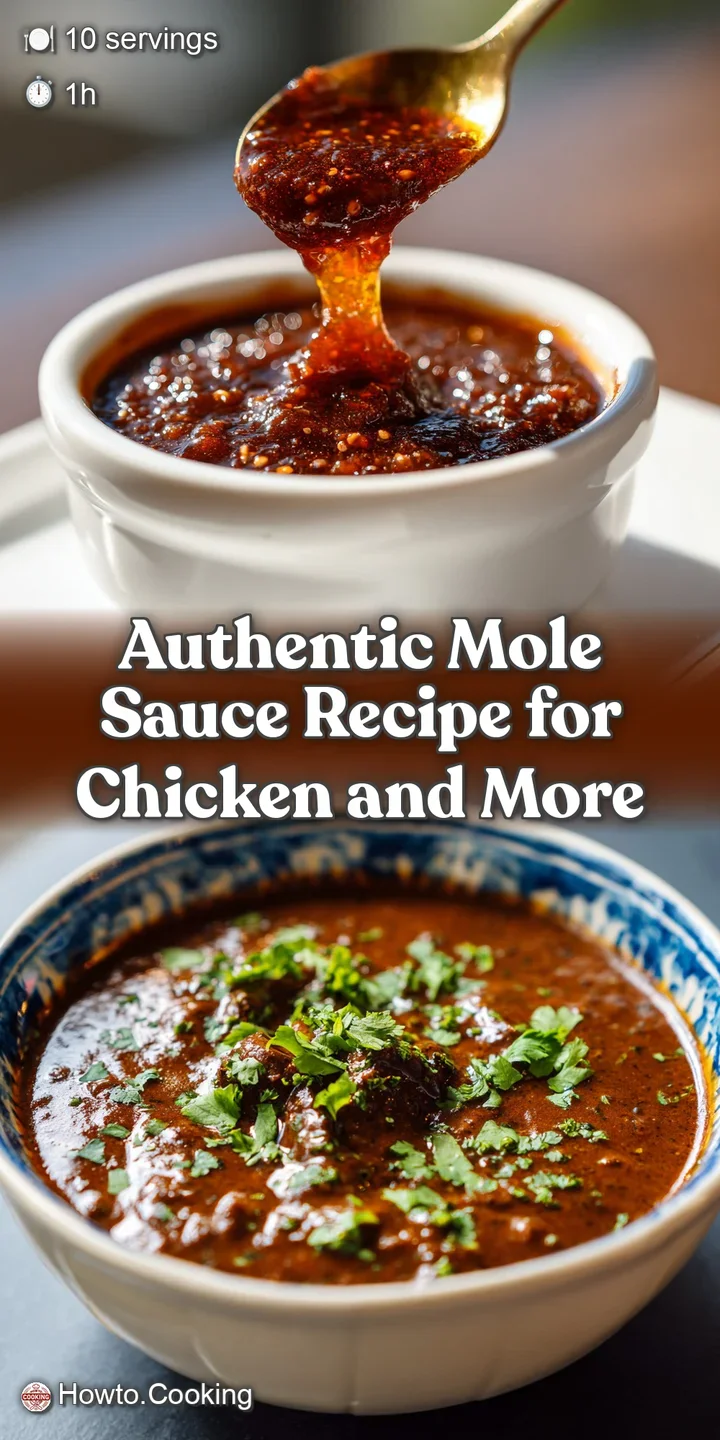
Mole Sauce FAQs
What is mole sauce primarily made of?
It is primarily made from a complex paste of dried chiles, nuts, seeds, and spices. Mexican chocolate is added late in the process primarily to balance the acidity and bitterness of the chiles, not to make it taste sweet.
Does mole taste like chocolate?
No, the chocolate flavor should be subtle and background. It provides necessary bitterness and depth, balancing the heat from the chiles and acting as an emulsifier for texture.
Is mole sauce spicy or sweet?
It is traditionally savory, earthy, and balanced, leaning away from sweet. The heat level depends entirely on the blend of dried chiles used; Guajillo provides mildness while others can add significant punch.
Is mole just Mexican curry?
No, mole is distinctly Mexican and structurally different from curry. While both use complex spice blends, curry often relies on turmeric and fresh aromatics, whereas mole focuses heavily on dried, toasted chiles and thickening agents like seeds and nuts.
How do I achieve the silky, velvety texture in my mole?
Blend all the toasted ingredients with hot liquid until completely smooth, then strain the final sauce. Mastering this texture involves ensuring your nuts are well toasted to release oils, similar to how you build flavor and body in a Baked Ziti Casserole recipe using fats to suspend flavor.
Can I use store-bought dried chiles that are old or stale?
No, using old chiles will result in a dull, dusty flavor profile. Always lightly toast your dried chiles in a dry pan until they just become fragrant; this process wakes up the fat-soluble compounds, which is key to unlocking that authentic depth.
What is the traditional way to use leftover mole sauce?
Traditionally, it is spooned generously over poached chicken or turkey. For an easy breakfast adaptation, use it as a base for Chilaquiles, tossing fried corn tortillas in the sauce until coated; if you enjoyed the principle of simmering to build depth here, you'll appreciate the flavor infusion in our Cranberry Sauce recipe.
Traditional Mole Sauce Recipe
Ingredients:
Instructions:
Nutrition Facts:
| Calories | 196 kcal |
|---|---|
| Protein | 4.1 g |
| Fat | 9.9 g |
| Carbs | 18.2 g |
| Fiber | 4.5 g |
| Sugar | 8.8 g |
| Sodium | 512 mg |
