The Ultimate Stovetop Baked Macaroni and Cheese Rich Creamy and Golden Brown
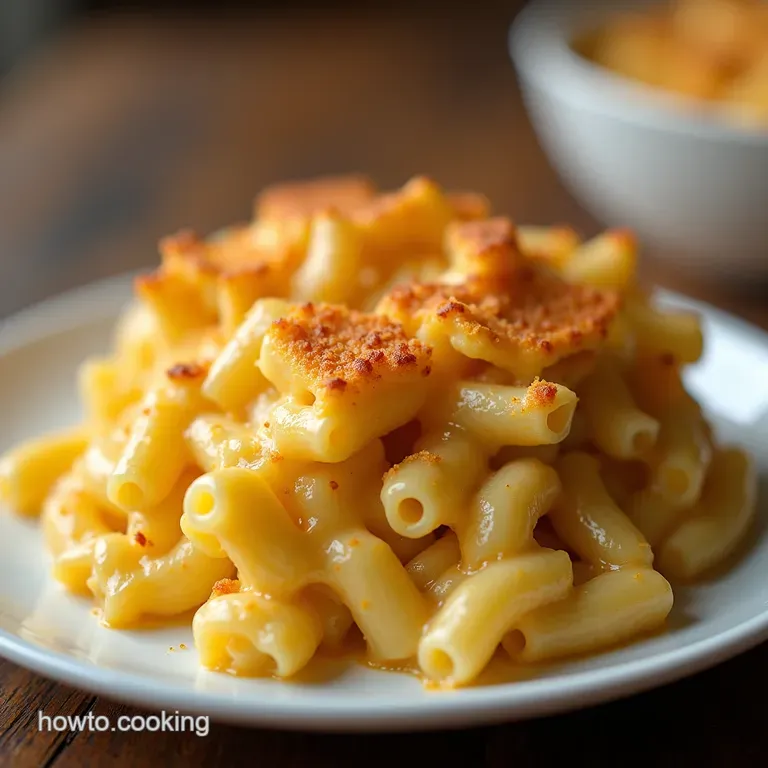
- Elevating Comfort Food: Why This Macaroni and Cheese Defies Expectations
- The Philosophy Behind Our Velvety Sauce Base
- Assembling the Cathedral Components: What You'll Need
- Phase One: Constructing the Silky Béchamel Foundation
- Phase Two: Achieving the Ultimate Baked Golden Crust
- The Grand Assembly: Combining Pasta and Sauce
- Pro Tips for Next-Level Sauce Stability and Storage
- Variations to Customize Your Comfort Classic
- Recipe FAQs
- 📝 Recipe Card
Elevating Comfort Food: Why This Macaroni and Cheese Defies Expectations
There are dishes, and then there are institutions . Macaroni and Cheese firmly falls into the latter category. It’s the dish synonymous with childhood nostalgia, rainy days, and sheer, unadulterated comfort.
However, many versions fall tragically short either too thin, grainy, or tasting faintly of plastic. Not ours. We are going far beyond the powdered packet nostalgia to construct what I firmly believe is the Best Mac N Cheese Recipe available: a truly decadent, deeply savoury, and texturally perfect experience.
This isn't merely food; it’s an edible event. We are building the Ultimate Mac And Cheese , one precise step at a time, culminating in a stovetop wonder that is then transformed into a masterpiece through the oven’s gentle heat.
The Philosophy Behind Our Velvety Sauce Base
The secret to any spectacular Macaroni and Cheese lies squarely in the sauce. Anything less than flawless here results in disappointment. Our approach borrows heavily from classical French technique, ensuring that the resulting cheese sauce is not just sauce , but a silken dream that clings perfectly to every piece of pasta.
Ditching the Box: Our Promise of True Gourmet Flavor
The first step in achieving gourmet flavour is respecting tradition while embracing quality ingredients. We bypass the artificial neon orange powders of our youth and focus on building a complex base flavor from scratch.
This commitment is what moves this dish from simple weeknight fare to a centerpiece worthy of a special occasion. We are aiming for a Grown-Up Macaroni and Cheese , rich with natural dairy notes and sharp, tangy cheese profiles.
The 'Hug in a Bowl' Experience Defined
What truly defines that emotional connection we have with this dish? It’s the texture that incredible, flowing gooiness. When executed correctly, you achieve a Velvety Macaroni and Cheese that coats the palate without weighing it down.
Achieving this means paying close attention to heat management when incorporating the dairy and, crucially, when melting the cheese in later stages.
Unlocking the Secret to a Non-Grainy Cheese Blend
The single biggest culinary fear when making homemade mac and cheese is curdling or graininess. This occurs when the cheese proteins tighten up due to excessive heat or the inclusion of stabilizers found in pre-shredded cheese.
Our solution involves a calculated blend: we use a high-quality, aged Sharp Yellow Cheddar for its bold flavour, tempered beautifully by Gruyère, which boasts excellent melting properties due to its higher moisture content. This duet ensures superb flavour extraction without the textural penalty.
Assembling the Cathedral Components: What You'll Need
Creating this Homemade Macaroni and Cheese Recipe requires organization. Before we turn on the stove, the assembly of ingredients the grating of cheese, the measuring of milk sets the stage for smooth execution.
We are preparing enough for 6 to 8 generous servings, making this perfect for a family gathering or substantial meal preparation.
Curating the Perfect Cheese Quartet for Depth
While the recipe focuses on the Cheddar Gruyère pairing, the crucial takeaway here is the necessity of grating cheese from blocks. Pre-shredded varieties contain starches intended to keep them from clumping in the bag; these same starches will sabotage your smooth sauce emulsion.
Plan for approximately 2 1/2 cups of freshly grated cheese total.
Pasta Perfection: Choosing the Right Macaroni Shape
While the name suggests Elbow Macaroni, you have flexibility. The key is choosing a short pasta shape with ridges or good surface area to capture the luscious sauce. Bronze cut pasta, if available, is highly recommended, as its rougher texture provides microscopic anchor points for the Mornay sauce.
Remember, we cook this pasta to slightly less than al dente since it will continue cooking during the bake.
Roux Readiness: Essential Dairy and Thickening Agents
The foundation of our Béchamel begins with equal parts butter and flour half a cup of each forms our thickening agent. For the liquid component, 4 cups of whole milk are required. Whole milk offers the necessary fat content to create a rich, emulsified sauce that won't separate under the oven's heat.
Flavor Architects: Spices and Aromatics That Make the Difference
A truly great cheese sauce needs more than just salt and pepper. A small but mighty pinch of freshly grated nutmeg is non-negotiable for a classic Béchamel, providing warmth without tasting overtly spicy.
On top of that,, a teaspoon of Dijon mustard acts as an emulsifier and enhances the inherent tang of the cheddar, deepening the savory profile without making the sauce taste distinctly of mustard.
Phase One: Constructing the Silky Béchamel Foundation
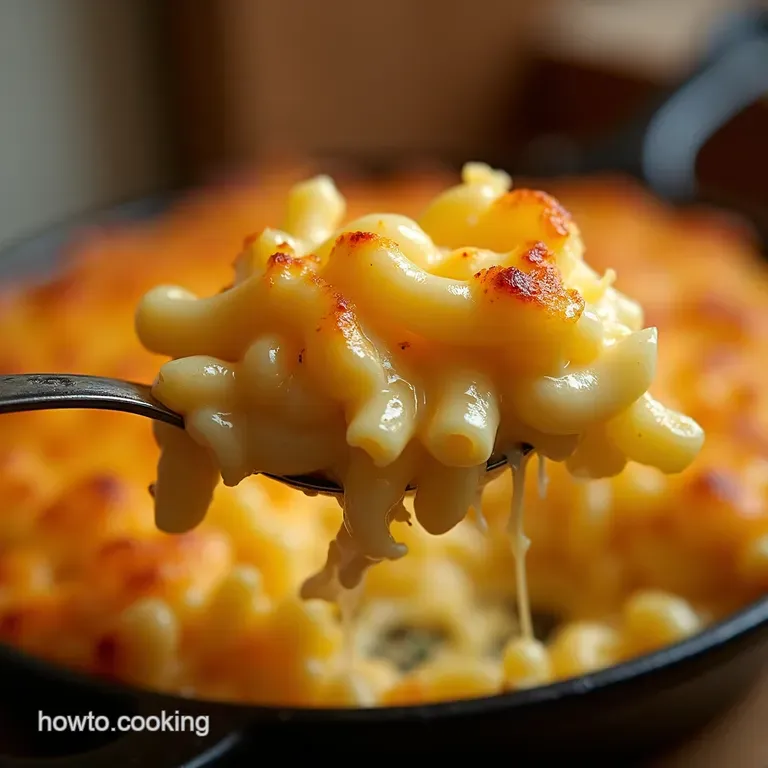
This is where patience earns its reward. In a heavy bottomed pot, we begin by melting half the butter a full stick’s worth over medium heat. Once melted, whisk in the flour vigorously for about two minutes. This step cooks out the raw flour taste, creating a blonde roux.
The colour should remain pale; we are not aiming for a nutty brown roux, just a cooked paste.
Next, slowly introduce the 4 cups of slightly warmed whole milk, whisking continuously. Start by adding just a small splash to incorporate into the roux, creating a thick paste, then gradually stream in the remainder.
Continue whisking over medium high heat until the sauce begins to visibly thicken enough to coat the back of a spoon this typically takes about five to eight minutes. Bring this Béchamel base to a low simmer, ensuring you maintain that gentle bubble, not a rolling boil.
Remove the pot from the heat source entirely before proceeding to the next step.
Related Recipes Worth Trying
- Ultimate Chocolate Espresso Cheesecake Recipe Foolproof Baking — Bake the perfect decadent Chocolate Espresso Cheesecake with our easy water bath method This rich Coffee Cheesecake No Bake alternative is pure indulgence
- The Ultimate Garlic Butter Steak Bites and Mash Recipe — Forget fancy restaurants This Garlic Butter Steak Bites and Mash recipe delivers tender juicy steak tips smothered in garlic butter over a creamy mash Get...
- Ultimate NoBake Peppermint Cheesecake Bites Recipe — Forget the oven These NoBake Peppermint Cheesecake Bites use a simple Oreo crust for a quick dazzling holiday dessert Ready in minutes
Phase Two: Achieving the Ultimate Baked Golden Crust
While the sauce base is resting off the heat, we prepare for the grand finale of texture. For the topping, skip soggy white breadcrumbs. We employ 1 cup of Panko breadcrumbs, tossing them with 2 tablespoons of melted butter until evenly coated.
These light, airy Japanese breadcrumbs toast up spectacularly, providing the perfect audible crunch against the creamy interior. Prepare your 9x13 inch dish by greasing it well and preheating your oven to 375° F ( 190° C).
The Grand Assembly: Combining Pasta and Sauce
With the Béchamel safely off the heat, we now elevate it to the status of Mornay sauce the French term for a Béchamel enriched with cheese.
Mastering the Mornay Sauce Infusion
Begin stirring in the grated cheddar and Gruyère, a handful at a time. The residual heat from the Béchamel is sufficient to melt the cheese perfectly, provided you stir constantly and allow each addition to fully incorporate before adding more.
This slow, deliberate addition is what prevents fat separation. Once all cheese is melted and the sauce is perfectly smooth, stir in the Dijon and nutmeg, then season generously with salt and pepper.
Taste it it should be vibrant and slightly saltier than you think necessary, as the pasta will absorb some of that seasoning.
Pre-Baking Prep: Tempering and Folding Techniques
At this point, your 1 pound of pasta, cooked until it’s just shy of fully done, should be drained thoroughly. If the sauce appears overly dense which is likely if you prefer a looser final product thin it using small splashes of the reserved starchy pasta water until it flows beautifully.
Gently fold the pasta into the Mornay sauce until every noodle is enveloped. Transfer this mixture evenly into your prepared Macaroni and Cheese Casserole dish.
Bake Times and Temperature Secrets for Maximum Crispness
Sprinkle the buttered Panko evenly over the surface. Place the dish into the preheated 375° F oven. Bake for 20 to 25 minutes. The goal is to heat the entire dish through, allow the flavors to meld, and achieve that signature bubbling around the edges while the Panko browns into a spectacular crust.
This methodical approach ensures this is the Easiest Baked Mac And Cheese you’ve ever made, delivering professional results with accessible steps.
How to Prevent Dry Spots in Your Finished Macaroni and Cheese
Dry spots occur when the sauce is too stiff going into the oven, or if you don't use enough liquid overall. By ensuring your sauce is slightly looser than you desire for the stovetop phase, and by using the starchy pasta water as a binder, you guarantee moisture retention throughout the baking process.
Pro Tips for Next Level Sauce Stability and Storage
To ensure your sauce remains stable, never reheat it aggressively on the stovetop; low and slow is the key. If you find the sauce has broken (separated into oil and cheese solids) during reheating, remove it from the heat immediately and whisk in a tablespoon of cold milk or a small squeeze of fresh lemon juice to help re-emulsify the fats.
This Macaroni and Cheese Recipe Easy to follow, but these small tweaks secure its creamy longevity.
Variations to Customize Your Comfort Classic
While this classic rendition is superb, customization is part of the fun of cooking.
Troubleshooting: Fixing a Separated or Oily Cheese Sauce
If your sauce splits on the stovetop before you even add the pasta, don't despair. Remove it from the heat, grate an extra ounce of Gruyère or another good melting cheese, and whisk it in off-heat until the sauce comes back together. The new proteins will help stabilize the emulsion.
make-ahead Strategies for Effortless Entertaining
You can absolutely prepare this dish in advance. Follow all steps through combining the pasta and sauce, assemble in the baking dish, cover tightly, and refrigerate for up to 24 hours.
When ready to bake, let it sit on the counter for 30 minutes to temper slightly, add the Panko topping, and increase the baking time by about 10 to 15 minutes to account for the cold starting temperature.
Adding Luxurious Mix-Ins: Truffle Oil and Smoked Meats
For a truly luxurious evening, drizzle a few drops of high-quality white truffle oil over the sauce just before topping with Panko. Alternatively, folding in shredded, slow smoked pulled pork or crispy bacon bits elevates this comfort staple into a hearty main course.
Nutritional Insights for a Healthier Indulgence
While this is inherently an indulgent dish, you can slightly lighten the load by substituting half the whole milk with 2% milk, although be aware this slightly decreases the final richness.
Focus instead on portion control; a smaller serving of this perfectly executed Macaroni and Cheese satisfies more deeply than a large plate of mediocre leftovers.

Recipe FAQs
My cheese sauce always ends up lumpy or splits when I make Macaroni and Cheese what’s the trick to getting it velvety smooth?
Ah, the dreaded clumpy sauce! This usually happens when you add the cheese too quickly or the heat is too high. Ensure your Béchamel base is smooth before adding any cheese, and remove the pan from the heat entirely.
Add the freshly grated cheese slowly, a handful at a time, stirring until each addition is fully melted before introducing the next batch. Keep calm and carry on!
Do I absolutely have to bake this recipe, or can I just eat it straight from the stovetop?
You absolutely can enjoy this stovetop, especially if you’re short on time or craving that ultra gooey texture immediately think of it as a luxurious sauce over pasta. However, baking transforms it into "The Cheddar Cathedral" by setting the structure slightly and giving you that essential, irresistible golden, crunchy Panko topping.
It’s worth the extra 20 minutes in the oven!
Why do you insist on using block cheese instead of pre-shredded cheese for this Macaroni and Cheese recipe?
It’s all down to science, my friend! Pre-shredded cheese is coated with starches, like potato starch, to stop the shreds from sticking together in the bag. Those starches inhibit a smooth, silky melt, often leading to a gritty or grainy sauce.
Grating your own cheese (especially sharp cheddar and Gruyère) guarantees a superior, restaurant quality melt.
I made a huge batch; how should I store leftovers, and will the texture still be good when I reheat it?
Store leftovers in an airtight container in the fridge for up to four days. To reheat, the sauce will inevitably thicken up a bit that’s normal. Stir in a splash of milk or a spoonful of reserved pasta water (if you saved any!) for every serving you reheat, warming it gently on the stovetop or in the microwave until it’s back to that lovely, creamy consistency.
My pasta seems too soft after mixing it with the sauce; what can I do differently next time?
That's because the pasta keeps cooking! For the best result, you must pull the pasta out when it’s slightly underdone we call this al dente. Aim for 1-2 minutes less than the package directs. Remember, it will soften further while you make the sauce and especially during the final bake time.
Ultimate Baked Mac And Cheese
Ingredients:
Instructions:
Nutrition Facts:
| Calories | 1200 kcal |
|---|---|
| Protein | 16.9 g |
| Fat | 49.8 g |
| Carbs | 61.3 g |
| Fiber | 8.9 g |
| Sodium | 566 mg |
