German Butter Pound Cake: Authentic Rührkuchen Recipe
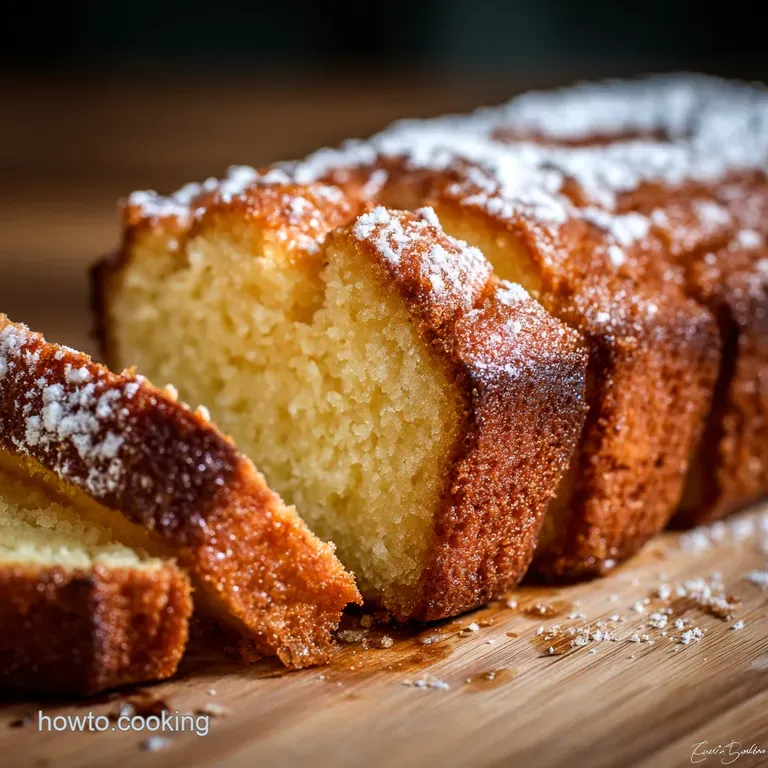
- Bavarian Beauty: The Ultimate German Butter Pound Cake (Rührkuchen)
- Embracing the Simplicity of Authentic Rührkuchen
- The Science Behind the Tender, Rich Crumb of This German Butter Pound Cake
- Quality Components: Ingredients List and German Baking Essentials
- Mastering the Batter: Step-by-Step Guide to Baking the Rührkuchen
- Troubleshooting and Chef’s Secrets for Perfect Results
- Keeping the Crumb Fresh: Proper Storage and Freezing
- Perfect Pairings: What to Serve Alongside Your Bavarian Beauty
- Recipe FAQs
- 📝 Recipe Card
Bavarian Beauty: The Ultimate German Butter Pound Cake (Rührkuchen)
Embracing the Simplicity of Authentic Rührkuchen
Forget everything you think you know about dry, cardboard pound cake. This classic German Butter Pound Cake recipe, or Rührkuchen , fills your kitchen with the deepest, most comforting butter aroma you can imagine.
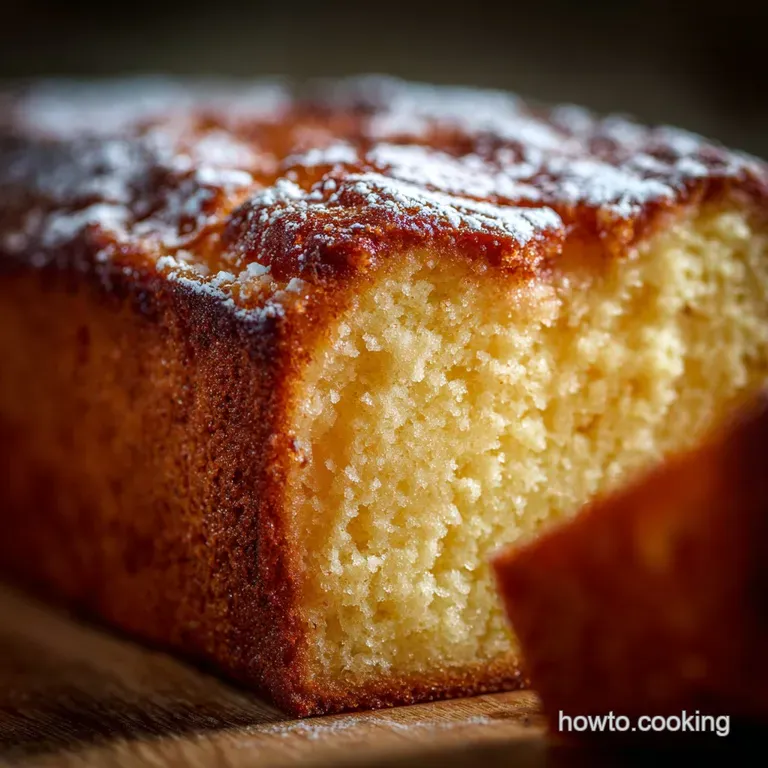
The crust is beautifully golden and crisp, while the inside is so impossibly rich and velvety it’s truly cake nirvana.
This cake is my absolute lifesaver when I need dessert fast, especially since it uses just a handful of quality pantry staples I always have on hand. It's inexpensive to make and unbelievably reliable, which means less time stressing and more time enjoying the glorious results.
Honestly, it’s the perfect, simple foundation for a proper Sunday afternoon tea.
The secret to this "Bavarian Beauty" is all about dedicated technique, not tricky ingredients. We're going old school, focusing purely on the critical creaming method to guarantee that signature dense, beautiful crumb. Let's crack on and master the authentic Rührkuchen tradition.
The Science Behind the Tender, Rich Crumb of This German Butter Pound Cake
What Makes German Pound Cake Unique?
The German Rührkuchen translates literally to "stir cake," which sounds simple, but the results are incredibly sophisticated. Unlike those high leavening sponge cakes, this specific recipe gets its necessary lift primarily from mechanical aeration that means trapping tiny air bubbles during the aggressive creaming stage.
This meticulous method yields a much finer, wonderfully tender crumb structure that holds its moisture perfectly.
Essential Tools for the Perfect Batter
You absolutely need a good electric mixer for this recipe, full stop. Trying to manually cream butter for seven minutes will truly test your sanity and your wrist strength, so don't attempt it.
I highly recommend using a stand mixer fitted with the paddle attachment, as it manages the heavy mixture and scrapes the bowl best. A digital kitchen scale is also absolutely mandatory if you want perfect German baking accuracy; trust me on this critical measurement.
The Art of Creaming: Maximizing Butter Flavor
Creaming is exactly where the actual magic happens; we're essentially transforming butter and sugar into a light, airy foam. This necessary process both dissolves the sugar crystals and incorporates the air that will help lift the cake during baking. It creates a soft, delicate texture while maximizing that pure, wonderful butter taste. If you've never tried a browned butter cake before, you should check out my recipe for Toffee Cookies: Chewy Browned Butter Recipe with Sea Salt Finish to see how much flavour butter can really provide.
Why Ingredient Temperature Matters for Cake Structure
This is the absolutely critical step where 90% of beginners fail: all chilled ingredients must be at room temperature, ideally around 68°F (20°C). Cold eggs or cold milk will immediately shock the creamed butter mixture, instantly causing the batter to curdle or "break." A broken batter can't hold air effectively, resulting in a dense, heavy, and often tough cake; we are going to avoid that structural disaster today.
Quality Components: Ingredients List and German Baking Essentials
Selecting the Best Butter for Maximum Flavor
Since butter is the literal star of this classic butter pound cake, please splurge on the good stuff this time. Look specifically for butter with at least 82% fat content, often labeled European style; higher fat means less water, yielding a richer flavor and superior final texture.
Always use unsalted butter so you can perfectly control the salt level yourself.
Flour Power: Weighing vs. Volume Measurement
I truly cannot stress this enough: volume measurement is unreliable for rich butter pound cake recipes. If you accidentally add just a little too much flour and two scoops too many is easy to do the resulting cake will be tough and unbelievably dry.
Weigh your flour using a scale for guaranteed German baking success , aiming for exactly 250 grams for the perfect crumb.
Expert Swaps: Adjusting for Specific Dietary Needs
We all need simple options sometimes, right? If you're out of whole milk or maybe dealing with dietary restrictions, there are easy fixes that still deliver that beautiful, rich crumb. Here are a few swaps that maintain the necessary structure:
| Ingredient | Viable Substitute | Notes |
|---|---|---|
| Whole Milk | Buttermilk | Use 1/4 tsp less baking powder due to buttermilk acidity. |
| Unsalted Butter | high-quality vegan butter or shortening | Ensure the fat content is high for structural integrity. |
| All-Purpose Flour | Substitute 1/4 cup with Cornstarch | This creates a slightly more tender, "cakey" texture. |
Notes on Pan Preparation and Lining
Preparing your pan meticulously ensures the easiest release, which prevents the sides of your beautiful Rührkuchen from sticking and tearing. For a standard loaf pan, use a double layer of parchment paper to create a sling, leaving an overhang on the two long sides; this baker’s sling method makes removal absolutely foolproof.
If you are using a fancy Bundt pan, brush every crevice with softened butter and then dust heavily with flour.
Mastering the Batter: step-by-step Guide to Baking the Rührkuchen
Phase 1: Preparing the Pan and Preheat Precision
Preheat your oven immediately to 350°F (175°C) and then prepare your pan well before you even touch the ingredients. The oven needs to be fully hot and ready when your batter is mixed, since waiting around allows the leavening agents to lose their power.
Whisk your dry ingredients flour, salt, and baking powder so they are thoroughly aerated and set that bowl aside.
Phase 2: Whipping the Butter and Sugar to Perfection
This step requires total dedication; you must cream the super soft butter and granulated sugar together for 5 to 7 full minutes on medium speed. The mixture should dramatically transform from dense, yellowish grit into something pale, fluffy, and visibly increased in volume, almost like whipped cream.
Stop frequently at least every minute to scrape the sides and the bottom of the bowl down.
Phase 3: Incorporating Eggs and Dry Ingredients Gently
Add the room temperature eggs one at a time, making sure each one is completely incorporated before adding the next one. Then, reduce your mixer to the lowest possible speed and alternate adding the dry mix and the milk in three separate additions.
Start and end with the flour; this specific strategy prevents the batter from curdling and encourages even mixing. As soon as the last streak of flour disappears, turn off the mixer immediately do not overmix, ever.
Phase 4: Monitoring Doneness and the Critical Cooling Process
Bake the cake for 55– 65 minutes; the precise time depends entirely on your specific oven. Look for a deep golden colour and a beautiful cracked dome down the middle. A long wooden skewer inserted into the very centre should emerge completely clean, with no wet batter clinging to it.
Allow the cake to cool fully in the pan on a wire rack for 15 minutes before turning it out gently. This 15 minute wait is crucial for letting the delicate structure set properly.
Troubleshooting and Chef’s Secrets for Perfect Results
Why Your Cake Might Be Dry (And How to Fix It Next Time)
Dryness in a rich butter pound cake almost always comes down to two specific sins: over mixing or simply too much flour. Over mixing develops tough, chewy gluten strands, which physically squeeze out moisture during baking.
If you measured by volume instead of weight, you likely packed in an extra quarter cup of flour, yielding a terrible, dry cake. Next time, use a kitchen scale religiously and only mix until the batter is just combined.
Avoiding the Sunken Middle Phenomenon
If your cake rises beautifully and then dramatically collapses a few minutes after you take it out, it means it wasn't fully baked in the exact centre. This usually happens if you pull it out prematurely, or if your oven temperature is unevenly distributed or too hot.
Make sure your toothpick comes out truly clean, not just damp or slightly sticky.
The Critical Role of Oven Placement
Don't ever place your cake on the very bottom rack; this causes the bottom to brown too quickly and unevenly. Placing the loaf pan in the absolute centre of the middle rack ensures even heat circulation from all sides.
Chef's Note: I once mixed this batter with cold eggs because I was incredibly impatient and didn't wait. The batter instantly curdled violently, and the resulting cake was rock hard, dense, and had zero rise. Patience is truly the secret ingredient here wait for that room temperature.
Keeping the Crumb Fresh: Proper Storage and Freezing
How Long Does Rührkuchen Stay Fresh at Room Temperature?
Because of its dense structure and naturally high fat content, this rich butter pound cake stays wonderfully fresh for a long time. Store the entire cake, wrapped tightly in plastic wrap or placed inside an airtight container, at cool room temperature for up to 4 days.
After four days, the flavour starts to decline rapidly and it risks drying out.
Best Practices for Freezing Slices (and Thawing Without Losing Moisture)
But does it freeze well? You bet it does. Freezing is easily the best way to extend the life of your gorgeous German Butter Pound Cake. Wrap individual slices or the whole cooled loaf tightly in plastic wrap, then follow up with an extra layer of aluminum foil to prevent freezer burn.
It keeps perfectly in the freezer for up to three months. To thaw, just let it rest slowly overnight in the refrigerator, or you can even pop a slice in the microwave for a 15 second warm treat.
Perfect Pairings: What to Serve Alongside Your Bavarian Beauty
Traditional German Tea Time Accents
The most classic way to enjoy Rührkuchen is simple: a light dusting of powdered sugar and a perfect cup of strong black coffee, known as Kaffee und Kuchen . This minimalist approach lets the superior butter flavour truly shine without distraction.
You could also serve it with a very simple accompaniment, of course. A dollop of freshly whipped cream is always divine and adds great richness. If you’re looking for a slightly more decadent experience, perhaps serve it alongside a tart fruit spread, like we might use with my Thumbprint Cookies: The Best Classic Buttery Raspberry Recipe . We especially love it with a warm, tart cherry or plum compote ( Pflaumenkompott ) to cut through the buttery richness beautifully.

Recipe FAQs
Why did my German Butter Pound Cake sink in the middle?
Sinking often occurs if the cake is removed before it is fully set, or if the oven temperature was too low initially, causing the outer edges to set before the center rises. Make sure your oven thermometer is accurate and avoid opening the oven door until the final 10 to 15 minutes of baking.
My cake feels dry and crumbly. What went wrong?
A dry cake is usually caused by overbaking or by inaccurately measuring the dry ingredients (too much flour absorbs essential moisture). Ensure you use a scale for accurate flour measurement, and check for doneness promptly a toothpick inserted should emerge with moist crumbs, not liquid batter.
What does "creaming the butter" actually mean, and why is it important here?
Creaming is the crucial step of beating softened butter with sugar until the mixture is lightened in color and significantly increased in volume. This process incorporates tiny air pockets into the fat, which expands during baking and is responsible for the cake's classic rise and tender, non-gummy texture.
Can I use margarine instead of high-quality butter?
While margarine can substitute for fat in a pinch, it will drastically compromise the distinct flavour and texture required for authentic Rührkuchen. This cake, named for its simplicity and richness, relies on high-quality, pure butter to achieve its dense, flavourful crumb.
Using anything less will change the character of the cake entirely.
How long will this German Butter Pound Cake stay fresh, and how should I store it?
Stored correctly in an airtight container at room temperature, this pound cake remains wonderfully fresh and moist for 4 to 5 days. Do not store the uncut cake in the refrigerator, as the cold environment tends to quickly dry out the delicate crumb.
Can I freeze the pound cake? What is the best method?
Yes, this cake freezes beautifully. Ensure it is completely cooled, then wrap the whole cake (or slices) tightly in plastic wrap, followed by a layer of heavy duty aluminum foil, and freeze for up to three months. Thaw it overnight on the counter while still completely wrapped to retain all moisture.
Are there traditional variations I can try, such as adding fruit or zest?
Absolutely! Traditional German variations often include the zest of one large lemon or orange, which brightens the flavour wonderfully. For an added texture and richness, you can also fold in about 3/4 cup of finely chopped almonds, walnuts, or mini chocolate chips before transferring the batter to the pan.
Ultimate German Butter Pound Cake
Ingredients:
Instructions:
Nutrition Facts:
| Calories | 400 calories |
|---|---|
| Fat | 24 g |
| Fiber | 1 g |
