Herb Butter Turkey: the Ultimate Roast for Maximum Moisture and Flavor
- Maximizing Moisture and Flavor: The Secret to a Perfect Herb Butter Turkey
- The Science of Succulence: Why This Herb Butter Technique Guarantees a Moist Turkey
- Essential Ingredients for the Compound Herb Butter Turkey
- Step and by-Step Guide: Roasting the Ultimate Herb and Butter Basted Turkey
- Chef’s Tips and Troubleshooting Common Herb Butter Turkey Mistakes
- Proper Storage and Handling of Leftover Turkey
- Pairing Perfection: What to Serve Alongside Your Herb Butter Roast
- Recipe FAQs
- 📝 Recipe Card
Maximizing Moisture and Flavor: The Secret to a Perfect Herb Butter Turkey
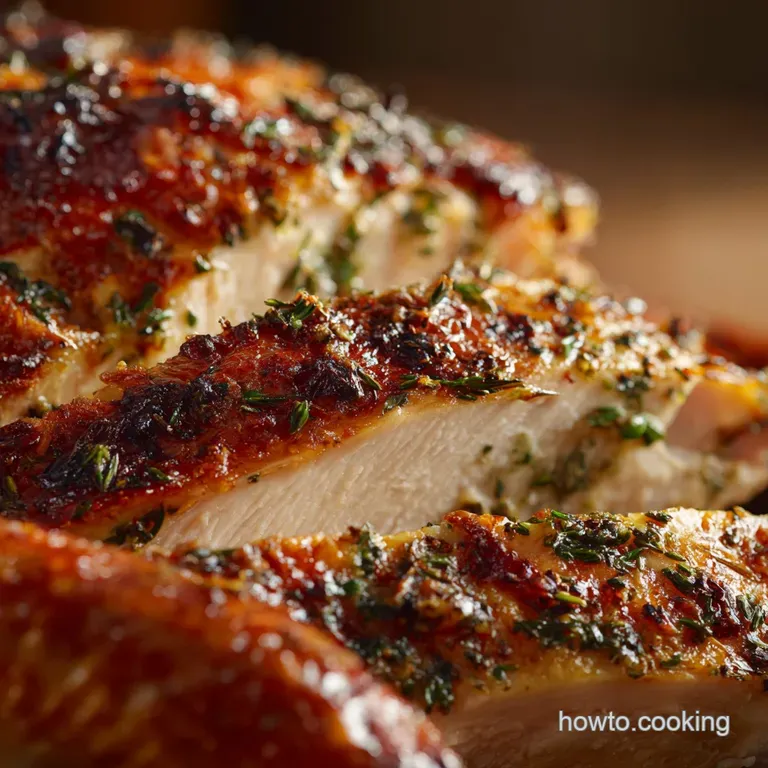
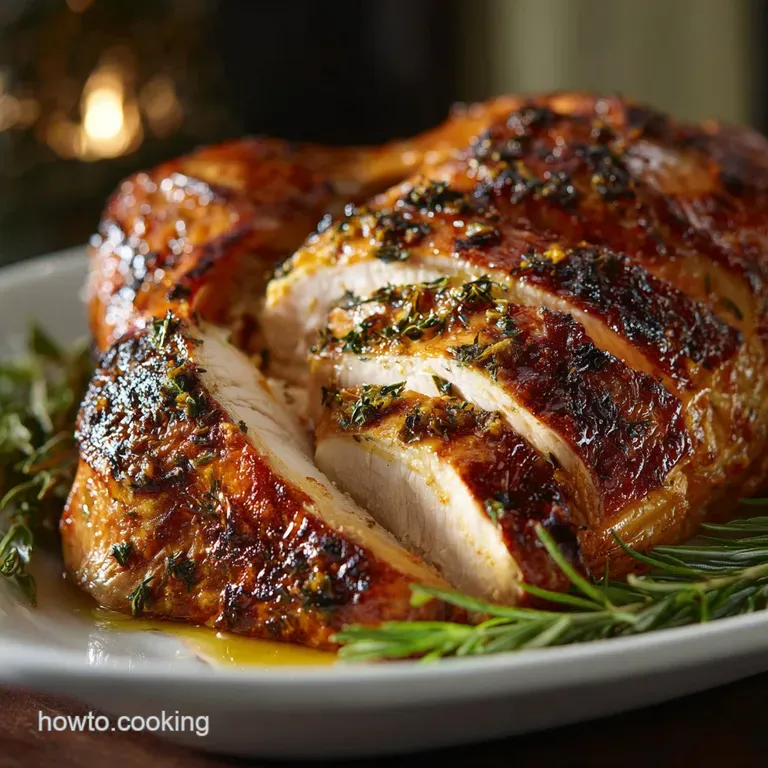
Picture this: You slice into the turkey breast, and instead of dry, dusty meat, you find something genuinely glistening. The aroma of sage, rosemary, and caramelized butter hits you first it’s the scent of pure celebration. Then, the sound: that impossibly crisp skin crackles under your knife.
This is the Herb Butter Turkey of your dreams.
For years, I was that person who stressed about basting every 30 minutes, only to end up with a mahogany exterior and an arid interior. Forget that nonsense. This herb butter turkey recipe is a lifesaver because it’s a passive technique.
You do the heavy lifting upfront, and then the butter does the work, ensuring the meat is constantly basted from the inside out while you sip wine.
If you are ready to finally master the main event and skip the dry and bird disaster, grab your softened butter. We are going to make a perfect centrepiece that your guests will actually remember (for the right reasons this time).
The Science of Succulence: Why This Herb Butter Technique Guarantees a Moist Turkey
Why Compound Butter is Superior to Traditional Basting
The truth about traditional basting is that it usually cools the skin down, requiring more cooking time to crisp up, and mostly just flavors the outside surface. Compound butter applied directly beneath the skin is a completely different game.
It works as an internal moisturizer and an incredible flavor carrier. As the butter melts, it soaks directly into the muscle fibers of the delicate breast meat, flavoring and enriching it where it needs it most. It’s brilliant.
Thawing and Preparing the Turkey for Roasting
You simply cannot skip the prep work. If your turkey is still icy in the middle, it won't cook evenly period. Allow a full day in the fridge for every five pounds of turkey. Before you do anything else, you must pat that bird dry with paper towels; moisture is the enemy of crispy skin. For ultimate flavor penetration, I also recommend a dry brine 12 hours before you plan to roast, similar to how I approach seasoning any large cut of meat or in my Whole30 Sheet Pan Dinners Easy LemonHerb Chicken Sweet Potato Recipe .
A Glorious Centrepiece: Elevating Your Holiday Roast
This technique transforms a simple roasted bird into something truly impressive. Because we are using the over high heat and then over low heat method, you get incredible color almost immediately. The herb butter ensures that color deepens into a beautiful, glossy mahogany without drying out the meat beneath.
This roast is guaranteed to garner applause.
Internal Basting: The Fat Barrier That Prevents Dryness
The layer of herb butter we tuck under the skin serves a dual purpose. First, it melts and bastes the meat. Second, the butter creates a temporary fat barrier that shields the delicate breast meat from the direct, harsh heat of the oven for a bit longer.
This allows the slower and cooking leg and thigh meat to catch up, resulting in a more uniform doneness across the entire bird.
Achieving That Crucial, Crisp Golden Skin
The secret to perfectly crisp skin isn't basting; it's the fat and the heat differential. By rubbing the remaining butter all over the exterior and starting the oven extremely hot, we shock the skin.
This immediate sear creates a golden crust, which we then maintain by lowering the heat for the remainder of the cook time. Don’t forget that generous final sprinkle of salt right before it goes in!
Infusing Aromatics Directly Into the Breast Meat
Rosemary and sage are bold herbs, and placing them directly against the meat means the flavor goes deep, not just on the surface. When combined with garlic and lemon zest in soft butter, those flavors penetrate right into the muscle, giving you aromatic, savory meat in every bite.
This is the difference between meat that tastes like turkey and meat that tastes like holiday .
Essential Ingredients for the Compound Herb Butter Turkey
The herb butter mix is flexible, but you need soft butter and fresh herbs for maximum impact. Please skip the dried stuff if you can help it!
| Ingredient | Role | Substitution / Allergy Alternative |
|---|---|---|
| Unsalted Butter | Fat base, moisture carrier | High and quality vegan butter block (e.g., Miyoko's), clarified butter (ghee) |
| Fresh Herbs (Sage, Thyme, Rosemary) | Core flavor and aromatics | Use 1/3 the amount if using dried herbs |
| Garlic (Minced) | Savory depth | Onion powder + a pinch of mustard powder |
| Lemon Zest | Brightness, cuts richness | Orange zest or 1 tsp white wine vinegar |
| Whole Turkey (Thawed) | Main event! | N/A |
| Stock/Wine | Roasting pan moisture/gravy base | Water is fine, but stock or white wine adds flavor |
The Best Fat Base: Unsalted vs. Salted Butter Guidance
I always call for unsalted butter when baking and cooking. Why? Because it gives you total control over the seasoning! We are adding a good amount of Kosher salt to the compound butter, so starting with salted butter could easily lead to an over and salted result.
Use unsalted butter, softened to the point of being spreadable.
Selecting and Preparing the Optimal Herb Blend (Rosemary, Sage, Thyme)
This trio rosemary, sage, and thyme is classic for a reason. Sage is earthy, thyme is subtle and woodsy, and rosemary is pungent. I always use rosemary sparingly, maybe one teaspoon chopped, because it can quickly overpower the delicate flavour of the turkey.
Ensure everything is very finely chopped so it mixes into the butter evenly and doesn't tear the skin.
Ingredient Swaps and Allergy Alternatives
No fresh thyme? Use oregano, or even marjoram, which is a lovely, gentle herb. If you must skip the dairy, quality vegan butter or vegetable shortening (like Crisco) mixed with a tablespoon of olive oil will still provide the fat needed to baste the meat.
If you're swapping fresh herbs for dried, remember the ratio: 1 part dried to 3 parts fresh.
What to Place Inside the Turkey Cavity
Do not densely pack the cavity with traditional stuffing; it dramatically increases the cooking time and makes it hard to safely check the temperature. Instead, use aromatics like rough and chopped onion, celery, carrots, and maybe a few sprigs of leftover herbs.
They release steam, flavor the drippings, and help maintain the bird's shape without hindering air flow.
Step and by-Step Guide: Roasting the Ultimate Herb and Butter Basted Turkey
Preparing the Compound Butter and Loosening the Skin
First, ensure your butter is ultra and soft it should practically dissolve if you poke it. Mix all the herbs, garlic, salt, pepper, and lemon zest thoroughly until uniform. Now for the crucial part: gently slide your hand under the neck skin, carefully separating the skin from the breast meat. Go slowly.
Tearing the skin is a catastrophe because the butter will run right out!
Properly Rubbing the Herb Butter Under and Over the Skin
Take about two and thirds of the compound butter and push it deep into that pocket you just created. Use your hands to massage the skin on the outside of the turkey, helping to evenly distribute the butter layer over the entire breast.
Use the remaining butter to coat the entire exterior of the bird, including the legs and thighs. Finish with a liberal external seasoning of salt and pepper.
Initial High Heat Searing and Temperature Control
Preheat your oven to a fiery 220°C (425°F). Place the turkey in the roasting pan with two cups of stock or white wine poured around it, not over it. Roast at this high temperature for 30 minutes. The goal is rapid color development.
Once the skin is beautifully golden, immediately reduce the heat to 175°C (350°F) and continue roasting.
Chef’s Note: Never baste with the pan juices. It washes off your golden crust. If the bird looks dry during the low and slow phase, brush a tiny bit of melted butter over the legs, but leave the breast alone.
The Critical 30 Minute Rest for Maximum Juiciness
When the thermometer hits 74°C (165°F) in the breast and 82°C (180°F) in the thigh, the turkey is done. Pull it out and tent it loosely with foil. I once rushed this step and carved immediately, only to watch all that precious juice flood the cutting board.
Don't be a muggins; rest the bird for a minimum of 45 minutes, up to an hour. This rest period is non and negotiable for juicy meat.
Chef’s Tips and Troubleshooting Common Herb Butter Turkey Mistakes
How to Use a Meat Thermometer for Perfect Doneness
Visual cues are worthless here. An instant and read digital thermometer is your best friend. Always insert the thermometer into the thickest part of the meat, avoiding bone, which will give you a false, high reading. Check both the breast (165°F/74°C) and the thigh (180°F/82°C).
Preventing the Breast Skin from Browning Too Quickly
If your turkey looks like it’s getting too dark, especially over the delicate breast area, grab some aluminum foil. Tear off a piece large enough to cover the breast and loosely tent it over the bird.
This deflects the direct heat but still allows the rest of the turkey to roast and ensures the legs continue cooking.
Using Pan Drippings to Create a Rich Gravy Base
Those beautiful herb and infused drippings at the bottom of the pan are liquid gold! Strain them immediately after removing the turkey. Deglaze the pan over the stovetop with a bit of wine or stock, thicken it with a roux, and you have the most flavorful gravy imaginable. It pairs so well with a rich, buttery side, like my Garlic Butter Bread Rolls: Soft, Fluffy, Easy Homemade Dinner Rolls .
Proper Storage and Handling of Leftover Turkey
Safely Storing Cooked Turkey and Carcass Breakdown
You need to get leftovers into the fridge within two hours of cooking. Shred or slice the meat and store it in airtight containers. Cooked turkey will last safely in the refrigerator for 3 to 4 days.
If you’re not making stock immediately, break down the carcass and freeze the parts they make the best future broth.
Best Practices for Freezing Leftover Meat
Turkey freezes beautifully! I like to slice or shred the meat, put it in freezer bags, and pour a little leftover gravy or stock over it before sealing. This prevents freezer burn and keeps the meat moist when thawed. It will last in the freezer for up to three months.
When reheating, always thaw overnight in the fridge and reheat low and slow, maybe wrapped in foil with a splash of broth, to maintain moisture.
Pairing Perfection: What to Serve Alongside Your Herb Butter Roast
The rich, savory flavour of the herb butter turkey needs strong, slightly sweet or acidic counterpoints. You want sides that compliment, not compete, with that beautiful herbal aroma.
Recommended Classic and Elevated Side Dish Pairings
- Classic Sweet Potato: You absolutely need a rich, brown and butter based side. Nothing beats the depth of flavor you get from a dish like Sweet Potato Casserole: The Best Brown Butter Recipe with Pecan Topping .
- A Bright Vegetable: Something simple like sautéed green beans with almonds, or lightly roasted Brussels sprouts with a maple glaze.
- Cranberry Sauce: Make it homemade and slightly tart. The acidity cuts through the richness of the butter beautifully.
Recipe FAQs
Why did my turkey breast still turn out dry, even with the herb butter?
Dryness is almost always caused by overcooking, regardless of internal basting. Ensure you are measuring the temperature of the thickest part of the breast, aiming for exactly 160°F (71°C) before pulling it from the oven.
The internal temperature will rise 5 10 degrees during the crucial resting period, bringing it safely to 165°F (74°C).
How do I guarantee that beautiful, crispy skin?
Two steps are vital: First, ensure the turkey skin is completely dry before applying the herb butter, often achieved by blotting it with paper towels or refrigerating it uncovered overnight.
Second, avoid basting the skin with liquid drippings or stock during the final 45 minutes of cooking, allowing the high heat to fully crisp the rendered fat.
How far in advance can I prepare the compound herb butter?
The herb butter can be prepared up to five days in advance and kept refrigerated in an airtight container. If you plan to apply the butter under the skin a day early, the maximum flavor absorption will occur, but ensure the bird is kept chilled until it needs to come to room temperature for roasting.
Can I substitute the butter for olive oil or margarine?
While you technically can substitute the fat, high-quality unsalted butter is non-negotiable for achieving the best flavor and texture in this recipe. Margarine may contain too much water, hindering the skin crisping process, and olive oil lacks the necessary milk solids to develop a rich, browned crust.
Should I cover the turkey with foil or use a roasting bag?
For maximum flavor and crisp skin, do not use a roasting bag; instead, use aluminum foil loosely tented over the breast early in the cook time. Once the breast reaches the desired golden color (usually halfway through), remove the foil completely to allow the skin to achieve maximum crispness without burning.
What is the safest way to store leftover Herb Butter Turkey?
Cool the meat rapidly, preferably within two hours of cooking, and store it carved in airtight containers in the refrigerator. Properly stored turkey leftovers are safe to consume for 3 to 4 days, or you may freeze them for up to three months.
Can I use this herb butter method just for a turkey breast?
Yes, this method is highly recommended for turkey breasts, as they are notoriously prone to drying out quickly. Simply scale down the amount of herb butter needed and follow the same technique of lifting the skin gently to spread the compound butter directly onto the meat before roasting.
Adjust the cooking time significantly, as a breast cooks much faster than a whole bird.
Ultimate Herb Butter Turkey Recipe
Ingredients:
Instructions:
Nutrition Facts:
| Calories | 500 calories |
|---|---|
| Fat | 30 g |
| Fiber | 1 g |
