Velvet Dark Double Chocolate Shortbread Biscuits
The Definitive Double Chocolate Shortbread Recipe
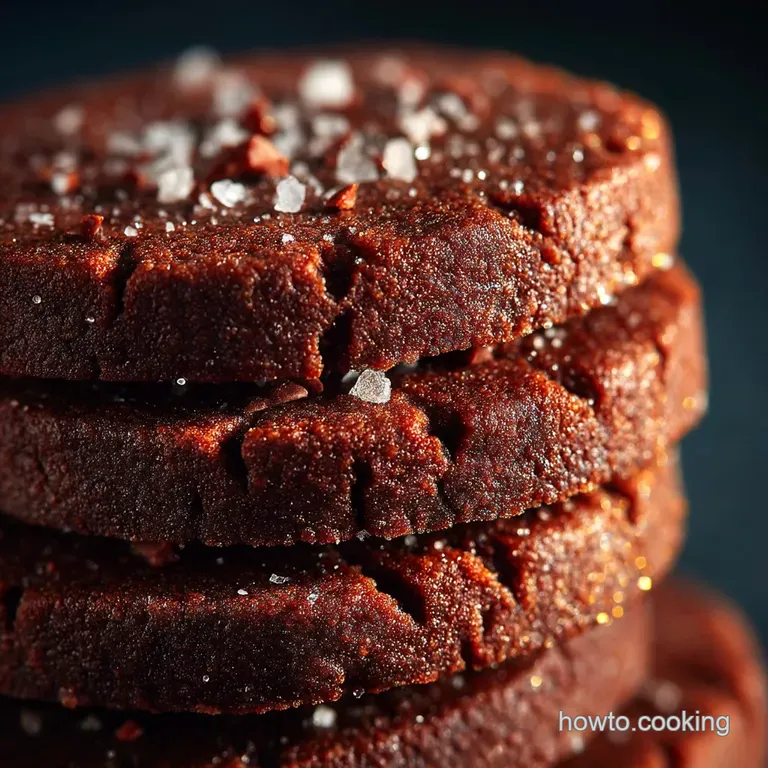
Shortbread stands as a pillar of biscuit royalty buttery, tender, and famously simple. Yet, sometimes simplicity begs for a touch of decadence. This recipe delivers exactly that, transforming the traditional Scottish bake into intensely rich double chocolate shortbread .
We achieve the "double" status first by infusing the dough with premium cocoa powder, creating a velvety dark canvas, and then finishing the cooled biscuits with a glistening sheath of melted dark chocolate.
The result is an elegant, melt-in-your mouth experience that is easily executed at home, providing a sophisticated addition to any collection of Chocolate Dessert Recipes .
Why Shortbread is the Perfect Canvas for Cocoa
The genius of shortbread lies in its composition: a high ratio of fat to flour, typically devoid of leavening agents or eggs. This structure prevents gluten from forming tough networks, guaranteeing that signature sandy, crumbly texture.
This high fat environment is absolutely crucial because fat acts as the perfect carrier for flavour molecules. When we introduce robust Dutch process cocoa (about 30g, or 1/4 cup, sifted with the flour), the high butter content (225g, or 1 cup) ensures that the deep, earthy bitterness of the cocoa is distributed evenly and intensely, resulting in a rich double dark chocolate shortbread cookies base that never tastes dry or chalky.
Slice and-Bake Method: Maximizing Flavor, Minimizing Fuss
For the most uniform and stress free result, we rely on the slice and-bake technique. This method involves forming the mixed dough into a tight log before chilling it until rock hard. The primary advantage here is twofold: consistency and control.
First, chilling the dough (for a minimum of 1.5 to 2 hours) firms up the butter, which is vital for preventing the cookies from spreading into thin puddles during baking.
Second, slicing the log with a sharp, non-serrated knife guarantees that every round is perfectly uniform, leading to an even bake across all 18 20 biscuits. This straightforward preparation makes this double chocolate shortbread recipe incredibly accessible, demanding only about 15 minutes of active prep time.
Essential Provisions: Sourcing the Best Ingredients for Richness
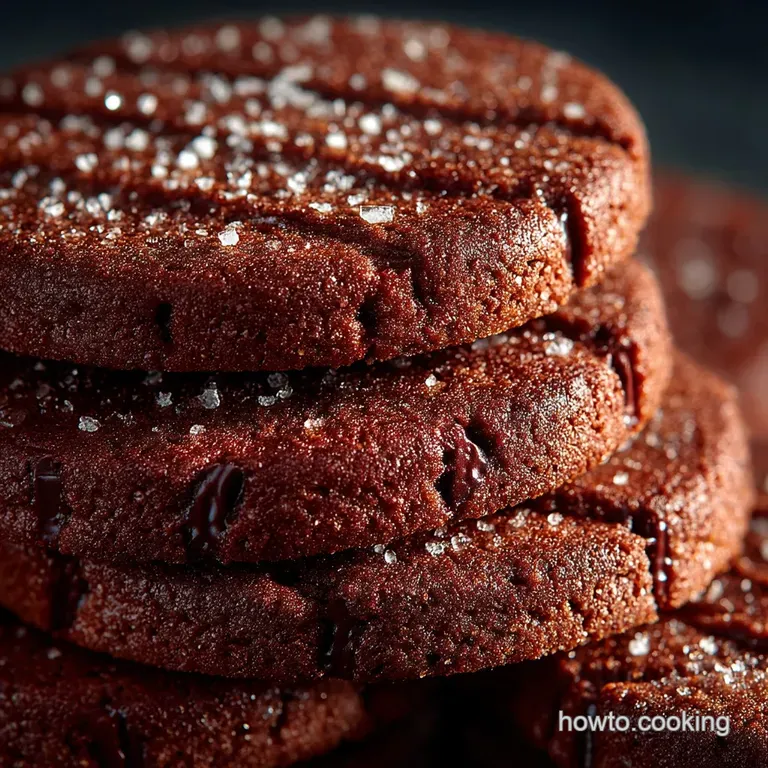
Because shortbread uses so few ingredients, the quality of each element is amplified. When making these luxurious biscuits, investing in premium components will directly impact the depth of flavour and the superior crumb structure.
Choosing Your Cocoa Powder: Dutch Process vs. Natural
For this specific double chocolate shortbread , we strongly recommend utilizing Dutch process cocoa powder rather than natural cocoa. Natural cocoa is acidic and often lighter in colour. Dutch process cocoa, conversely, has been treated with an alkali solution to neutralize the acidity.
This process yields a smoother, richer, and more profoundly dark flavour, essential for the intense, nearly black appearance we want in our double dark chocolate shortbread cookies .
When incorporating the 30g of cocoa with the 250g of all-purpose flour, ensure both are thoroughly sifted to avoid lumps and achieve an even saturation of colour and flavour.
The Unsung Hero: Why high-quality Butter Matters Most
In shortbread, butter isn't just a fat; it is the structural backbone and primary flavour agent. You need high-quality unsalted butter (225g or 2 sticks) that is properly softened to room temperature. Butter with a higher fat content and lower water content will lend itself to a flakier, more tender shortbread.
The creaming process relies on the butter being malleable enough to trap air but cool enough not to become greasy. Using anything less than excellent butter compromises the texture, transforming what should be a "short" (crumbly) cookie into something tough or excessively oily.
Gathering Your Baking Arsenal: Essential Kitchen Equipment
Fortunately, the equipment required for this double chocolate shortbread cookies recipe is quite basic. You will need a stand mixer fitted with the paddle attachment (or a reliable electric hand mixer) for efficiently creaming the butter and sugar.
A fine mesh sieve or sifter is non-negotiable for combining the flour, cocoa, and 115g of powdered sugar, guaranteeing a lump free dough. Finally, a roll of plastic wrap or parchment paper is necessary for forming and wrapping the dough log, and a clean, sharp chef’s knife is mandatory for making precise, clean cuts before baking.
Related Recipes Worth Trying
- The Ultimate Levain Bakery Chocolate Chip Cookies Thick Gooey Chewy — Stop searching for the perfect Levain Bakery Chocolate Chip Cookies copycat recipe These mammoth bakerystyle chocolate chunk cookies are ultrathick gooey...
- NY Famous Chocolate Chip Cookies Giant Soft Chewy Bakery Style Recipe — Master the iconic NY Famous Chocolate Chip Cookies at home Our soft and chewy recipe uses cold butter for massive height and that perfect gooey centre Pure...
- The Ultimate Chewy Crinkly Chocolate Chip Cookies — Achieve the perfect texture with this foolproof Homemade Chocolate Chip Cookies from Scratch recipe featuring browned butter for depth See the trick to that...
Mastering the Double Chocolate Shortbread Technique
Achieving the perfect, tender shortbread crumb requires attentiveness during the mixing stages, where small details make a big difference in the final product.
Creaming the Fats: Achieving the Sand Like Crumb Structure
The process begins by creaming the 225g of softened butter until pale and fluffy. Next, the 115g of sifted powdered sugar, 1 tsp of vanilla, and 1/2 tsp of fine sea salt are gradually incorporated.
We use powdered sugar specifically because the addition of cornstarch helps inhibit gluten development, which is key to achieving that desirable, sandy crumb structure. Once the mixture is homogenous, the dry ingredients the sifted flour and cocoa blend should be added all at once.
Mix only on the absolute lowest speed, stopping the mixer the instant the dough begins to clump together and no dry streaks remain. Overmixing here is the fastest route to tough shortbread.
Forming the Dough Log and Strategic Chilling
After mixing, the dough, which should be slightly crumbly but cohesive, is turned out onto parchment paper. Gently press the mass together and roll it into a tight, uniform log, roughly 1.5 inches (4 cm) in diameter. Tightly wrap the log in the parchment or plastic wrap, twisting the ends securely.
This is the stage that demands patience: the dough must chill in the refrigerator for a minimum of 90 minutes, ideally two hours, until it is completely firm.
This deep chill is non-negotiable for producing perfectly shaped, thick rounds of salted double chocolate shortbread that hold their shape flawlessly during baking.
Precision Baking: Oven Settings and Visual Doneness Cues
Once thoroughly chilled, unwrap the log and slice the biscuits into rounds about 1/3 inch (8 mm) thick. Place them on parchment lined trays and bake in a preheated oven at 350° F ( 175° C) for 16 to 18 minutes.
Unlike traditional shortbread, these cocoa infused cookies will not lighten or turn golden, so visual cues are crucial. The shortbread is ready when the edges appear set and dry, even if the centre looks slightly soft.
Overbaking will result in a dry texture, so err on the side of slightly underdone; they will continue to set as they cool on the baking sheet for five minutes before being transferred to a wire rack.
The Double Step: Crafting the Final Velvety Chocolate Dip
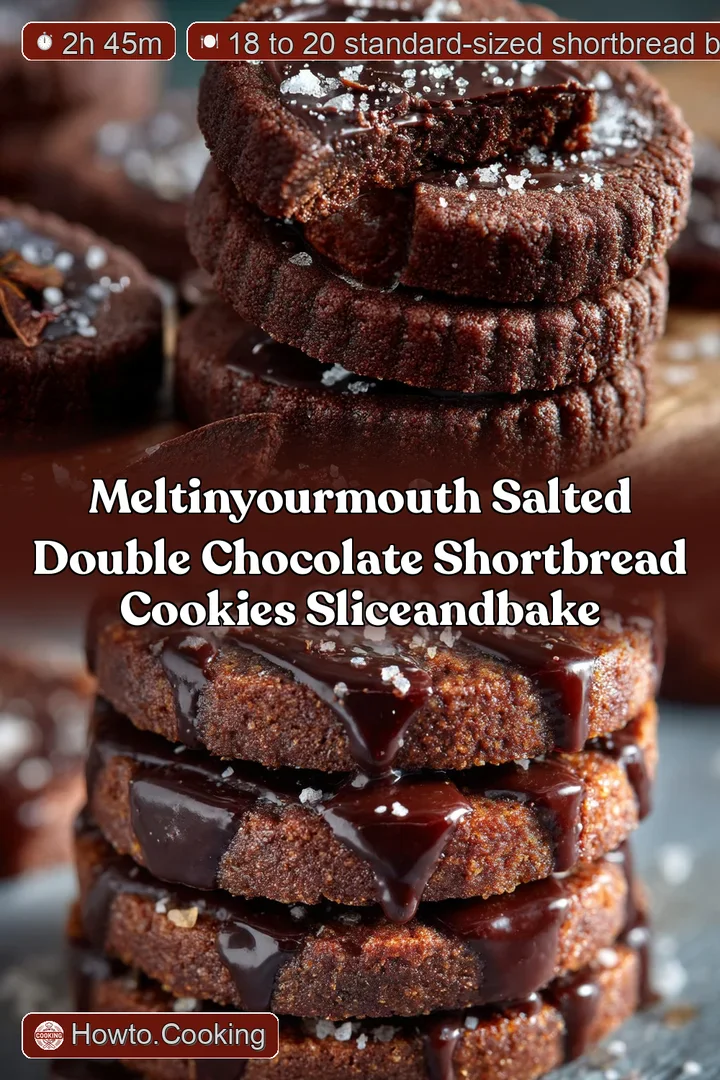
The final, indulgent step that earns these their "double chocolate" title is the glossy dark chocolate coating. Gently melt 115g (4 oz) of high-quality dark chocolate (70% cacao is recommended) using a bain marie setup or short bursts in the microwave.
For a beautifully smooth, professional looking finish, stir in 1 tsp of coconut oil. Once the cookies are completely cool, dip half of each biscuit into the warm chocolate, allowing the excess to drip away.
For an elevated twist, immediately sprinkle the wet chocolate with a pinch of flaky sea salt, completing the salted double chocolate shortbread experience. Allow the coating to fully set at room temperature for about 30 minutes before serving.
FAQs, Storage, and Flavor Customizations
Troubleshooting Shortbread: Why Your Cookies Might Be Spreading
Cookie spread is the most common shortbread casualty, and it almost always comes down to butter temperature or insufficient chilling. If your dough was too soft or greasy when you formed the log, or if you failed to chill the dough for the full required duration, the butter will melt too quickly in the oven and the cookie structure will collapse.
Ensure your oven temperature is accurate and that your dough is cut while still very firm. If the dough log softens while you are slicing, place it back into the freezer for 10 minutes to firm up again before continuing.
Maximizing Shelf Life: Proper Storage and Freezing Instructions
Baked and dipped double chocolate shortbread cookies keep exceptionally well. Store them in an airtight container at room temperature for up to five days. It is important that the chocolate glaze is completely set before stacking to prevent sticking.
If you want to prepare ahead, the dough log is fantastic for freezing. Wrap the tightly wound log in an additional layer of foil and freeze for up to three months. When ready to bake, thaw the log overnight in the refrigerator before unwrapping and slicing as directed.
Beyond the Glaze: Creative Variations for Your Next Batch
While the basic recipe is flawless, shortbread adapts beautifully to flavour additions. For a festive touch, incorporate the finely grated zest of one large orange into the butter during the creaming stage, yielding a classic chocolate orange pairing.
To enhance the depth of the cocoa even further, dissolve 1 tsp of instant espresso powder in the vanilla extract before mixing the mocha note truly amplifies the rich flavour of the double dark chocolate shortbread .
Alternatively, for a slightly less refined but equally delicious texture, fold in 60g (1/2 cup) of mini chocolate chips before forming the log, creating a decadent double chocolate chip shortbread .
Nutritional Overview: Understanding the Cookie Breakdown
This double chocolate shortbread recipe yields a dense, rich biscuit characteristic of traditional shortbread, which is high in quality fats. Based on a yield of 20 standard sized biscuits, each cookie contains an estimated 165 Kcal, with approximately 12g of total fat (7g saturated) and 13g of carbohydrates.
This is a treat best savoured slowly, perfect for pairing with a strong cup of tea or as the star of an elegant dessert plate alongside fresh berries and raspberry coulis.
Recipe FAQs
Why is my shortbread more like a tough biscuit than the melt-in-the-mouth crumb I was hoping for?
Good heavens, no one wants a tough biscuit! Usually, a lack of tenderness signals that the gluten has overdeveloped. The golden rule for shortbread is to mix the flour and cocoa just until they barely come together into large clumps; don't faff about overmixing it.
Additionally, ensure you’ve used sifted powdered (icing) sugar, as the cornstarch in it actively helps create that essential sandy, crumbly texture we all adore.
I've run out of time! Can I skip the chilling stage for this Double Chocolate Shortbread dough?
Skipping the chilling is recipe suicide for slice and-bake shortbread, I’m afraid. Chilling the dough log for the full 1.5 to 2 hours is absolutely crucial as it allows the butter to firm up completely.
If the butter is soft, your biscuits will spread like mad in the oven, turning lovely rounds into flat, greasy puddles. Patience is a virtue here; use the time to brew a cuppa!
How long will these lovely shortbread biscuits keep, and what’s the best way to store them?
If stored in an airtight container at room temperature, away from strong sunlight, these rich treats will keep beautifully for about 5 to 7 days. The finished shortbread also freezes well for up to three months, just be sure to freeze them before the final chocolate dipping stage.
If you're prepping far ahead, the raw dough log freezes splendidly for up to 3 months; slice and bake straight from frozen, adding an extra few minutes to the baking time.
My biscuits spread like mad in the oven. What went wrong?
Spreading is almost always down to the butter being too warm when it hits the oven. Shortbread relies heavily on cold, firm fat to maintain its shape. If your kitchen is rather tropical, or if you had to handle the dough a lot when forming the log, simply pop the sliced biscuits onto the baking sheet and stick them back in the refrigerator for 10 to 15 minutes before they go into the oven.
This gives the butter one last chance to firm up.
I fancy making these even more decadent. Are there any easy variations or additions I can try?
Certainly! To really amplify the rich cocoa flavour, try adding a teaspoon of instant espresso powder (mixed into the vanilla extract) to achieve a deep mocha note. For a classic pairing, grate in the zest of one large orange during the creaming stage, or fold in a handful of finely chopped pecans along with the flour for a delicious crunch that provides a lovely contrast to the smooth, rich chocolate.
Velvet Double Chocolate Shortbread Log
Ingredients:
Instructions:
Nutrition Facts:
| Calories | 248 kcal |
|---|---|
| Protein | 2.3 g |
| Fat | 13.9 g |
| Carbs | 20.7 g |
| Fiber | 2.3 g |
| Sodium | 2240 mg |
