Scalloped Potatoes: Silky Layered Comfort
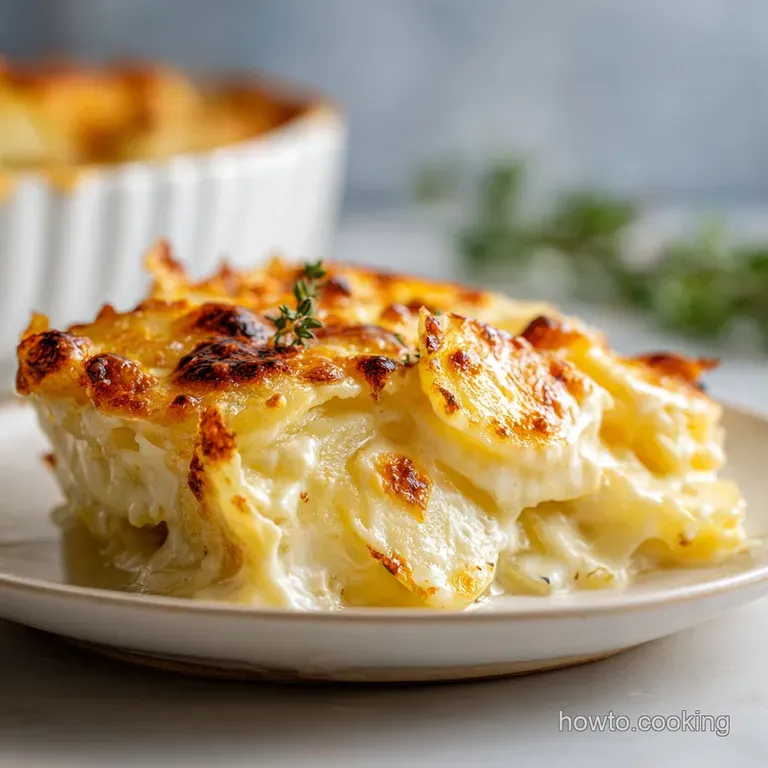
- Time: Active 15 minutes, Passive 60 minutes, Total 1 hours 15 mins
- Flavor/Texture Hook: Silky, garlic infused layers with a golden, shattered cheese crust
- Perfect for: Holiday gatherings, Sunday roasts, or wholesome family comfort
- Mastering the Art of Silky and Rich Scalloped Potatoes
- The Simple Science Behind a Perfectly Set Sauce
- Selecting Wholesome Components for the Best Results
- Essential Kitchen Tools for Effortless Potato Prep
- The Reliable Path from Raw Slices to Golden Perfection
- Pro Strategies for Avoiding Common Kitchen Disasters
- Creative Ways to Customize This Comforting Classic
- Practical Tips to Store and Keep Leftovers Fresh
- Wholesome Pairings to Create a Complete Family Meal
- Recipe FAQs
- 📝 Recipe Card
Mastering the Art of Silky and Rich Scalloped Potatoes
There is a specific sound that happens when you pull a bubbling casserole out of the oven. It is that gentle, rhythmic hiss of heavy cream reducing around the edges of the pan, paired with the faint crackle of a cheese crust that has just turned a deep, burnished gold.
The aroma of nutmeg and thyme hits you first, followed by the pungent, earthy scent of 1.36 kilograms of Russets that have been slowly softening in a bath of garlic and milk. It is the kind of scent that makes people wander into the kitchen without being called.
I used to be terrified of making this dish. My first attempt, years ago, resulted in what I can only describe as "potato soup with crunchy centers." I had sliced the potatoes too thick and used a low-fat milk that curdled into a grainy mess the second it hit the heat.
It was a disaster, but it taught me everything I needed to know about the relationship between starch and dairy. This version is the result of those mistakes, designed to give you total confidence in the kitchen with minimal tools and reliable steps.
We are going to focus on the basics here. No fancy roux, no complicated béchamel. Just the natural starch from the potatoes doing the heavy lifting to thicken the sauce. You'll find that by skipping the flour and letting the heavy cream reduce naturally, the flavor is much cleaner and the texture is far more velvety.
It is a straightforward approach that yields a result far more impressive than the effort suggests.
The Simple Science Behind a Perfectly Set Sauce
Starch Gelatinization: As the Russet potatoes heat up, they release amylose starch molecules into the cream, which swell and trap liquid to create a thick, stable sauce without needing flour.
Casein Stability: Using heavy cream provides a high fat to protein ratio, which prevents the dairy from "breaking" or curdling when exposed to the acidic environment of the onions and the high heat of the oven.
Thermal Inertia: Slicing the potatoes to a uniform thickness ensures that heat penetrates every layer at the same rate, preventing the dreaded "crunchy middle" while the top burns.
| Cooking Method | Total Time | Resulting Texture | Best For |
|---|---|---|---|
| Traditional Oven | 1 hours 15 mins | Deeply browned crust with a dense, set interior | Dinner parties and holiday meals |
| Stovetop Start | 45 minutes | Very creamy, softer potatoes with less browning | Quick weeknight side dishes |
| Slow Cooker | 4 hours | Completely tender, almost mash like consistency | Busy days with zero prep time later |
Choosing the right method depends entirely on your schedule. If you have the time, the oven is my go to because that dry heat is the only way to get the cheese to shatter when you poke it with a fork.
However, if your oven is full of roast chicken, starting them on the stove in a heavy bottomed pan and finishing them under the broiler is a clever shortcut that preserves the quality.
If you find yourself enjoying this technique, you might also love the texture of my oven-roasted Potatoes recipe for a different take on crispy spuds.
Selecting Wholesome Components for the Best Results
| Ingredient | Science Role | Pro Secret |
|---|---|---|
| Russet Potatoes | High starch content provides the natural thickening power for the sauce. | Do not soak them in water after slicing; you need that surface starch. |
| Heavy Cream | High fat content (36%+) acts as an emulsifier to prevent sauce separation. | Infuse it with the garlic and thyme while cold for deeper flavor. |
| Nutmeg | Contains myristicin, which cuts through the "heaviness" of the dairy. | Always use freshly grated; the pre ground stuff loses its volatile oils. |
For a Naturally Thickened Sauce
We rely on the Russet potato. Unlike waxy red potatoes, Russets are essentially little starch bombs. When they cook, those starch granules burst and mix with the milk and cream. This creates a luxurious, thickened liquid that clings to every slice.
If you use a waxy potato, the sauce will stay thin and watery, which is the last thing you want for Scalloped Potatoes.
To Prevent Dairy Curdling
The combination of heavy cream and whole milk is non negotiable. low-fat milk lacks the structural integrity to withstand long bake times. The fat in the cream surrounds the milk proteins, acting as a shield against the heat.
This is why we don't use lemon juice or vinegar in this dish acid is the enemy of a smooth cream sauce.
Essential Kitchen Tools for Effortless Potato Prep
- Mandoline Slicer: Essential for getting those translucent, uniform 3mm slices.
- 9x13 Casserole Dish: A ceramic or glass dish provides even heat distribution.
- Heavy Saucepan: Used for gently heating the cream infusion without scorching.
- Whisk: To ensure the salt, pepper, and nutmeg are perfectly distributed in the liquid.
- Box Grater: For shredding the cheese fresh (pre shredded has cellulose that prevents melting).
Using a mandoline is the biggest shortcut you can take. It turns 20 minutes of tedious knife work into a 2 minute breeze. Just please, use the safety guard. I've seen too many home cooks lose a fingertip trying to get that last sliver of potato.
If you don't have one, just focus on making your slices as thin as a coin.
The Reliable Path from Raw Slices to Golden Perfection
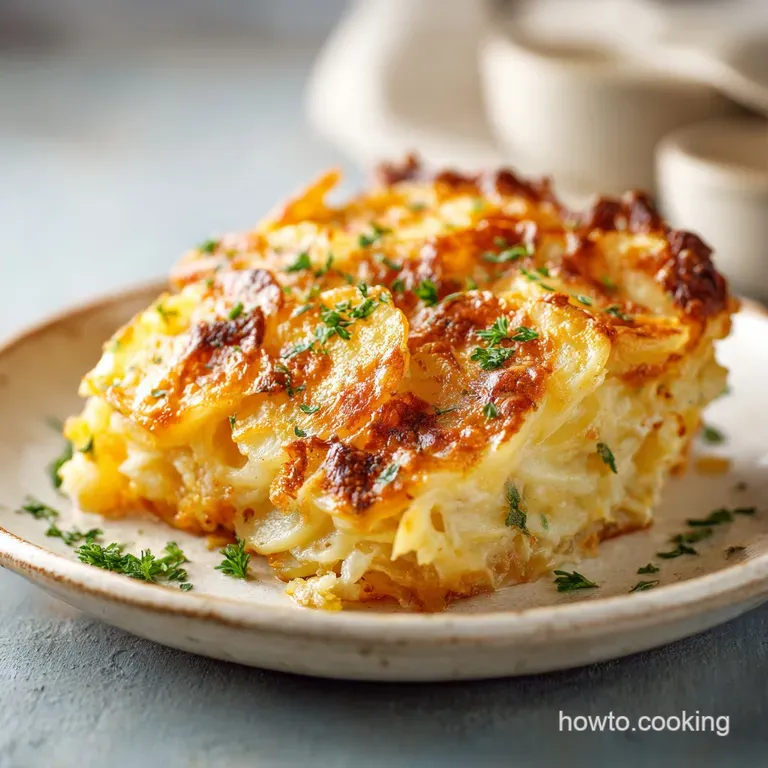
- Prep the potatoes. Peel the 1.36kg of Russets and slice them into 3mm rounds. Note: Keep them dry to preserve the starch.
- Infuse the dairy. In a saucepan, combine 475ml heavy cream, 240ml whole milk, and 3 minced garlic cloves. Warm until tiny bubbles form around the edges.
- Season the liquid. Whisk in 1 tsp kosher salt, 0.5 tsp black pepper, and 0.25 tsp nutmeg. Note: Nutmeg is the secret to that classic steakhouse flavor.
- Layer the base. Grease your dish with 1 tbsp of butter. Arrange one third of the potatoes in an overlapping pattern.
- Add the aromatics. Scatter half of the sliced onion and half of the fresh thyme over the first layer.
- Repeat the layers. Add another third of potatoes, the rest of the onions/thyme, and then the final layer of potatoes.
- Pour the cream. Slowly pour the warm cream mixture over the potatoes until they are nearly submerged.
- Initial bake. Cover tightly with foil and bake at 180°C (350°F) for 30 minutes. Note: This steams the potatoes so they soften quickly.
- The cheese finish. Remove foil, scatter 1 cup of shredded cheese and the cubed 28g butter on top. Bake 30 mins more until the top is bubbling and golden.
- The Rest. Let the dish sit for 10 minutes before serving. Watch the sauce thicken as it cools slightly.
While the potatoes are in the oven, you can focus on other parts of your meal. If you're looking for a slightly different texture profile, you might want to try my Foolproof Crispy Smashed recipe next time you have a potato craving. The rest period at the end is the most important part of the entire process; it allows the starches to fully set, ensuring you get a clean scoop rather than a pile of loose slices.
Pro Strategies for Avoiding Common Kitchen Disasters
Why Your Sauce Broke or Curdled
If you see little oily yellow pools or a grainy texture, your sauce has "broken." This usually happens if the oven was too hot or if you used a dairy product with too little fat. High heat causes the proteins in the milk to tighten and squeeze out the water and fat.
To Avoid Crunchy Centers
This is almost always a result of uneven slicing or not enough liquid. If the potatoes on top are cooked but the middle is hard, your layers were likely too thick. The liquid must be able to circulate between the slices to transfer heat effectively.
| Problem | Root Cause | Solution |
|---|---|---|
| Greasy Surface | Too much cheese or high fat butter added too early. | Add cheese only during the last 20-30 minutes of baking. |
| Bland Flavor | Salt was only added to the top layer. | Whisk the salt into the cream so it permeates every single layer. |
| Watery Sauce | Using waxy potatoes (Red/Yukon) which lack starch. | Stick to Russets or increase the baking time to reduce the liquid. |
Common Mistakes Checklist:
- ✓ Never wash the potatoes after slicing (you lose the thickening starch).
- ✓ Always use heavy cream; 2% or skim milk will almost certainly curdle.
- ✓ Don't skip the foil in the first half of baking; it traps the steam needed for tenderness.
- ✓ Grate your cheese by hand to avoid the gritty texture of pre shredded bags.
- ✓ Let the dish rest for at least 10 minutes to allow the sauce to "set."
Creative Ways to Customize This Comforting Classic
If you want to transform this into a full meal, adding ham is the most traditional route. I like to use thick cut leftover holiday ham, diced into 1cm cubes, and tucked between the layers. The saltiness of the ham seasons the potatoes from the inside out.
For a smoky twist, you can swap the cheddar for smoked gouda or add a teaspoon of smoked paprika to the cream.
If you are cooking for a crowd and need to double the recipe, use two separate 9x13 dishes rather than one deep one. Doubling the depth of the potatoes will triple the cook time and often leads to the bottom layers becoming mushy before the middle is even cooked.
For the liquid, use 1.5x the salt and spices rather than doubling them exactly, as flavors can become overwhelming in large batches.
Chef's Tip: If you want an even deeper flavor, sauté the sliced onions in a little butter until they are translucent and slightly sweet before layering them. This removes the "bite" of the raw onion and adds a rich, caramelized note to the finished dish.
Practical Tips to Store and Keep Leftovers Fresh
Storage: These potatoes actually taste better the next day because the flavors have more time to meld. Store them in an airtight container in the fridge for up to 4 days. When reheating, add a tiny splash of milk to the dish to loosen the sauce, as the potatoes will have absorbed more liquid overnight.
Freezing: I don't generally recommend freezing Scalloped Potatoes. The freezing process breaks down the cellular structure of the potato, and the dairy can become grainy upon thawing. If you must freeze them, do so after they are fully cooked.
Thaw in the fridge for 24 hours and reheat in a 160°C (320°F) oven until bubbling.
Zero Waste: Don't throw away those potato peels! Toss them with a little oil and salt and bake them at 200°C (400°F) until crispy. They make a nutritious and flavorful kitchen snack while you wait for the main dish to finish.
Also, if you have leftover cream, use it to enrich a morning bowl of oatmeal or whisk it into scrambled eggs for a velvety texture.
Wholesome Pairings to Create a Complete Family Meal
Because this dish is so rich and creamy, it needs something bright or acidic to balance it out. A simple green salad with a sharp lemon vinaigrette is my favorite pairing. It cuts through the fat of the heavy cream and refreshes your palate between bites of the decadent potatoes.
For the main protein, a simple roasted chicken or a seared steak works beautifully. The garlic and thyme in the potatoes echo the savory notes of the meat without competing for attention. If you're looking for a different potato texture to serve with a lighter meal, my Smashed Sweet Potatoes Recipe offers a fantastic sweet and savory alternative that still gives you those crispy edges everyone loves.
- Steakhouse Style: Serve alongside a thick ribeye and sautéed spinach.
- The Sunday Roast: Pair with roast beef, Yorkshire puddings, and steamed carrots.
- Holiday Spread: A perfect companion to honey glazed ham and roasted Brussels sprouts.
- Vegetarian Feast: Serve as the "main" with a side of roasted portobello mushrooms and grilled asparagus.
The Myth of the Flour Roux
Many people think you need a flour based roux to make the sauce thick. This is a myth. In a true Scalloped Potatoes recipe, the starch from the potatoes themselves is more than enough to create a thick, luscious sauce.
Using flour often results in a "pasty" mouthfeel that masks the delicate flavor of the cream and garlic.
The Myth of Soaking Potatoes
You'll often hear that you should soak sliced potatoes in cold water to prevent browning. While this is true for French fries, it's a mistake here. Soaking washes away the surface starch that we desperately need to thicken our sauce. Work quickly, and once the cream hits the potatoes, they won't oxidize anyway.
Trust the starch; it’s your best friend in this recipe.
Recipe FAQs
What are some common mistakes to avoid when making scalloped potatoes?
Do not wash sliced potatoes or use low-fat dairy. Washing removes the surface starch necessary for natural thickening, leading to a watery sauce. low-fat milk lacks sufficient fat to stabilize proteins under high heat, causing curdling.
Do you have to boil potatoes before making scalloped potatoes?
No, you do not need to pre-boil the potatoes. The cooking process is designed for the potatoes to soften entirely while submerged and baking in the cream mixture. Pre-boiling often results in mushy layers that break down too much during the final bake.
What is the difference between scalloped potatoes and gratin potatoes?
Scalloped potatoes typically use only cream or milk, while gratin potatoes always include cheese in the sauce or on top. Gratin technically means "covered with a browned crust," usually cheese or breadcrumbs. For a classic cheesy finish, see our take on The Gruyère Au recipe.
What is the best type of potato to use for scalloped potatoes?
Use Russet potatoes for the best texture. Russets are high in starch, which releases into the cream to naturally thicken the sauce, providing that signature velvety finish. Waxy potatoes hold their shape too well and result in a thin, soupy liquid.
How do I ensure my scalloped potatoes are tender all the way through?
Slice potatoes uniformly thin, ideally 3mm thick, and cover with foil for the first half of baking. Uniform slicing ensures even heat penetration, and covering the dish traps steam, which tenderizes the starches quickly without drying out the edges.
Is it true I must use a roux (flour/butter base) to thicken the sauce?
No, this is a common misconception, especially in traditional preparations. The high starch content of Russet potatoes gelatinizes when heated in the cream, acting as a natural thickener far superior to a flour based roux. Mastering this natural thickening principle is key to light sauces; for another application of this, check out our guide on Slow Cooker Garlic recipe.
What is the ideal baking temperature and time combination?
Bake covered at 180°C (350°F) for 30 minutes, then uncovered for 30 minutes. Covering the dish steams the interior layers to tenderness, while removing the foil allows the top cheese crust to brown and shatter beautifully.
Velvety Scalloped Potatoes
Ingredients:
Instructions:
Nutrition Facts:
| Calories | 441 kcal |
|---|---|
| Protein | 9 g |
| Fat | 30 g |
| Carbs | 36 g |
| Fiber | 2 g |
| Sugar | 3 g |
| Sodium | 356 mg |
