Asian Chicken Lettuce Wraps: Crispy and Savory
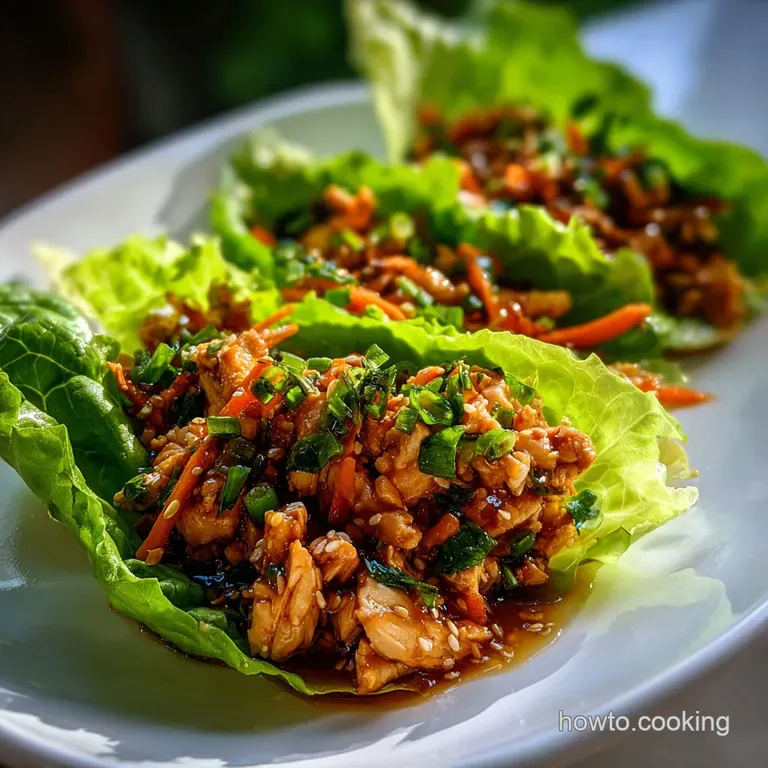
- Time: Active 10 mins, Passive 10 mins, Total 20 mins
- Flavor/Texture Hook: Shatter crisp water chestnuts meet a velvety, umami rich glaze
- Perfect for: Busy weeknight dinners or a crowd-pleasing low carb appetizer
- Mastering the Quick and Savory Asian Chicken Lettuce Wrap
- Why This Recipe Works
- Precision Metrics for Success
- Selecting Your Elements
- Essential Kitchen Tools
- Execution Flow for the Perfect Filling
- Navigating Texture and Flavor Hurdles
- Adjusting for Different Groups
- Debunking Kitchen Tales
- Strategic Storage and Waste Reduction
- Presentation and Flavor Pairings
- Recipe FAQs
- 📝 Recipe Card
Mastering the Quick and Savory Asian Chicken Lettuce Wrap
The first time I tried to make an Asian Chicken Lettuce Wrap at home, I ended up with a soggy, grey mess that looked more like a sad soup than a vibrant appetizer. I was rushing, the pan wasn't hot enough, and I threw the lettuce on the plate while it was still dripping wet.
It was a disaster, but it taught me the most important lesson in stir fry cooking: heat management is everything. Now, when I hear that aggressive sizzle the moment the ground chicken hits the oil, I know I'm on the right track for that perfect, browned texture.
We’ve all been there, staring at the fridge on a Tuesday night, craving something that feels fancy but doesn't require two hours of standing over a stove. This recipe is my absolute go to because it relies on punchy pantry staples like hoisin and soy sauce to do the heavy lifting.
You don't need a culinary degree to nail this, just a hot pan and a bit of prep. You'll get that satisfying "crunch" from the water chestnuts and the cooling snap of the butter lettuce that makes this dish so iconic.
What I love most about this version is how the ginger and garlic cut through the richness of the chicken. It’s light but surprisingly hearty, especially when you load up the wraps with extra shredded carrots and cilantro.
It’s the kind of meal where you end up eating three more than you intended because the balance of flavors is just that addictive. Let’s get into the details so you can skip the takeout and whip this up in your own kitchen.
Why This Recipe Works
To get that authentic texture without a commercial grade wok, we have to lean into some basic kitchen physics. It’s all about surface area and moisture control.
- Maillard Magic: High heat creates a complex chemical reaction between amino acids and reducing sugars, giving the chicken a browned, savory crust rather than just steaming it.
- Osmotic Balance: Mixing the sauce separately prevents the chicken from releasing too much water early on, ensuring the meat sears instead of boiling in its own juices.
- Cellular Rigidity: Separating the lettuce leaves and keeping them cold maintains the turgor pressure in the plant cells, providing that essential "snap" when you bite in.
- Aromatic Infusion: Adding garlic and ginger toward the middle of the cook prevents them from burning while allowing their essential oils to coat every piece of chicken.
| Preparation Style | Total Time | Texture Outcome | Best For |
|---|---|---|---|
| over High heat Stovetop | 20 mins | Crispy edges, juicy center | Authentic restaurant feel |
| Slow Cooker | 4 hours | Soft, shredded, very moist | Easy meal prep/bulk cooking |
| Air Fryer (Crumbled) | 15 mins | Extra charred and chewy | Maximum "crunch" seekers |
Choosing the right method depends on your schedule, but for the best Asian Chicken Lettuce Wrap, the stovetop is the gold standard. It allows the moisture to evaporate quickly so the sauce can reduce into a thick, glossy lacquer that clings to the meat.
Precision Metrics for Success
To take the guesswork out of the process, keep these three checkpoints in mind. First, your pan needs to be at least 375°F before the oil goes in; if it doesn't shimmer, it's not ready. Second, aim for a 3 minute sear on the first side of the chicken without moving it to develop color.
Finally, the sauce should reduce until it coats the back of a spoon, which usually takes about 2-3 minutes of bubbling.
| Component Analysis | Science Role | Pro Secret |
|---|---|---|
| Hoisin Sauce | Thickener & Glaze | Use a brand with fermented soybeans for deeper umami notes. |
| Water Chestnuts | Non thermal Crunch | These retain their texture even after cooking due to unique cell wall structures. |
| Rice Vinegar | pH Balancer | The acidity breaks down the "heavy" fat feel of the chicken thighs. |
The combination of these elements creates a layered flavor profile. While some recipes use just soy sauce, the addition of toasted sesame oil at the very end off the heat preserves the delicate aromatic compounds that would otherwise burn off.
Selecting Your Elements
Here is everything you need for the perfect Asian Chicken Lettuce Wrap. I’ve included my favorite swaps for when the pantry is looking a little bare.
- 1 lb ground chicken (mix of breast and thigh): Why this? The fat from the thighs keeps the filling from drying out at high heat.
- Substitute: Ground turkey or plant based crumbles work equally well here.
- 1 cup shiitake mushrooms, finely diced: Why this? They provide a "meaty" texture and a massive boost of natural umami.
- Substitute: Cremini or button mushrooms are fine if shiitakes aren't available.
- 8 oz canned water chestnuts, drained and finely diced: Why this? They provide a consistent, satisfying crunch that doesn't soften when heated.
- Substitute: Diced jicama or celery can mimic this texture.
- 0.5 red bell pepper, finely diced: Why this? Adds a pop of color and a subtle sweetness to balance the salt.
- Substitute: Green bell pepper or even finely chopped snap peas.
- 3 cloves garlic, minced: Why this? The backbone of the aromatic base; use fresh for the best punch.
- Substitute: 1 teaspoon garlic powder in a pinch, though fresh is superior.
- 1 tbsp fresh ginger, grated: Why this? Adds a zingy heat that cleanses the palate between bites.
- Substitute: 0.5 teaspoon ground ginger, but it lacks the fresh "bite."
- 3 green onions, whites and greens separated: Why this? Whites are for cooking flavor; greens are for fresh garnish.
- Substitute: Chives or very finely minced shallots.
- 1 tbsp avocado oil: Why this? High smoke point means it won't burn during the initial sear.
- Substitute: Grapeseed oil or any neutral vegetable oil.
- 0.25 cup hoisin sauce: Why this? Provides the sweetness and body for the signature glaze.
- Substitute: BBQ sauce mixed with a splash of soy sauce (in an emergency).
- 2 tbsp low sodium soy sauce: Why this? Adds salt and depth without overwhelming the dish with sodium.
- Substitute: Tamari for a gluten-free version or liquid aminos.
- 1 tbsp rice vinegar: Why this? The essential acid that brightens the entire filling.
- Substitute: Apple cider vinegar or a squeeze of lime juice.
- 1 tsp toasted sesame oil: Why this? A little goes a long way for that nutty, toasted aroma.
- Substitute: Skip it if you must, but the flavor will be less "authentic."
- 1 tsp sriracha: Why this? Just enough heat to tingle without burning your tongue.
- Substitute: Chili flakes or sambal oelek.
- 1 head butter lettuce, leaves separated: Why this? The leaves are pliable, cup shaped, and mild in flavor.
- Substitute: Iceberg for more crunch or Romaine hearts for "boats."
- 0.25 cup fresh cilantro, chopped: Why this? A floral, fresh finish to cut through the glaze.
- Substitute: Fresh mint or Thai basil.
- 0.25 cup shredded carrots: Why this? Added at the end for raw crunch and visual appeal.
- Substitute: Sliced radishes or purple cabbage.
Essential Kitchen Tools
You don't need a professional setup, but a few specific tools make this much easier. A large cast iron skillet or a carbon steel wok is your best friend here. These materials hold heat exceptionally well, which is vital for browning the chicken quickly.
I personally use a 12 inch skillet to ensure the meat isn't overcrowded.
A microplane or a fine grater is also a must for the ginger. You want the ginger to be almost a paste so it melts into the sauce rather than leaving you with woody chunks to chew on.
Finally, a sharp chef's knife makes quick work of the dicing remember, the goal is for all the vegetables to be roughly the same size as the bits of ground chicken for a uniform texture in every bite.
Execution Flow for the Perfect Filling
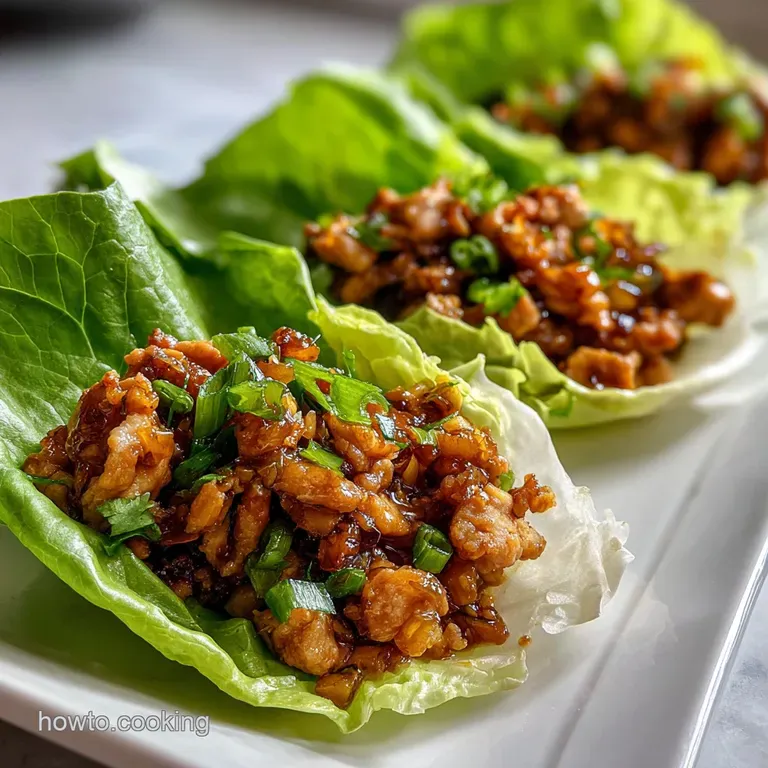
Follow these steps closely. The cooking goes fast once you start, so have everything chopped and ready.
- Prepare the lettuce. Separate the butter lettuce leaves, wash them in cold water, and pat them dry with a paper towel. Note: Keeping them dry ensures the filling doesn't slide right out.
- Whisk the sauce. In a small bowl, combine the hoisin, soy sauce, rice vinegar, sesame oil, and sriracha. Note: Doing this now prevents the garlic from burning while you fumble with bottles later.
- Sizzle the chicken. Heat the avocado oil in a large skillet over high heat until it shimmers and wisps of smoke appear. Add the ground chicken, breaking it into large chunks with a spatula.
- Develop the crust. Let the chicken sit undisturbed for 3 minutes until a deep brown crust forms on the bottom. Then, break it into smaller crumbles.
- Add the aromatics. Toss in the white parts of the green onions, garlic, and ginger. Stir for 1 minute until the fragrance fills your kitchen.
- Incorporate the vegetables. Add the diced shiitake mushrooms, red bell pepper, and water chestnuts. Cook for 3-4 minutes until the mushrooms have softened and released their moisture.
- Glaze the mixture. Pour the prepared sauce over the chicken and vegetables. Stir constantly for 2 minutes until the sauce bubbles and thickens into a glossy coating.
- Final seasoning check. Taste a small spoonful. If it needs more punch, add a splash of soy; if it's too salty, a teaspoon of sugar can help.
- Garnish and serve. Remove from heat and stir in the chopped cilantro and the green parts of the onions.
- Assemble. Spoon the warm filling into the center of each lettuce leaf, topping with shredded carrots.
Navigating Texture and Flavor Hurdles
Even with a simple dish, things can go sideways. The most common issue is the filling becoming "soupy" rather than glazed.
Why Your Filling is Watery
This usually happens if the pan wasn't hot enough or if you used frozen vegetables that weren't thawed and dried. When the temperature drops, the meat and veggies steam in their own juices instead of searing. If this happens, don't panic. Crank the heat to high and let the liquid boil off rapidly.
It might overcook the chicken slightly, but it will save the flavor.
The Mystery of the Wilting Lettuce
If your lettuce turns into a limp rag the moment the chicken touches it, your filling is likely too hot or your lettuce wasn't chilled. I like to keep my lettuce in a bowl of ice water until the very last second, then spin it dry.
Also, let the filling sit in the pan for about 2 minutes off the heat before serving. It should be warm, not "molten lava" hot.
| Problem | Root Cause | Solution |
|---|---|---|
| Filling is bland | Not enough acid or salt | Add an extra splash of rice vinegar or sriracha. |
| Chicken is tough | Overcooked or too lean | Use a chicken breast/thigh blend or add a tablespoon of water to the sauce. |
| Sauce is too thin | Not enough reduction time | Simmer on high for an extra 60 seconds without a lid. |
Common Mistakes Checklist
- ✓ Forgetting to dry the lettuce (watery wraps are a mess).
- ✓ Crowding the pan with too much chicken at once (it will steam, not brown).
- ✓ Using "old" ginger that has become woody and flavorless.
- ✓ Adding the sesame oil too early (it loses its aroma at high heat).
- ✓ Dicing the vegetables too large (they won't stay inside the wrap).
Adjusting for Different Groups
If you're cooking for one or hosting a large party, the Asian Chicken Lettuce Wrap is incredibly forgiving.
Scaling Down (½ Recipe): Use a smaller 8 inch skillet to maintain heat density. You don't need to reduce the cook time much, but keep a close eye on the sauce as it will evaporate much faster in a smaller batch.
Scaling Up (2x-4x Recipe): This is where people get into trouble. If you double the recipe, do not double the chicken in one pan. Work in batches. Brown the first pound of chicken, remove it, then do the second.
If you put 2 lbs of cold meat in a skillet at once, the temperature will plummet, and you’ll end up with grey, boiled meat. For the sauce and spices, use about 1.5x the amount first, then taste and add more. Liquids don't always need a straight 1:1 doubling in stir fries.
If you are looking for another crowd pleaser that scales well, you might enjoy my Light Herbaceous Greek recipe for a different flavor profile.
Debunking Kitchen Tales
Myth: You must use a wok for authentic flavor. Actually, a heavy cast iron skillet is often better for home stoves. Woks are designed for high output gas burners that wrap the flame around the sides.
On a standard electric or flat top stove, a skillet provides more direct contact with the heat source, which is what you need for that sear.
Myth: Canned water chestnuts are "fake" food. In this specific recipe, canned water chestnuts are actually preferred by many chefs. Because they are blanched before canning, they maintain that distinct "snap" that survives the stir fry process better than many fresh alternatives, which can turn starchy if not handled perfectly.
Strategic Storage and Waste Reduction
Storage Guidelines: Store the chicken filling in an airtight container in the fridge for up to 4 days. Keep the lettuce separate! If you store them together, the lettuce will turn into mush within hours.
When reheating, use a skillet with a tiny splash of water to loosen the glaze; the microwave tends to make the chicken rubbery.
Freezing: The chicken filling freezes surprisingly well for up to 2 months. Thaw it overnight in the fridge before reheating. I don't recommend freezing the lettuce (obviously) or the raw garnishes like carrots and cilantro.
- Mushroom Stems
- Don't toss those shiitake stems! They are too woody to eat, but you can throw them into a bag in the freezer to make a rich vegetable stock later.
- Leftover Filling
- If you run out of lettuce, the leftover chicken is incredible over a bowl of steamed white rice or even tossed with cold noodles. It's very similar to the base of my Velvety Chicken Cabbage recipe, so it's incredibly versatile.
- Cilantro Stems
- The stems have more flavor than the leaves. Mince them finely and cook them right along with the garlic and ginger.
Presentation and Flavor Pairings
To make this feel like a true feast, serve the filling in a large communal bowl in the center of the table with the lettuce leaves stacked on a platter to the side. It's an interactive meal that encourages everyone to dig in.
I love putting out small "extra" bowls of crushed peanuts, extra sriracha, and lime wedges so people can customize their own wraps.
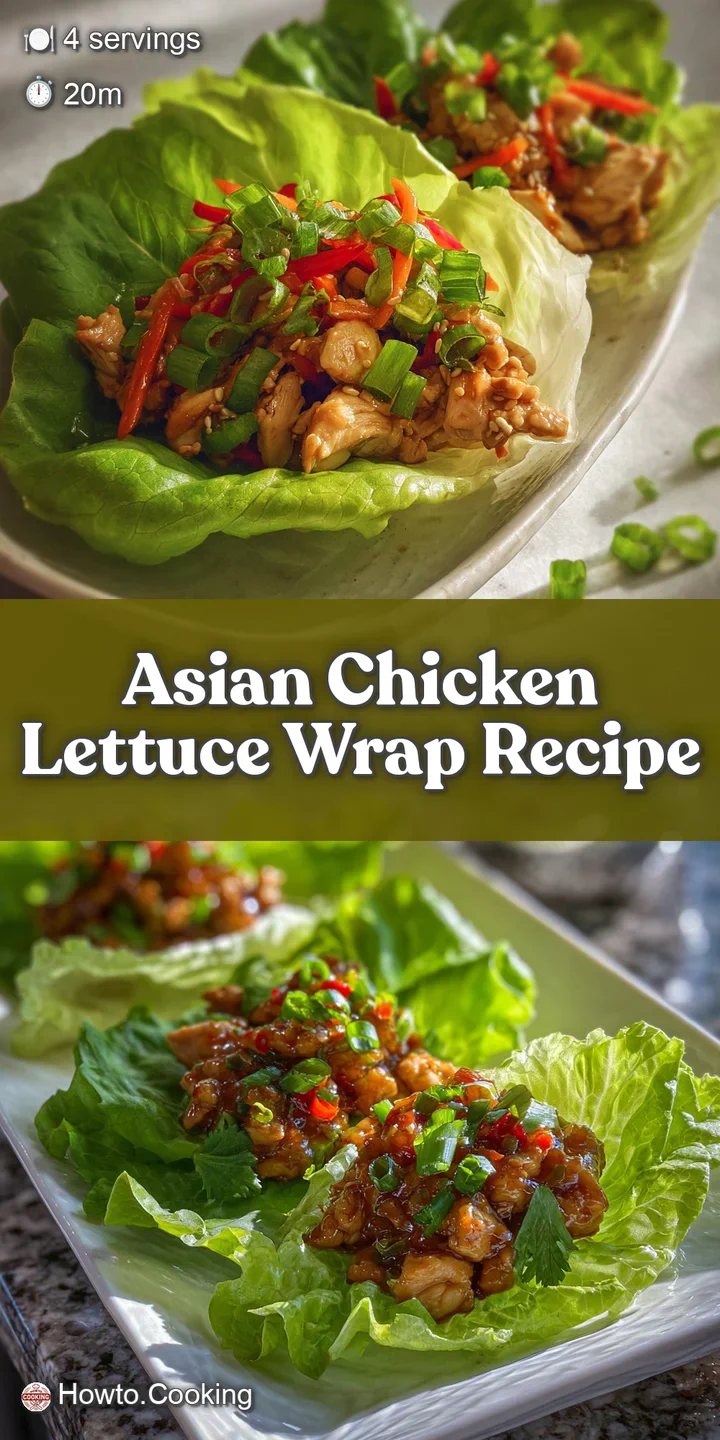
If you want a more substantial meal, these wraps are the perfect partner for a side of smashed cucumber salad or some crispy vegetable spring rolls. The contrast between the warm, savory filling and the cold, crisp lettuce is what makes the Asian Chicken Lettuce Wrap a perennial favorite.
It’s light enough for a summer lunch but savory enough to satisfy those deep comfort food cravings in the winter. Trust me, once you nail that over high heat sear, you'll never look at the takeout menu the same way again.
Recipe FAQs
Can I substitute ground turkey for chicken in this recipe?
Yes, ground turkey works equally well. Because ground meat relies on added fat for moisture retention at high heat, ensure you use a blend, or add 1 teaspoon of oil when searing to prevent the turkey from drying out.
How to prevent the final filling from becoming watery instead of glazed?
Ensure your pan is screaming hot before adding ingredients. Watery filling results from steaming, not searing; high heat evaporates moisture quickly, allowing the sauce to reduce into a proper lacquer.
How to properly prepare the lettuce leaves for serving?
Separate, wash, dry thoroughly, and keep the leaves chilled until serving time. Excess moisture on the leaves or a warm leaf will cause the warm filling to slide right out of the wrap.
How to scale this recipe up for a large party without ruining the texture?
Cook the chicken in separate batches rather than overloading the pan. Overcrowding causes the temperature to drop drastically, which leads to steaming instead of browning, essential for authentic flavor.
Is it true that fresh ginger is necessary, or can I use dried ground ginger?
No, fresh ginger is strongly recommended for this dish. Fresh ginger provides a bright, zesty punch that the dried version lacks, which is crucial for balancing the rich hoisin glaze.
How far in advance can I prepare the filling mixture?
The filling can be prepared up to 4 days ahead of time. Store it airtight and reheat it gently on the stovetop, avoiding the microwave which can toughen the meat. This is a great technique for weeknight efficiency, much like meal prepping for a [Classic Chicken Pot recipe] base.
What is the role of rice vinegar in the sauce?
Rice vinegar provides essential acidity to brighten the flavor profile. It cuts through the richness of the hoisin and meat, creating a well rounded taste that prevents the dish from feeling too heavy on the palate.
Asian Chicken Lettuce Wraps
Ingredients:
Instructions:
Nutrition Facts:
| Calories | 254 kcal |
|---|---|
| Protein | 23.8 g |
| Fat | 9.4 g |
| Carbs | 18.2 g |
| Fiber | 2.1 g |
| Sugar | 8.4 g |
| Sodium | 642 mg |
