Velvety Chicken Napa Cabbage Stirfry a Speedy Chinese Classic

- Why This Chinese Chicken Cabbage StirFry is Your New Weeknight Champion
- Unlocking Authentic Takeout Flavour, Fast
- The Essential Arsenal: Sourcing Your Stir-Fry Components
- Crafting the Signature Savoury Sauce
- The Step-by-Step Assembly of Your Chinese Chicken Cabbage StirFry
- Achieving Wok Hei: High Heat Cooking Techniques
- Customizing Your Stir-Fry: Variations and Substitutions
- Storage Secrets for Leftover Glory
- Recipe FAQs
- 📝 Recipe Card
Why This Chinese Chicken Cabbage StirFry is Your New Weeknight Champion
If you’ve ever stared into the fridge at 6 PM on a Tuesday, yearning for the satisfaction of a genuinely flavourful takeout meal without the wait or the cost, then look no further. This Chinese Chicken Cabbage StirFry is about to become your culinary hero.
We’re crafting a seriously satisfying meal that perfectly balances tender protein, crisp-tender vegetables, and a glossy, umami-rich sauce, proving that authentic Asian flavours don't require an all-day commitment.
This Quick Chicken Cabbage Stir Fry is designed for speed and maximum impact, clocking in at just over 30 minutes from start to finish, making it the ultimate Homemade Stir-Fry Meal .
Unlocking Authentic Takeout Flavour, Fast
The key to mimicking that fantastic, restaurant-quality taste lies in two areas: the preparation technique (velveting the chicken) and building layers of foundational flavour in the sauce.
Forget bland, watery versions of this dish; this Chinese Chicken Cabbage Stir-Fry Recipe ensures every bite is saturated with savoury depth. We use simple pantry staples to achieve that deeply satisfying "takeout" essence without any overly complex processes.
The Magic of Napa Cabbage Texture
When selecting your greens for this Asian Cabbage Stir Fry Recipe , Napa cabbage is non-negotiable. It possesses the perfect structure: the white ribs remain pleasantly crunchy even after a quick sear, while the delicate green leaves wilt down into tender ribbons that capture the sauce beautifully.
The contrast between the tender chicken and the slightly crisp cabbage is what elevates this simple combination far beyond the ordinary. This is one of the best Cabbage Recipes Healthy eating plans can incorporate, offering volume, fibre, and minimal calories.
Zero Guesswork: A Truly Effortless Prep
While the cooking process is rapid-fire, the prep phase is where we set ourselves up for success. We’ve streamlined the chopping and mixing so that your 20 minutes of preparation time leaves you perfectly organized.
Having everything, chicken marinated, vegetables sliced, and sauce whisked, ready to go ensures that the high-heat cooking stage proceeds without a hitch. This Easy Cabbage Stir Fry prioritizes efficiency.
The Essential Arsenal: Sourcing Your Stir-Fry Components
To achieve the best results for this Chicken And Cabbage wonder, we rely on specific components. For the protein, we’re using 1.5 pounds of boneless, skinless chicken breast, sliced thinly against the grain.
The vegetables are simple but powerful: a full head of Napa cabbage (yielding about 6 packed cups once sliced), one large carrot cut into fine julienne strips for colour and crunch, about 4 ounces of sliced shiitake mushrooms for an earthy kick, and fresh garlic and ginger as the mandatory aromatics.
Crafting the Signature Savoury Sauce
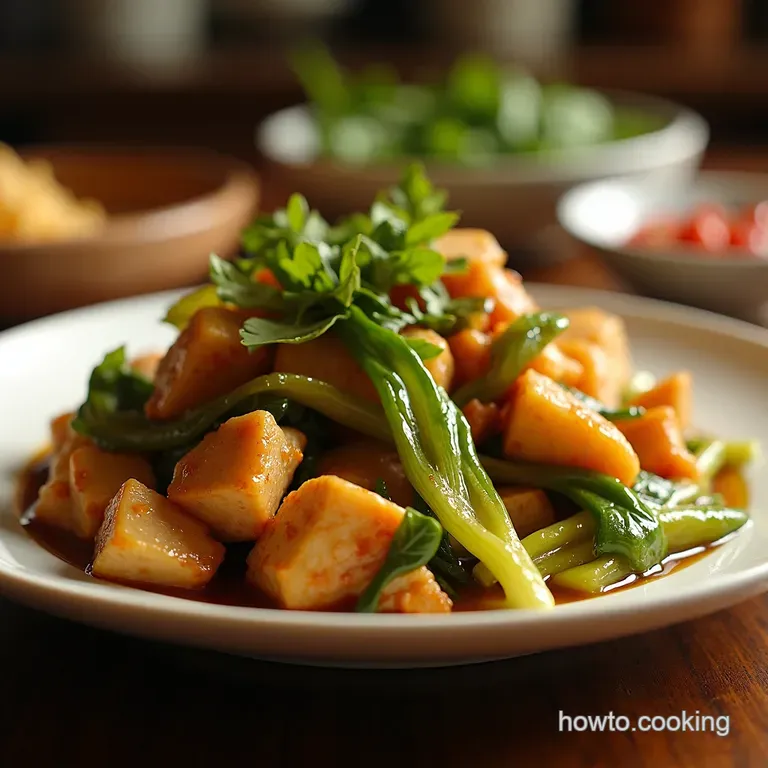
A stir-fry lives or dies by its sauce. Our goal here is a thick, glossy coating that adheres beautifully to the chicken and vegetables, rather than pooling sadly at the bottom of the bowl.
Perfecting the Chicken Marinade for Maximum Tenderness
Before we even look at the wok, the chicken requires a crucial 10-minute rest. Toss 1.5 pounds of sliced chicken breast with 1 tablespoon of light soy sauce, 1 teaspoon of toasted sesame oil, and crucially, 1 tablespoon of cornflour (cornstarch).
This technique, known as "velveting," coats the protein, locking in moisture and resulting in velvety, tender slices even after high-heat cooking. This is the secret weapon of any great Chinese Chicken Stir Fry Sauce .
Must-Have Pantry Staples for Umami Depth
The sauce mixture itself must be perfectly balanced. You'll need 1/2 cup of low-sodium chicken stock to provide the base volume. For depth, combine this with 3 tablespoons of light soy sauce, 2 tablespoons of oyster sauce (or a quality vegetarian mushroom substitute), 1 tablespoon of rice vinegar for brightness, and just 1 teaspoon of brown sugar to balance the salinity.
Finally, 1 teaspoon of cornflour is whisked in with these wet ingredients; this acts as the thickening agent when heated. Always re-whisk this mixture right before pouring, as cornflour settles quickly.
Essential Wok Setup and Tool Check
Success in stir-frying hinges on having a very hot cooking surface. You’ll ideally use a large wok or, failing that, a 12-inch heavy-bottomed skillet. Ensure you have a good amount of high smoke-point oil (like canola or vegetable) ready to go.
Crucially, all chopping and measuring must be finished before you begin cooking, there is no time for dicing mid-fry!
Related Recipes Worth Trying
- Best Chinese Pepper Steak Recipe with Tender Velveted Beef — Forget the takeout Learn the secret to velvety tender beef in this easy Pepper Steak Stir Fry Ready in under 40 minutes for a perfect weeknight meal
- Easy OnePan Garlic Parmesan Chicken and Potatoes Recipe — This easy Garlic Parmesan Chicken and Potatoes recipe is the ultimate weeknight win Juicy chicken and crispy potatoes baked together for minimal washing up...
- SlowSimmered Asian Chicken Noodle Soup Recipe Pho Ga — Capture true umami depth with this VietnameseInspired Asian Chicken Noodle Soup recipe Full of star anise and ginger for a truly restorative chicken rice...
The step-by-step Assembly of Your Chinese Chicken Cabbage StirFry
Once your chicken is marinating and your sauce is mixed, the cooking happens in a quick, sequential dance. We start by searing the protein, remove it, then cook the aromatics and vegetables, and finish by bringing everything back together under the sauce.
This layering approach ensures that nothing gets overcooked or steamed.
Achieving Wok Hei: High Heat Cooking Techniques
The ultimate goal is to capture that elusive "wok hei", the smoky, intoxicating breath of the wok. This requires high heat and movement.
Phase One: Searing the Protein to Golden Perfection
Heat 1 tablespoon of your neutral cooking oil in your wok until it is shimmering and just beginning to smoke lightly. Add the marinated chicken in a single layer, if your pan is crowded, cook in two batches to maintain the temperature.
Stir-fry for 3 to 4 minutes until the chicken slices are lightly golden and fully cooked through. Transfer this seared chicken immediately to a clean plate and set it aside.
How to Properly Layer Your Vegetables for Even Cooking
Reduce the heat slightly if necessary, and add the remaining tablespoon of oil. Toss in your minced garlic, grated ginger, and the white parts of three sliced green onions. Stir constantly for only about 30 seconds until they become highly fragrant, do not let them burn!
Next, add the julienned carrots and sliced mushrooms. Stir-fry these harder vegetables for 2 minutes to give them a head start. Now, add the bulk of your Napa cabbage.
Keep the heat high and stir constantly for 2 to 3 minutes until the cabbage has softened substantially but still offers resistance when bitten.
The Grand Finale: Integrating the Sauce and Thickening Agent
Return the perfectly cooked chicken back into the wok alongside the vegetables. Give your pre-mixed sauce a final, vigorous whisk and pour it all over the contents. Continue to stir-fry rapidly.
Within about 60 seconds, the cornflour will activate, causing the liquid to transform into a rich, glossy glaze that coats every ingredient evenly. Remove the Quick Recipe from the heat the moment it bubbles thickly.
Garnish liberally with the reserved green parts of the scallions and a sprinkle of toasted sesame seeds before serving immediately.
Customizing Your Stir-Fry: Variations and Substitutions
While this base recipe is stellar, it’s wonderfully adaptable. Feel free to incorporate other vegetables you have on hand. Thinly sliced broccoli florets or snow peas integrate beautifully.
For a slightly different textural profile, if Napa cabbage is unavailable, Savoy cabbage will work, though it might require an extra minute of cooking time to achieve sufficient tenderness.
Storage Secrets for Leftover Glory
Leftovers from this flavourful Chinese Chicken Cabbage StirFry are often even better the next day once the flavours have completely melded.
Boosting Nutrition: Sneaking in Extra Greens
If you want to enhance the health factor without changing the flavour profile dramatically, consider adding shredded kale or baby spinach along with the Napa cabbage in the final stages of cooking. These wilt almost instantly and significantly boost the nutrient profile of this fantastic dish.
Make-ahead Planning: Prepping Components Days Before
The ultimate time-saver for this meal is advance prep. You can chop all your vegetables (cabbage, carrots, mushrooms) and store them mixed in an airtight container in the refrigerator for up to three days. The sauce can also be mixed and kept sealed in the fridge for up to five days.
Having these components ready means the 10- 12 minutes of active cooking time is all that remains.
Freezing and Reheating Advice for Best Results
While stir-fries are best enjoyed fresh, this particular combination freezes reasonably well due to the sturdy nature of the cabbage. Cool leftovers completely before sealing them in freezer-safe containers.
To reheat, transfer the meal to a wok or skillet over medium heat, adding a tablespoon of water or stock to help loosen the sauce and steam it gently back to life. Avoid microwaving if possible, as it can make the chicken a little tougher.
Recipe FAQs
How do I keep the chicken moist in this Chinese Chicken Cabbage Stir-Fry? Mine usually ends up a bit dry.
That's the classic stir-fry conundrum! The secret weapon here is the cornflour marinade, it's called 'velveting' in Chinese cooking. That little coating protects the meat from the fierce heat of the wok, locking in all the juices.
Make sure you cook the chicken quickly over high heat and remove it from the wok before adding your veggies.
Can I prep all the vegetables and the sauce ahead of time? I'm after a proper speedy weeknight meal.
Absolutely, that's the best way to tackle any stir-fry; it keeps the cooking stress-free! Chop all your cabbage, carrots, and aromatics and mix the sauce completely an hour or two before dinner time.
When you're ready to cook, everything goes in hot and fast, meaning you can have this on the table quicker than ordering a takeaway!
My cabbage always turns out soggy! What's the trick to keeping it crisp in the stir-fry?
It sounds like your wok isn't quite hot enough, or perhaps you’re overcrowding it. Stir-frying requires blistering heat to sear the outside quickly while keeping the inside tender-crisp, think 'al dente' but for cabbage!
Add the cabbage last, toss vigorously for just two to three minutes, and ensure you don't drown it in sauce until the very final step.
I’m watching my sodium intake; can I make a lower-sodium version of the Chinese Chicken Cabbage Stir-Fry?
That's a very sensible query, as soy and oyster sauces can be salty beasts. You can certainly reduce the sodium significantly by swapping standard soy sauce for a low-sodium version.
Also, use low-sodium chicken stock and consider skipping the added salt, relying on the other flavourings like ginger and garlic for depth.
I don’t have Napa cabbage; what other greens would work well in this recipe instead?
Napa cabbage is brilliant for its delicate structure, but if you can’t find it down at the greengrocer, Savoy cabbage is a cracking substitute, though it might need an extra minute or two of cooking time.
Alternatively, standard white or green cabbage cut into smaller squares, or even adding some tasty broccoli florets, will do the job nicely.
Velvety Chicken Cabbage StirFry A Speedy Chinese Classic

