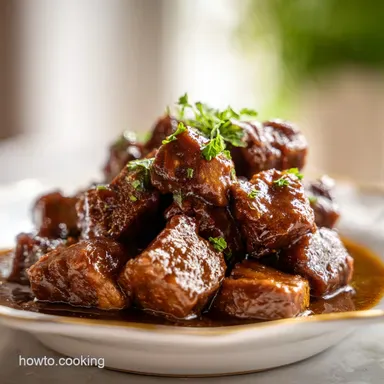
Beef Tips and Gravy: Failure-Proof and Tender
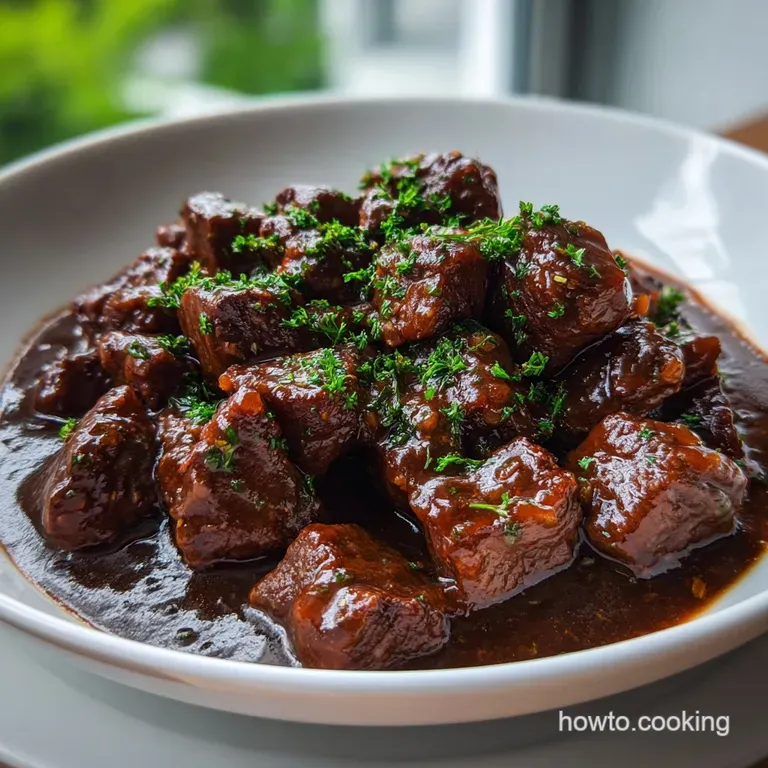
- Time:15 minutes active + 120 minutes simmering = Total 2 hours 15 mins
- Flavor/Texture Hook: Deep mahogany crust with a silky, savory gravy
- Perfect for: Cozy family dinners or meal prep for the week
The Secret to Tender Beef Tips and Gravy
That first sound is what gets me every time - the aggressive sizzle of beef hitting a screaming hot cast iron pan. Then comes the smell, that rich, nutty aroma of browning meat that fills the whole kitchen and tells you that dinner is actually going to be good tonight.
There is something about this dish that just feels like a hug in a bowl, especially when the house is chilly and you need something that feels substantial.
I remember the first time I tried to rush this. I skipped the searing and just threw everything in a pot, thinking the liquid would do the work. The result was a gray, bland mess that tasted like boiled beef. It was a total letdown.
That's when I realized that the "magic" isn't in the broth or the seasonings, but in that dark, crusty layer you get from a proper sear.
Trust me on this: don't skip the patience. We're taking a relatively cheap cut of meat and using time and heat to turn it into something that feels fancy. It's a simple process, but if you follow the steps, you'll end up with a sauce that's velvety and beef that practically melts when you touch it with a fork.
Why the Slow Simmer Wins
Getting the texture right isn't about luck, it's about how the meat reacts to the heat. Here is the a few things that make this work.
Collagen Breakdown: Beef chuck is full of connective tissue that turns into gelatin when heated slowly in liquid. This is what gives the meat its "melt in-your mouth" feel and makes the gravy feel rich.
The Maillard Effect: Searing the beef creates a brown crust. This isn't just for looks, it creates hundreds of new flavor compounds that give the gravy a savory, toasted depth.
Starch Gelatinization: Cooking the flour with the onions and garlic before adding broth ensures the gravy thickens without tasting like raw flour.
Flavor Layering: Adding the Worcestershire and thyme at the end prevents the delicate herbs from burning while the beef browns.
Quick Look at the Details
Since people have different schedules and equipment, I've found that the method you choose changes the vibe of the meal. While the stovetop is my go to for flavor, other options work if you're short on time.
| Method | Total Time | Texture | Best For |
|---|---|---|---|
| Stovetop | 2 hours 15 mins | Velvety & Rich | Maximum flavor control |
| Slow Cooker | 7-8 hours | Very Soft | Set it and forget it |
| Instant Pot | 1 hour | Tender | Busy weeknights |
Right then, whether you're using a Dutch oven or a pressure cooker, the goal is the same. You want that beef to go from "chewy" to "tender" without drying out.
The Pantry Essentials
I've found that using the right cut is the most important part of this beef tips recipe. Don't be tempted to buy expensive tenderloin; it doesn't have the fat and collagen needed to make a great gravy. Stick to the basics.
| Original Ingredient | Substitute | Why It Works |
|---|---|---|
| Beef Chuck (2 lbs) | Stew Meat (2 lbs) | Similar fat content. Note: Check for quality, as some pre cut stew meat is too lean |
| Beef Broth (3 cups) | Bone Broth (3 cups) | Adds more gelatin for a thicker sauce |
| All purpose Flour (1/4 cup) | Cornstarch (2 tbsp) | Thickens well. Note: Won't provide the same toasted flavor as flour |
| Vegetable Oil (2 tbsp) | Ghee or Butter | Higher smoke point (ghee) or richer taste (butter) |
For the Beef
- 2 lbs beef chuck or stew meat, cut into 1 inch cubes Why this? High collagen for tenderness
- 1 tsp kosher salt
- 1/2 tsp cracked black pepper
- 2 tbsp vegetable oil
For the Gravy Base
- 1 medium yellow onion, finely diced
- 3 cloves garlic, minced
- 1/4 cup all purpose flour Why this? Creates a stable roux
- 3 cups low sodium beef broth
- 1 tbsp Worcestershire sauce
- 1 tsp dried thyme
- 1 bay leaf
Tools for the Job
You don't need a professional kitchen for this, but a few specific tools make it way easier. Honestly, don't even bother with thin non stick pans for the sear, as they can't handle the heat needed for that mahogany crust.
A large cast iron Dutch oven is the gold standard here. It holds heat evenly and can go from the stove to the oven if you prefer that. If you don't have one, a heavy bottomed stainless steel pot will do the trick just fine.
You'll also want a whisk. When you start pouring in the beef broth, you need to move quickly to break up any flour clumps. A whisk ensures the sauce stays silky rather than lumpy. Finally, a good set of tongs is essential for flipping the beef without tearing the meat.
Getting it on the Table
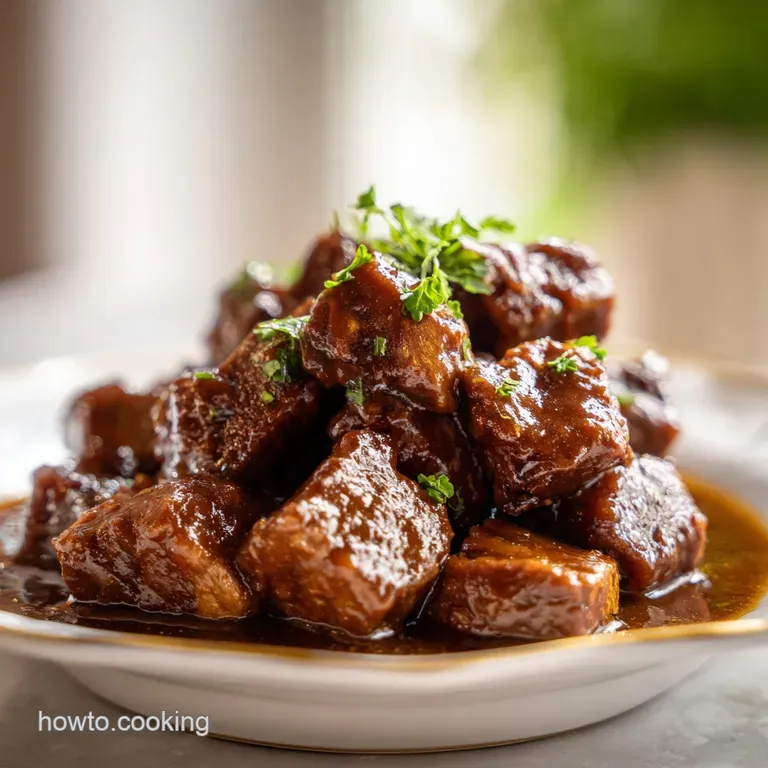
Let's crack on. The key here is not to overcrowd the pan. If you put all the beef in at once, the temperature drops and the meat steams in its own juices instead of searing.
- Pat the beef tips completely dry with paper towels and season generously with salt and pepper. Note: Dry meat sears better
- Heat vegetable oil in a large cast iron Dutch oven over medium high heat until shimmering.
- Add beef in batches, searing for 3-4 minutes per side until a dark, mahogany crust forms. Remove beef to a plate and set aside.
- Reduce heat to medium. In the remaining beef fat, sauté diced onion until translucent and slightly golden (about 5 minutes).
- Stir in minced garlic and cook for 60 seconds until fragrant.
- Sprinkle flour over the onions and garlic, stirring constantly for 2 minutes to cook out the raw flour taste.
- Slowly pour in beef broth while whisking constantly to prevent lumps.
- Stir in Worcestershire sauce and thyme, and add the bay leaf.
- Return the seared beef and any accumulated juices to the pot and bring to a gentle simmer.
Now, let it cook uncovered or partially covered for about 2 hours. You're looking for the beef to be tender enough that a fork slides in with zero resistance.
Fixing Common Cooking Hiccups
Even the best of us mess up sometimes. Maybe the sauce is too thin, or the beef is still a bit tough. Usually, it's a quick fix.
Why Your Gravy is Too Thin
If your sauce looks more like soup than gravy, you likely didn't cook the flour long enough or didn't use enough. You can fix this by mixing 1 tbsp of cornstarch with 1 tbsp of cold water and stirring it into the simmering pot.
Why Your Beef is Still Tough
This is usually a time issue. Some cuts of beef chuck are tougher than others. If it's still chewy after 2 hours, give it another 30 minutes. The collagen needs a specific temperature and time to break down.
| Problem | Root Cause | Solution |
|---|---|---|
| Lumpy Gravy | Added broth too fast | Whisk vigorously or use a blender |
| Burnt Taste | Sear was too hot | Strain gravy and add a pinch of sugar |
| Bland Flavor | Not enough seasoning | Add a splash more Worcestershire or salt |
Common Mistakes Checklist
- ✓ Pat beef completely dry before searing to avoid steaming
- ✓ Sear in small batches to maintain high pan temperature
- ✓ Cook the flour onion mixture for at least 2 minutes
- ✓ Use a gentle simmer, not a rolling boil, to keep meat tender
- ✓ Remove the bay leaf before serving to avoid a "woody" taste
Switching Things Up
This is a very flexible beef tips and gravy recipe. Depending on what you have in the fridge, you can totally change the profile. If you want a more "forest" vibe, add 8 oz of sliced cremini mushrooms during the onion sauté step. They soak up the beef fat and add a wonderful earthiness.
For those who want a different vibe entirely, you could try adding a splash of red wine after the garlic but before the flour. This creates a richer, more complex base. If you're looking for other hearty beef ideas, my Beef and Rotini in Parmesan Garlic Sauce is a great alternative if you want something faster.
If you need to adapt this for dietary needs, you can swap the all purpose flour for a 1:1 gluten-free blend. It works almost identically. Just be careful not to let the GF flour brown too quickly, as some blends burn faster than wheat flour.
Preserving the Flavor
This dish actually tastes better the next day because the flavors have more time to marry. It's a fantastic candidate for meal prep.
Fridge Storage: Keep it in an airtight container for up to 4 days. The gravy will thicken significantly in the fridge, which is normal.
Freezing: This freezes beautifully. Store it in freezer safe bags or containers for up to 3 months. I recommend freezing it with the gravy, as the liquid protects the meat from freezer burn.
Reheating: The best way to reheat is on the stovetop over medium low heat. Add a splash of beef broth or water to loosen the gravy back up. Avoid the microwave if possible, as it can make the beef rubbery.
Zero Waste Tip: Don't toss the leftover beef broth in the pan if you have a bit left. Use it to cook a batch of rice or quinoa. The browned bits (fond) that didn't make it into the gravy are packed with flavor.
What to Serve Alongside
The beauty of this dish is the sauce. You want something that can act as a sponge for that velvety gravy.
The Classic Comfort Route: Mashed potatoes are the gold standard. The creamy texture of the potatoes balances the salty, savory depth of the beef tips and gravy over mashed potatoes. I like to add a bit of roasted garlic to my mash to echo the flavors in the pot.
The Hearty Alternative: If you're not in the mood for potatoes, try beef tips and gravy over noodles. Wide egg noodles are the best choice here. They have a great "bite" and hold onto the sauce perfectly. For another totally different take on beef, you might enjoy some Ground Beef Enchiladas for a spicy kick.
The Light Option: If you want to cut through the richness, a side of steamed green beans or honey glazed carrots provides a fresh, sweet contrast. A simple arugula salad with a lemon vinaigrette also works wonders to cleanse the palate between bites.
High in Sodium
922 mg 922 mg of sodium per serving (40% 40% of daily value)
The American Heart Association recommends a daily sodium limit of no more than 2,300 mg for most adults to maintain heart health.
Tips to Reduce Sodium
-
Swap the Broth-30%
Replace the low-sodium beef broth with homemade unsalted beef stock or water to drastically lower the sodium base.
-
Omit Added Salt-25%
Remove the 1 tsp of kosher salt entirely; the broth and Worcestershire sauce already provide significant sodium.
-
Modify the Sauce-20%
Substitute the Worcestershire sauce with balsamic vinegar or a squeeze of lemon juice to maintain the tang without the salt.
-
Enhance with Aromatics
Increase the dried thyme and minced garlic to add more depth and richness, compensating for the reduced salt.
Recipe FAQs
What kind of gravy is used for beef tips?
A savory brown gravy made from a beef broth roux. It is created by cooking flour with sautéed onions and garlic, then whisking in beef broth and Worcestershire sauce.
What is the secret to tender beef tips?
Maintain a gentle simmer rather than a rolling boil. High heat toughens the meat, while low heat slowly breaks down connective tissue. If you enjoyed mastering this slow-simmer technique, the same principle works in our hearty potato soup.
Can a diabetic have gravy?
Yes, but in moderation. This recipe uses all-purpose flour as a thickener, which is a carbohydrate that can affect blood glucose levels.
Do beef tips get more tender the longer they cook?
Yes, because they are made from tough cuts like chuck. The collagen slowly converts to gelatin over the 120-minute cook time, though overcooking can eventually cause the meat to shred.
How to get a dark, mahogany crust on the beef?
Pat the beef completely dry with paper towels before searing. Wet meat steams instead of browning, so ensure the oil is shimmering and sear in small batches to keep the pan temperature high.
How to prevent lumps in the gravy?
Slowly pour in the beef broth while whisking constantly. This gradual addition ensures the flour and fat emulsion incorporates smoothly into the liquid.
Is it true that boiling beef tips quickly makes them tender?
No, this is a common misconception. Boiling meat rapidly causes the muscle fibers to tighten and toughen; only a gentle simmer produces a tender result.
Beef Tips and Gravy with Beef Stew Meat: Silky and Tender