Blackstone Recipe with Smash Burgers: Crispy Edges
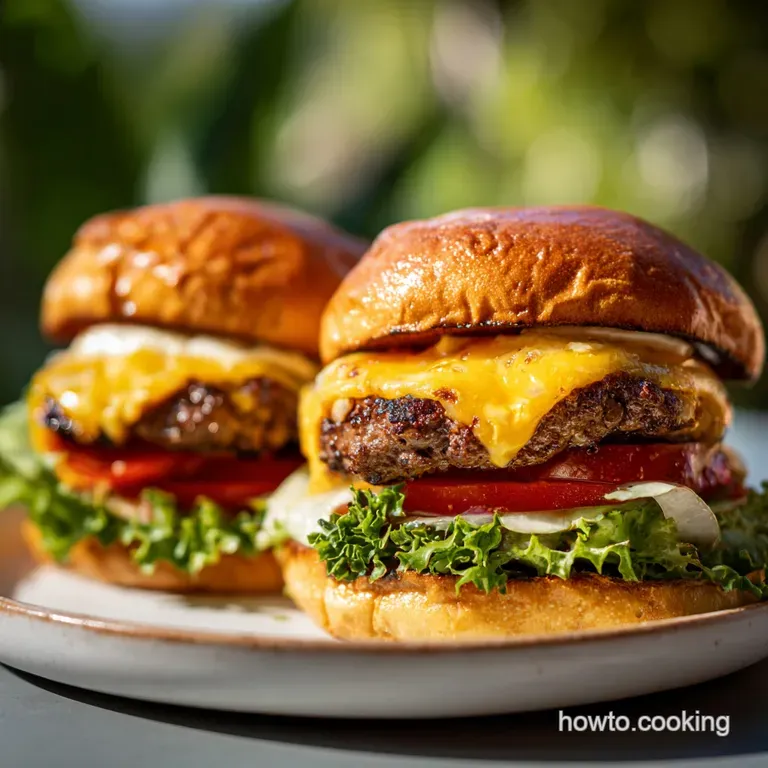
- Time: Active 15 minutes, Passive 10 minutes, Total 25 minutes
- Flavor/Texture Hook: Shatter crisp edges with a velvety, melted cheese finish.
- Perfect for: Weekend family cookouts or a quick weeknight protein boost.
- Master Your Blackstone Recipe with Smash Burgers
- Why This Griddle Technique Works Best
- Crucial Metrics for Better Burger Success
- Essential Ingredients for Better Flavor
- Necessary Gear for Griddle Cooking
- Step-by-Step Griddle Cooking Sequence
- Correcting Common Burger Cooking Mistakes
- Adapting Flavors with Simple Substitutions
- Storage and Reheating Guidelines
- Serving and Pairing Suggestions
- Very High in Sodium
- Recipe FAQs
- 📝 Recipe Card
Master Your Blackstone Recipe with Smash Burgers
The first time I fired up my griddle for this specific dish, I was skeptical. I’d spent years grilling thick, fat patties over open flames, thinking that was the only way to get a real burger.
But then I heard that first sizzle that aggressive, beautiful sound of cold beef hitting a 200°C surface and I knew I was about to learn something new. The aroma of rendering beef fat mixed with the sweet scent of shaved onions hitting the steel is something you never forget.
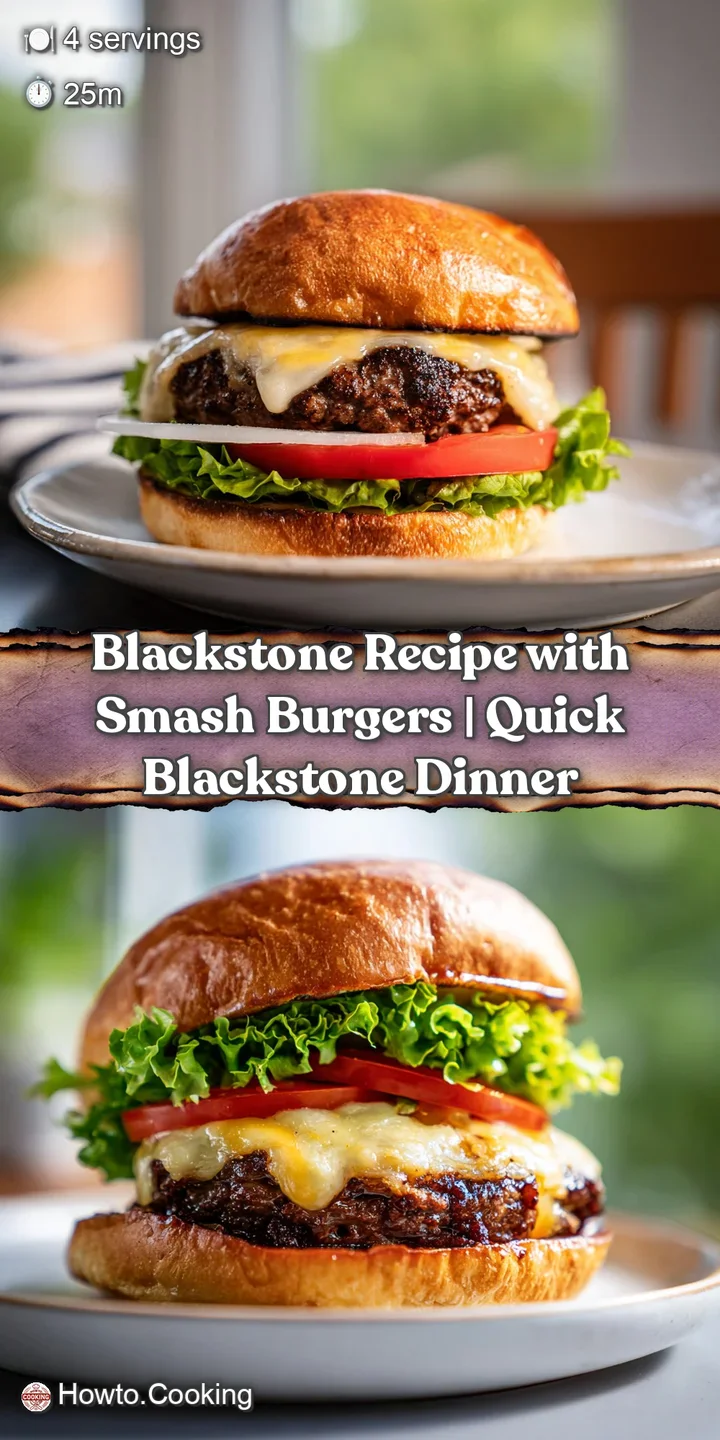
What really sold me was the texture. When you use a heavy press to flatten the meat, you aren't just making it thin; you're forcing every single fiber of that beef to make contact with the heat. It creates this lacy, mahogany colored crust that actually shatters when you bite into it.
It’s a total shift in how you think about home cooking, moving away from "thick and juicy" toward "crispy and intense."
We’re going to walk through this together so you can build your kitchen confidence. This isn't about fancy gadgets; it’s about understanding heat and timing. Once you see how the cheese blankets the craggy edges of the meat, you'll understand why this has become my absolute favorite way to feed my family on a Friday night.
Trust me, the results are far more flavorful than anything you'll find at a drive thru.
Why This Griddle Technique Works Best
The Alchemy of the Shatter Crisp: Extreme heat triggers the Maillard reaction across the entire surface area, creating hundreds of tiny flavor compounds. By smashing the meat, you maximize this contact, resulting in a crust that is physically impossible to achieve in a standard frying pan.
| Thickness | Internal Temp | Rest Time | Visual Cue |
|---|---|---|---|
| 0.5 cm | 70°C | 2 minutes | Juices bubbling through the top |
| 1.0 cm | 70°C | 3 minutes | Edges turning dark mahogany |
| 1.5 cm | 70°C | 4 minutes | Center no longer showing raw pink |
Understanding the thermal mass of your griddle is the secret to getting that perfect sear without overcooking the center. When we talk about this Blackstone Recipe with Smash Burgers, we're really talking about moisture management. If your heat is too low, the meat steams in its own juices; if it's high enough, that liquid evaporates instantly, leaving behind nothing but concentrated beef flavor. It is a similar principle to what you might see when preparing a over high heat sear for our How to Make recipe, where surface contact is king.
Crucial Metrics for Better Burger Success
Achieving a consistent result requires paying attention to the physics of your ingredients. We aren't just tossing things on a hot plate; we're layering textures to create a wholesome, satisfying bite.
Component Deep Dive
| Ingredient | Science Role | Pro Secret |
|---|---|---|
| 80/20 Ground Chuck | Fat provides the "fry" | Keep the beef ice cold until the very second it hits the heat to prevent fat melt. |
| American Cheese | Low melting point | Use sharp American for a velvety melt that bonds the patty to the bun. |
| Shaved Onions | Moisture barrier | Shave them paper thin so they caramelize into the meat during the smash. |
| Brioche Buns | Sugar content | The high egg and butter content allows for a quick, golden brown toast. |
The choice of 80/20 beef is non negotiable here. Anything leaner and you’ll lose that signature crunch because you won't have enough rendered fat to fry the edges of the patty. We want that fat to bubble up through the meat, essentially deep frying the burger on the griddle. If you're looking for a different flavor profile, you might even consider brushing the buns with a bit of our Homemade BBQ Sauce recipe for a smoky, tangy twist before assembly.
Essential Ingredients for Better Flavor
To get this right, you need to have everything prepped and ready. This is a fast paced cook, so "mise en place" is your best friend.
- 680g 80/20 ground chuck: Divide this into four 170g portions, then split those into eight 85g balls. Why this? The high fat ratio is essential for creating the crispy, lacy edges.
- 1 large white onion: Shave this as thin as possible using a mandoline or a very sharp knife. Why this? Thin onions fuse with the meat during the smashing process.
- 8 slices sharp American cheese: Don't use aged cheddar here; it won't melt properly. Why this? It acts as the "glue" that holds the double stack together.
- 120g mayonnaise: This forms the base of our burger sauce.
- 30g yellow mustard: Adds the necessary acidity to cut through the rich beef fat.
- 15g dill pickle relish: Provides a crunchy, tangy contrast in every bite.
- 5g smoked paprika: Gives the sauce a subtle depth without being overpowering.
- 2.5g garlic powder & 2.5g onion powder: Simple aromatics for the sauce base.
- 10g coarse Kosher salt & 5g cracked black pepper: Use more than you think; much of it falls off.
- 8 brioche buns: Split and ready for toasting.
- 2 tbsp unsalted butter: Softened for the buns.
- 1 tbsp over high heat avocado oil: To prime the griddle surface.
Chef's Tip: Freeze your butter for 10 minutes before spreading it on the buns. It creates a more even layer and prevents the bread from soaking up too much fat, leading to a crisper toast.
Necessary Gear for Griddle Cooking
You don't need a kitchen full of gadgets, but two specific tools are essential for the Blackstone Recipe with Smash Burgers. First, a heavy duty stainless steel spatula or a dedicated burger press. You need something that won't flex when you apply full body weight. Second, a high-quality scraper.
Cleaning as you go ensures that the next batch of burgers doesn't stick to carbonized bits from the previous round.
step-by-step Griddle Cooking Sequence
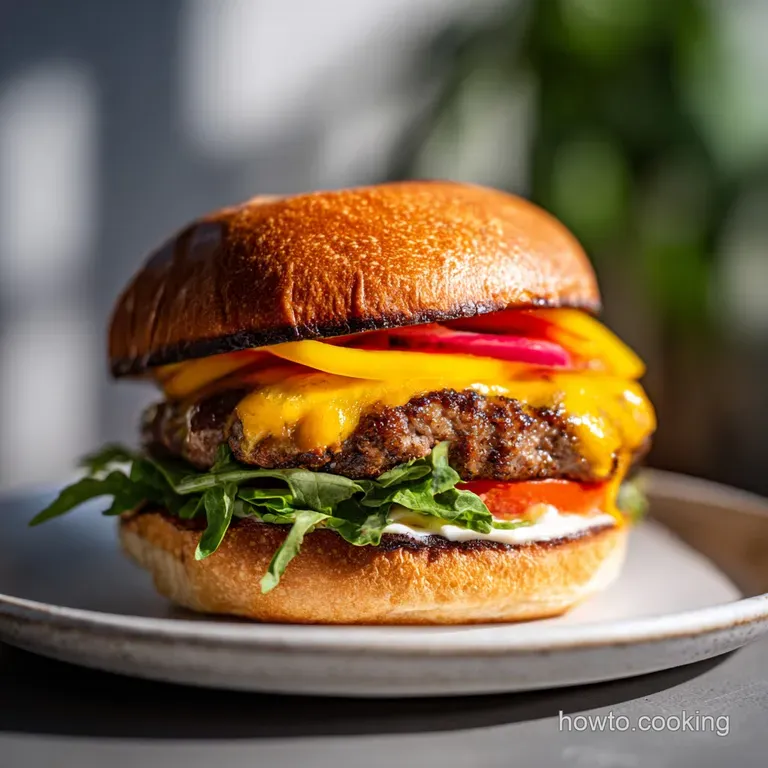
Let's get into the flow of the cook. Remember, once the meat hits the heat, things move very quickly.
- Prepare the sauce. Whisk 120g mayonnaise, 30g mustard, 15g relish, 5g paprika, and the garlic/onion powders until velvety and smooth. Set aside in the fridge.
- Form the beef. Gently roll 680g of beef into eight loosely packed balls (85g each). Note: Don't overwork the meat or it will become tough.
- Heat the surface. Crank your Blackstone to medium high heat (approx 200°C) until the oil begins to shimmer and smoke slightly.
- Toast the buns. Spread softened butter on the 8 brioche halves and place face down until golden and fragrant. Remove and set aside.
- Place the beef. Put 4 beef balls on the griddle, leaving plenty of space between them. Immediately top each with a handful of shaved onions.
- The big smash. Use a piece of parchment paper between your press and the meat. Press down firmly for 10 seconds until the edges are thin and craggy.
- Season well. Sprinkle 10g of Kosher salt and 5g of black pepper over the smashed patties.
- The flip. Wait about 2 minutes until the bottom is dark mahogany and the edges are crispy. Use a sharp scraper to get under the crust and flip.
- Add the cheese. Immediately place a slice of American cheese on each patty. Stack one patty on top of another until the cheese is drooping and molten.
- Final assembly. Place the double stack on a bottom bun, add a generous dollop of sauce, and top with the crown.
Correcting Common Burger Cooking Mistakes
Even the best cooks run into issues when dealing with over high heat griddling. Usually, it comes down to temperature or meat to metal contact.
Handling Sticky Patty Situations
If your meat is sticking to your spatula, you're losing the best part: the crust. This usually happens because the spatula isn't hot enough or you aren't using parchment paper as a buffer.
| Problem | Root Cause | Solution |
|---|---|---|
| Meat sticks to press | Cold tool or lack of fat | Use parchment paper or lightly oil the bottom of the press. |
| No crispy edges | Griddle too cold | Wait until the oil smokes before placing the beef balls. |
| Dry burger | Smashed too late | Only smash once, immediately after placing the meat on the heat. |
Most people make the mistake of smashing the burger a second time after the fat has started to render. This is a cardinal sin! You're literally squeezing the flavor out of the meat. Smash once, smash hard, and then leave it alone until it's time to flip.
Common Mistakes Checklist
- ✓ Ensure the beef is cold (straight from the fridge) to keep the fat solid until it hits the steel.
- ✓ Use a heavy duty scraper to "surgicaly" remove the patty from the griddle to keep the crust intact.
- ✓ Don't overcrowd the surface; leave at least 10 cm between patties for proper evaporation.
- ✓ Season only after smashing to ensure the salt doesn't draw out moisture too early.
- ✓ Toast your buns first so they are ready as soon as the meat is done.
Adapting Flavors with Simple Substitutions
While the classic version is iconic, you can easily adapt this to fit what you have in your pantry or your dietary needs.
| Original Ingredient | Substitute | Why It Works |
|---|---|---|
| Ground Chuck | Ground Turkey (90/10) | Needs extra oil on the griddle; result is leaner but less crispy. |
| Brioche Buns | Lettuce Wraps | Provides a fresh crunch; Note: Lose the toasted flavor. |
| American Cheese | Smoked Provolone | Melts well but offers a deeper, wood fired flavor profile. |
If you decide to scale the recipe down for a solo dinner, simply beat one egg and use half if you're making a smaller batch of a different side, but for this specific burger, no egg is needed in the meat.
To scale up for a crowd, keep your spice ratios at 1.5x rather than doubling them to avoid over salting the patties.
Storage and Reheating Guidelines
Smash burgers are best enjoyed immediately, but if you have leftovers, they can be saved with the right technique.
- Fridge: Store cooked patties in an airtight container for up to 3 days. Keep the buns and sauce separate to avoid sogginess.
- Freezer: You can freeze raw beef balls for up to 3 months. Thaw in the fridge overnight before cooking. Do not freeze cooked patties as the texture of the crust will become rubbery.
- Reheating: Avoid the microwave at all costs! Use a toaster oven or a skillet over medium heat with a teaspoon of water and a lid. The steam will melt the cheese while the dry heat helps revive a bit of the crust.
- Zero Waste: If you have leftover shaved onions, toss them on the griddle with a bit of butter and balsamic vinegar to make a quick jam for tomorrow's sandwiches.
Serving and Pairing Suggestions
A burger this intense needs sides that can stand up to the richness of the 80/20 beef. I personally love serving these with griddle fried potatoes. You can slice some russet potatoes thin and cook them in the leftover beef fat while the burgers rest for two minutes.
Myths About Smashing Beef
One common misconception is that smashing the meat makes it dry. This is only true if you smash it halfway through the cooking process. When you smash it immediately upon contact with the heat, the proteins haven't set yet, so you aren't breaking the cellular structure that holds the juices.
Another myth is that you need a "special" burger blend. While brisket or short rib mixes are great, a standard 80/20 chuck provides the perfect balance of flavor and affordability for a nutritious family meal.
If you want a more refreshing finish, a zesty side salad with a lemon tahini dressing provides a sharp contrast to the savory, salty notes of the Blackstone Recipe with Smash Burgers. It's all about balance and creating a meal that feels both indulgent and wholesome.
Now, grab your scraper and get to work you've got this!
Very High in Sodium
1585 mg mg of sodium per serving (69% of daily value)
The American Heart Association recommends limiting sodium intake to about 2,300mg per day for most adults. This recipe significantly exceeds that recommendation.
Tips to Reduce Sodium in Your Burgers
-
Reduce Kosher Salt-25%
Coarse Kosher salt is a major sodium contributor. Reduce the amount used by 50% (to 5g) or substitute with a low-sodium salt alternative. This will make a huge difference in the overall sodium content without greatly impacting flavor.
-
Lower Sodium Cheese-15%
Sharp American cheese is high in sodium. Opt for a naturally lower sodium cheese like Swiss or Monterey Jack, or use a reduced sodium version of American cheese. You can also reduce the amount of cheese per burger.
-
DIY Relish-10%
store-bought dill pickle relish is usually high in sodium. Consider making your own relish with fresh cucumbers, dill, and a splash of vinegar, controlling the sodium levels.
-
Mustard Moderation-10%
Yellow mustard contributes a noticeable amount of sodium. Experiment with using less mustard, or consider swapping a portion with unsweetened apple sauce for a different kind of depth.
-
Skip Onion Shaving
While shaved onions provide texture and flavor, omitting them will not increase sodium content. Consider omitting this recipe ingredient.
-
Flavor Boosters
Emphasize other flavors with fresh herbs and spices. Experiment with fresh dill, parsley, or chives to enhance the flavor profile without adding sodium.
Recipe FAQs
How to cook smash burgers in a Blackstone?
Crank the griddle to 200°C (400°F) and lightly oil the surface. Place loosely packed 85g beef balls on the hot steel, immediately top with onions, and then use a heavy press with parchment paper to flatten them firmly for 10 seconds.
Season immediately after smashing and flip in about 2 minutes when the bottom has a dark mahogany crust.
What to put on Blackstone before cooking smash burgers?
Use a high heat avocado or canola oil. Heat the griddle until the oil is shimmering and just starting to smoke slightly before placing the cold beef balls down. The high temperature is crucial for instant searing and preventing the meat from steaming.
What is the 5 6 7 rule for burgers?
No, there is no universal 5-6-7 rule for smash burgers. This rule is sometimes loosely applied to traditional, thick grilled burgers for basic resting times (e.g., 5 minutes rest for medium rare).
For smash burgers, focus instead on the visual cue of a deep brown crust, which typically takes about 2 minutes per side.
What's the secret to a juicy smash burger?
Use 80/20 ground chuck and smash only once right at the start. The high fat content renders quickly to create a crispy exterior while the initial, aggressive smash maximizes surface contact for maximum flavor development.
If you enjoyed mastering the rapid, high heat searing technique here, see how the same principle of maximizing contact applies to our How to Grill recipe for steaks.
When should I season my smash burgers?
Season liberally with coarse salt and pepper immediately after smashing the patty flat. Seasoning before smashing can draw moisture out too early, inhibiting the crust formation. You must season the top surface before the initial 2-minute cook time is up.
Can I use a regular spatula to smash burgers on the Blackstone?
No, you should use a heavy, flat tool, preferably with parchment paper. A standard spatula lacks the necessary weight and surface area, which will cause the meat to stick and tear when you try to scrape up the crust. You need heavy, flat contact to achieve the signature lacy edge.
Is it true that the type of cheese matters for melting?
Yes, cheese choice drastically affects the final texture. Use American cheese because its emulsifiers ensure a smooth, velvety melt that drapes perfectly over the craggy edges of the patty. Avoid aged cheddars which can break and become oily when melted quickly this way, unlike the smooth finish achieved in our Ground Beef Enchiladas recipe.
Blackstone Smash Burgers Guide
Ingredients:
Instructions:
Nutrition Facts:
| Calories | 1098 kcal |
|---|---|
| Protein | 45.8 g |
| Fat | 76.4 g |
| Carbs | 56.2 g |
| Fiber | 2.8 g |
| Sugar | 9.1 g |
| Sodium | 1585 mg |
