Broccoli and Cheese Soup: Silky and Rich

- Time: Active 15 minutes, Passive 25 minutes, Total 40 minutes
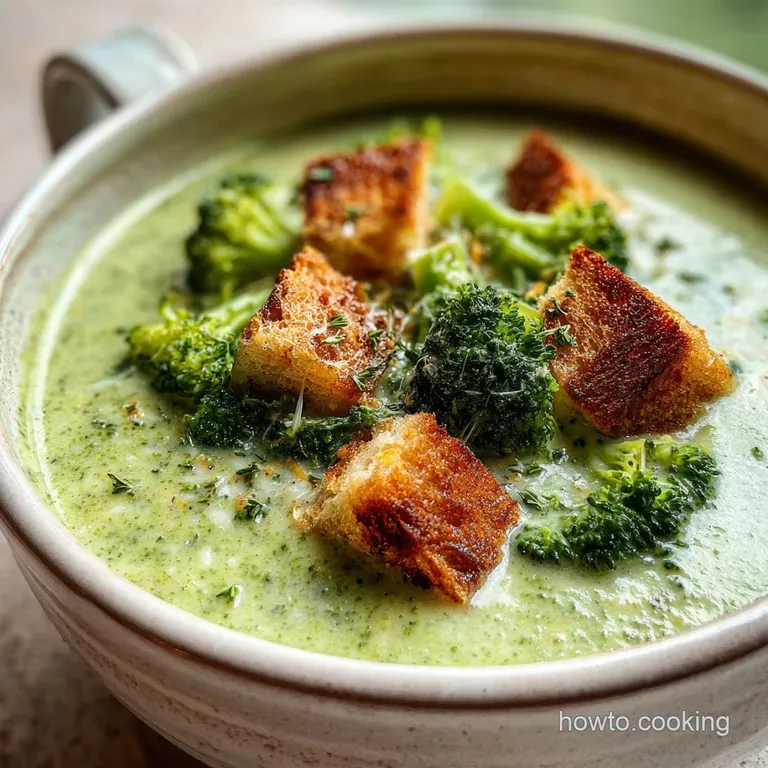
- Flavor/Texture Hook: Silky, rich base with tender broccoli florets
- Perfect for: Cozy weeknight dinners or nutritious meal prep
- Create the Best Broccoli and Cheese Soup
- Why This Recipe Actually Works
- Component Analysis for Better Results
- Smart Swaps for Every Pantry
- Steps for a Silky Result
- Solving Common Liquid Problems
- Adjusting the Recipe Yield
- Flavor Twists for Variety
- Handling Leftovers and Scraps
- Recipe FAQs
- 📝 Recipe Card
Create the Best Broccoli and Cheese Soup
The scent of onions softening in butter is the ultimate kitchen siren song. I remember the first time I tried to make this at home; I was so impatient that I dumped cold milk into a hot pan and ended up with a lumpy, broken mess that looked nothing like the velvety bowls you get at a bistro.
It was a humbling moment, but it taught me that great soup isn't about expensive ingredients, it's about the physics of the pot.
Now, whenever the sky turns that specific shade of "rain is coming," I reach for my heavy bottomed pot and start chopping. There’s a specific sound when the broccoli hits the simmering cream a soft hiss that promises a wholesome, comforting meal.
This version is better than any cafe chain because we control the quality of the cheese and the freshness of the greens. You'll find that taking the extra ten minutes to grate your own cheddar makes a world of difference in how the soup feels on your tongue.
We've all been there with a bowl of soup that’s either too thin or feels like liquid plastic. This recipe solves those issues by using a proper roux and a hit of nutmeg to lift the earthy notes of the broccoli.
It’s about building confidence in the kitchen, one whisk at a time, and I’m going to show you exactly how to get that signature silky finish without any shortcuts that compromise the flavor.
Why This Recipe Actually Works
Starch Gelatinization: The flour and butter roux creates a network that traps liquid, ensuring the soup remains thick even after the broccoli releases its natural moisture.
Fat Stabilization: Using a mix of whole milk and half and half provides enough milk fat to prevent the proteins in the cheddar from clumping together. This is a technique often used in our Broccoli Casserole recipe to maintain a smooth consistency.
Enzymatic Release: Sautéing the aromatics like onions and garlic first breaks down their cellular walls, releasing sugars that provide a deep, savory background.
Maillard Reaction: While we don't brown the vegetables, the gentle heat applied to the flour in the butter develops a nutty flavor that grounds the brightness of the cheese.
| Method | Cooking Time | Texture Outcome | Best For |
|---|---|---|---|
| Stovetop | 25 minutes | Silky and controlled | Most home cooks |
| Slow Cooker | 4 hours | Very soft broccoli | Busy workdays |
| Instant Pot | 10 minutes | Intensified flavors | Last minute meals |
The stovetop remains my preferred choice because it allows you to monitor the emulsification of the cheese, which is the most delicate part of the process. If you rush the heat, the cheese proteins will tighten and turn the liquid grainy, a mistake I've made more times than I'd like to admit.
Component Analysis for Better Results
| Ingredient | Science Role | Pro Secret |
|---|---|---|
| Unsalted Butter (57g) | Provides the fat for the roux | Use high fat European butter for a richer mouthfeel |
| Extra Sharp Cheddar (225g) | Primary flavor and thickening agent | Always grate from a block to avoid anti clumping starches |
| Dry Mustard Powder (1/2 tsp) | Acts as a natural emulsifier | It bridges the gap between the fat and water based liquids |
| Fresh Broccoli (450g) | Texture and nutritional core | Chop stalks smaller than florets for even cooking |
Nutmeg is the secret weapon here; just 1/4 tsp acts as a flavor bridge that makes the dairy taste creamier without adding actual fat. It’s a trick used in French béchamel that translates perfectly to this broccoli and cheese soup.
Smart Swaps for Every Pantry
- 1/4 cup (57g) unsalted butter: You can use salted butter, but reduce the added salt by half. Why this? Allows total control over the final seasoning levels.
- 1/2 medium yellow onion: White onion or leeks work beautifully here. Why this? Provides the foundational sulfurous aromatics for the base.
- 1/4 cup (32g) all purpose flour: Use a gluten-free all purpose blend if needed. Why this? Thickens the liquid by absorbing and swelling in heat.
- 2 cups (475ml) chicken broth: Vegetable broth is a great vegetarian alternative. Why this? Adds more depth than just using plain water.
- 2 cups (475ml) whole milk: 2% milk works, but avoid skim milk. Why this? The fat content is necessary to keep the cheese stable.
- 1 cup (240ml) half and half: Use heavy cream for an even more indulgent texture. Why this? Provides the signature velvety "mouth coating" quality.
- 8 oz (225g) extra sharp cheddar: Mild cheddar or Gruyère are fantastic swaps. Why this? Sharpness cuts through the richness of the cream base.
Chef's Tip: Freeze your block of cheese for 10 minutes before grating. It makes the shredding process much cleaner and prevents the cheese from clumping in the grater.
Steps for a Silky Result
Phase 1: Sautéing the Foundation
- Melt the 57g of unsalted butter in a large pot over medium heat until it begins to foam and sizzle.
- Add the diced yellow onion and julienned carrot. Cook for about 5 minutes until the onions are translucent and fragrant.
- Stir in the minced garlic. Sauté for exactly 1 minute until you smell the sharp aroma soften.
Phase 2: Building the Velvety Base
- Whisk in the 32g of all purpose flour. Cook for 2 minutes until the mixture looks like wet sand and smells slightly nutty. Note: This removes the raw flour taste.
- Slowly pour in the 475ml of chicken broth while whisking constantly.
- Gradually add the 475ml of room temperature milk and 240ml of half and half. Note: Using room temp liquid prevents the roux from "shocking" into lumps.
- Add the dry mustard powder, nutmeg, salt, and pepper. Whisk until the liquid is completely smooth.
Phase 3: The Gentle Simmer & Melt
- Add the 450g of chopped broccoli florets. Reduce heat to low and simmer for 15 minutes until the broccoli is fork tender but still vibrant.
- Remove the pot from the heat. This is a precision checkpoint: the liquid should be around 70°C before adding cheese.
- Stir in the 225g of freshly grated cheddar one handful at a time until the cheese has melted into a silky, uniform soup.
Solving Common Liquid Problems
Why Your Soup is Grainy
This usually happens because the heat was too high when the cheese was added. High heat causes the proteins in the cheese to denature and clump together, separating from the fats. To fix this, you can try blending a portion of the soup to re emulsify it, but it's best avoided by taking the pot off the stove before stirring in your cheddar.
If the Soup is Too Thick
The starch in the flour and the broccoli will continue to thicken the liquid as it sits. If it turns into a paste, simply whisk in a splash of warm broth or milk. Do not use cold liquid, as it can break the emulsion we worked so hard to build.
| Problem | Root Cause | Solution |
|---|---|---|
| Separated Oil | Heat was too high | Whisk in a teaspoon of warm milk vigorously |
| Bland Flavor | Under seasoning | Add a tiny splash of lemon juice or apple cider vinegar |
| Crunchy Broccoli | Not simmered long enough | Simmer for 5 more minutes before adding cheese |
Common Mistakes Checklist
- ✓ Grate your own cheese (pre shredded has cellulose that prevents melting)
- ✓ Let the milk come to room temperature before adding to the hot pot
- ✓ Don't boil the soup once the cheese has been added
- ✓ Chop broccoli into very small, uniform pieces so it cooks evenly
- ✓ Use a heavy bottomed pot to prevent the dairy from scorching on the bottom
Adjusting the Recipe Yield
When cutting this recipe in half, use a smaller saucepan to prevent the liquid from evaporating too quickly. If you need half an egg for a similar recipe, beat it first and then measure, but for this soup, the math is straightforward.
Just ensure you still use a full carrot for the color and flavor even if you're making a smaller batch.
For doubling the recipe, you don't need to double the salt or spices immediately. Start with 1.5x the amount of salt and nutmeg, then taste at the end. Large batches of dairy based soups can become overly salty very quickly.
You’ll also want to work in batches if your pot isn't large enough to allow the broccoli to move freely while simmering.
If you are looking for a different way to use these flavors, my How to Make recipe for stuffed chicken is a fantastic way to utilize leftover broccoli and cheddar.
Flavor Twists for Variety
One common myth is that you need heavy cream for a thick soup. In reality, the roux and the cheese provide most of the structure. Another misconception is that "broccoli and cheese soup" must be completely smooth.
While some prefer it pureed, keeping the florets intact provides a much more satisfying mouthfeel and makes the meal feel more wholesome and substantial.
- For a Smoky Twist: Swap half of the cheddar for smoked gouda and add a pinch of smoked paprika.
- For Extra Texture: Roast the broccoli florets in the oven at 200°C for 10 minutes before adding them to the soup for a charred flavor.
- For a Lighter Version: Replace the half and half with more chicken broth and use a sharp white cheddar which has a stronger flavor profile, allowing you to use less total cheese.
Handling Leftovers and Scraps
Store any leftovers in an airtight container in the fridge for up to 3 days. When reheating, do it gently on the stovetop over low heat. If you use a microwave, use 30 second bursts and stir in between to prevent the cheese from separating.
This soup does not freeze well because the dairy tends to break and become grainy upon thawing.
Don't toss those broccoli stems! Peel the woody outer layer with a vegetable peeler, dice the tender inner core, and sauté them right along with the onions and carrots. They have a wonderful sweetness and ensure you are practicing zero waste cooking.
The carrot peels and onion ends can also be saved in a bag in the freezer to make your own vegetable broth for the next time you crave this broccoli and cheese soup.
This dish is a confident step into the world of emulsified sauces and soups. Once you've mastered this base, you can apply the same technique to any number of vegetable creams. It’s a nutritious, flavorful staple that belongs in every home cook's rotation.
Pair it with a crusty piece of sourdough or a light salad to complete the experience.

Recipe FAQs
What is the best cheese for broccoli cheese soup?
Extra sharp cheddar is ideal for the best flavor. Its strong, tangy profile cuts through the richness of the cream base. Always grate cheese fresh from a block, as pre-shredded varieties contain starches that can prevent smooth melting.
How healthy is broccoli and cheese soup?
It depends entirely on the dairy used. It is nutrient dense due to the broccoli, but the health factor is lowered by the butter and cream. You can lighten it significantly by using low-fat milk and reducing the roux thickness.
Why is my broccoli cheese soup bland?
You likely under seasoned or didn't use a strong enough cheese. Ensure you are using extra sharp cheddar and check the seasoning after the broccoli has cooked down. A secret ingredient like a dash of dry mustard powder or smoked paprika elevates the savory background significantly.
What can you add to broccoli soup to make it taste better?
Add aromatics early and finish with acid or spice. Sautéing onions and garlic forms a crucial flavor foundation, much like the base for our Hearty Potato Soup recipe. A final small squeeze of lemon juice brightens the richness.
How do I stop my broccoli cheese soup from turning grainy?
Remove the soup from the direct heat before adding the cheese. High heat causes the protein in the cheddar to seize up and separate from the fat, causing graininess. Ensure the liquid is warm, not boiling, when stirring in the shredded cheese slowly.
Can I use frozen broccoli instead of fresh?
No, try to stick with fresh broccoli florets. Frozen broccoli releases excess water when thawed, thinning your sauce and dulling the vibrant green color. If you must use frozen, thaw it completely and drain all excess moisture before adding it to the simmering broth.
What is the secret to making the soup perfectly silky smooth?
Mastering the roux and gentle emulsification is the key. The initial cook of the flour in butter sets the structure, preventing separation later. If you enjoyed achieving that smooth, stable base here, see how the same principle of fat and starch balancing works in The Comfort Classic recipe.
Broccoli Cheese Soup Recipe

Ingredients:
Instructions:
Nutrition Facts:
| Calories | 382 kcal |
|---|---|
| Protein | 15.9 g |
| Fat | 27.9 g |
| Carbs | 18.6 g |
| Fiber | 2.8 g |
| Sugar | 7.9 g |
| Sodium | 585 mg |
