Fall Soups: Autumn Glow Butternut Squash Apple Soup
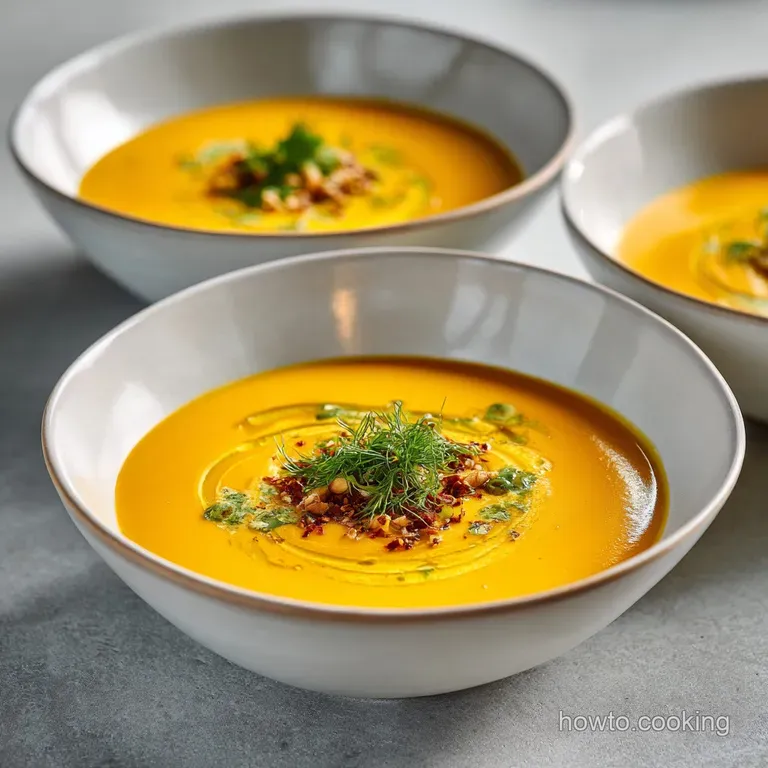
- Capturing the Essence of Autumn: Why This Recipe is the Ultimate Fall Comfort Food
- The Science of Comfort: Flavor Layering for a Superior Fall Soups Base
- Essential Elements for the Ultimate Fall Soup Base: Ingredients and Smart Substitutions
- The Autumn Glow Method: Transforming Squash into Soup Perfection
- Professional Secrets for Perfect Butternut Squash Soup (Troubleshooting & Tips)
- Preserving the Harvest: Storage, Freezing, and Reheating Guide
- Elevated Pairings for Your Seasonal Soup Experience
- Recipe FAQs: Autumn Glow Soup
- 📝 Recipe Card
Capturing the Essence of Autumn: Why This Recipe is the Ultimate Fall Comfort Food
That first real chill in the air hits different, doesn't it? When you walk in from the cold and your kitchen is already filled with the heavy, sweet scent of roasted butternut squash and just a hint of cinnamon. That, my friends, is the unequivocal signal.
It’s officially time to dive headfirst into the magnificent world of Fall Soups .
Look, I know life is hectic; who has time for fussy recipes during the week? This recipe is a total lifesaver because it’s inexpensive, packed with nutrients, and honestly, most of the work happens while you’re ignoring the oven and maybe sipping on a Easy Fireside Fig Pomegranate Fall Sangria Recipe . It’s the definition of easy, weeknight comfort food perfection.
Forget the thin, watery, slightly bland squash purees you might have tolerated before. We are elevating this classic into something elegant and deeply satisfying, and it all comes down to one non-negotiable step: proper caramelization.
Get ready to master the "Autumn Glow" and create truly memorable Fall Soups .
The Science of Comfort: Flavor Layering for a Superior Fall Soups Base
Most people treat soup as a simple "boil and blend" operation. That’s a mistake. If you want your Fall Soups to taste complex and layered, you have to build the flavors intentionally, and that means roasting. We’re aiming for maximum depth here, not just volume.
This creamy butternut squash and apple masterpiece uses three specific tricks to achieve that incredible velvety texture and rich flavor.
The Art of Velvety Texture: How Proper Roasting Helps
Roasting is the bedrock of this entire recipe. When you roast the butternut squash, onions, and apples at a high heat, something magical called the Maillard reaction occurs. This doesn’t just soften the vegetables; it caramelizes their natural sugars, which concentrates the flavor exponentially.
The outside edges get those deeply browned, slightly nutty notes that simple boiling washes away. If you skip this step, your Fall Soups will taste like boiled squash, and nobody wants that. Roasting is the difference between good soup and soup you want to hibernate with.
Why Butternut and Apple Are a Perfect Marriage
Butternut squash is inherently sweet, right? If you pair it with sweet stock and a touch of cream, it can end up tasting flat, like dessert without the payoff. The key to stellar Fall Soups is balance. That's why we use tart Granny Smith apples.
Their acidity cuts through the heaviness and provides a bright, subtle sharpness that keeps you coming back for another spoonful. It's the counterpoint, the zing, the reason this soup tastes sophisticated.
Moving Beyond Basic Seasonal Dishes: Depth Over Density for Superior Fall Soups
We aren't just chucking things in a pot. The process of briefly cooking the roasted vegetables with the spices (cinnamon and nutmeg) before adding the stock is crucial.
This step, sometimes called 'blooming,' wakes up those fat-soluble spices, releasing their full aromatic potential into the oil and the squash. It only takes 30 seconds, but it adds an incredible, almost woodsy depth to these particular Fall Soups that makes all the difference.
Balancing Sweetness and Earthiness
Using whole, skin-on garlic cloves is another small genius move. They roast into little pockets of buttery sweetness, losing their pungent bite. Squeezing that roasted garlic into the pot adds a mellow, deep earthiness that grounds the natural sugariness of the squash and apple.
It’s a trick I learned years ago when I accidentally scorched my garlic trying to sauté it, and realised roasted garlic is just better in creamy Fall Soups .
The Magic of Brown Butter Infusion
If you only learn one new technique this season, make it brown butter. Browning butter transforms the mild, milky flavor of regular butter into something rich, nutty, and complex like toasted hazelnuts.
Infusing the brown butter with crispy sage creates an intoxicating, aromatic drizzle that elevates this butternut squash soup from simple to sublime. It’s the showstopper garnish for amazing Fall Soups .
Achieving the Silky Smooth Finish Without Heavy Cream
The natural starches in the roasted butternut squash and apples thicken the soup beautifully. We use a high speed blender to break down the fibers completely, creating that luxurious, velvety mouthfeel.
Adding a tiny splash of crème fraîche or cream at the end is optional, but it gives an incredible sheen and richness without making the soup overly heavy or masking the delicate autumnal flavors of these vibrant Fall Soups .
Essential Elements for the Ultimate Fall Soup Base: Ingredients and Smart Substitutions
When tackling homemade Fall Soups , the quality of your base ingredients really shines through. Don't skimp on the stock it carries 80% of the flavor!
| Ingredient Focus | Essential Role | Smart Substitution |
|---|---|---|
| Butternut Squash (3 lbs) | Creaminess and sweetness. | Sweet Potato (ensure it is well roasted for depth), or Sugar Pumpkin/Acorn Squash. |
| Granny Smith Apples (2 large) | Necessary tartness and acidity. | Firm, tart pears (like Bosc) or a splash of apple cider vinegar (add at the end) if omitting fruit. |
| Yellow Onion (1 large) | Aromatic base. | 2 large shallots or 1 small white onion. |
| Vegetable Stock (6 cups) | Liquid base and savory depth. | Chicken stock (if not strictly vegetarian) or water + 1 Tbsp good quality vegetable bouillon paste. |
| Crème Fraîche (1/4 cup) | Richness and polish (optional). | Full fat coconut milk (for dairy-free Fall Soups ), heavy cream, or Greek yogurt (stirred in after blending and off the heat). |
Selecting the Best Winter Squash for Creaminess
Butternut is my preferred squash for velvety Fall Soups because it has a high sugar content and a low stringiness factor. It roasts quickly and blends beautifully smooth.
If you use a different squash like acorn or spaghetti squash, be warned: they are drier and you may need to add an extra half cup of stock or coconut milk during blending to hit that perfect luxurious texture.
The Role of Tartness: Choosing Your Apple Variety
I specify Granny Smith because their tartness is essential to cut the inherent sweetness of the roasted squash. If you use a sweeter apple, like Fuji or Gala, you risk creating a soup that tastes like baby food too sweet and one-dimensional. Stick to something sharp!
This is vital for complex Fall Soups .
Fresh Sage vs. Dried: Achieving Crispy Garnish Perfection
The garnish is the exclamation point on your bowl of Fall Soups . You absolutely must use fresh sage for the brown butter. Dried sage will just crumble and burn; it won't give you those beautiful, fragrant, crispy chips.
The residual heat from the brown butter flash fries the fresh leaves, giving you that lovely contrast in texture.
Substituting Dairy for a Vegan Friendly Autumn Glow
If you want to keep these Fall Soups completely vegan, the substitution is easy. Use full fat canned coconut milk instead of crème fraîche. It adds richness without adding a dominant coconut flavor, especially when paired with the heavy spices and strong savory base.
Just ensure you stir it in gently right at the very end.
Chef's Note: Don't roast your squash naked! Make sure every piece of vegetable is coated in oil, salt, and pepper. That oil facilitates the caramelization process, guaranteeing a flavorful foundation for your beautiful batch of Fall Soups .
The Autumn Glow Method: Transforming Squash into Soup Perfection
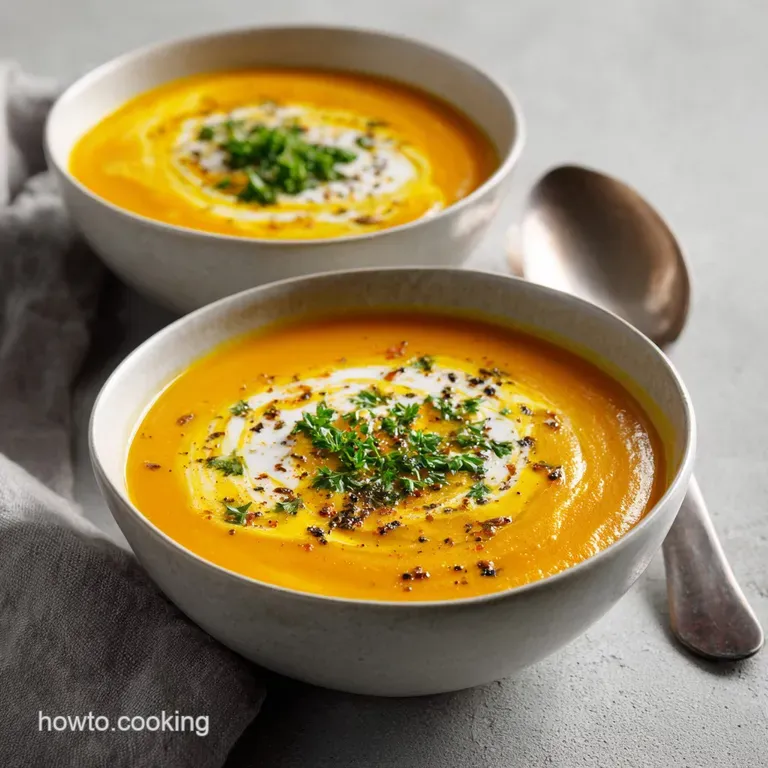
Let's crack on and get this glorious soup made. Trust me, the smell that will permeate your kitchen during Phase 1 is intoxicating. This recipe makes some of the best Fall Soups you will ever taste.
Step 1: Roasting the Foundation for Deeper Flavor
Preheat your oven to a piping hot 200°C (400°F). Toss the cubed butternut squash, the roughly chopped Granny Smith apples, the quartered yellow onion, and the whole garlic cloves (yes, skins on!) onto your largest baking sheet.
Drizzle everything generously with 3 Tbsp of olive oil, 1 tsp of kosher salt, and the pepper. Toss well so everything is gleaming. Roast for 30– 35 minutes. You're looking for tender squash and beautifully browned, caramelized edges.
Once done, remove the tray and let it cool just slightly so you don't burn your fingers. Squeeze the soft roasted garlic flesh out of their skins and discard those papery husks.
Step 2: Building the Aromatics and Liquid Base
Transfer all the roasted vegetables, apples, and the extracted garlic into a large, heavy bottomed pot or Dutch oven. Place the pot over medium heat. Add the 1/2 tsp of cinnamon and the 1/4 tsp of nutmeg. Stir constantly for about 30 seconds until the spices smell intensely fragrant.
This crucial step "blooms" the spices. Immediately pour in the 6 cups of vegetable stock. Bring the mixture up to a gentle simmer, reduce the heat, and let it bubble quietly for 5– 7 minutes.
This simmering period allows the spice flavors to fully integrate with the liquid, marrying all those beautiful autumnal notes together for perfect Fall Soups .
Step 3: Blending Techniques for Maximum Smoothness
Now for the blending the step that often results in a massive kitchen mess if you're not careful! Safety first: if you are using a standard blender, only fill the jar halfway. The steam pressure from hot liquid will blow the lid off if you overfill it.
Always hold the lid down firmly with a towel draped over the top (the towel catches any hot sprays). Blend until it is impossibly smooth and velvety. If you have an immersion blender, even better just blend it right there in the pot, carefully. Return the completely smooth soup to the pot.
Stir in the optional 1/4 cup of crème fraîche (or coconut milk). Taste it! Add more salt, pepper, or a tiny dash of maple syrup if the apples made it slightly too tart. Keep warm over the lowest possible heat.
Step 4: Mastering the Crispy Sage and Brown Butter Topping
This topping takes your Fall Soups from humble to high end. In a small saucepan, melt 4 Tbsp of unsalted butter over medium heat. It will foam up dramatically; ignore that. Keep cooking, swirling the pan occasionally.
Once the foam subsides, you will see small brown specks forming at the bottom, and a glorious, nutty aroma will fill the air like toasted hazelnuts. That’s your cue! Immediately toss in your 12 small, dry fresh sage leaves. They will sizzle violently.
Fry them for about 30 seconds until they turn crisp and darker green. Remove the pan from the heat right away. Use a slotted spoon to scoop out the crispy sage leaves onto a paper towel to drain.
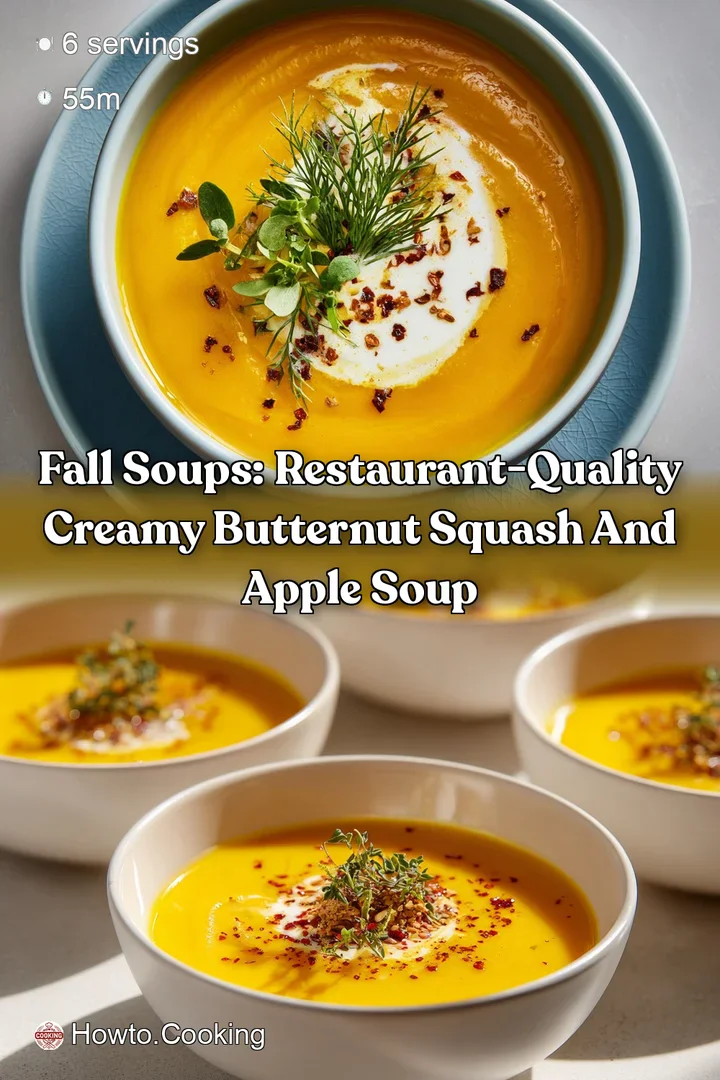
Ladle your rich, creamy Fall Soups into bowls, drizzle each with a teaspoon of that nutty, infused brown butter, and crown it with 2 3 crispy sage leaves. Perfection.
Professional Secrets for Perfect Butternut Squash Soup (Troubleshooting & Tips)
We’ve all been there: things go sideways. Maybe the texture is off, or the flavour is lacking. Here are the common pitfalls I’ve encountered making batches and batches of Fall Soups over the years.
Avoiding a Gritty Texture: The Crucial Temperature Rule
The number one reason soup turns out grainy or gritty is blending dairy while it is too cold. If you add cold crème fraîche or heavy cream straight from the fridge to piping hot soup and start blending, the sudden temperature change can cause the fat molecules to seize and separate, resulting in a slightly unpleasant texture.
Fix: Always bring the soup back to a gentle simmer after blending, and then stir in the cream or dairy component rather than blending it again. If using Greek yogurt, always stir it in off the heat entirely. This ensures luxurious, silky Fall Soups .
How to Adjust Broth Consistency and Thickness
If your soup is too thin: Don't panic and try to reduce it on the stove, which takes ages. The fastest fix is to blend in a thickening agent. Try adding 1/4 cup of cooked white rice (it blends invisibly) or 1/2 cup of roasted, shelled cashews (for extra richness).
If your soup is too thick: Simply stir in 1/4 cup of hot vegetable stock at a time until you reach your desired consistency. Remember, creamy Fall Soups should glide smoothly off a spoon.
Troubleshooting Overly Sweet Flavors
If you taste your final batch and find it tastes a little too much like pie (maybe your squash was extra sweet or you went heavy on the cinnamon), you need an acid boost. Add 1/2 teaspoon of fresh lemon juice or a small splash of apple cider vinegar, stirring and tasting as you go.
Acid balances sweetness perfectly, pulling the whole flavor profile back into savory territory. This is a must know trick for improving your homemade Fall Soups .
Preserving the Harvest: Storage, Freezing, and Reheating Guide
But does this generous batch of comforting Fall Soups freeze well? You bet it does. Batch cooking and freezing are the cornerstones of sensible home cooking.
Safely Freezing Creamy Soups
The great news is that this soup freezes beautifully, provided you are smart about the dairy. Crucial Tip: Do not add the crème fraîche or heavy cream until after you have thawed and reheated the portion you plan to eat.
Dairy fats tend to separate and become slightly grainy after freezing and thawing. If you used coconut milk, you are in the clear full fat coconut milk freezes well in Fall Soups .
Cool the soup completely in the refrigerator before transferring it to freezer safe, airtight containers, leaving about an inch of headspace for expansion. It will last perfectly for up to 3 months.
Reheating Tips to Prevent Separation
Thaw frozen soup overnight in the refrigerator. Reheat gently in a saucepan over low heat, stirring frequently. If you notice any slight separation (which can happen even with dairy-free options), a quick 10 second blast with an immersion blender once it’s hot will bring it right back together to that glossy, unified texture.
Shelf Life of Refrigerated Soups
Properly stored in an airtight container, this butternut squash soup is wonderful for easy lunches and lasts 4 to 5 days in the fridge. The spices actually deepen overnight, so the soup often tastes even better the next day! This makes it ideal for meal prepping healthy Fall Soups .
Elevated Pairings for Your Seasonal Soup Experience
Sometimes, soup needs a sidekick. Since this is an elegant soup that feels a bit special, skip the simple crackers and aim for something robust and textural.
Serve this vibrant bowl of autumn color alongside a thick, crusty slice of sourdough bread perfect for soaking up every drop. If you want a hearty vegetarian pairing, a side of my Sweet Potato Tian Recipe: Rustic Fall Side Dish with Thyme and Gruyère would be absolutely divine, offering a cheesy, savory contrast to the sweet soup.
Alternatively, if you are making this for a weekend main course, the richness of a gooey grilled cheese sandwich maybe Gruyère with caramelized onions is the classic counterpoint to creamy Fall Soups . For dessert, you really can’t go wrong with my individual Mini Pumpkin Pies: Flaky Crust Individual Desserts for Fall to round out the seasonal meal perfectly. Enjoy these ultimate Fall Soups !
Recipe FAQs: Autumn Glow Soup
Can I freeze this butternut squash soup, and how should I reheat it?
Yes, this soup freezes beautifully for up to three months in an airtight container, preferably before the heavy cream is stirred in. When you are ready to serve, thaw it overnight in the refrigerator and gently warm it on the stovetop, adding a splash of broth or water if the consistency is too thick.
How can I make this "Autumn Glow" soup completely vegan or dairy-free?
Substitute the heavy cream with full fat coconut milk or a high-quality cashew cream to maintain the required richness and velvety texture. For the crispy sage brown butter garnish, use an equal amount of high-quality vegan butter, ensuring you watch closely as the milk solids brown.
Why is my soup grainy or not perfectly smooth after blending?
A grainy texture usually means the squash was not cooked completely until fork tender before blending, or the blender was not powerful enough. For the smoothest result, blend the soup in batches using a high powered blender, or strain the entire soup through a fine mesh sieve after blending.
My soup tastes too sweet because of the apples and squash. How can I balance the flavor?
To cut the sweetness, introduce acidity with a small amount of sherry vinegar, fresh lemon juice, or a dash of white wine vinegar stirred in at the end. Additionally, a pinch of cayenne pepper or freshly grated nutmeg can offer a wonderful counterpoint to the sweet earthy notes.
I struggled with the garnish my sage leaves burned, or the butter turned black. What went wrong?
Brown butter (Beurre noisette) transitions very quickly from fragrant and nutty to burnt, requiring constant attention and moderate heat. Remove the pan from the heat immediately when the milk solids turn a deep amber color, and then introduce the sage leaves to crisp them in the residual heat.
I don't have butternut squash on hand. What other squash works well in this recipe?
Acorn squash or kabocha squash are excellent substitutes, offering a similar sweetness and creamy, dense texture when cooked down. If you opt for pumpkin, ensure you use a baking or pie variety, as carving pumpkins lack the necessary flavor concentration and richness.
Can I prepare the soup ahead of time for a large gathering?
Yes, you can prepare the soup base (squash, broth, seasonings) up to three days in advance and store it tightly covered in the refrigerator. Wait to stir in the heavy cream and prepare the brown butter sage garnish until just before serving, as these components are best when fresh.
Butternut Squash Apple Soup Recipe
Ingredients:
Instructions:
Nutrition Facts:
| Calories | 518 kcal |
|---|---|
| Protein | 5.7 g |
| Fat | 27.8 g |
| Carbs | 49.1 g |
