Oven Steak: the Cast Iron Classic Method
- Introducing the Cast Iron Classic: Perfecting Oven-Finished Steak
- The Science Behind the Sear and Roast Method
- Essential Components: Ingredients and Steak Selection
- Precise Execution: Cooking Instructions for Restaurant-Quality Steak
- Achieving Perfection: Troubleshooting and Pro Chef Techniques
- Planning Ahead: Storage, Reheating, and Make-Ahead Tips
- Complementing Flavors: Serving Suggestions for Your Steak
- Recipe FAQs
- 📝 Recipe Card
Introducing the Cast Iron Classic: Perfecting Oven Finished Steak
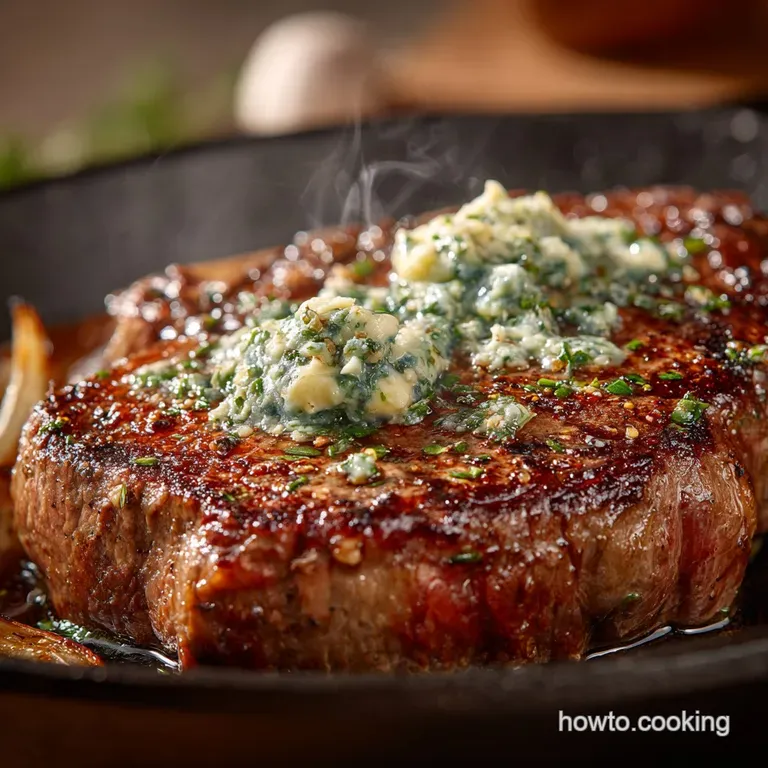
That sound? That crackle of fat hitting scorching hot iron? That’s the first hint of perfection. It smells exactly like the fancy steakhouse you paid way too much money for last month, but guess what? This heavenly aroma is coming from your kitchen right now.
Trust me, learning how to nail a perfect Oven Steak is a game changer for weeknight dinners.
Seriously, if you’re still pan-frying steak and praying it comes out pink, you need to stop. We’re moving beyond guesswork. This method is the ultimate lifesaver for busy home cooks who want maximum flavour with minimal risk.
It’s faster than grilling (especially in winter) and delivers a consistently juicy result. Forget dry, grey disasters; this reliable technique guarantees a tender interior every single time you cook Oven Steak .
This isn't just about cooking meat; it’s about control. We’re going to master the over high heat sear, exploit the gentle precision of the oven, and finish with a flavour bomb butter baste. Ready to start cooking the absolute best Oven Steak you’ve ever had?
Let’s crack on.
The Science Behind the Sear and Roast Method
I spent years messing up steaks. They were either perfectly crusty but shoe leather dry, or beautifully pink but lacked that satisfying, deep brown flavour crust. The secret to bridging this gap and perfecting your Oven Steak —is combining the two cooking methods: high heat for the crust, and moderate, dry heat for the core.
Why the Sear and Roast Method Dominates
The stovetop is amazing for searing, but it only applies heat to one surface at a time. This concentrates the heat on the exterior, potentially overcooking the edges before the center even gets warm. By using the oven for the final stage, we surround the steak with even heat.
This allows the core to come up to temperature gently and uniformly, resulting in that beautiful edge-to-edge pinkness we all crave in a high-quality Oven Steak .
What Defines a Restaurant Quality Crust
It all comes down to the Maillard reaction, which is basically food science for "deep brown deliciousness." This reaction happens when amino acids and reducing sugars react at high temperatures (over 300°F). Moisture is the enemy here.
If your steak is wet, the energy is wasted boiling water instead of creating flavour. That’s why we pat the Oven Steak dry and use a ridiculously hot pan.
Necessary Equipment Checklist
You don't need fancy gadgets, but a couple of items are non-negotiable for true Oven Steak success.
- Cast Iron Skillet (or heavy oven safe pan): Cast iron retains and distributes heat better than anything else. It's truly essential for that killer crust.
- Instant Read Meat Thermometer: Please, please, please buy one. Guessing internal temperature is the single biggest mistake people make. Getting the ideal Oven Steak requires precision.
- Tongs and Spoons: Essential for flipping the meat and basting the melted herb butter later on.
Achieving the Maillard Reaction Crust
Remember, high heat and dryness are key. I use an oil with a very high smoke point grape seed or canola oil work perfectly. Olive oil will just burn and taste bitter before your pan is hot enough.
By searing for a short, aggressive burst ( 2 minutes per side), we instantly kickstart that reaction, setting the stage for the perfect Oven Steak finish.
The Role of Precise Temperature Control
This method relies entirely on monitoring internal temperature, not cook time. Ovens vary dramatically, and steak thickness isn't always uniform. We pull the Oven Steak before it reaches the final temperature because of carryover cooking.
The residual heat inside the steak continues to rise by about 5-10°F during the resting period. If you wait until it hits 130°F inside the oven, it will be 140°F (medium) by the time you eat it.
Uniform Doneness Explained
The goal of finishing your Oven Steak in the oven is achieving uniform doneness. When you cook entirely on the stovetop, you usually end up with a grey band right under the crust because of the intense, focused heat.
The oven allows the heat to penetrate evenly, gently bringing the entire core up to temperature, minimizing that undesirable grey margin. This dual method approach yields the most reliable Oven Steak results.
Essential Components: Ingredients and Steak Selection
When making amazing Oven Steak , you don’t need a complicated list of ingredients. The focus should be on quality meat, aggressive seasoning, and fresh aromatics for the baste.
Choosing the Optimal Cut and Thickness
Don't skimp here. This method works best on steaks that are at least 1.5 inches thick . Thicker steaks can handle the initial over high heat sear without overcooking the center immediately.
My go-to choices for delicious Oven Steak are bone-in Ribeye or a thick cut New York Strip.
| Cut | Ideal Thickness | Why It Works |
|---|---|---|
| Ribeye | 1.5 - 2 inches | Excellent marbling provides flavour and juiciness. |
| New York Strip | 1.5 inches | A good balance of tenderness and chew, great crust potential. |
| Sirloin | 1.5 inches | Leaner, so be cautious not to overcook. |
Preparing the Simple Herb Butter Base
The herb butter is the flavor blast at the end. It melts, foams, and permeates the crust during the basting stage.
- Unsalted Butter: Use unsalted so you control the seasoning.
- Garlic: Use whole, lightly smashed cloves, not minced. Minced garlic burns instantly in the high heat of the pan, ruining your beautiful Oven Steak .
- Fresh Thyme or Rosemary Sprigs: Fresh herbs are mandatory for maximum aroma transfer.
Salt Selection and Proper Seasoning
You need coarse salt Maldon sea salt flakes or kosher salt are the standard. The large crystals adhere well and draw out the surface moisture, which, paradoxically, helps achieve a drier surface for a better sear.
You should season your Oven Steak far more aggressively than you think you need to. Remember, a lot of that salt falls off in the pan.
Substitutions for Fresh Herbs (Thyme and Garlic)
What if you’re out of fresh herbs or can’t stand garlic breath? No problem, you can definitely adapt this perfect Oven Steak recipe.
| Ingredient | Substitute | Notes |
|---|---|---|
| Fresh Thyme/Rosemary | 1/2 tsp Dried Herbs (Oregano/Thyme) | Add dried herbs after the butter has melted to prevent burning. |
| Garlic Cloves | 1/4 tsp Garlic Powder | Mix the powder directly into the melted butter before basting the Oven Steak. |
| Unsalted Butter | Ghee or high-quality Margarine | Ghee has a higher smoke point and works beautifully, keeping the fat rich. |
| Grapeseed/Canola Oil | Rendered Fat (Tallow/Lard) | If you happen to have some, this adds an incredible layer of beefy flavour to the crust of your Oven Steak . |
Precise Execution: Cooking Instructions for Restaurant Quality Steak
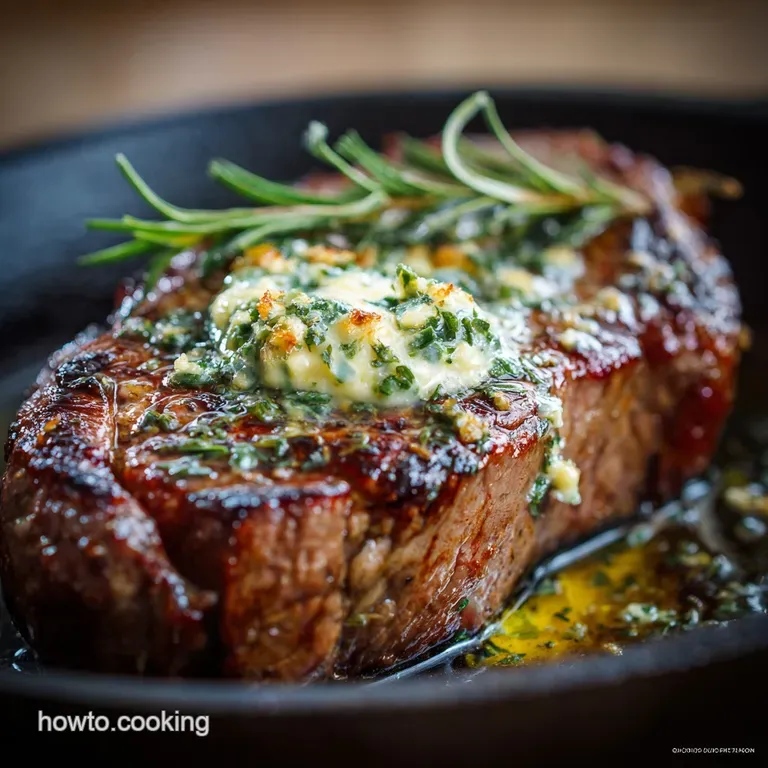
Alright, gloves off. This is where we focus on technique. The difference between a great Oven Steak and an average one is literally 30 seconds of attention.
Preparing the Steak for the Oven Transition
- Dry and Season: Remove the steaks from the fridge at least 30 minutes before cooking. Use paper towels to pat them bone dry . Season heavily with salt and pepper on all sides and edges. This crucial step ensures the crust on the resulting Oven Steak is crispy.
- Preheat: Get your oven screaming hot at 400°F (200°C). Place the cast iron skillet on the stovetop over high heat. Add your high smoke-point oil (2 Tbsp).
The over High heat Sear and Initial Basting
- Heat Check: Wait until the oil is shimmering and just beginning to smoke seriously, it needs to be hot enough to make you nervous.
- Sear Aggressively: Place the steaks into the hot pan (they should sizzle violently). Do not move them. Sear for exactly 2 minutes, then flip and sear the second side for 2 minutes. This creates the foundational crust on your future Oven Steak .
- Transfer: Immediately slide the entire cast iron pan into the preheated 400°F oven.
Oven Finishing: Temperature and Timing Guide
- The Roast: Roast for 4– 8 minutes, checking the internal temperature frequently. This is the precise period where the magic happens and you achieve that perfect pink interior.
- Remove for Basting: When the internal temperature is 10 15°F below your final target (e.g., 115°F/46°C for Medium Rare), remove the pan from the oven and put it back on a low-medium stovetop burner.
The Crucial Resting Period
- The Baste: Add the 4 Tbsp of cubed butter, smashed garlic, and herb sprigs to the pan. Once the butter melts and starts foaming, tilt the pan slightly and use a large spoon to scoop the foaming butter repeatedly over the surface of the Oven Steak for 60 90 seconds. This adds incredible flavor and finishes the cooking process.
- Final Check and Rest: Remove the Oven Steak immediately from the hot pan and place it on a wire rack resting over a cutting board. Rest for 10 full minutes. Do not slice! Slicing early releases all the delicious juices onto your board, leaving you with dry meat.
- Serve: Slice against the grain and drizzle with any juices accumulated during the rest. You have just mastered Oven Steak .
Chef’s Note: The temperature of the pan after the oven is still extremely hot. Use oven mitts for every step involving the handle, even the stovetop basting. I once grabbed a hot handle right after the oven transition; never again.
Protect your hands when handling the cast iron Oven Steak pan!
Achieving Perfection: Troubleshooting and Pro Chef Techniques
Even the best cooks have mishaps. Knowing how to troubleshoot common issues ensures that your attempt at Oven Steak always ends in success.
How to Prevent a Smoking Kitchen
High heat is required, but excessive smoking usually means you’re using the wrong oil or the seasoning is burning. Tip: Use an oil with a high smoke point (grapeseed, canola, avocado). Also, make sure you wipe off any excess oil from the seasoning before placing the steak in the pan. Another trick? Get a pair of Crispy Oven Baked Sweet Potato Fries The Ultimate Crunchy Technique going on a separate sheet pan at the same time; the slight smoke is a trade off for deliciousness.
The Thermometer Check: Internal Temperature Guide
This guide is based on the temperature after resting (we pull 5-10°F early). Achieving a perfect Oven Steak relies entirely on hitting these final targets.
| Doneness | Target Temperature (POST REST) |
|---|---|
| Rare | 125°F (52°C) |
| Medium Rare (Recommended) | 130 135°F (54 57°C) |
| Medium | 140 145°F (60 63°C) |
| Medium Well | 150 155°F (66 68°C) |
Rescuing an Overcooked Steak
Did you accidentally leave your Oven Steak in a minute too long? Don’t panic. If it’s slightly over medium (150°F+), slice it thin and repurpose it. It makes excellent steak salad or unbeatable steak sandwiches. Alternatively, if you have a pressure cooker, turn those slices into a quick filling for tacos, almost like a faster version of Instant Pot Cube Steak with Creamy Mushroom Sauce: Tender Easy. .
Maximizing Flavor with Browned Butter
If you want next level richness for your Oven Steak , let the butter brown slightly during the basting process. After the foam subsides, the milk solids will toast, creating a nutty, caramel aroma. Just be careful not to let it burn!
Browned butter adds a depth of flavour that simple melted butter can't touch. This little extra step makes a huge difference to your finished Oven Steak .
Common Mistakes When Cooking Oven Steak
- Not Tempering the Steak: If you put a cold steak straight from the fridge into a hot pan, the temperature difference is too great. The outside cooks incredibly fast while the middle struggles to warm up, resulting in a thick grey band. Always let your Oven Steak sit at room temperature for 30 minutes first.
- Using Wet Meat: Seriously, moisture is the enemy of the crust. If the steak is even slightly damp, the searing energy goes into steaming the surface, not browning it. Pat it dry religiously before seasoning to ensure a glorious finish for your Oven Steak .
- Skipping the Rest: People get hungry and slice too soon. All the beautiful juices you worked so hard to create rush out onto the cutting board. Rest time allows those muscle fibers to relax and reabsorb the moisture, ensuring every bite of your Oven Steak is juicy.
Planning Ahead: Storage, Reheating, and make-ahead Tips
While Oven Steak is truly best enjoyed immediately after resting, sometimes you have leftovers (lucky you!). Knowing how to store and reheat properly is crucial.
Safe Storage Practices for Cooked Steak
Once cooled, wrap leftover slices of Oven Steak tightly in foil or place them in an airtight container. Cooked steak is safe in the refrigerator for 3 to 4 days. If you plan to freeze it, slice the steak first and place the slices in a freezer bag, squeezing out all the air, then label the date.
It will keep for 2 to 3 months, though texture might suffer slightly.
Best Methods for Reheating Without Drying Out
Never microwave Oven Steak . It turns tender meat tough and sad instantly.
- Best Method (Gentle Heat): Preheat your oven to a low 250°F (120°C). Place the leftover slices on an oven safe rack over a baking sheet. Heat for 10- 15 minutes until just warmed through (internal temp 110°F). This keeps the moisture locked in, preserving the flavour of your original Oven Steak .
- Quick Sear: If you only have a few slices, heat a small amount of oil or butter in a pan until shimmering. Flash sear the slices for 30 seconds per side, just to revive the crust, but keep the heat high and the time brief.
Complementing Flavors: Serving Suggestions for Your Steak
What do you serve alongside a perfect piece of Oven Steak ? Something that highlights the richness and crust without competing too much.
- Starchy Sides: You can never go wrong with mashed potatoes whipped with butter and cream, or maybe some classic Southern Oven Candied Sweet Potatoes Sticky Maple Brown Sugar Glaze for a touch of sweetness.
- Green Stuff: A sharp, peppery Arugula (Rocket) salad tossed simply with olive oil, lemon juice, and shaved Parmesan provides a great acidic counterpoint to the richness of the Oven Steak .
- Sauces: A classic pan sauce using the residual fond (brown bits) from the pan is divine. Deglaze the pan with a bit of red wine, add some stock, and finish with a knob of butter and fresh herbs for a quick reduction. You could even use some of the same techniques employed when making Healthy Sesame Chicken Crispy OvenBaked Recipe with LowSugar Glaze if you wanted a sticky, savory glaze instead of a traditional pan sauce for your Oven Steak .
Mastering this sear and roast technique means you can reliably produce flawless, juicy, crusty Oven Steak whenever the craving hits. It takes a little practice with timing, but once you trust your thermometer and embrace the high heat, you’ll never go back to guesswork.
Enjoy your incredible, restaurant quality Oven Steak !
Recipe FAQs
Why is my steak dry or overcooked despite following the temperature guidelines?
The most common culprit for dryness is insufficient resting time, which causes internal juices to spill out when the steak is cut. Ensure you use an accurate thermometer and immediately remove the steak when it reaches about 5°F below the target temperature, as it will continue cooking while resting (carryover cooking).
I don't own a cast iron pan. Can I use a different type of skillet?
While cast iron is highly recommended for its superior heat retention and ability to create a deep crust, a heavy bottomed, oven safe stainless steel pan can be used as a substitute. It is crucial that the pan can handle the high temperatures required for searing and is safe to transfer directly into the oven.
What is the absolute best way to achieve a deep, flavourful crust (Maillard reaction)?
Achieving a great crust relies on two factors: the steak must be bone dry on the surface before searing pat it thoroughly with paper towels. Secondly, the oil and the pan must be smoking hot before the steak is placed in it, which ensures the crust forms rapidly without overcooking the interior.
How long should I let the steak rest, and is this step really necessary?
Resting is non-negotiable and critically necessary; the steak should rest for 5 to 10 minutes, depending on the size, tented loosely with foil. This time allows the intense internal pressure built up during cooking to stabilize, enabling the juices to redistribute evenly throughout the muscle fibers.
Can I use this sear and-roast method for very thick (over 2 inch) cuts?
Yes, this method is actually ideal for very thick cuts, as it provides a precise sear followed by gentle, even cooking in the oven. For cuts over 2 inches, you may need to reduce the initial sear time and increase the oven time significantly to prevent the crust from burning before the center is cooked.
How should I store leftover cooked steak, and can I freeze it?
Store leftover steak tightly wrapped in the refrigerator for up to three days, slicing it before reheating or serving cold. While you can freeze cooked steak, the texture and flavour quality will inevitably degrade due to moisture loss and ice crystallization.
I want to skip the herb butter; how will this affect the final result?
Omitting the herb butter will result in a less rich and less aromatic steak, but the cooking technique itself remains sound. The butter basting step enhances the crust, adds complexity from the aromatics (thyme/garlic), and helps keep the exterior moist during the final sear.
If you skip it, you may want to serve a simple pan sauce instead.
Cast Iron Oven Steak Finish
Ingredients:
Instructions:
Nutrition Facts:
| Calories | 500 kcal |
|---|---|
| Fat | 35 g |
| Fiber | 1 g |
