Ruths Rustic Riches the Ultimate Steakhouse Potatoes Au Gratin
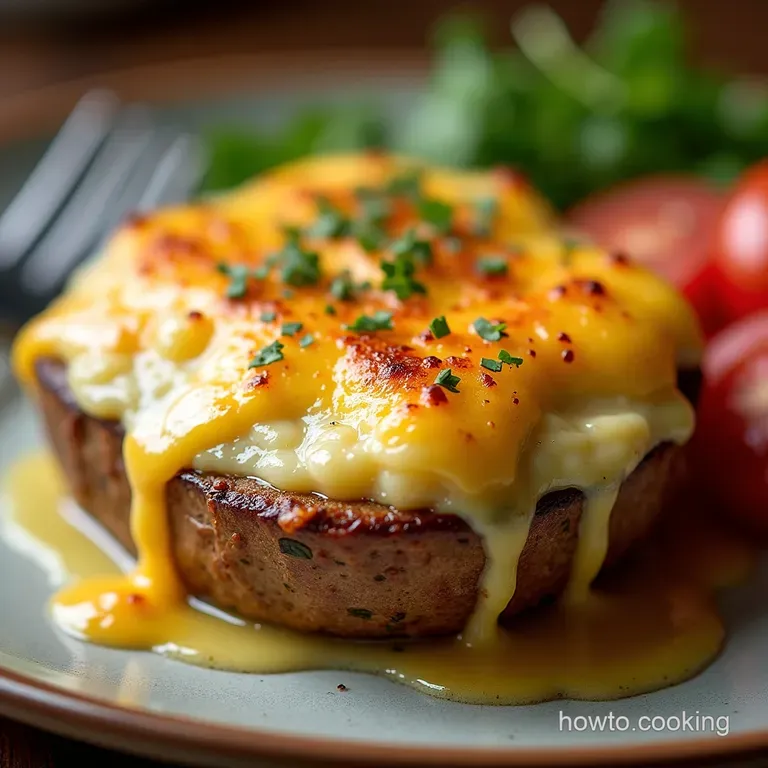
- Why This Steakhouse-Style Recipe Reimagines Potatoes au Gratin
- The Secret to Velvety Cream and Tender Layers
- Assembling the Cornerstone Components for Richness
- Curating the Cheese Blend That Defines Excellence
- The Precise Technique for Layering and Infusing Flavor
- Achieving That Signature Golden-Brown Crust
- Elevating Your Finished Potatoes au Gratin with Simple Tweaks
- Storage Strategies for Future Indulgence
- Recipe FAQs
- 📝 Recipe Card
Why This Steakhouse-Style Recipe Reimagines Potatoes au Gratin
Forget dry, chalky gratins; this recipe delivers the decadent experience of a top-tier steakhouse side dish. We’re layering thinly sliced, starchy potatoes with a rich, slow-simmered cream sauce infused with garlic, sharp cheese, and a whisper of nutmeg.
Think of this as your ticket to earning rave reviews at your next Sunday roast. This iteration— Ruth's Rustic Riches: The Ultimate Steakhouse Potatoes au Gratin —is built upon the foundation of proper technique.
It’s pure, unadulterated indulgence, proper British comfort food elevated! While many recipes are straightforward, achieving this level of velvety texture and deep savoriness requires attention to detail, placing this dish firmly in the "Medium" difficulty category, rewarding focus with an absolutely magnificent result.
This preparation focuses on maximizing flavor infusion during the bake, ensuring that every slice melts beautifully in your mouth.
The Secret to Velvety Cream and Tender Layers
The magic of the Best Potatoes au Gratin lies in the interplay between the potato’s starch release and the surrounding dairy. We achieve this luscious texture by creating a foundational béchamel enriched with heavy cream, then carefully layering it before the final bake.
The preparatory steps, slicing uniformity and drying the potatoes, are crucial starting points, but the true alchemy happens in the sauce preparation and the subsequent resting period after baking.
Beyond the Bland: Achieving Deep Savory Flavor
To move beyond a simple cheesy potato bake, we need depth. This flavor profile is achieved by incorporating aromatics directly into the dairy base. We use two finely minced cloves of garlic and one teaspoon of fresh thyme leaves, gently warmed into the butter and flour roux before the milk is added.
Crucially, we grate in one-quarter teaspoon of freshly grated nutmeg. This often-overlooked spice is the secret weapon in classic French cream sauces, adding warmth and complexity that elevates the entire dish far above standard Creamy Potato Side Dishes .
The Essential Role of Proper Potato Selection
For a gratin that holds its shape yet becomes perfectly tender, potato choice matters immensely. We are aiming for a high-starch variety; therefore, the recipe calls for 3 lbs (1.36 kg) of either Yukon Gold or Russet potatoes.
These starches release into the liquid during baking, helping to naturally thicken the sauce and bind the layers together, resulting in that signature steakhouse consistency.
Setting the Stage: Equipment Needed for Perfection
While a sharp knife will suffice, we highly recommend a mandoline slicer for this recipe. Uniformity is paramount; aiming for an exact 1/8-inch thickness for all 3 lbs of potatoes ensures they all cook simultaneously.
You will need a standard 9x13 inch (or similar 3-quart) baking dish, a medium saucepan for the sauce, and a reliable whisk. This preparation is designed to serve 6 to 8 hearty appetites.
Assembling the Cornerstone Components for Richness
The preparation phase requires focused execution before the long bake begins. After peeling and slicing the potatoes, you must briefly rinse the slices under cold water to wash off excess surface starch, followed immediately by thoroughly drying them with tea towels. This crucial step manages the final starch level.
Once dried, toss the slices lightly with about half a teaspoon of salt and all of the black pepper. Meanwhile, we begin constructing the luxurious liquid component that will bathe the layers.
Curating the Cheese Blend That Defines Excellence

The cheese selection is what pushes this dish firmly into the realm of the deluxe. We use a dual-cheese approach to maximize both melt quality and sharpness. Gruyère cheese, packed one cup’s worth, provides a superb nutty flavor and an unbeatable melt.
This is complemented by half a cup of finely grated Parmesan cheese, which introduces a necessary salty tang.
Selecting Starchy vs. Waxy Tubers for Gratin Success
Reiterating the choice from the assembly stage, starchy tubers, Russets or Yukon Golds, are vital for Au Gratin Potato Recipes that achieve true richness.
Waxy potatoes, like new potatoes, hold their shape too well and release insufficient starch, resulting in a thinner, soupier final product, which is undesirable for a steakhouse presentation.
Measuring the Dairy Quartet: Cream, Milk, and Butter
The liquid base relies on a precise balance of dairy fats. The recipe calls for two cups of whole milk, warmed slightly to aid in emulsification, combined with one cup of heavy cream (or double cream, for that essential richness).
This dairy mixture is stabilized using three tablespoons of unsalted butter combined with three tablespoons of all-purpose flour, which creates the roux, the thickening agent, that prevents the final sauce from being watery.
Aromatic Foundations: Garlic, Thyme, and Nutmeg Measurements
The aromatics must be infused before the cheese is added. We incorporate two cloves of finely minced garlic and one teaspoon of fresh thyme leaves into the roux-thickened sauce. Following this, a quarter teaspoon of freshly grated nutmeg is added.
Ensure these measurements are honored, as too much nutmeg can dominate the delicate flavors of the Gruyère.
Related Recipes Worth Trying
- The Ultimate Creamy Leek Gratin Recipe Foolproof Golden — Discover how to make a foolproof luxurious Leek Gratin with a crispy golden topping This cheesy leeks and potatoes au gratin alternative is pure comfort food
- The AllDay Crunch Perfectly Crispy Herb Roasted Potatoes — Achieve shatteringly crisp fluffyinside Crispy Herb Roasted Potatoes every time using our foolproof parboil and shake method Perfect for any Sunday roast...
- The Ultimate Weeknight Win Taco Stuffed Sweet Potatoes with Crema — Ditch the tortillas These Taco Stuffed Sweet Potatoes are ovenroasted perfection packed with zesty ground turkey or beans Find the simple recipe here
The Precise Technique for Layering and Infusing Flavor
With the sauce prepared, a mixture of the béchamel, cream, aromatics, and half the Gruyère and all the Parmesan, the layering process must be methodical. We begin by generously buttering the baking dish to prevent sticking.
Then, arrange one-third of the seasoned potato slices evenly across the bottom. Ladle precisely one-third of the cream sauce over this first layer. Repeat this layering process twice more: Potato, Sauce. The final top layer of potatoes receives a generous dusting of the remaining Gruyère cheese.
Achieving That Signature Golden-Brown Crust
The transformation from creamy layers to the perfectly browned crust requires strategic temperature management and patience. This stage is critical for achieving the look and taste associated with Potatoes au Gratin Bonefish Style or any high-end establishment.
The Crucial Pre-Bake Infusion of the Cream Sauce
Before the gratin enters the oven, ensure the cheese is incorporated into the sauce base (save the topping cheese for later). The sauce should be perfectly seasoned at this point, it should taste slightly saltier than you think necessary, as the raw potato slices will absorb significant seasoning during the bake.
Mastering the Uniform Slice: Thickness Matters
A mandoline set to 1/8 inch guarantees that the potatoes are thin enough to become tender in time, but thick enough not to disintegrate into mush. If your slices are too thick, the interior will remain tough even when the top is beautifully browned.
Step-by-step Assembly: Avoiding the Soggy Bottom Trap
To prevent the bottom layer from becoming saturated and soggy, ensure your initial layer of sauce is applied evenly and doesn't pool excessively at the edges. The rest of the assembly focuses on distributing the liquid evenly among the layers, allowing the starch in the potatoes to absorb the majority of the moisture.
Baking Schedule: Temperature Adjustments for Ideal Tenderness
Preheat your oven to a moderate 375° F ( 190° C). The initial bake, covered tightly with foil, lasts for 40 minutes. This trapped steam tenderizes the potatoes fully without scorching the dairy.
After 40 minutes, remove the foil, increase the heat to 400° F ( 200° C), and bake for an additional 20 to 30 minutes. This final, uncovered blast creates the bubbling, deep golden-brown crust we seek.
Allow the dish a vital 15-minute rest after removal; this settling time ensures the sauce fully sets before you slice into it.
Elevating Your Finished Potatoes au Gratin with Simple Tweaks
Once the Easy Potatoes au Gratin has rested, you can enhance its presentation and flavor profile immediately before serving. A light drizzle of high-quality truffle oil over the top just before presenting it can add an earthy, luxurious note.
Alternatively, a sprinkle of finely chopped fresh chives adds a welcome visual contrast and a hint of oniony freshness against the deep creaminess.
Storage Strategies for Future Indulgence
Leftovers, if you are fortunate enough to have any, store beautifully. Cool the Potatoes au Gratin Recipe completely before covering and refrigerating for up to three days.
Gratin Variations: Herb Swaps and Flavor Boosters
While thyme is classic, feel free to experiment with savory additions. A sprig of rosemary simmered gently in the cream for 10 minutes before incorporating it, then removed, offers a robust, piney alternative. For a touch of heat, a pinch of cayenne pepper in the sauce works wonders.
Understanding the Difference: Gratin vs. Scalloped Potatoes Explained
A common point of confusion is differentiating Potatoes au Gratin vs Scalloped Potatoes . The key differentiator is cheese. True Gratin always features a browned, cheesy crust on top (hence the name, derived from the French word for "to scrape" or "to crust").
Scalloped potatoes are baked in a cream sauce but typically lack the cheese topping, resulting in a softer, less crusty finish.
Optimal Reheating Methods to Restore Creamy Texture
Reheating requires gentle moisture retention. Cover the portion tightly with foil and bake at 325° F ( 160° C) until heated through, about 20 minutes for individual portions, longer for the whole dish.
Avoid the microwave if possible, as it tends to dry out the edges quickly.
Pairing Suggestions: What Complements This Decadent Side Dish?
This rich side deserves a partner that can handle its decadence. It functions perfectly as a supreme Potatoes au Gratin Steak Side Dish , balancing the char of grilled meat beautifully. For poultry, serve it alongside a simple roasted chicken, and for a celebratory feel, pair it with baked ham.
A robust, earthy red wine like a Cabernet Franc will complement the savory Gruyère wonderfully.
Recipe FAQs
Why are my Potatoes au Gratin coming out watery instead of creamy?
This is usually down to two things: not drying the potato slices enough after rinsing, or adding too much liquid overall. Remember, the raw starch in the potato absorbs liquid as it bakes, so if the sauce is too thin initially, it will remain runny.
Also, be sure to let the gratin rest for a full 15 minutes after it comes out of the oven, that rest time allows the sauce to set properly.
Can I make this rich Potatoes au Gratin ahead of time? I’m hosting a big Sunday lunch.
Absolutely, this dish is brilliant for prepping ahead! You can assemble the entire thing, cover it tightly with foil, and keep it in the fridge for up to 24 hours. When ready to bake, let it sit on the counter for 30 minutes to take the chill off, then bake it according to the instructions, adding about 10–15 minutes to the initial covered baking time.
What's the best way to slice the potatoes so they cook evenly?
Uniformity is your best friend here; think of it like laying bricks! Using a mandoline slicer is the ideal method to get them all exactly 1/8 inch thick, which ensures they cook through at the same rate.
If you’re using a knife, take your time, and try to keep the thickness consistent, it’s worth the effort for a perfect bake.
My cheese topping looks great, but the potatoes underneath are still hard, what did I miss?
It sounds like your oven temperature might have been too high, scorching the top before the middle cooked. The key is baking it covered first; the foil traps the steam, which gently cooks the potatoes in the cream sauce. Increase the heat only for the final 20–30 minutes to achieve that glorious golden crust.
I’m watching my saturated fat. Can I use lighter milk or cream in this recipe?
While this recipe thrives on the richness of heavy cream (double cream), you can substitute some of the heavy cream with whole milk, perhaps reducing the cream by half. However, be aware that using entirely low-fat dairy will result in a much thinner sauce that won't hold its shape as well when served, it simply won't have that satisfying, decadent steakhouse mouthfeel!
The Best Gruyere Potatoes au Gratin Recipe Steakhouse Style