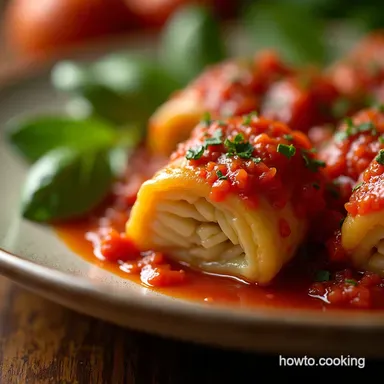
Mamas Marvelous Gołąbki Tender Cabbage Rolls Simmered in Rich Tomato Sauce
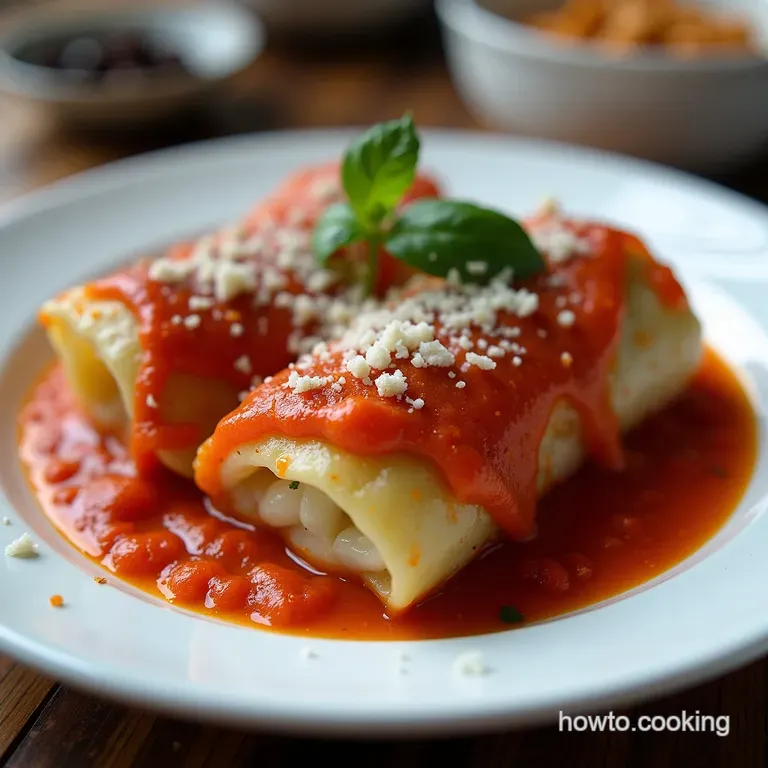
- Unlocking Comfort: Why These Golabki Polish Stuffed Cabbage Rolls Define Hearty Cuisine
- The Heritage Behind the Hearth: A Culinary Nod to Tradition
- Assembling the Essential Components for Perfect Gołąbki
- Curating the Filling: Meat, Rice, and Aromatics Breakdown
- The Step-by-Step Journey to Rolling Flawless Golabki
- Achieving Deep Flavor: The Art of Slow Simmering
- Beyond the Basics: Variations and Customization for Your Cabbage Rolls
- Recipe FAQs
- 📝 Recipe Card
Unlocking Comfort: Why These Golabki Polish Stuffed Cabbage Rolls Define Hearty Cuisine
There are dishes that satisfy a momentary hunger, and then there are dishes that nourish the soul, the ones that evoke memories of home and tradition. Gołąbki , the cherished Stuffed Cabbage Rolls Polish hold the latter distinction firmly.
These beautiful parcels, often called "little pigeons," are the quintessential expression of Polish culinary warmth. They are not just a meal; they are an event, requiring care in assembly that pays dividends in the deep, slow-simmered flavour of the final product.
If you’ve ever sought the recipe that truly transports you to a bustling Polish kitchen, you’ve found it. Our definitive Polish Stuffed Cabbage Rolls Recipe focuses on creating incredibly tender leaves and a savory, perfectly seasoned filling encased in a tangy, robust tomato broth.
The Heritage Behind the Hearth: A Culinary Nod to Tradition
The preparation of Golabki Polish Stuffed Cabbage Rolls is a process steeped in history, often appearing at holidays, celebrations, or as a deeply comforting Sunday dinner.
While the concept of wrapping fillings in leaves exists across many cultures, the Polish iteration, with its specific blend of ground meat, rice, and the indispensable use of marjoram, stands alone.
Understanding the small traditions involved, from sourcing the cabbage to the slow cooking time, is what elevates this dish from simple stuffed vegetables to the beloved Traditional Cabbage Rolls Recipe .
More Than Just Rolls: Understanding the 'Little Pigeon' Nickname
The charming Polish name Gołąbki translates directly to "little pigeons." This affectionate moniker perfectly captures the shape and size of the final product, small, neatly tucked, and precious.
When you sit down to a plate of these, you are participating in a delicious cultural narrative. Preparing this dish is an act of love, resulting in 12 to 15 perfectly formed "pigeons" ready for their slow, flavour-infusing journey in the pot.
The Secret to Truly Tender Cabbage Leaves, Ahead of the Boil
The most intimidating part of making Easy Stuffed Cabbage Rolls is often dealing with the cabbage itself. Tough, raw cabbage inside a roll is a textural nightmare. The key to achieving that melt-in-your-mouth tenderness lies entirely in the initial blanching stage.
We start with a firm, medium head of green cabbage, which is submerged whole in salted boiling water. A crucial 10 to 15 minutes allows the outer leaves to become pliable enough to peel away without tearing.
This pre-softening step ensures that even after hours of simmering, the exterior casing remains yielding and delicate.
Why This Recipe Captures the Authentic Polish Flavor Profile
What sets this Golumpki Recipe Polish apart from general stuffed cabbage recipes? It's the balance of the savory filling against the tangy-sweet sauce, punctuated by one key herb: marjoram.
While many recipes might call for dried oregano, true Gołąbki rely on the slightly floral, warm notes of marjoram. On top of that,, the sauce balances the acidity of the tomato base with a touch of brown sugar and fresh lemon juice, creating a complex profile that permeates every grain of rice and morsel of meat during the slow cooking process.
Assembling the Essential Components for Perfect Gołąbki
Creating an exemplary batch of Polish Cabbage Rolls requires gathering three core elements: the structure (cabbage), the heart (filling), and the environment (sauce).
With a combined preparation time hovering around 45 minutes, breaking down these stages ensures organization prevents rush, which is critical when handling delicate leaves.
We recommend utilizing a wide stockpot for the initial blanching and a heavy-bottomed Dutch oven for the slow simmer, which distributes heat evenly and prevents scorching on the bottom layer.
Related Recipes Worth Trying
- Smoky Poblano Queso Fundido Chicken Stuffed Peppers — Ditch the tired bell pepperthese Chicken Stuffed Poblano Peppers feature smoky roasted peppers filled with flavourful shredded chicken and a glorious queso...
- Melty Mozzarella Roasted Pepper Stuffed Chicken Breasts — Make the ultimate Roasted Red Pepper Spinach and Mozzarella Stuffed Chicken tonight This ovenroasted breast is juicy inside thanks to a creamy filling Find...
- The Ultimate Weeknight Win Taco Stuffed Sweet Potatoes with Crema — Ditch the tortillas These Taco Stuffed Sweet Potatoes are ovenroasted perfection packed with zesty ground turkey or beans Find the simple recipe here
Curating the Filling: Meat, Rice, and Aromatics Breakdown
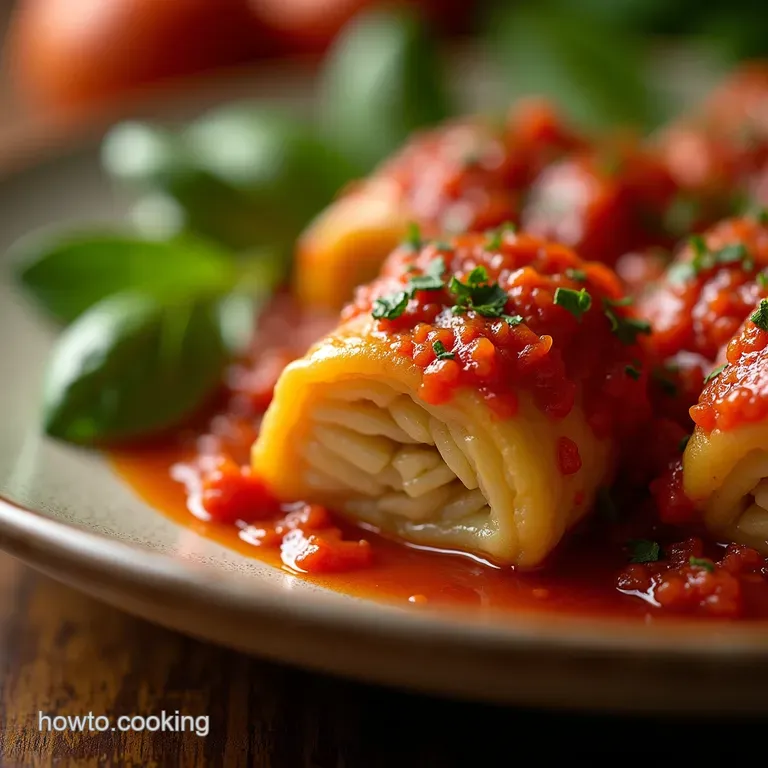
The filling is the soul of the Stuffed Cabbage Rolls Polish . For the best texture and flavour balance, a 50/50 blend of ground pork and ground beef is traditional, providing richness from the pork and structure from the beef.
This mixture is enriched with cooked or par-cooked rice, we use one cup of long-grain white rice, uncooked initially, and the mandatory aromatics.
Selecting the Right Head of Cabbage: A Firm Foundation
For this recipe, which yields 12 to 15 rolls, a medium head of green cabbage weighing around 3 pounds (1.4 kg) is ideal. You are looking for a head that feels dense and heavy for its size, indicating tightly packed leaves.
Before blanching, don’t forget the crucial step: carefully coring the cabbage by slicing around the hard central stalk. This allows the leaves to separate more easily once they begin to soften in the boiling water.
Necessary Pantry Staples for the Signature Tangy Sauce
The simmering liquid must be robust enough to withstand hours of cooking while providing moisture. Our sauce starts with a standard 15-ounce can of tomato sauce. To this, we introduce one cup of beef or vegetable broth for volume, ensuring the rolls are nearly submerged during cooking.
The signature tang comes from balancing the acidity; this is achieved by incorporating two tablespoons of brown sugar (adjust this based on the sweetness of your tomato sauce) and one tablespoon of fresh lemon juice.
Recommended Gear: Tools That Simplify Rolling and Simmering
While you don't need specialized equipment, efficiency is boosted by having the right tools. A large, wide stockpot is essential for submerging the whole cabbage head without breaking it. For the assembly phase, have a clean, flat surface ready.
The final cooking vessel should be heavy, a Dutch oven is perfect, as it maintains a consistent, gentle heat necessary for the 2-hour slow braise.
The step-by-step Journey to Rolling Flawless Golabki
Once the leaves are tender and the filling is prepared, the assembly process begins. Patience here transforms simple ingredients into those satisfyingly compact Golabki Recipe parcels.
Prepping the Core: Separating Leaves and Removing Veins
After blanching the cabbage head for about 15 minutes, carefully peel off the softened outer leaves, you'll need 12 to 15 usable ones. As you peel them, you'll notice the thick, woody central vein running down the spine of the leaf.
This must be trimmed down with a sharp paring knife, slicing thinly toward the base to flatten the leaf. This step allows the leaf to roll without tearing and prevents a hard, unpleasant chunk of core in the final product.
Crafting the Filling Mixture: The Right Texture Matters
To create the perfect filling, begin by sautéing one finely chopped yellow onion in butter or oil until soft and translucent. Let this cool slightly before mixing. In a large bowl, combine the meat mixture (pork/beef), the cooled onions, the uncooked rice (200g), one lightly beaten egg for binding, one teaspoon of dried marjoram, salt, and pepper.
Mix everything gently but thoroughly, you want the ingredients combined well, but overmixing will result in a dense, heavy texture rather than a light, fluffy one.
The Efficient Folding Technique: Keeping the Filling Securely Tucked In
Place a prepared cabbage leaf flat side up. Spoon about a quarter cup of the filling mixture near the base edge. Fold the sides of the leaf inward over the filling, then roll the packet up tightly toward the tip, similar to wrapping a small burrito.
The goal is a compact roll that will hold its shape during the long simmer.
Layering the Pot for Optimal Cooking Hydration
To protect the rolls from sticking and ensure even cooking, line the bottom of your Dutch oven with any small, unusable cabbage scraps. Arrange the finished Stuffed Cabbage rolls snugly in concentric circles within the pot, seam-side down. This tightness helps prevent them from unraveling.
Once layered, pour the prepared tomato sauce mixture over the top, ensuring the liquid nearly covers all the rolls.
Achieving Deep Flavor: The Art of Slow Simmering
The transition from assembly to cooking is where the magic happens. This is not a dish to rush; the 1.5 to 2 hours of slow cooking is essential for tenderizing the remaining cabbage structure and allowing the sauce's acidity and sweetness to permeate the filling completely.
After bringing the sauce mixture in the Dutch oven to a gentle simmer on the stovetop, immediately cover it tightly, using foil underneath the lid helps seal in moisture, and transfer it to a preheated oven set at 350° F ( 175° C).
This gentle, consistent heat ensures the meat cooks perfectly while the entire Golabki Recipe softens beautifully.
Beyond the Basics: Variations and Customization for Your Cabbage Rolls
While the classic recipe delivers timeless comfort, Gołąbki are wonderfully adaptable. Experimentation can lead to new family favourites, proving that Stuffed Cabbage transcends strict adherence to one method.
Meat-Free Marvels: Making Vegetarian Gołąbki Successfully
For a vibrant vegetarian adaptation, replace the ground meat and egg binder with a combination of cooked lentils, finely chopped sautéed mushrooms, and toasted walnuts. This mixture offers a satisfying, earthy texture and richness that stands up beautifully to the tomato sauce.
Ensure you use vegetable broth for the simmering liquid to keep the dish entirely plant-based.
Serving Suggestions: What Traditionally Accompanies These Rolls
No platter of Golabki Polish Stuffed Cabbage Rolls is complete without its accompaniments. The traditional, and non-negotiable, finish is a generous dollop of cool, rich sour cream spooned over the piping hot rolls. This creamy tang cuts through the richness of the sauce wonderfully.
Serve alongside hearty rye bread, perfect for soaking up the excess flavorful sauce left behind on the plate.
Freezing Strategies: Preserving the Flavor for Future Comfort Meals
These rolls freeze exceptionally well, making them ideal for batch cooking. After cooking, allow the rolls and sauce to cool completely. Transfer them to freezer-safe, airtight containers, ensuring they are submerged in some sauce to maintain moisture. They can be frozen for up to three months.
To reheat, thaw overnight in the refrigerator, then cover and bake gently until heated through.
Troubleshooting Common Issues: Fixing Rolls That Unravel
If you find a few rolls have sprung open during the long bake, don't despair, it usually means they were rolled too loosely or the central vein wasn't trimmed adequately. If this happens early in the cooking process, simply push any loose filling back toward the center, tuck the flap in, and cover it tightly with an adjacent leaf or a piece of aluminum foil.
Once the cooking process is nearly complete, the remaining structure usually holds well enough for serving. Enjoy the fruits of your labour; these Easy Stuffed Cabbage Rolls are well worth the effort!
Recipe FAQs
Gołąbki Farcellets de col Holubtsi Pierogi
To achieve truly tender cabbage leaves for your Gołąbki, blanch the whole head in salted boiling water until the outer leaves peel away easily; core the head before boiling for faster leaf separation. For the filling, mixing ground pork and beef provides the optimal balance of flavour and moisture.
Leftover rolls store beautifully in their sauce in the refrigerator for up to four days, or freeze them well-covered for a future comforting meal.
Golabki polish stuffed cabbage rolls recipe
For truly tender Golabki, blanching the cabbage leaves thoroughly is crucial; look for leaves that easily peel away from the core without tearing. When rolling, keep them snug but not overly tight to allow the filling to expand slightly during the long simmer.
These keep beautifully, often tasting even better the next day, and freeze exceptionally well once cooked.
Golabki recipe
For truly tender Gołąbki, ensure you blanch the cabbage leaves long enough to make them pliable without tearing during rolling. The traditional filling benefits greatly from using a 50/50 mix of ground pork and beef for optimal flavour and moisture.
These rolls freeze beautifully; cool completely, then store layered with parchment paper in an airtight container before freezing.
Golabki polish stuffed cabbage rolls with ground beef
For the most tender Golabki, ensure your cabbage leaves are thoroughly blanched until fully pliable; this prevents tearing during rolling. If you prefer a slightly different flavor profile, substituting half the ground beef with ground veal in the filling works beautifully.
These rolls freeze exceptionally well, so feel free to double the batch for future comforting meals.
Golabki polish stuffed cabbage rolls with tomato
To achieve truly tender Golabki, ensure you blanch the cabbage leaves long enough until they are pliable, this prevents tearing during the crucial rolling stage. For a richer flavor profile, consider substituting half the ground beef with ground veal in your filling mixture.
These comforting rolls store beautifully; refrigerate leftovers for up to four days, or freeze them tightly wrapped for up to three months.
Best Polish stuffed cabbage recipe
For the best Golabki Polish Stuffed Cabbage Rolls, ensure you blanch the cabbage thoroughly to make rolling pliable, aiming for leaves that separate easily without tearing. A mixture of ground pork and beef yields the most traditional and flavorful filling.
These freeze beautifully; simply cool completely, arrange in an airtight container, and reheat gently on the stovetop or in the oven.
Mamas Marvelous Golabki Tender Polish Stuffed Cabbage Rolls