Southern Pecan Pie: the Colonels Classic Deep, Dark, and Delicious Recipe
- Decoding The Colonel's Classic Southern Pecan Pie
- Essential Pantry Staples for Your Classic Southern Pecan Pie
- The Science of Success: Why This Southern Pecan Pie Recipe Triumphs
- Step-by-Step Baking Method: Preparing The Colonel's Pie
- Chef Julian’s Expert Tips & Troubleshooting for Pecan Pie
- Storage Solutions: How to Keep Southern Pecan Pie Fresh
- The Perfect Finish: Pairing and Serving Suggestions
- Recipe FAQs
- 📝 Recipe Card
Decoding The Colonel's Classic Southern Pecan Pie
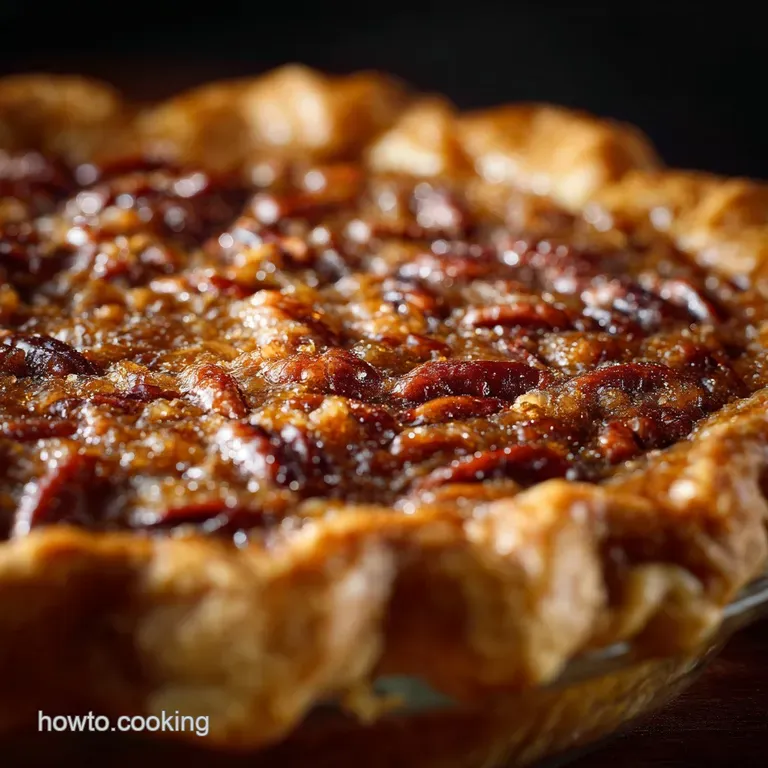
That first slice, honestly, is why we bake. You get that crisp snap of the all-butter crust, followed immediately by the sticky, glorious chew of the deeply caramelized filling.
The aroma alone vanilla, toasted nuts, and dark molasses is enough to make you forget every diet you’ve ever considered.
Look, pie feels intimidating, I know. But the beautiful truth about the classic southern pecan pie recipe is that the filling is shockingly straightforward. It's essentially a quick whisk job requiring almost no special equipment, making it a total lifesaver during holiday prep when you're already swamped making that gravy.
We are aiming for deep, dark, and delicious perfection here. We’re going to achieve a perfectly flaky crust, avoid the dreaded soggy bottom, and nail that complex, fudgy set filling. Trust me, if I can stop burning the pie crust edges, you can master this.
A Culinary History: Why Pecan Pie is Southern Royalty
Pecan pie is not just dessert; it is mandatory Southern architecture. While Texas and Georgia often claim bragging rights to the best nuts, the pie itself really cemented its place in American culture, particularly around the 1920s, thanks to the widespread availability of commercial corn syrup.
It’s comforting, it’s robust, and it carries that beautiful nostalgia.
It truly holds its own alongside other holiday stars, giving stiff competition even to recipes like my Creamy Pumpkin Pie: The Silken, Crack Free Recipe for Thanksgiving . The core appeal of Southern Pecan Pie lies in its textural contrasts: the hard crunch of the nut against the smooth, almost jelly like gooey center.
The Perfect Slice: Achieving Flaky Crusts and Non-Soggy Bottoms
The secret to a perfect slice is all in the base prep. You need a properly prepared pecan pie crust . Achieving a flaky crust demands cold butter and minimal handling, two things every baker struggles with when the kitchen is warm.
The non-negotiable step is blind baking, plain and simple. We par-bake the shell so it sets up rigid before that heavy, wet filling ever touches it. This extra 20 minutes of effort prevents the crust from steaming into a pale, sad mess, ensuring a crisp foundation every single time. If you want more details on achieving peak flakiness, check out my approach for the Apple Pie: The Classic Homemade Recipe with a Guaranteed Flaky Crust dough.
Understanding the "Deep, Dark, and Delicious" Flavor Profile
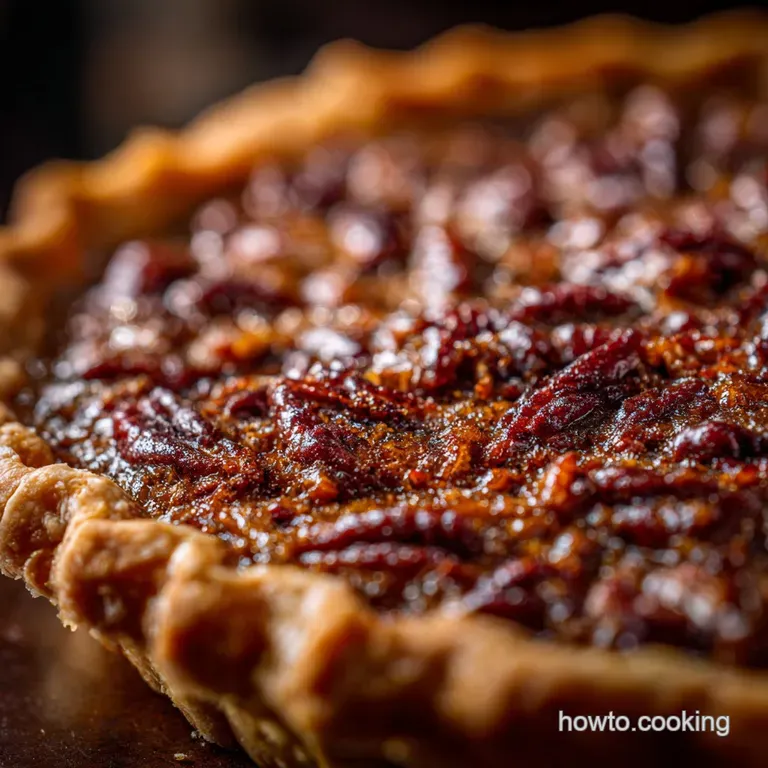
This recipe avoids that sickeningly sweet, pale yellow filling. We are going for a rich mahogany color and a deeply complex flavor profile. This richness comes from three key players: dark brown sugar, a good amount of pure vanilla, and dark corn syrup.
The final pie should taste of toasted nuts and caramel, not just plain sugar. We use salt, not just for seasoning, but to deliberately cut through the overwhelming sweetness, balancing the depth perfectly. It really is a simple tweak that makes all the difference in achieving that Colonel approved taste.
Essential Pantry Staples for Your Classic Southern Pecan Pie
| Ingredient | Role in the Pie | Viable Substitute |
|---|---|---|
| Corn Syrup (Dark) | Provides stable structure and classic texture. | Golden Syrup (or Maple Syrup + 1 tbsp molasses). |
| Dark Brown Sugar | Adds depth and molasses notes. | Light Brown Sugar (less depth, but works). |
| Pecans | Flavor, texture, and visual appeal. | Walnuts or Macadamia Nuts (will change the final name, obviously!). |
| Eggs | Binder and emulsifier. | Cannot easily substitute; essential for setting. |
| Butter | Flavor and richness in filling; flakiness in crust. | Shortening for the crust (better flakiness, less flavor); Vegetable Oil (only if absolutely necessary for the filling). |
The Science of Success: Why This Southern Pecan Pie Recipe Triumphs
This pecan pie recipe is superior because we manipulate the components to ensure maximum texture payoff. We use a combination of light and dark sweeteners, which creates a more complex caramelization profile.
Using melted butter, rather than simply softened, in the filling helps the fats integrate seamlessly with the syrups and sugars. This leads to that smooth, slightly fudgier center we all crave, contrasting beautifully with the crunchy pecans on top. It’s all about balance, baby.
Pecan Selection: Halves vs. Chopped, Toasted vs. Raw Nuts
Always choose pecan halves for the top decoration. They look stunning, obviously, but they also protect the filling underneath from scorching.
I scatter about two-thirds of the nuts on the bottom of the crust and then arrange the rest prettily on top. Chef Julian’s hot tip: Toss your pecans on a dry baking sheet for five minutes at 350°F before you start your recipe.
A lightly toasted pecan is 100 times better than a raw one; it boosts that nutty aroma incredibly.
Achieving Depth: Molasses and Dark Brown Sugar Options
Dark corn syrup and dark brown sugar are non-negotiable for true Southern authenticity and flavor depth. That molasses component isn't just about color; it provides a deeper, more savory edge that cuts the cloying sweetness.
If you only have light corn syrup, I highly recommend adding a tablespoon of actual molasses to the filling mixture. Don't worry, the flavor won’t be overpowering. This little trick ensures your pie achieves that rich, deep color we look for in a perfect Pecan Pie: The Cracking Classic Recipe for Deep Dish Perfection .
Ingredient Swaps: Can I Use Maple Syrup Instead of Corn Syrup?
You can substitute maple syrup for corn syrup, but be warned: the texture will be different. Corn syrup is an invert sugar which actively prevents crystallization, ensuring that lovely smooth, gooey texture.
Maple syrup contains less dextrose, so your pie may set slightly more rigidly and might crystallize around the edges if overbaked. If you go the maple route, be vigilant about the baking time and cool it slowly.
Temperature Control: The Secret to a Perfect Filling Set
This pie is baked low and slow at 350°F (175°C). Why? Because we want the proteins in the eggs to set slowly without curdling or turning rubbery.
High heat rushes the setting process, often resulting in a dome that shrinks violently as it cools, sometimes cracking the whole top. Slow baking ensures a uniform, even set across the entire filling.
The Darkening Effect: Controlling the Caramelization Process
If you use dark corn syrup and brown sugar, your pie is naturally going to look deeper. The main challenge is ensuring the pecans don't burn before the center sets.
If your nuts are getting too dark halfway through, simply take a square of aluminum foil, gently tent the entire pie, and finish baking. Easy fix, instant results.
step-by-step Baking Method: Preparing The Colonel's Pie
Preparing the Perfect Crust: Blind Baking and Chilling Procedures
Start with your chilled dough disk. Roll it out quickly and fit it into your pie plate, ensuring you leave at least a one-inch overhang for crimping. Do not skip the freezing step.
The dough must be thoroughly chilled or frozen before it hits the oven. This freezes the butter, ensuring it melts slowly and creates steam pockets for true flakiness during the blind bake.
Bake the weighted crust for 15 minutes, then pull the weights and bake for five more minutes until lightly golden.
Constructing the Rich, Caramel Filling Base
In a large bowl, whisk together the melted (and slightly cooled) butter, corn syrup, both sugars, salt, and vanilla. Make sure the brown sugar lumps are entirely dissolved; nobody wants a gritty pie.
Lightly beat your three room temperature eggs separately. Then, stream those eggs slowly into the sugar mixture, whisking constantly. This is the crucial step to prevent the mixture from separating or scrambling when it hits the heat.
Arranging the Pecans for Maximum Visual Presentation
Scatter about 1 ¼ cups of the pre-toasted pecans evenly on the bottom of your blind baked shell. This creates a gorgeous, dense layer of nuts at the base.
Slowly pour the filling over the nuts. They should float up a bit. Now, use your remaining ½ cup of pecan halves to arrange a decorative pattern on the surface. A simple concentric circle pattern looks incredibly professional.
Oven Temperature Management and Doneness Testing
Bake at 350°F (175°C) for 50– 60 minutes. Keep a close eye on those crust edges; they are the first to burn! Use a foil ring shield if necessary (see notes below).
The pie is done when the outer edges look puffy and set, but the absolute dead center still has a slight, soft jiggle —like set gelatin. A knife inserted into the middle should come out sticky but not wet.
If the knife comes out clean, you've overcooked it, and the texture will be tough.
Chef Julian’s Expert Tips & Troubleshooting for Pecan Pie
Chef's Note: If you want that filling to truly set without becoming rubbery, room temperature eggs are a game changer. They incorporate into the syrup smoothly, leading to a perfectly homogenous filling.
Preventing a Burnt Crust Edge (The Foil Shield Trick)
This happens to everyone, especially if you have an uneven oven. Around the 30 minute mark, check your edges. If they are golden brown, grab a sheet of aluminum foil and cut a donut shape out of the center. Gently lay this foil ring over the pie edges. This protects the crust while allowing the center to finish baking.
Why the Center is Runny (And How to Fix It Mid-Bake)
A runny center means it was either undercooked or improperly cooled. If you realize the jiggle is too aggressive 15 minutes before the timer, don't panic. Simply increase the temperature to 375°F for the final 5– 10 minutes to finish setting the internal custard.
If it's runny after cooling, sadly, you can't easily fix it. That's why the cooling time is mandatory.
The Importance of Post Bake Cooling Time
This is arguably the most crucial step! Pecan pie is structurally fragile due to the heavy syrup base. It sets entirely during the cooling process, not the baking process.
Let it cool completely at room temperature for a minimum of four hours. Trying to slice it warm is a guaranteed mess; you’ll have a sugary soup running everywhere.
Storage Solutions: How to Keep Southern Pecan Pie Fresh
Countertop vs. Refrigerator Storage Guidelines
Pecan pie keeps beautifully on the countertop, loosely covered, for 2 days. The high sugar content acts as a preservative.
However, if you need longer, store it covered in the refrigerator for up to 5 days. I usually cover the entire pie plate with aluminum foil and then cling wrap to keep air out.
Long Term Preservation: Freezing the Baked Pie
But does it freeze well? You bet! Once the pie is fully cooled, wrap it tightly in two layers of plastic wrap and then a layer of foil.
It will keep in the freezer for up to 3 months. To thaw, unwrap it entirely (this prevents condensation) and let it thaw overnight in the refrigerator, then bring it to room temperature before serving. Reheat gently in a 300°F oven for 10- 15 minutes to freshen the crust.
The Perfect Finish: Pairing and Serving Suggestions
Decadent Toppings: Whipped Cream, Ice Cream, and Sauces
Pecan pie is sweet, so its accompaniments need to either complement the richness or provide a sharp contrast. A dollop of lightly sweetened vanilla whipped cream is classic.
My personal favorite? Serving it warm with a scoop of high-quality salted caramel ice cream. The salty, cold contrast against the warm, chewy pie is incredible. A light dusting of powdered sugar just before serving adds a lovely, refined touch.

Recipe FAQs
How do I prevent my pecan pie crust from getting a "soggy bottom"?
The primary defense against a soggy bottom is blind baking the crust until it is lightly golden and fully set before adding the filling. Ensure your oven is fully preheated to the specified temperature, as immediate high heat helps set the base quickly.
Placing the pie on a lower rack during the initial baking phase can also deliver direct heat right where it is needed.
How can I tell when the pecan pie filling is perfectly set and finished baking?
Pecan pie is done when the edges are completely firm, but the very center (about the size of a large coin) still has a slight, delicate wobble. Resist the urge to bake until the center is solid, as it will continue to set as it cools, leading to a perfectly smooth slice.
The internal temperature, if measured, should register 200°F (93°C) for optimal custard coagulation.
Why did all my pecans sink to the bottom of the pie?
Pecans sink when the filling is too thin or watery upon entering the oven, which prevents the nuts from being suspended. To ensure an even distribution, reserve about half the pecans and sprinkle them decoratively on top of the poured filling just before baking.
You can also lightly toss the nuts in a small amount of flour before folding them into the filling to increase their buoyancy.
Can I substitute corn syrup with maple syrup or honey?
While corn syrup provides the signature texture and high shine, you can successfully substitute it with dark maple syrup or golden syrup for a richer flavor profile. If using honey, be aware it is significantly sweeter and prone to crystallizing; use about 10 15% less volume than the recipe calls for.
The resulting filling may be slightly softer than the traditional version.
How should I store leftover Southern Pecan Pie?
Pecan pie containing eggs is generally safest stored in the refrigerator, especially after 48 hours or if your kitchen is warm. When refrigerated, cover it loosely with foil or plastic wrap, and it will keep well for up to 5 days.
For the best flavor and texture, allow slices to come to room temperature for 30 minutes before serving.
Can I freeze a whole baked pecan pie?
Absolutely, pecan pie freezes exceptionally well due to its dense, sugary filling. Once the pie is completely cool, wrap it tightly first in plastic wrap, then in a layer of aluminum foil, and freeze for up to three months.
To thaw, unwrap the frozen pie and let it sit overnight in the refrigerator, then warm slightly in a low oven (300°F) before serving.
How can I achieve a "deeper" flavor and cut the overwhelming sweetness?
For a truly rich, dark pie, use dark brown sugar and substitute the light corn syrup with dark corn syrup or molasses. A chef's secret is to add one tablespoon of high-quality bourbon, dark rum, or a teaspoon of instant espresso powder to the filling mixture.
These additions introduce complex bitterness that beautifully balances the sugar content.
Classic Southern Pecan Pie Recipe
Ingredients:
Instructions:
Nutrition Facts:
| Calories | 282 kcal |
|---|---|
| Protein | 5.0 g |
| Fat | 15.0 g |
| Carbs | 33.0 g |
