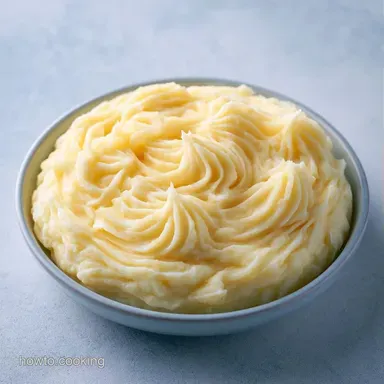
Cream Cheese Mashed Potatoes: Rich and Creamy
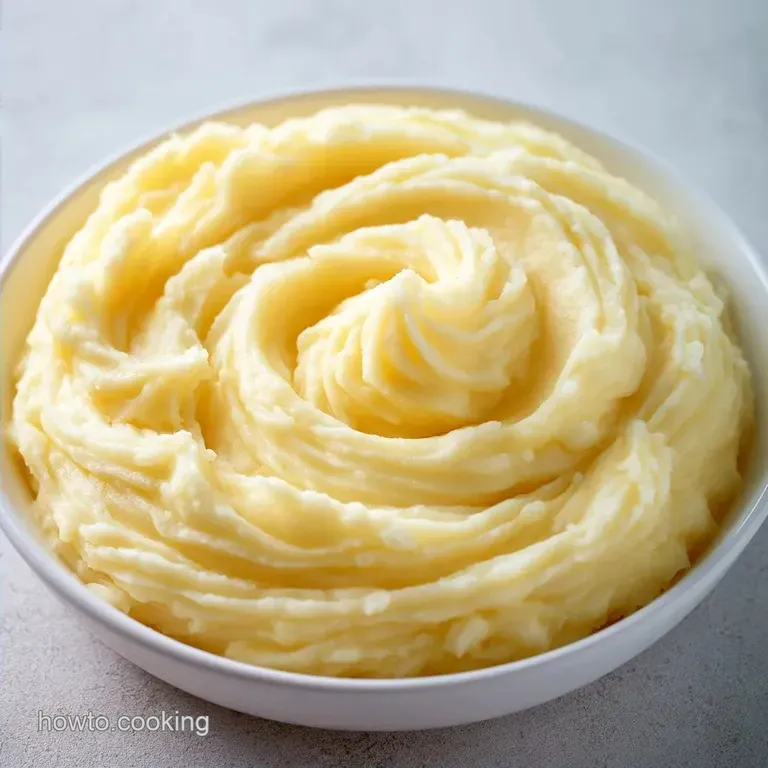
- Time: 15 min active + 30 min cook
- Flavor/Texture Hook: Tangy, rich, and cloud like
- Perfect for: Holiday sides, family Sunday roasts, or a comforting weeknight meal
The moment you stir the cream cheese into the pot, the aroma transforms from simple potato to something deeply rich and zesty. It's a common misconception that only heavy cream can create this level of thickness; in reality, all you need is a bit of cream cheese and a particular method for drying the potatoes.
This technique is a quick win for anyone who dislikes watery mash. You can achieve a satisfying result without a fancy ricer or hours of preparation. These Cream Cheese Mashed Potatoes stay fluffy and maintain their shape on the plate, which is incredibly helpful when serving a crowd.
The focus here is on affordable swaps. By blending cream cheese and sour cream, you create a depth of flavor that usually requires expensive cultured butter. It's hearty, wholesome, and feels like a special treat.
Why You'll Love This Recipe
Tangy Stability: Cream cheese has more fat and less water than milk. This keeps the mash from separating or turning soupy while it sits on your dinner table.
Starch Balance: Yukon Golds have a medium starch content. They mash easily but don't get gummy like Russets often do.
Moisture Control: Drying the potatoes in the hot pot for a minute removes excess steam. This ensures the butter and cheese coat the potato rather than sliding off it.
| Method | Time | Texture | Best For |
|---|---|---|---|
| Classic | 45 min | Buttery/Light | Traditional dinners |
| Fast/Budget | 45 min | Rich/Tangy | Crowd-pleasing sides |
What You'll Need
| Ingredient | Purpose | Substitute |
|---|---|---|
| Yukon Gold Potatoes | Forms a buttery foundation | Russets (fluffier, less creamy) |
| Cream Cheese | Adds thickness and tang | Full fat Greek yogurt (tarter) |
| Unsalted Butter | Adds richness | Salted butter (cut back on salt) |
| Whole Milk | Controls consistency | Half and half (more decadent) |
- 2270 g Yukon Gold potatoes, peeled and cubed Why this? Naturally buttery flavor and smooth texture
- 15 g kosher salt (for boiling water)
- 225 g cream cheese, softened Why this? Stabilizes the mixture and adds tang
- 57 g unsalted butter, softened Why this? Classic rich flavor
- 120 ml whole milk, warmed Why this? Prevents the potatoes from cooling too quickly
- 60 g sour cream, room temperature Why this? Provides a bright, acidic finish
- 5 g garlic powder Why this? Distributes savory flavor evenly
- 3 g cracked black pepper
- 10 g fresh chives, finely chopped (for garnish)
Equipment Needed
Minimal gear is required. Start with a large stockpot and a reliable colander to strain the water. A basic handheld potato masher is ideal for the mashing stage. Alternatively, use a hand mixer on a low speed for a smoother consistency, though be sure not to overprocess.
How to Make It
Boiling for Tenderness
Begin by placing the cubed potatoes into a stockpot and covering them with cold water, ensuring it's at least two inches above the potatoes. Add the kosher salt. Heat over high until boiling, then lower to a simmer.
Cook for 15–20 minutes until the potatoes are easily pierced with a fork and slide off without any effort.
Draining and Steaming
Thoroughly drain the potatoes in a colander. Return them to the warm pot for 1–2 minutes on very low heat, shaking gently. Note: This helps eliminate excess moisture so your Cream Cheese Mashed Potatoes maintain the right texture.
Mashing for Texture
With a potato masher, mash the potatoes until only small pieces remain. For a more rustic look, you can keep a few small lumps.
Emulsifying the Fats
While the potatoes are still hot, integrate the softened butter and cream cheese. Stir gently until everything is fully melted and well blended.
Final Consistency
Slowly add the warmed milk and mix in the sour cream until achieving a smooth, velvety texture. Note: Using cold milk can cause the fats to solidify and form lumps.
Seasoning and Garnish
Incorporate the garlic powder and black pepper. Taste and adjust with more salt if needed. Transfer to a serving bowl and top with fresh chives for decoration.
Pro Tips & Pitfalls
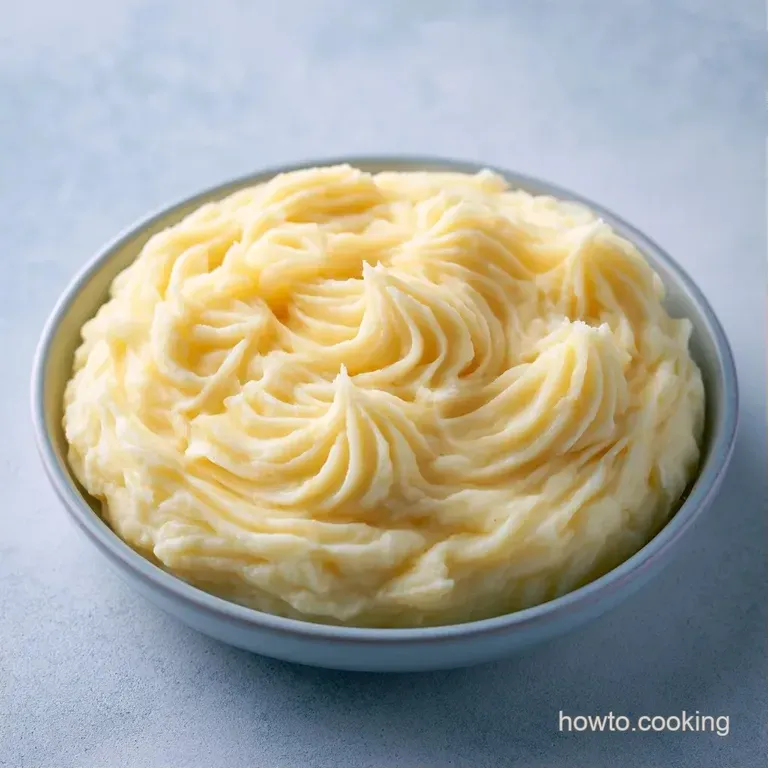
The biggest struggle with any mash is texture. Most people over work the potatoes, which releases too much starch and turns the side dish into glue. Trust the masher and stop as soon as the big lumps are gone.
Fixing Gluey Potatoes
This happens when the starch is over processed. If your mash feels sticky or gummy, stir in an extra splash of warm milk or heavy cream. This loosens the bond and masks the stickiness.
Solving Cold Lumps
If the cream cheese doesn't melt, it's usually because the potatoes cooled down too fast. Warm your mixing bowl or keep the pot on the lowest heat setting while folding in the dairy.
Preventing Watery Mash
Watery potatoes come from two places: not draining them enough or adding cold liquids. Always use the steaming step and warm your milk in the microwave for 30 seconds.
| Problem | Root Cause | Solution |
|---|---|---|
| Gummy texture | Over mixing/Food processor | Use a handheld masher; add warm cream |
| Lumpy cheese | Cold dairy/Cold potatoes | Soften cheese first; warm the milk |
| Thin/Runny | Too much milk/Poor draining | Steam potatoes in pot for 2 mins before mashing |
Chef Note: For a deeper garlic flavor, you can sauté three minced fresh garlic cloves in the butter before adding it to the potatoes. It adds a toasted note that powder can't match.
Dietary Adaptations
If you're avoiding heavy dairy, you can replace the cream cheese with a plant-based substitute; cashew-based versions typically work best. To increase the protein while keeping that signature tang, use Greek yogurt instead of sour cream.
If you want a rich texture but are out of cream, try this homemade heavy cream hack using butter and milk to thin out the mash.
For a stiffer consistency, increase the cream cheese and use slightly less milk. This is ideal if you intend to pipe the potatoes for a more professional presentation.
Decision Shortcut:
- For more tang: stir in an extra tablespoon of sour cream.
- For a silkier texture: use a hand mixer on low speed.
- For a denser mash: reduce the milk by 30 ml.
Freezing and Reheating Guide
Store these in a sealed glass jar and keep them chilled. They remain fresh for about 72 hours. When reheating, use a low flame on the stove. Stir in a tiny bit of milk to restore the original creaminess.
This dish can be frozen for up to two months. Place them in a freezer-safe container, leaving some headspace for expansion. To thaw, place them in the refrigerator overnight. You can reheat them in the microwave, but stir every 60 seconds so the center gets hot without drying out the edges.
Don't discard your potato skins. Toss them with salt, pepper, and olive oil, then bake at 200°C for 10 minutes. These crispy bits make a perfect snack while you finish the main dish.
Perfect Complements
These Cream Cheese Mashed Potatoes are rich, so they pair best with proteins that have a strong sear or a savory gravy. A roast chicken or a slow cooked pot roast is the natural choice.
If you want another potato based side for a big feast, these go great alongside some Ruths Chris Gratin Potatoes for a variety of textures on the table. The contrast between the sliced, baked layers of the gratin and the smooth mash is a hit with guests.
For a vegetable pairing, try roasted carrots or sautéed spinach. The acidity of the spinach cuts through the richness of the cheese.
Why You'll Love This Recipe
This is the best way to handle a budget-friendly meal without sacrificing flavor. Most "cheap" mashed potatoes rely on too much milk, which makes them bland. By using cream cheese, you get a dense, satisfying mouthfeel.
It's also a very forgiving recipe. Even if you leave a few lumps, it just feels like a homestyle meal. The combination of garlic powder and black pepper keeps it simple, letting the tang of the cheese shine.
Right then, you've got a side dish that feels like it came from a high end steakhouse but only uses basic grocery store ingredients. It's wholesome, filling, and makes any dinner feel a bit more special.
Trust me, once you start adding cream cheese to your spuds, you'll never go back to the basic butter and milk version.
Recipe FAQs
Why put cream cheese in mashed potatoes?
It adds a rich, tangy flavor and a thicker consistency without needing heavy cream.
Tip: Ensure the cheese is room temperature so it incorporates smoothly.
Can I substitute cream cheese for heavy cream?
Yes, it provides similar richness with more stability and a slight tang.
Tip: If you enjoy this creamy texture, see how we achieve a similar richness in our potato soup.
How do you make these creamy potatoes?
Boil cubed potatoes until tender, drain, dry in the pot, mash, and fold in softened butter, cream cheese, warm milk, and sour cream.
Tip: Use a potato masher rather than a blender to avoid a gluey texture.
Is sour cream better than cream cheese?
They serve different purposes, as cream cheese adds thickness while sour cream adds brightness.
Tip: Using both together creates the most professional, balanced flavor.
Does cream cheese make the texture gummy?
No, this is a common misconception. Gummy potatoes usually result from over-mixing or using a food processor.
Tip: Stop stirring as soon as the ingredients are combined.
Why is my mash too runny?
Excess water remaining on the potatoes after draining often thins the mixture.
Tip: Shake the drained potatoes in the hot pot for two minutes to evaporate surface moisture.
Which potatoes work best here?
Yukon Golds are ideal because they offer a naturally buttery flavor and a smooth texture.
Tip: Peel them thoroughly to ensure there are no papery bits in your mash.
How to reheat these for dinner?
Warm them slowly on the stovetop over low heat with a splash of extra milk.
Tip: Stir gently to avoid overworking the starch.
Cream Cheese Mashed Potatoes in 45 Minutes