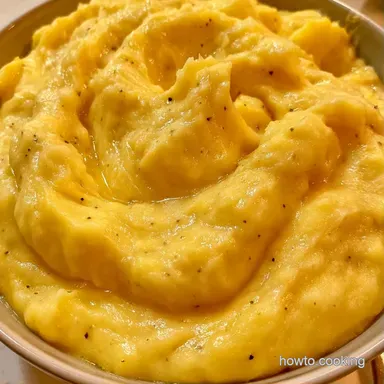
Dutch Oven Garlic Mashed Potatoes: Fluffy
- Time: 15m prep and 20m simmering
- Taste & Feel: Luscious, garlic-forward, and airy
- Ideal for: Holiday feasts or a traditional Sunday roast
I love the smell of garlic simmering in water; it’s a warm, earthy aroma that signals the meal is finally coming together. I remember one Thanksgiving where I made a massive pot of potatoes, but by the time we carved the turkey, they had become a cold, stiff mass. I felt awful serving them that way.
That’s why I adopted this method. It turns a stressful side dish into a relaxing process, giving you a decadent, creamy result without spending hours at the stove.
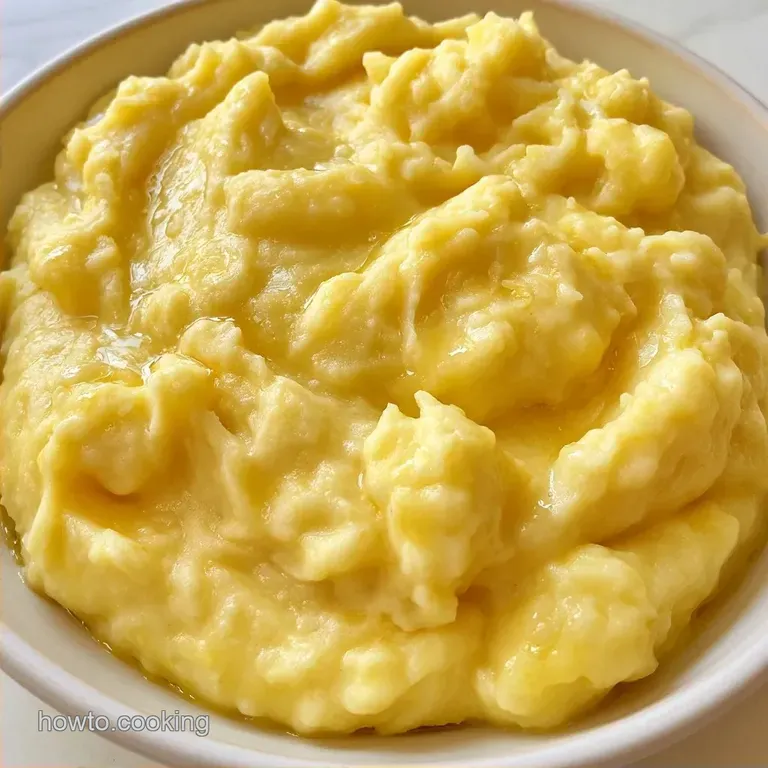
You can expect these Mashed Potatoes to be velvety yet pourable, with a bold garlic punch and a brightness from fresh chives. They don't feel heavy on the plate, maintaining a surprising lightness despite all the butter.
Creamy Garlic Mashed Potatoes
Achieving the perfect consistency is all about technique. Too many people over mix their potatoes, which results in a gluey texture. This approach works because we manage the heat and the starch.
Cold Water Start: Starting the potatoes in cold water ensures the middle is soft before the exterior overcooks. Cast Iron Heat: A heavy pot maintains the temperature, so the butter melts immediately.
| Method | Time | Texture | Best For |
|---|---|---|---|
| Fast (Cubes) | 20 mins | Light & fluffy | Weeknights |
| Classic (Halves) | 40 mins | Denser | Traditionalists |
What Goes Into It
I use Yukon Golds because they have a naturally buttery flavor. If you're out of heavy cream, you can whip up some homemade heavy cream using just milk and butter to save a trip to the store.
| Component | Purpose | Substitute Notes |
|---|---|---|
| Yukon Gold Potatoes | Main starch | Russets work but make a grainier mash |
| Cream Cheese | Tang and stability | Sour cream: Adds more tang, less thickness |
| Heavy Cream | Smoothness | Whole milk: Runnier result, less richness |
| Unsalted Butter | Flavor and shine | Salted butter: Reduce added salt by 1 tsp |
The Shopping List
- 5 lbs Yukon Gold potatoes, peeled and cut into 1 inch chunksWhy this? Naturally buttery and smooth
- 1 tbsp Kosher salt (for boiling)
- 6 cloves garlic, peeled and smashed
- 1/2 cup unsalted butter, cubedWhy this? Better melting when cubed
- 1 cup heavy cream
- 4 oz cream cheese, softenedWhy this? Adds a lush thickness
- 1/2 tsp black pepper
- 1 tsp salt (final seasoning)
- 2 tbsp fresh chives, finely chopped
Tools You Will Need
Keep your equipment simple. The most critical piece of gear for this recipe is a heavy bottomed pot.
- Dutch oven (cast iron is preferred)
- Large colander
- Potato masher or ricer
- Small saucepan (for heating the cream)
Chef Note: Use a ricer if you have one. It presses the potatoes through small holes, which reduces the amount of stirring required and prevents the Mashed Potatoes from becoming gummy.
Step by step Guide
Phase 1: The Prep
- Dice the potatoes into uniform 1 inch cubes. Put the pieces and crushed garlic cloves into the Dutch oven, covering them with at least 1 inch of cold water. Stir in the boiling salt. Note: Even sizes ensure they all finish cooking at once.
Phase 2: The Simmer
- Heat the water to a rolling boil over high, then lower to a medium simmer.
- Simmer for 12–15 minutes until a fork slides through with no resistance.
- Drain the potatoes well in a colander and return them to the hot Dutch oven.
- Keep the Dutch oven on the lowest heat for 60 seconds to let the remaining water evaporate. Note: This removes extra moisture so the butter sticks better to the potatoes.
Phase 3: The Mash
- Add the butter cubes and softened cream cheese, mashing them straight into the hot potatoes.
- Slowly fold in the warmed heavy cream. Mash until the texture is smooth and fluffy.
- Stir in the chopped chives, black pepper, and a final pinch of salt to taste.
Fixing Common Problems
Fixing Gluey Texture
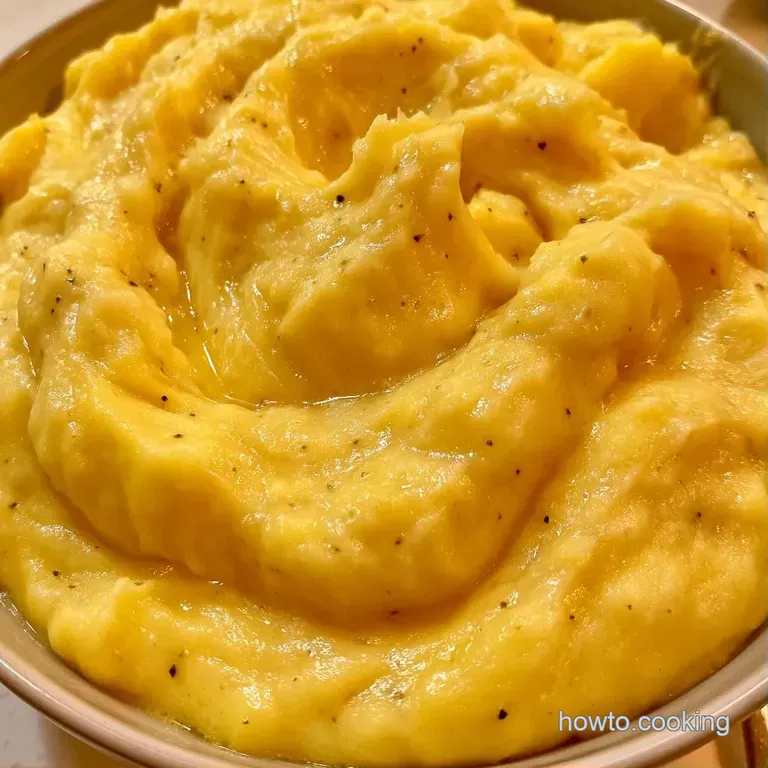
This happens when you over mash. Over working the potato releases too many starches, which creates a sticky, glue like consistency. If this happens, fold in a tablespoon of warm cream and stop stirring immediately.
Dealing With Lumps
Small lumps are fine, but big ones are annoying. If you see them, don't keep mashing the whole pot. Just use a fork to smash the remaining lumps against the side of the pot.
Keeping Them Hot
The cast iron usually does the work, but if your Mashed Potatoes are cooling too fast, keep the lid on the pot until the very second you serve. You can also warm your serving bowl in the oven for 5 minutes.
Dietary Adaptations
Try replacing the chives with roasted garlic or a dash of nutmeg to change the flavor profile. If you're looking for a chilled potato dish, my creamy egg potato salad is a perfect alternative for picnics.
- More zest? → Mix in 1 tsp lemon zest
- Cheese lover? → Add 1/2 cup sharp cheddar
- Lower calorie? → Swap cream cheese for Greek yogurt
Vegan Swaps
Substitute with a premium vegan butter and coconut cream. Keep in mind the consistency may be slightly less smooth than when using dairy.
Extra Garlic
First, roast a full head of garlic in the oven for 40 minutes. Mix the softened cloves into the mash for a rich, caramelized taste.
Keeping And Reusing
Keep these Mashed Potatoes in a tightly closed bowl for 3 to 4 days. They hold up well, though they may thicken as they sit.
Fridge Storage
Use a glass container to maintain the cleanest flavor. When reheating, avoid using a high microwave setting to prevent "hot spots" and cold centers.
Freezing Tips
These aren't ideal for the freezer since the cream can separate. If you must, freeze them in small batches and thaw in the fridge overnight.
Reheating Guide
The best method is to warm them on the stove over low heat. Stir in a splash of milk or water to restore the consistency.
Zero Waste
Don't throw away the peels. Coat them in olive oil and salt, then roast them for 15 minutes at 400°F (200°C) for a crunchy snack.
Plating Your Dish
I like to serve these in a wide bowl rather than a platter. It keeps the heat trapped in the center.
Pro Plating
Use the back of a spoon to create a swirl on top. Fill that swirl with a small knob of butter and a sprinkle of fresh chives. It looks like something from a bistro but takes ten seconds.
Best Pairings
These Mashed Potatoes go best with anything that has a sauce, like a pot roast or a glazed ham. The potatoes soak up the gravy, which is the best part of the meal.
Why This Method Works
The reason this works is all about the equipment. Cast iron has a massive thermal mass, meaning it doesn't lose heat quickly. This keeps the Mashed Potatoes warm while you're adding the butter and cream.
Starch Control: By cutting the potatoes into 1 inch cubes, we reduce the cooking time to 20 minutes. This prevents the outside of the potato from disintegrating before the inside is cooked.
Emulsion Balance: Adding the cream cheese first creates a stable base. It acts as a bridge between the fat in the butter and the water in the cream, resulting in a luscious, uniform texture.
Right then, you've got a side dish that actually stays hot. Give these Mashed Potatoes a try next time you're hosting your guests will definitely notice the difference.
High in Sodium
967 mg 967 mg of sodium per serving (42% 42% of daily value)
The American Heart Association recommends a daily sodium limit of no more than 2,300 mg for most adults to maintain heart health.
Tips to Reduce Sodium
-
Reduce Boiling Salt-30%
Cut the 1 tbsp Kosher salt used for boiling the potatoes in half or omit it entirely; the potatoes will still maintain their texture.
-
Omit Final Seasoning Salt-25%
Eliminate the 1 tsp of salt added at the end of the recipe to significantly lower the overall sodium content.
-
Low-Sodium Cream Cheese-15%
Substitute the cream cheese with a low-sodium version or a dollop of plain Greek yogurt for a similar creamy consistency.
-
Enhance with Aromatics
Double the fresh chives or add a pinch of garlic powder and smoked paprika to add depth of flavor without adding sodium.
Recipe FAQs
Are Dutch ovens ideal for making mashed potatoes?
Yes, they are excellent. The heavy walls maintain a consistent simmer and allow you to mash ingredients in one pot without transferring them.
How long should I boil potatoes in a Dutch oven?
Simmer for 12 15 minutes. Start timing after the water reaches a rolling boil and stop once a fork slides in with zero resistance.
Can I use milk instead of heavy cream?
No, stick with heavy cream. Milk reduces the richness and creates a thinner consistency; these pair perfectly with crispy chicken legs for a complete meal.
Is it true that cold cream is fine to add to hot potatoes?
This one's false: Cold cream drops the temperature of the potatoes too quickly, which can prevent the mixture from becoming smooth and billowing.
What makes the best Dutch oven mashed potatoes?
Combine softened cream cheese and cubed butter. Mashing these fats directly into the hot potatoes before folding in cream creates a superior, velvety texture.
Dutch Oven Mashed Potatoes