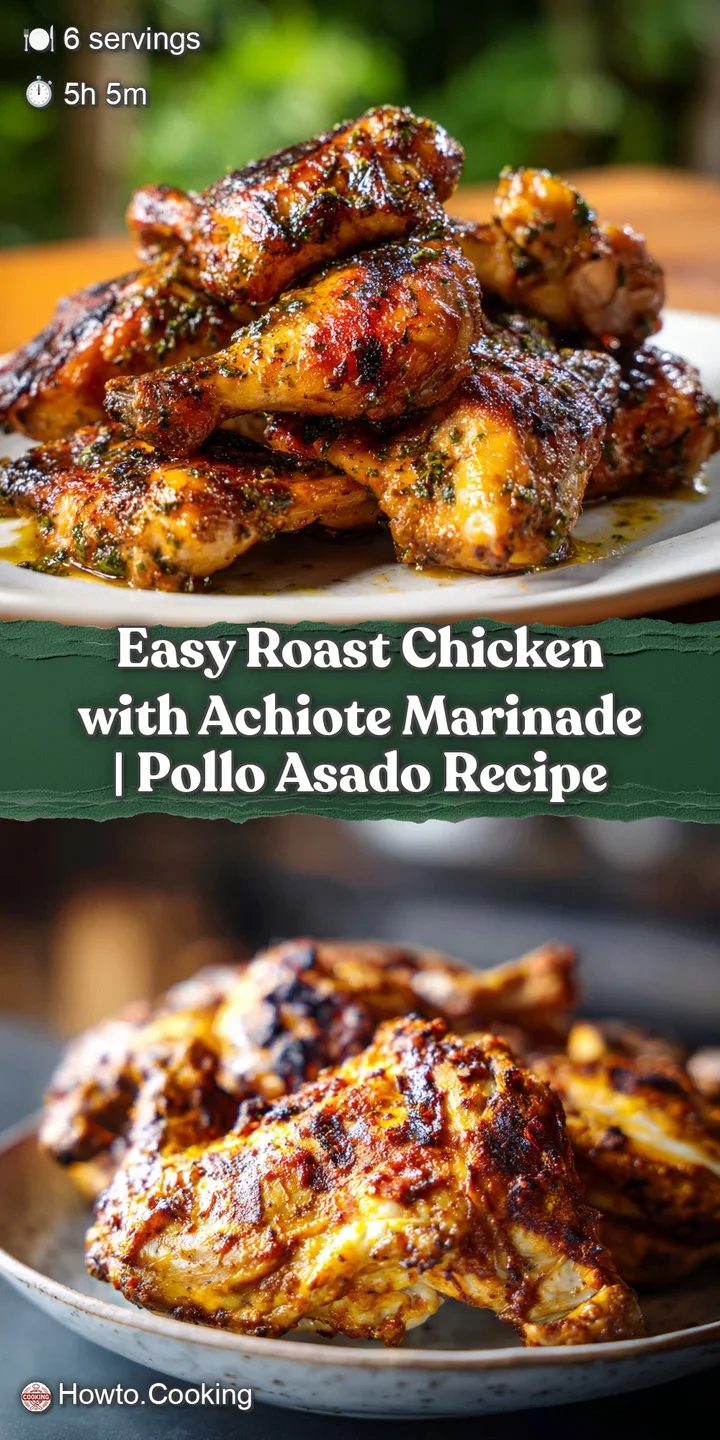
Roast Chicken: Spatchcocked with Achiote Marinade
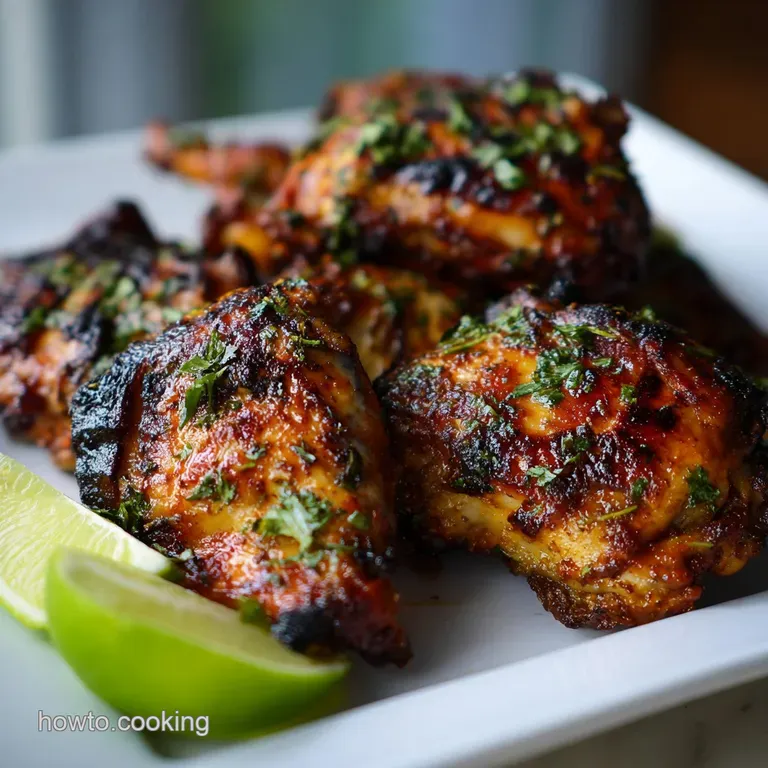
- Time: Active 20 mins, Passive 4 hours 45 mins, Total 5 hours 5 mins
- Flavor/Texture Hook: Earthy, citrus forward, and shatter crisp skin
- Perfect for: Weekend family dinners and nutritious meal prep
- Achieving Depth with this Spatchcocked Roast Chicken
- Planning Your Kitchen Timeline and Prep
- Key Components for a Vibrant Bird
- The Tools for a Reliable Roast
- Executing the Perfect Golden Roast
- Troubleshooting Your Poultry for Better Results
- Adapting the Dish for All Eaters
- Preserving Freshness and Reducing Kitchen Waste
- Serving Ideas for Your Family Table
- Debunking Roast Chicken Misconceptions
- High in Sodium
- Roast Chicken FAQs
- 📝 Recipe Card
Achieving Depth with this Spatchcocked Roast Chicken
The moment that achiote rubbed bird hits the hot roasting pan, the kitchen fills with an aroma that is impossible to ignore. It is earthy, slightly sweet, and tangy, a scent that signals a wholesome meal is on the way.
I remember the first time I tried this; I was so nervous about the bright orange paste staining my counters, but one bite of that zesty, tender meat made every scrubbed surface worth it.
We have all struggled with a bird that looks beautiful on the outside but tastes like cardboard once you get past the skin. This method changes the game by using a traditional Mexican flavor profile to penetrate deep into the muscle fibers.
You will gain so much confidence in your kitchen skills once you see how a few simple techniques can transform a standard poultry dish into something truly flavorful.
By removing the backbone, we are fundamentally changing how heat interacts with the meat. It is a practical approach that ensures your family sits down to a nutritious meal where every piece is just as juicy as the last. Let's walk through the process so you can master this reliable technique in your own home.
Planning Your Kitchen Timeline and Prep
- Marination Window: Aim for at least 4 hours to allow the citrus acids to work their magic on the proteins.
- Oven Readiness: Preheat your oven to 400°F (200°C) at least 20 mins before you plan to cook to ensure a steady thermal environment.
- Resting Phase: Never skip the 10 minute rest after roasting; it allows the juices to redistribute, ensuring a velvety texture.
The Physics of the Shatter Crisp Skin
Surface Area Maximization: Spatchcocking lays the bird flat, exposing all of the skin to direct convection heat rather than trapping steam underneath.
Acid Induced Tenderness: The bitter orange juice acts as a natural tenderizer, breaking down tough connective tissues before the heat even touches the pan.
| Chicken Thickness | Internal Temp | Rest Time | Visual Cue |
|---|---|---|---|
| 1.5 inches (Flat) | 165°F (74°C) | 10 mins | Clear juices when pierced |
| 2 inches (Flat) | 165°F (74°C) | 12 mins | Skin pulls back from bone |
| 3 inches (Whole) | 165°F (74°C) | 15 mins | Drumsticks move easily |
The table above helps you gauge when your poultry has reached that wholesome, safe temperature without overcooking it. If you find yourself wanting to try something a bit different for your next gathering, this method is quite similar to the technique used in my Classic Roast Duck recipe, which also focuses on achieving that specific skin texture.
Key Components for a Vibrant Bird
| Ingredient | Science Role | Pro Secret |
|---|---|---|
| Achiote Paste | Pigment and Emulsifier | Bloom it in the oil first for a more intense orange hue. |
| Bitter Orange | Proteolysis (Tenderizing) | If using a citrus mix, add a pinch of sugar to mimic the natural balance. |
| Mexican Oregano | Flavor Volatility | Rub it between your palms to release the oils before adding to the paste. |
For this recipe, we are using 1 Whole Chicken (approx. 4 lbs / 1.8kg) that has been spatchcocked. You will also need 3.5 oz (100g) Achiote Paste and 0.5 cup (120ml) Bitter Orange juice to form the base of your marinade.
To round out the aromatics, gather 6 cloves Garlic (smashed), 1 tbsp (15g) Mexican Oregano, 1 tsp (5g) Ground Cumin, 1 tsp (5g) Smoked Paprika, 1 tsp (5g) Coarse Sea Salt, 0.5 tsp (2.5g) Black Pepper, and 2 tbsp (30ml) Neutral oil.
Chef's Tip: Freeze your achiote paste for 10 minutes before grating it into the liquid; it makes the dense block much easier to incorporate without leaving large clumps in your marinade.
If you cannot find bitter orange juice, a mix of equal parts regular orange juice and lime juice works well. It provides the necessary acidity while maintaining a hint of sweetness. For the neutral oil, avocado or grapeseed oil are excellent choices because they can handle the roasting temperatures without smoking.
The Tools for a Reliable Roast
Having the right gear makes this process much smoother. You will definitely want a pair of heavy duty kitchen shears to remove the backbone; it is much safer than trying to use a knife. A large rimmed baking sheet or a cast iron skillet (like a Lodge) is ideal for the actual roasting phase.
You will also need a glass bowl for the marinade. Avoid metal bowls when working with high acid ingredients like bitter orange juice, as they can sometimes impart a metallic taste to the meat.
A digital meat thermometer is your best friend here, giving you the confidence that your chicken is cooked through perfectly every single time.
Executing the Perfect Golden Roast
- Prepare the marinade. Whisk the 100g achiote paste, 120ml bitter orange juice, and 30ml neutral oil in a bowl until the paste is completely dissolved. Note: This ensures the color and flavor are distributed evenly.
- Add the aromatics. Stir in the 6 smashed garlic cloves, 15g oregano, 5g cumin, 5g smoked paprika, 5g salt, and 2.5g pepper.
- Spatchcock the chicken. Use shears to cut along both sides of the backbone, remove it, and flip the bird over, pressing down hard on the breastbone until you hear a crack.
- Marinate the poultry. Coat the chicken thoroughly in the achiote mixture, ensuring you get under the skin of the breasts and thighs.
- Chill and wait. Cover and refrigerate for 4 hours. Note: This allows the salt and acid to penetrate the meat fibers.
- Preheat the oven. Set your oven to 400°F (200°C) and place your roasting pan inside to get hot.
- Searing the bird. Place the chicken skin side up on the hot pan until you hear a vigorous sizzle.
- The roasting phase. Roast for 45 minutes. Check the temperature at the 40 minute mark to ensure you don't overshoot 165°F (74°C).
- The rest. Remove from the oven and let it sit on a carving board for 10 minutes.
- Carve and serve. Slicing into the chicken now will reveal a velvety interior and a flavorful, mahogany colored crust.
Troubleshooting Your Poultry for Better Results
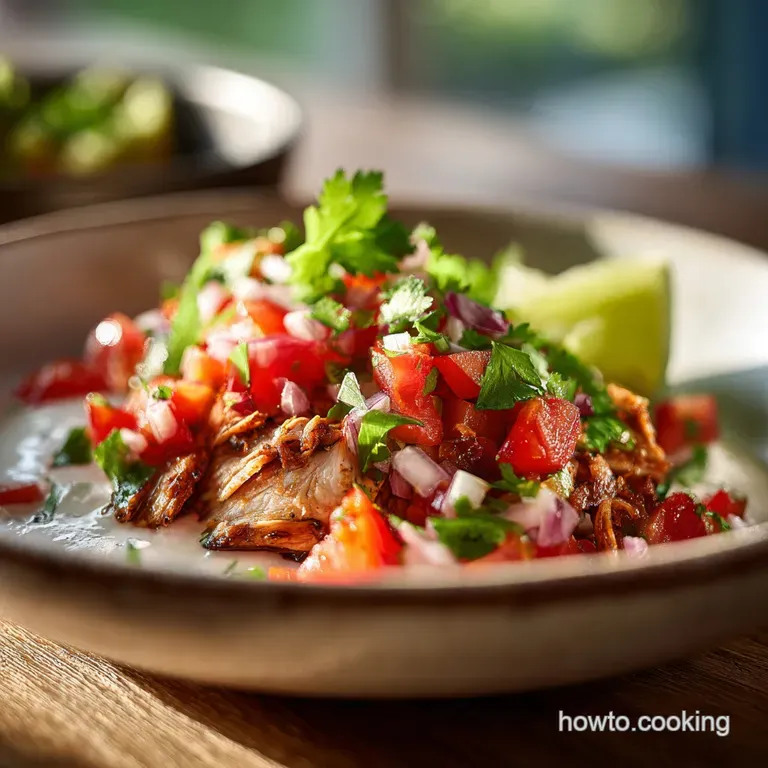
The "Rubbery Skin" Syndrome
If the skin feels chewy rather than crisp, it is usually due to excess moisture. Even with a wet marinade, the high heat of the oven should dehydrate the skin. If your oven is crowded with watery side dishes, it can create a steam room effect.
Bitter Aftertaste on Crust
Achiote is naturally earthy, but if it burns, it becomes unpleasantly bitter. This usually happens if the chicken is placed too close to the top heating element. Keep the bird on the middle rack for a consistent, flavorful result.
| Problem | Root Cause | Solution |
|---|---|---|
| Dry Breast Meat | Overcooking or uneven heat | Spatchcock the bird and pull it at exactly 165°F (74°C). |
| Pale Skin | Oven temperature too low | Increase heat to 400°F (200°C) and ensure the pan is pre heated. |
| Marinade slid off | Skin was too oily or wet | Pat the chicken dry before applying the marinade paste. |
Common Mistakes Checklist
- ✓ Forget to tuck the wing tips behind the breasts (they will burn otherwise).
- ✓ Skip the "breastbone crack" (the bird won't lay flat, leading to uneven cooking).
- ✓ Use a cold roasting pan (a hot pan starts the skin crisping process immediately).
- ✓ Carve the chicken the second it leaves the oven (all the flavorful juices will run out).
- ✓ Overcrowd the pan with vegetables (this steams the chicken instead of roasting it).
Adapting the Dish for All Eaters
If you are looking for a lower carb option, this recipe is naturally keto friendly as written. For those who want more heat, you can add two finely minced habanero peppers to the marinade.
The fat in the chicken and the sugar in the orange juice will mellow the heat slightly, leaving you with a beautifully balanced kick.
| Original Ingredient | Substitute | Why It Works |
|---|---|---|
| Bitter Orange Juice | 1:1 Lime and Orange | Mimics the specific acidity and sugar profile. |
| Achiote Paste | Harissa Paste | Provides similar color and depth. Note: Will change the flavor profile to North African. |
| Mexican Oregano | Marjoram | Similar citrusy, floral notes compared to standard oregano. |
For a variation that uses up leftover portions of this meal, you might consider making a Leftover Turkey Pasta recipe but substituting the turkey with your shredded roast chicken. The earthy achiote flavors pair surprisingly well with a creamy sage sauce.
Preserving Freshness and Reducing Kitchen Waste
Storage Guidelines: This chicken stays flavorful in the fridge for up to 4 days. Store it in an airtight container to keep the skin from absorbing fridge odors. For long term storage, you can freeze the cooked meat for up to 3 months.
I recommend shredding it before freezing so it is ready for quick weeknight meals.
Zero Waste Tips: Do not throw away that backbone or the carcass! These bones are packed with gelatin and flavor. Simmer them with a few onion scraps and some celery to create a vibrant, orange tinted stock that makes an incredible base for tortilla soup.
Even the pan drippings can be whisked into a little flour and stock to make a smoky, citrusy gravy.
Serving Ideas for Your Family Table
I love serving this platter style right in the middle of the table. Surround the chicken with charred scallions, grilled pineapple rings, and plenty of warm corn tortillas. It turns a standard meal into an interactive experience where everyone can build their own tacos.
If you want a more structured side, a simple lime cilantro rice or a wholesome black bean salad provides a cooling contrast to the deep aromatics of the chicken. For a hearty dinner that feels complete, this bird pairs excellently with the techniques found in my How to Make recipe for more traditional poultry sides.
Debunking Roast Chicken Misconceptions
Tucking the chicken into a deep roasting pan with high sides is actually counterproductive. High sides trap steam around the bottom of the bird, which prevents the skin on the legs and thighs from ever becoming truly crisp. A flat baking sheet or a low sided skillet is always the better choice for a roast chicken.
Another common myth is that you must baste the chicken every 15 minutes. Opening the oven door repeatedly drops the internal temperature, which extends the cooking time and often results in a drier bird. Trust your marinade and the high heat; the fat in the skin will do the basting for you.
High in Sodium
895 mg of sodium per serving (39% of daily value)
The American Heart Association recommends limiting sodium intake to about 2,300mg per day for overall health.
Tips to Reduce Sodium in Your Achiote Chicken
-
Reduce Added Salt-25%
Cut the coarse sea salt in half or eliminate it entirely. The achiote paste already contributes some sodium, and the other spices provide plenty of flavor. Try using only 1/2 tsp (2.5g) of salt initially and adjust to taste.
-
Make Your Own Achiote Paste-20%
Commercially prepared achiote paste can be high in sodium. Consider making your own using achiote seeds, spices, and herbs to control the sodium content. This will allow you to reduce the sodium significantly while retaining the authentic flavor.
-
Adjust Bitter Orange Juice-10%
If using commercially prepared bitter orange juice, check the sodium content on the label and consider diluting it with water or unsweetened orange juice to reduce sodium intake. You can also use a mix of orange juice, lime juice, and vinegar to mimic the flavor profile with less sodium.
-
Boost Flavor with Herbs & Spices
Enhance the flavor of your chicken with a variety of herbs and spices. Experiment with different combinations to find what you enjoy most. Consider adding extra Mexican oregano, cumin, smoked paprika, and black pepper for a more complex and satisfying taste.
Roast Chicken FAQs
What is in pollo asado?
Typically citrus, achiote, cumin, and oregano. Pollo Asado is a style of grilled or roasted chicken heavily marinated in a vibrant blend of sour orange juice, achiote paste for color, and various savory spices.
What is the difference between roasted chicken and pollo asado?
The primary difference is the marinade flavor profile. Standard roast chicken relies on herbs like rosemary and thyme; Pollo Asado uses strong Mexican or Latin American aromatics, especially achiote and bitter orange, for a tangier, earthier result.
What is the meaning of pollo asado?
It translates directly to "roasted chicken" or "grilled chicken." While the literal meaning is simple roasting, in practice, it refers to the specific, heavily seasoned preparation style associated with Latin American cuisine.
What does pollo asado taste like?
Tangy, earthy, slightly citrusy, and savory. The achiote paste provides a distinctive, mild earthiness, which is brightened by the acidity of the orange or lime juice used in the marinade.
Is it true that I must rest a roasted chicken for at least 15 minutes before carving?
Yes, resting is crucial for moisture retention. Allowing the chicken to rest for 10 to 15 minutes lets the muscle fibers relax and redistribute the internal juices, preventing them from running out when you make the first cut.
How to achieve shatteringly crisp skin on a marinated roast chicken?
Pat the skin completely dry before marinating and place it on a preheated, hot baking sheet. Excess surface moisture is the enemy of crisp skin; the initial contact with a hot surface immediately sets the skin structure.
Should I use the backbone drippings to make gravy for this citrus marinated bird?
No, the citrus acidity can curdle a traditional flour thickened gravy. Instead, strain the pan drippings and reduce them slightly, or use them to enhance a side like our The Loaded Steak recipe's cheese sauce.
Flavorful Pollo Asado Roast Chicken
Ingredients:
Instructions:
Nutrition Facts:
| Calories | 488 kcal |
|---|---|
| Protein | 44.1 g |
| Fat | 28.4 g |
| Carbs | 6.2 g |
| Fiber | 1.4 g |
| Sugar | 1.8 g |
| Sodium | 895 mg |
