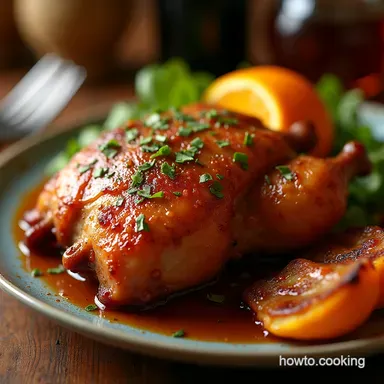
Crispy Skin Glory Classic Roast Duck with a Sticky Zesty Orange Glaze
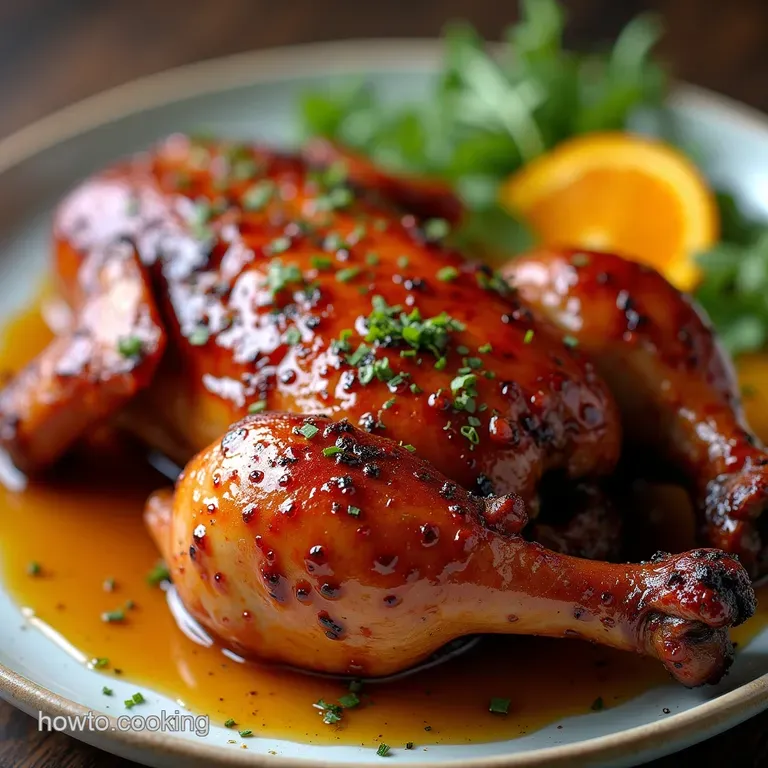
- Why This Roast Duck with Orange Glaze Is Your Next Culinary Triumph
- Setting the Stage: Decadence Meets Simplicity
- Essential Provisions for Your Grand Bird
- Sourcing the Best Components for Optimal Glaze
- The Definitive Step-by-Step Method for Roast Duck Mastery
- Achieving Peak Crispness: Temperature Tactics
- Troubleshooting and Flavor Twists for Your Next Attempt
- Recipe FAQs
- 📝 Recipe Card
Why This Roast Duck with Orange Glaze Is Your Next Culinary Triumph
There are few centrepieces that command the table's attention quite like a perfectly executed whole roasted duck. Forget the notion that this impressive dish belongs only to high-end restaurants; mastering the Roast Duck with Orange Glaze at home is entirely achievable, provided you respect the process.
This isn't just another poultry dish; it's an event, a culinary achievement that rewards patience with shatteringly crisp skin and succulent, flavourful meat. We are guiding you through transforming a standard bird into a masterpiece, balancing richness with a bright, zesty punch that elevates this classic preparation far beyond the everyday.
Setting the Stage: Decadence Meets Simplicity
Roasting duck requires a touch more respect than simply sliding a chicken into the oven, but the payoff, deeply rendered fat and richly flavoured meat, is incomparable. The entire experience, from the initial preparation to the final, glossy mahogany skin, is incredibly satisfying.
This Crispy Orange Duck Recipe focuses on two non-negotiable elements: rendering the fat correctly and building a glaze that shines without burning.
The Allure of Perfectly Rendered Skin
The holy grail of duck cookery lies in the skin. It must be thin, taut, and crackle at the slightest pressure. Achieving this texture is less about high heat and more about meticulous drying and slow, patient cooking to allow the thick layer of subcutaneous fat to melt away.
We achieve this by scoring the skin and allowing the bird ample time to chill uncovered in the refrigerator, drawing out every last bit of surface moisture before it even sees the oven.
Beyond Chicken: Elevating Your Sunday Roast Game
If you are looking for a truly show-stopping centrepiece for a special gathering or simply wish to elevate your standard Sunday roast, look no further. While chicken is a reliable classic, duck brings an inherent richness and depth that feels instantly luxurious.
This Roast Duck Recipe with Orange Glaze offers a flavour profile reminiscent of treasured French and Chinese preparations, making it a truly memorable main course.
A Flavor Profile: Tangy Citrus Meets Rich Poultry
The signature element here is, of course, the glaze. We are aiming for that perfect collision between the rich, slightly gamey flavour of the duck and the bright acidity of citrus.
Our Orange Honey Glaze Duck mixture incorporates sharp orange juice, aromatic zest, and a touch of sweet marmalade, balanced by vinegar for necessary tang. This glaze is brushed on late in the cooking process to caramelise beautifully, resulting in the ultimate Zesty Roast Duck .
Essential Provisions for Your Grand Bird
To ensure success with this Duck Ala Orange Recipe , you need the right components. We are utilizing a standard 5-6 lb duck, which typically serves four to six discerning diners comfortably.
The preparation requires about 30 minutes of active time, plus a crucial two-hour chilling period to prepare the skin for crisping.
Related Recipes Worth Trying
- Royal Ribbons Grilled Beef Tenderloin Crostini with Barnaise Sauce — Achieve restaurantquality Gourmet Appetizers at home This Grilled Beef Tenderloin Crostini recipe features perfectly grilled filet atop crisp bread finished...
- The Velvety Embrace Creamy Pumpkin Risotto with Brown Butter — Forget fiddly prep This easy pumpkin risotto recipe delivers ultimate autumnal comfort with rich puree and crispy sage brown butter Get the foolproof...
- The Easiest Slow Cooker Three Envelope Pot Roast Recipe — Need a legendary foolproof dinner This Slow Cooker Three Envelope Pot Roast melts in your mouth and makes the richest gravy Pure comfort food made easy
Sourcing the Best Components for Optimal Glaze
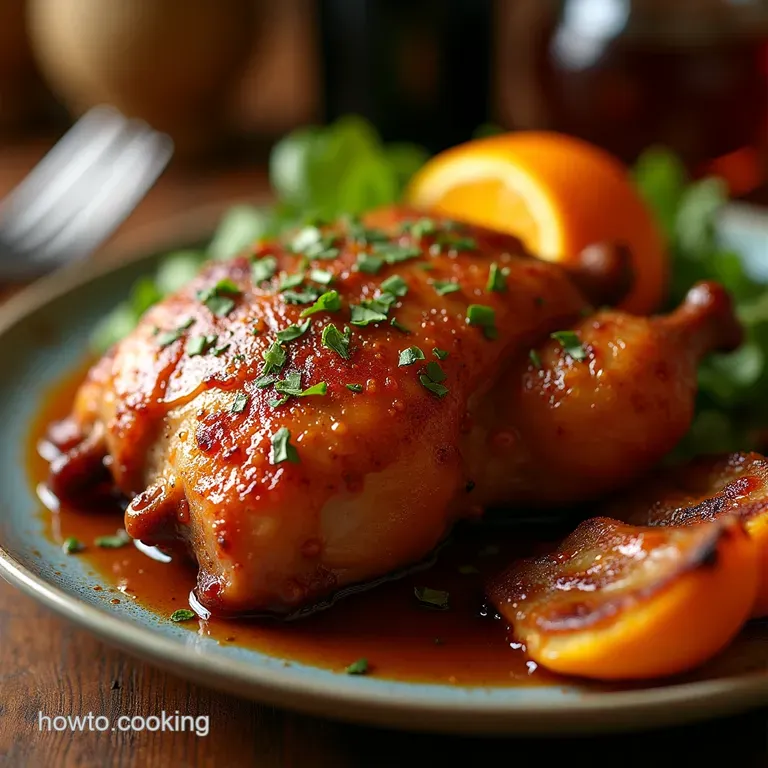
The quality of your ingredients directly impacts the outcome, especially when dealing with a sauce designed to showcase citrus brightness against deep poultry flavour. Do not skimp on the oranges; fresh juice and zest are mandatory for that genuine tang.
The Duck and Aromatic Bedding List
For the main attraction, you need one whole duck, ideally weighing between 5 and 6 pounds, with the giblets removed. To perfume the interior cavity, the crucial first layer of flavour, we rely on simplicity: four large cloves of garlic smashed lightly to release their oils, four or five sprigs of fresh thyme, and one whole orange, cut into quarters.
Generous seasoning is non-negotiable; be liberal with at least two tablespoons of coarse sea salt and one tablespoon of freshly ground black pepper applied both inside and out.
Crafting the Signature Zesty Orange Reduction
The star of the finish is the glaze itself. This Roast Duck with Orange Sauce starts by simmering one cup of freshly squeezed orange juice with two tablespoons of bright orange zest.
To achieve that classic stickiness and depth, we incorporate half a cup of good quality orange marmalade, two tablespoons of sharp red wine vinegar to cut the sweetness, two tablespoons of packed light brown sugar, and just a teaspoon of soy sauce for umami depth.
Finally, the sauce is thickened using a slurry made from one tablespoon of cornflour dissolved in two tablespoons of cold water, ensuring a beautiful, glossy coating.
Crucial Equipment Checklist for Success
A sturdy roasting tray fitted with a V-rack is essential, as this elevates the duck, allowing hot air to circulate underneath and preventing the base skin from stewing in rendered fat.
You will also need a very sharp paring knife for scoring the skin, and an instant-read meat thermometer, your most reliable tool for gauging perfect doneness. A small saucepan is necessary for reducing the glaze.
The Definitive step-by-step Method for Roast Duck Mastery
Follow these stages methodically, and you will soon be carving the Best Roast Duck Recipe you have ever produced. The key here is patience during the initial low-and-slow roast phase.
Achieving Peak Crispness: Temperature Tactics
The transition from rendering fat to achieving a crisp, lacquered exterior involves a careful manipulation of oven temperatures.
Prepping the Bird: Scoring and Seasoning Secrets
First, the drying process: pat the duck absolutely bone-dry, inside and out, with paper towels. Next, use your sharp knife to score the skin over the breasts and legs in a shallow diamond pattern. Crucially, only cut through the skin and fat, not into the muscle beneath.
Liberally rub the entire surface and the interior cavity with the salt and pepper mixture. Stuff the cavity with the quartered orange, smashed garlic, and thyme sprigs.
The Slow Roast Initiation: Rendering the Fat Properly
Place the seasoned duck on the rack inside the roasting tray. This bird now needs to air-dry, uncovered, in the refrigerator for a minimum of two hours; overnight is preferable. Preheat your oven to a moderate 350° F ( 175° C).
Roast the duck for 90 minutes, remembering to pause every 30 minutes to carefully pour off the copious amount of rendered fat accumulating in the tray. This slow rendering is vital for texture.
Assembling and Applying the Brilliant Orange Glaze
While the duck is roasting low, gently simmer your glaze mixture until the marmalade dissolves and the sauce thickens slightly after adding the cornflour slurry. Once the initial 90 minutes of slow roasting are complete, increase the oven temperature dramatically to 400° F ( 200° C).
Brush the bird generously with half of your prepared glaze. Return it to the oven for 20- 30 minutes, brushing with the remaining glaze every ten minutes to build up that sticky, brilliant exterior coating.
Resting and Carving: The Final Presentation of Roast Duck with Orange Glaze
The duck is ready when an instant-read thermometer inserted into the thickest part of the thigh reads 165° F ( 74° C). Resist the urge to carve immediately!
Transfer the finished bird to a clean carving board, tent it loosely with foil, and allow it to rest for a non-negotiable 15 to 20 minutes. This resting period allows the juices to redistribute, ensuring the meat remains succulent beneath that crisp skin.
Troubleshooting and Flavor Twists for Your Next Attempt
Even the best recipes benefit from experimentation. If your skin isn’t quite as crisp as you hoped, it almost always points back to insufficient drying time before roasting. If your glaze seems too runny, simply simmer it longer without the cornflour next time, or apply thinner layers during the high-heat stage.
Glaze Variations: Adding Spice or Depth of Flavour
For a richer interpretation, consider adapting the Chinese Orange Duck Sauce profile: add a tiny splash of five-spice powder or a very thin strip of fresh ginger into the simmering glaze mixture.
Alternatively, for a deeper, wintery flavour, substitute the red wine vinegar with a tablespoon of high-quality balsamic vinegar when making your Roasted Duck Breast with Orange Glaze variation.
What to Do With Leftover Duck Fat (Don't Waste It!)
That liquid gold rendered during the initial slow roast must be saved. Strain the fat through a fine-mesh sieve lined with cheesecloth, discarding any solids. Store it in an airtight jar in the refrigerator. This fat is superlative for roasting potatoes or caramelizing root vegetables.
Pairing Suggestions: Wines and Side Dishes for the Feast
The richness of duck demands a wine with good acidity to cut through the fat. A vibrant, earthy Pinot Noir is the classic pairing. For sides, keep things bright: think lightly sautéed green beans dressed with toasted almonds, or perhaps a sharp cherry compote to mirror the fruit elements in the glaze.
Nutritional Snapshot of this Classic Preparation
While undeniably rich, this Roast Duck with Orange Glaze preparation offers substantial protein. Keep in mind that a significant amount of the fat renders out during the cooking process.
Per serving, expect a high protein count balanced by moderate fat and carbohydrates introduced primarily through the sticky, flavourful glaze.
Recipe FAQs
How do I ensure the skin on my Roast Duck with Orange Glaze is properly crispy?
Achieving that crackling skin is absolutely crucial! The secret lies in preparation: pat the duck bone-dry, score the skin lightly in a diamond pattern, and then leave it uncovered in the fridge for at least two hours, ideally overnight.
This dries the skin out completely, allowing it to crisp up beautifully in the oven.
Can I roast this duck ahead of time, or is it best served immediately?
While it's always best served fresh, you can certainly roast the duck completely a few hours ahead. After resting it for 20 minutes post-roast, allow it to cool slightly, carve it, and store the meat and skin separately in the fridge.
Reheat slices gently in a moderate oven (325°F/160°C) just before serving to warm through without drying out.
I’ve rendered loads of fat, what should I do with all that glorious duck fat?
Don’t you dare chuck it out; duck fat is liquid gold, mate! Once strained and cooled, store it in a sealed container in the fridge for up to a month. It is the absolute best fat for roasting potatoes, they will come out tasting like they belong in a five-star gastropub!
My glaze seems a bit thin; how can I make the glaze for the Roast Duck with Orange Glaze thicker and stickier?
If your glaze isn't syrupy enough by the end of the cooking time, you likely need to activate your cornflour slurry. Whisk the cornflour/water mix into the simmering glaze and let it bubble for a full minute or two; this is what thickens it up beautifully.
If you don't have cornflour, simply simmer the glaze uncovered for an extra 5–10 minutes to allow natural reduction.
The recipe says 350°F then 400°F, why the temperature change during roasting?
It’s all about managing the fat and the finish. We start low (350°F/175°C) for the majority of the cooking time to gently render that thick layer of fat underneath the skin without burning it.
Then, we crank it up to 400°F (200°C) for the final 30 minutes to caramelise the orange glaze and achieve that perfect, deep-gold, shatteringly crisp exterior.
Is this dish particularly high in fat or calories, considering the rich nature of duck?
Duck is naturally a richer meat than chicken, so yes, it contains a fair bit of fat. However, the rendering process helps shed a good portion of it during cooking, make sure you pour that fat off frequently!
If you're watching calories, serve smaller portions and accompany it with lots of sharp, fresh green vegetables rather than heavy sides like creamy mash.
Classic Roast Duck with a Sticky Zesty Orange Glaze