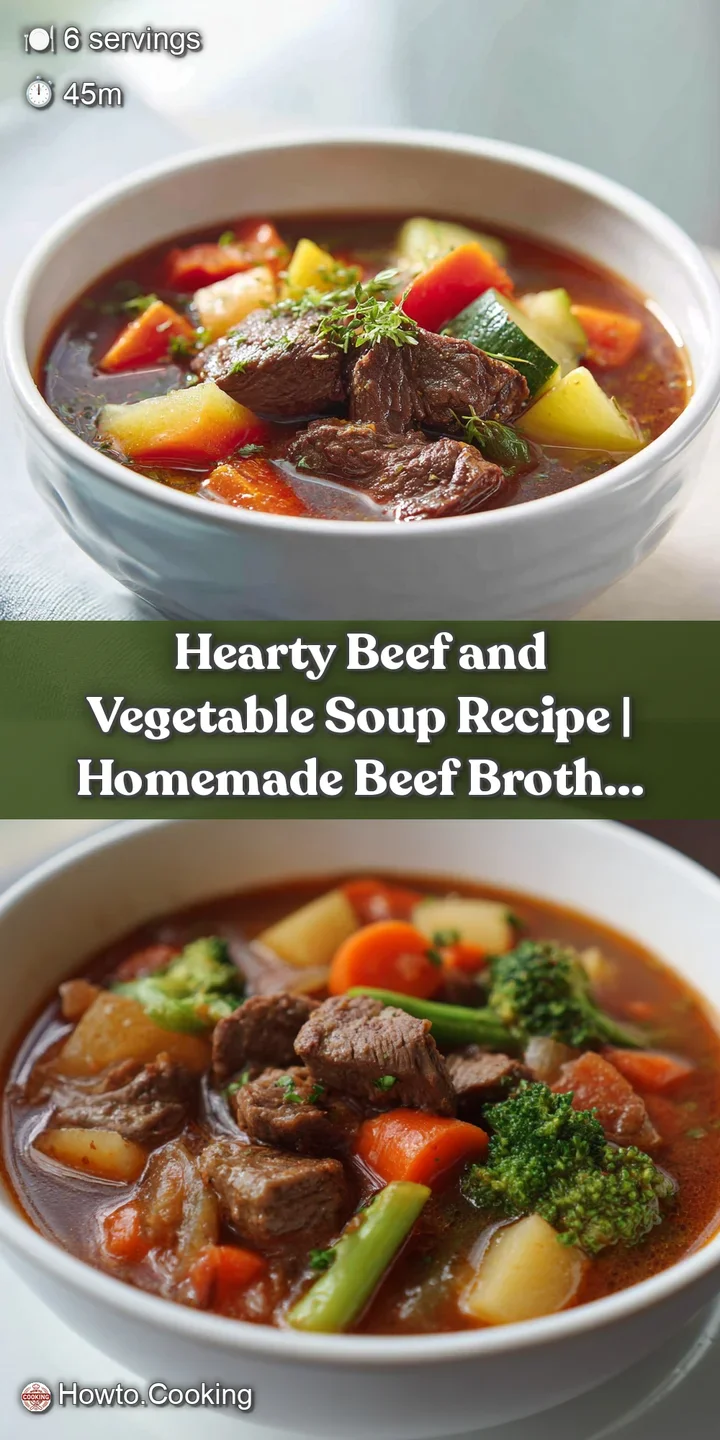
Hearty Beef and Vegetable Soup
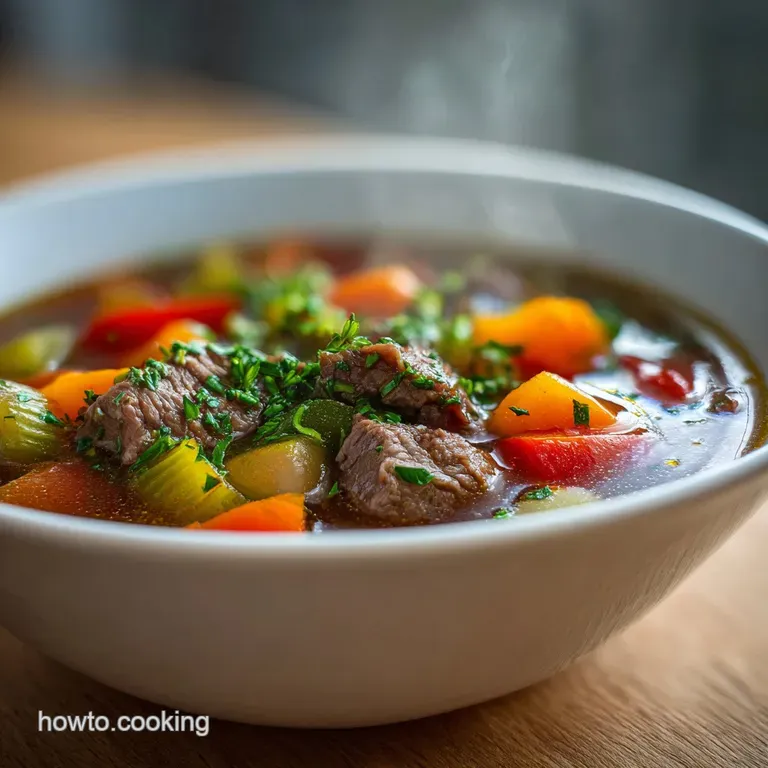
- Time: Active 15 minutes, Passive 30 minutes, Total 45 minutes
- Flavor/Texture Hook: Savory, fork tender vegetables in a velvety, herb infused broth
- Perfect for: Busy weeknights, budget-friendly family dinners, and nutritious meal prep
- Mastering a Hearty Beef and Vegetable Soup Recipe
- How the Fond Builds Deep Flavor
- Essential Timing and Nutrition for This Dish
- Component Analysis for Better Cooking
- Selecting Quality Ingredients for Your Kitchen Pantry
- Simple Tools for a Stress Free Soup Night
- Clear Steps for a Perfectly Simmered Result
- Avoiding Common Soup Mistakes and Textural Issues
- Creative Ways to Customize Your Vegetable Medley
- Guidelines for Adjusting Recipe Yields
- Soup Myths Debunked
- Best Methods for Refrigerating and Freezing Leftovers
- Wholesome Sides to Serve With Your Bowl
- Recipe FAQs
- 📝 Recipe Card
Mastering a Hearty Beef and Vegetable Soup Recipe
The kitchen transforms the second that lean ground beef hits the hot olive oil. You know that specific sound that sharp, rhythmic sizzle that promises something far better than a basic soup. As the meat browns, the air fills with a savory, heavy aroma that pulls everyone toward the stove.
There’s something fundamentally grounding about a pot of soup bubbling away while rain taps against the window or the evening chill sets in. It’s the kind of meal that feels like a warm blanket for your insides, turning a few humble pantry staples into a feast that nourishes both the body and the spirit.
I remember one Tuesday when everything seemed to be running behind schedule. I had a pound of beef, some lonely looking carrots in the crisper, and a serious need for comfort. Instead of reaching for a takeout menu, I leaned into the rhythm of dicing onions and hearing the wooden spoon scrape the bottom of the pot.
By the time the potatoes were tender, the house didn’t just smell like dinner; it felt like a home. This recipe isn't about fancy techniques or hard to find ingredients it’s about using simple heat and timing to bring out the natural sweetness of the vegetables and the richness of the beef.
You don't need a culinary degree to pull this off, just a heavy pot and a little bit of patience during the browning stage. We’re going to focus on building layers of flavor, starting with the meat and moving through the aromatics until we have a broth that tastes like it’s been simmering for an entire Sunday afternoon.
Whether you’re cooking for a hungry family or looking for a reliable meal prep option that actually tastes better the next day, this wholesome approach delivers every single time. It’s empowering to know that with 15 minutes of prep, you can create something this nutritious and satisfying.
How the Fond Builds Deep Flavor
Understanding the "why" behind the steps makes you a more confident cook. This recipe works because we aren't just boiling ingredients in water; we are creating a concentrated flavor base through heat and chemistry.
- Maillard Magic: Searing the beef until a dark crust forms creates "fond" (those brown bits on the pot), providing the primary savory backbone for the entire soup.
- Starch Thickening: The russet potatoes release just enough starch during the simmer to give the broth a velvety body without needing flour or cornstarch.
- Aromatic Softening: Sautéing the carrots, celery, and onions before adding liquid mellows their sharp edges and coaxes out their natural sugars.
- Acid Balance: The fire roasted tomatoes and Worcestershire sauce provide a necessary hit of acidity that cuts through the richness of the beef and starch.
| Method Type | Cooking Time | Meat Texture | Flavor Profile |
|---|---|---|---|
| Fast (Ground Beef) | 45 minutes | Tender crumbles | Savory and immediate |
| Classic (Stew Meat) | 2 hours 30 mins | Large chunks | Rich and collagen heavy |
| Short Cut (Frozen Veg) | 35 minutes | Softer bite | Sweet and mild |
The difference between a flat, boring soup and one that makes you want a second bowl often comes down to that initial sear. By taking the time to brown the beef properly, you are essentially seasoning the liquid from the bottom up.
Essential Timing and Nutrition for This Dish
To get the best results, you need to respect the clock. We’ve all made the mistake of throwing everything in the pot at once, only to end up with mushy peas and crunchy potatoes. This recipe follows a specific sequence to ensure every vegetable reaches its peak texture at the exact same moment.
We start with the hard root vegetables that need time to soften, and we finish with the delicate greens that only need a quick heat through to stay vibrant and snap fresh.
When you look at the nutritional profile of this meal, it’s easy to see why it’s a family favorite. You’re getting a high protein hit from the lean beef, balanced with the complex carbohydrates of the potatoes and the fiber from a literal rainbow of vegetables.
Since we use low sodium beef bone broth, you have total control over the seasoning, allowing the herbs like thyme and oregano to shine through without being masked by excessive salt. It’s a wholesome, balanced bowl that leaves you feeling energized rather than weighed down.
Component Analysis for Better Cooking
| Ingredient | Science Role | Pro Secret |
|---|---|---|
| Ground Beef (93/7) | Primary protein and fat source | Leave it undisturbed for 3 mins to get a better crust |
| Tomato Paste | Umami booster and natural thickener | Cook until it turns brick red to remove the metallic tin taste |
| Russet Potatoes | Starch provider for broth "body" | Cut into uniform cubes so they all finish at the same time |
| Bone Broth | Liquid base with natural gelatin | Use room temp broth to avoid shocking the hot pan |
The interaction between the tomato paste and the beef fat is a quiet hero in this recipe. When they cook together, the fat carries the fat soluble flavors of the tomato throughout the entire pot of liquid later on.
Selecting Quality Ingredients for Your Kitchen Pantry
For this hearty beef and vegetable soup recipe, we are using accessible ingredients that you can find at any local grocery store. Quality matters, but so does practicality.
- 1 lb lean ground beef (93/7): Why this? Provides rich flavor without excessive grease floating on top.
- 1 tbsp extra virgin olive oil: Why this? High smoke point for searing and healthy fats.
- 1 large yellow onion, diced: Why this? Provides the essential aromatic sweetness for the base.
- 3 cloves garlic, minced: Why this? Adds a punchy, savory depth to the broth.
- 2 tbsp tomato paste: Why this? Concentrates the savory "umami" notes of the dish.
- 3 medium carrots, sliced into rounds: Why this? Classic sweetness and structural integrity during simmering.
- 2 stalks celery, diced: Why this? Part of the "holy trinity" of aromatics for soup.
- 2 large russet potatoes, peeled and cubed: Why this? High starch content helps thicken the soup naturally.
- 1 cup green beans, trimmed and cut into 1 inch pieces: Why this? Provides a fresh, snappy texture contrast.
- 1 cup frozen corn or peas: Why this? Adds pops of sweetness and bright color.
- 6 cups low sodium beef bone broth: Why this? Richer mouthfeel than standard stock or water.
- 14.5 oz can fire roasted diced tomatoes: Why this? Adds a subtle smoky depth and acidity.
- 1 tsp dried thyme: Why this? Earthy herb that pairs perfectly with beef.
- 1 tsp dried oregano: Why this? Provides a subtle floral and peppery note.
- 2 bay leaves: Why this? Essential for a "simmered all day" aroma.
- 1 tbsp Worcestershire sauce: Why this? A secret weapon for deep, fermented saltiness.
- 0.5 tsp salt and 0.5 tsp black pepper: Why this? Basic seasoning to enhance all other flavors.
| Original Ingredient | Substitute | Why It Works |
|---|---|---|
| Ground Beef | Ground Turkey | Lower fat content. Note: Needs more seasoning to match beef flavor. |
| Russet Potatoes | Red Potatoes | Holds shape better. Note: Will result in a thinner, clearer broth. |
| Beef Bone Broth | Vegetable Broth | Lighter flavor profile. Note: Reduces the "meaty" depth of the soup. |
If you find yourself out of beef, you can always try a Stir Fry Beef Steak for a faster protein fix, but for a slow simmered feel, sticking to the ground beef in this soup is the way to go.
Simple Tools for a Stress Free Soup Night
You don't need a kitchen full of gadgets to make a world class soup. In fact, a minimal tool approach often leads to better results because you're more focused on the food and less on the cleanup. The most important item is a heavy bottomed pot, like a Dutch oven.
The thick walls distribute heat evenly, which prevents the beef from burning in one spot while staying raw in another. A good sharp chef's knife is your second best friend, making quick work of the carrots and potatoes.
Beyond the pot and knife, all you really need is a sturdy wooden spoon for scraping the bottom of the pan and a slotted spoon to move the beef. I prefer wood over metal for soup because it won't scratch your cookware and it's great for "deglazing" that's the fancy word for using liquid to lift those flavorful brown bits off the bottom.
Keeping your tools simple means you spend less time washing up and more time enjoying your meal with your family.
Clear Steps for a Perfectly Simmered Result
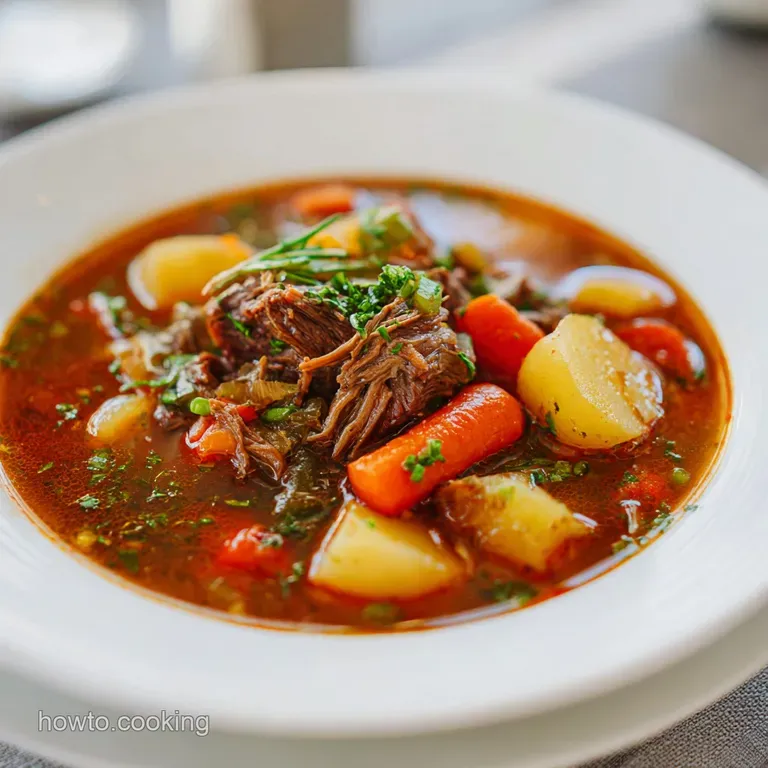
- Heat the extra virgin olive oil in a large Dutch oven or heavy bottomed stockpot over medium high heat.
- Add the ground beef to the pot, breaking it into small crumbles. Season with a pinch of salt and pepper. Sear until the meat develops a deep brown crust (about 5-7 minutes). Use a slotted spoon to remove the beef and set it aside. Note: Removing the beef prevents it from becoming rubbery while the vegetables cook.
- In the same pot with the remaining fat/oil, add the onion, carrots, and celery. Sauté for 5 minutes until the onions are translucent and fragrant. Stir in the garlic and tomato paste, cooking for 1-2 minutes until the paste turns a deep mahogany color.
- Pour in a splash of the beef broth to deglaze the pot, scraping up the browned bits (the fond) from the bottom. Add the remaining broth, diced tomatoes, cubed potatoes, thyme, oregano, bay leaves, and Worcestershire sauce.
- Bring the mixture to a boil, then reduce heat and simmer for 15-20 minutes until the potatoes are tender when pierced with a fork.
- Return the cooked beef to the pot and add the green beans and frozen corn (or peas). Simmer for an additional 5 minutes until the green beans are bright green and tender crisp.
- Remove the bay leaves. Taste and adjust seasoning with additional salt and pepper if desired. Serve hot in generous bowls.
Avoiding Common Soup Mistakes and Textural Issues
One of the biggest hurdles in a vegetable soup is the "mush factor." When vegetables are overcooked, they lose their individual flavors and blend into a singular, soft texture. To avoid this, always add your frozen or delicate vegetables at the very end.
The residual heat of the soup is often enough to cook peas or corn without turning them into mush.
Fixing Thin Broth Body
If your soup looks more like flavored water than a hearty meal, the potatoes might not have released enough starch. You can take a ladle and mash 3 or 4 potato cubes against the side of the pot, then stir them back in. This creates an instant thickener that doesn't change the flavor profile.
Improving Beef Texture
Ground beef can sometimes turn grainy if it's boiled for too long. By searing it first, removing it, and only adding it back for the final 5 minutes, you preserve that "bite" and prevent the meat from leaching all its moisture into the broth.
Preventing Scorched Bottoms
Tomato paste is high in sugar and loves to stick to the bottom of the pot. Always make sure you deglaze thoroughly with a little broth before adding the rest of the liquids. If you see dark spots forming while sautéing, turn the heat down immediately.
| Problem | Root Cause | Solution |
|---|---|---|
| Greasy Broth | Fat not drained from beef | Use 93/7 lean beef or skim fat with a spoon before serving. |
| Bland Flavor | Lack of salt or acidity | Add a splash of Worcestershire sauce or a teaspoon of salt. |
| Mushy Potatoes | Simmered for too long | Check doneness at 15 mins; turn off heat once fork tender. |
Common Mistakes Checklist
- ✓ Pat the beef dry with a paper towel before searing to get a better crust.
- ✓ Don't skip the tomato paste "blooming" step; it’s vital for depth.
- ✓ Remove the bay leaves before serving they are for flavor, not for eating!
- ✓ Use low sodium broth so you can control the final salt level yourself.
- ✓ Cut carrots into even rounds to ensure they cook at the same rate.
Creative Ways to Customize Your Vegetable Medley
Soup is the ultimate "clean out the fridge" meal, but you should still be intentional about your swaps. If you want a different starch, you might enjoy this Potato Soup with Ground Beef which leans even harder into the creamy texture of tubers. However, if you're staying with the vegetable heavy version, there are plenty of ways to mix it up.
Beef Barley Variation Tips
If you want to swap the potatoes for barley, you'll need to increase the simmering time. Pearl barley usually takes about 30-40 minutes to become tender. Add it at the same time you add the broth, and keep an eye on the liquid levels, as barley absorbs much more water than potatoes do.
Low Carb Vegetable Swaps
For those looking to reduce carbohydrates, replace the potatoes with cauliflower florets or diced daikon radish. Cauliflower cooks much faster (about 8-10 minutes), so add it later in the process. You can also double up on the green beans and celery for extra bulk without the starch.
Slow Cooker Adaptation Methods
While the stovetop is fastest, you can use a slow cooker for a set it and forget it meal. You MUST still sear the beef and sauté the aromatics in a pan first don't skip this, or the soup will taste "flat." Place everything except the green beans and frozen veggies in the slow cooker and cook on Low for 6 hours.
Stir in the final veggies 30 minutes before serving.
Guidelines for Adjusting Recipe Yields
Scaling a soup is relatively straightforward, but it isn't always a 1:1 ratio for spices and liquids.
Halving the Recipe: If you are cooking for two, simply halve all ingredients. You can still use a large pot, but keep the lid on to prevent too much evaporation. Reduce the simmer time by about 5 minutes as a smaller volume of liquid reaches temperature faster.
Doubling the Recipe: This is great for freezing! Double the beef, vegetables, and broth. However, for spices like thyme, oregano, and salt, start with 1.5x the amount and taste before adding the full double dose. Large batches of soup can easily become over salted.
Ensure you use a very large stockpot to allow room for the "bubble" without spilling over.
Soup Myths Debunked
Many people believe that "the longer you cook soup, the better it tastes." This is a misconception for vegetable heavy soups. While a bone broth might benefit from a 24 hour simmer, the vegetables in this recipe have a "sweet spot" where they are tender but still hold their shape.
Cooking them for hours only results in a muddy flavor and a loss of nutritional value.
Another common myth is that you need to add flour to make a soup "hearty." In a hearty beef and vegetable soup recipe, the thickness should come from the ingredients themselves the crumbled beef and the starches from the potatoes.
This creates a much cleaner, more natural mouthfeel than a flour heavy gravy base.
Best Methods for Refrigerating and Freezing Leftovers
This soup is a champion of the fridge. As it sits, the flavors continue to marry, often making it taste even more robust on day two.
Storage: Store in airtight containers in the refrigerator for up to 4 days. When reheating, you may need to add a splash of water or extra broth, as the potatoes will continue to soak up liquid while sitting.
Freezing: This recipe freezes beautifully for up to 3 months. Leave about an inch of "headspace" in your freezer safe container to allow for expansion. Note: Potatoes can sometimes become slightly grainy after freezing, so if you plan to freeze the whole batch, consider undercooking the potatoes just slightly.
Zero Waste Tip: Don't throw away your celery leaves! Chop them up and stir them into the soup at the very end like you would parsley. They have a concentrated celery flavor that adds a wonderful fresh finish to the bowl.
You can also save your onion skins and carrot ends in a bag in the freezer to make your own homemade broth later.
Wholesome Sides to Serve With Your Bowl
While this soup is a complete meal on its own, a little something on the side never hurts. A thick slice of crusty sourdough bread is the classic choice for soaking up every last drop of that herb infused broth.
If you want to keep things lighter, a simple green salad with a lemon vinaigrette provides a nice acidic contrast to the savory soup.
For a more indulgent pairing, try a grilled cheese sandwich made with sharp cheddar. The crunch of the toasted bread and the melt of the cheese pair perfectly with the tender beef and vegetables.
No matter how you serve it, this hearty beef and vegetable soup recipe is a testament to the power of simple, wholesome cooking. It's a dish that reminds us that the best meals don't come from a box, but from a pot, a few fresh ingredients, and a little bit of kitchen love.
Recipe FAQs
What is the secret ingredient in vegetable soup?
Tomato paste is the secret weapon. Cooking it for 1-2 minutes until it turns a deep mahogany color builds the savory foundation of the broth before you add the liquid.
Which soup is best for diabetics?
This recipe is an excellent choice. By using 93/7 lean ground beef and low-sodium beef bone broth, you keep the meal nutrient dense and protein forward without excessive fats. If you enjoyed the hearty vegetable-to-protein balance here, see how we apply similar nutritional logic in our Velvety Chicken Cabbage StirFry.
What cut of beef is best for vegetable beef soup?
Lean ground beef (93/7) is the standard for this recipe. It provides the necessary protein structure and flavor while preventing the soup from becoming overly greasy.
What are some common mistakes making beef soup?
Failing to properly sear the beef is a common error. Patting the meat dry before browning it in the Dutch oven for 5-7 minutes creates the deep crust necessary for a complex, savory base.
How to avoid watery tasting soup?
Deglaze your pot thoroughly after browning the meat. Pouring a splash of broth in after sautéing the aromatics and scraping up the browned bits known as fond is essential for adding rich, concentrated flavor back into the liquid.
How to ensure vegetables have the right texture?
Slice carrots into uniform rounds and add softer vegetables like green beans and corn at the very end. Following the 15-20 minute simmer for potatoes and the final 5-minute simmer for softer items prevents everything from turning to mush.
How to store leftovers properly?
Cool the soup to room temperature before transferring it to airtight containers. It will stay fresh in the refrigerator for up to three days, and the flavors often improve as they meld overnight.
Hearty Beef Vegetable Soup
Ingredients:
Instructions:
Nutrition Facts:
| Calories | 308 kcal |
|---|---|
| Protein | 26.5 g |
| Fat | 8.2 g |
| Carbs | 31.4 g |
| Fiber | 4.8 g |
| Sugar | 5.6 g |
| Sodium | 485 mg |
