Heavy Cream Recipe from Whole Milk with Melted Butter
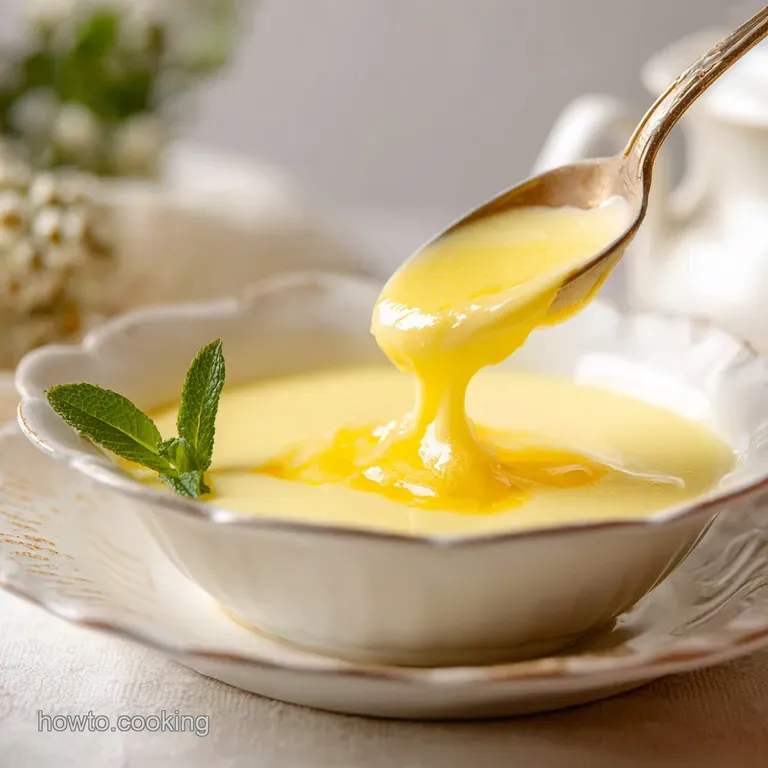
- Time: Active 2 minutes, Passive 3 minutes, Total 5 minutes
- Flavor/Texture Hook: Silky, buttery, and rich
- Perfect for: Emergency baking, creamy pastas, and thick soups
- Heavy Cream Recipe from Whole Milk with Melted Butter
- Why This Emulsion Actually Works
- Quick Specs and Performance Data
- Essential Ingredients and Smart Swaps
- The Best Tools for Success
- Step-by-Step Process and Technique
- Troubleshooting Texture and Stability Issues
- Scaling the Recipe for Families
- Flavor Variations and Recipe Ideas
- Storage and Zero Waste Guidelines
- Creative Ways to Serve This
- Recipe FAQs
- 📝 Recipe Card
Heavy Cream Recipe from Whole Milk with Melted Butter
Imagine it is a Tuesday evening, and you have just started a big pot of creamy tomato basil soup. The onions are soft, the tomatoes are simmering, and the kitchen smells like heaven. You reach into the fridge for that splash of heavy cream, only to find three teaspoons left in the bottom of the carton. Panic?
Not today.
I remember the first time I faced this exact crisis. I was making a decadent fettuccine alfredo for my family, and I realized I had zero heavy cream. I thought about running to the store, but the pasta was already in the boiling water. Instead, I grabbed the butter and a carton of whole milk.
This heavy cream recipe from whole milk with melted butter creates a rich and decadent substitute that saved my dinner then, and it will save yours now. It is a wholesome, nutritious way to keep cooking with confidence when the pantry lets you down.
Why This Emulsion Actually Works
Understanding the "how" helps you cook with more authority. When we make this heavy cream recipe from whole milk with melted butter, we are essentially performing a quick act of food science. We are reintroducing high-quality fats into a liquid that has already been pasteurized and homogenized.
- Fat Reconstruction: Butter is concentrated milk fat; adding it back to milk mimics the 36% fat content found in standard heavy cream.
- Lipid Suspension: Whisking creates a temporary emulsion where tiny fat droplets are suspended throughout the milk.
- Casein Binding: The proteins in the whole milk act as a bridge, holding the melted butter in place so it does not just float on top.
- Thermal Stability: Because the butter is already melted, it integrates into warm sauces without the shock of cold dairy, which helps prevent curdling.
I've also got a guide on How To Make recipe for those moments when you don't even have a minute to spare but still need a rich finish.
| Feature | Stovetop Method | Microwave Method |
|---|---|---|
| Control | High heat precision | Fast and convenient |
| Texture | Very silky | Can be slightly oily |
| Best For | Large batches | Quick single cups |
Quick Specs and Performance Data
This recipe is built for speed and reliability. We are focusing on minimal tools here because I know you are likely in the middle of another task. You do not need a fancy stand mixer or a high end blender to make this work.
A simple whisk or a fork will get you there, though a handheld frother is my favorite secret weapon for a truly unified texture.
| Component | Science Role | Pro Secret |
|---|---|---|
| Whole Milk | Protein base | Use cold milk to slow the butter solidification |
| Unsalted Butter | Fat source | Melt until just liquid, not bubbling |
| All purpose Flour | Stabilizer | Whisk into butter first to prevent lumps |
Using whole milk is non negotiable here. Skim or 1% milk simply lacks the protein structure to hold onto that added fat, which often results in a greasy mess rather than a velvety cream. If you are looking for a faster method with just two items, I've used this Homemade Heavy Cream recipe before when I was in a massive rush.
Essential Ingredients and Smart Swaps
We are using a specific ratio to ensure the final product behaves like heavy cream in your recipes. Stick to the 3:1 ratio of milk to butter for the best results.
- 3/4 cup whole milk: This provides the liquid volume and essential proteins.
- 1/4 cup unsalted butter: This provides the decadent fat content.
- 1 tablespoon all purpose flour (optional): This helps thicken the mixture if you are using it for a heavy sauce.
| Original Ingredient | Substitute | Why It Works |
|---|---|---|
| Unsalted Butter | Salted Butter | Works fine, but reduce salt in the main recipe. |
| Whole Milk | Half and Half | Result will be even richer and thicker. |
| AP Flour | Cornstarch | Use half the amount (1.5 tsp) for a gluten-free thickener. |
The Best Tools for Success
You really don't need much to get this done. Since we are focusing on minimal tools for busy cooks, a small microwave safe bowl and a whisk are your best friends. If you happen to have a jar with a tight lid, that works even better for shaking the emulsion together.
Chef's Tip: If you have 10 minutes, freeze your butter for a few moments before melting it over very low heat. This prevents the milk solids from browning, keeping your cream a pure, clean white.
Another unconventional trick I love is using a handheld milk frother. It spins fast enough to create a much tighter emulsion than a hand whisk ever could. This ensures the butter doesn't separate the second it hits your hot coffee or soup.
step-by-step Process and Technique
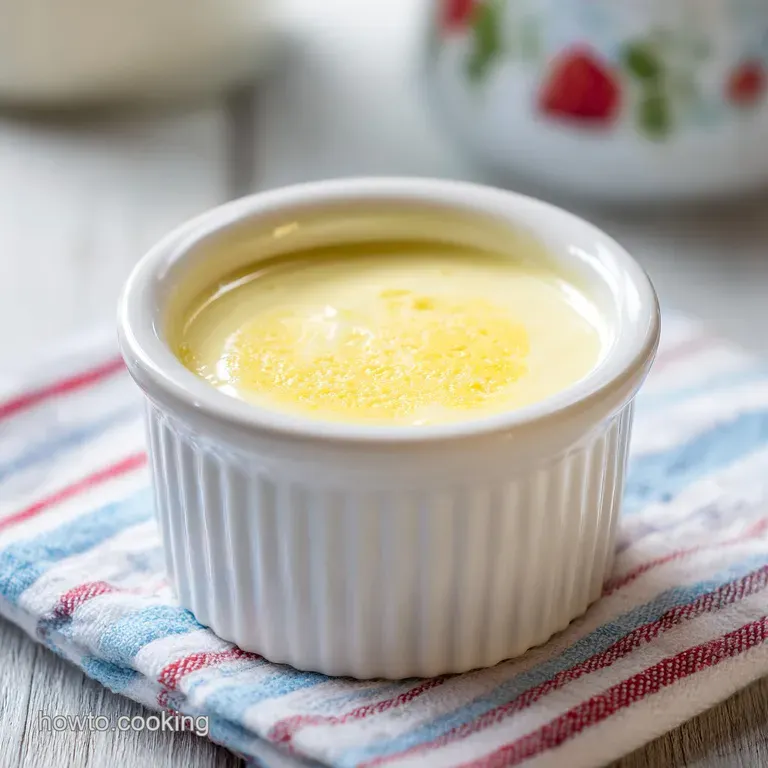
Let's get into the actual making of it. The key here is the temperature. If the milk is too cold and the butter is too hot, the butter will "shock" and turn into tiny hard beads of fat. We want a smooth, unified liquid.
- Melt the butter. Place the 1/4 cup unsalted butter in a small bowl. Note: Use low power in the microwave to avoid splattering.
- Cool slightly. Let the butter sit for 60 seconds until it is warm but not scalding.
- Incorporate flour. If using the optional tablespoon of flour, whisk it into the melted butter now until a smooth paste forms.
- Pour the milk. Measure 3/4 cup whole milk into a separate container.
- Temper the mix. Add one tablespoon of the milk to the butter and whisk. Note: This prevents the butter from clumping.
- Combine liquids. Slowly pour the rest of the milk into the butter while whisking constantly.
- Whisk vigorously. Continue whisking for about 1 minute until the liquid looks uniform and slightly frothy.
- Rest the cream. Let it sit for 2 minutes until the bubbles settle and the texture thickens.
Troubleshooting Texture and Stability Issues
Sometimes things don't go according to plan, especially when we are dealing with fat and water emulsions. The most common issue is separation. If you see yellow droplets floating on top, don't throw it out!
Why Your Cream Separated Immediately
If the butter was too hot when it hit the cold milk, it likely separated into oily slick. This happens because the temperature delta was too wide for the proteins to trap the fat. To fix this, simply warm the whole mixture gently in the microwave for 10 seconds and whisk again at high speed.
| Problem | Root Cause | Solution |
|---|---|---|
| Yellow oil on top | Thermal shock | Warm slightly and whisk vigorously. |
| Tiny white lumps | Flour clumping | Pour through a fine mesh strainer. |
| Too thin for sauce | Lack of fat | Add another tablespoon of melted butter. |
✓ Always melt butter on low power to prevent browning. ✓ Use room temperature milk if you have the time to let it sit out. ✓ Whisk the flour into the fat, never into the liquid milk. ✓ If using for coffee, whisk again right before pouring. ✓ Never boil the mixture once it is combined.
Scaling the Recipe for Families
If you are cooking a large batch of chowder or a family sized casserole, you might need more than one cup.
- To Double (2 cups): Use 1.5 cups milk and 1/2 cup butter. Keep the flour at 1.5 tablespoons to avoid a "pasty" flavor.
- To Halve (1/2 cup): Use 6 tablespoons milk and 2 tablespoons butter.
- Large Batches: If making 4 cups or more, I highly recommend using a blender. The mechanical force will create a much more stable emulsion that lasts longer in the fridge.
Chef's Tip: Add a tiny pinch of sugar and a drop of vanilla if you are using this for a dessert recipe. It helps mimic the natural sweetness found in fresh heavy cream.
Flavor Variations and Recipe Ideas
While this heavy cream recipe from whole milk with melted butter is a workhorse, you can tweak it for specific dishes.
- For Savory Dishes: Add a pinch of garlic powder or onion powder to the melted butter before mixing.
- For Extra Richness: Use heavy cream or half and half as the base instead of whole milk if you just want to "stretch" what you have.
- Sweet Applications: A tiny pinch of salt actually makes the cream taste "creamier" in sweet bakes.
| Goal | Adjustment | Flavor Impact |
|---|---|---|
| Thicker for Pasta | Increase flour to 1.5 tbsp | Adds body without changing flavor. |
| Richer Mouthfeel | Use 1/3 cup butter | Becomes very decadent and heavy. |
| Lighter Finish | Use 2% milk | Thinner, better for light soups. |
Storage and Zero Waste Guidelines
Because this is a homemade emulsion, it won't stay perfectly mixed forever. It is best used immediately, but you can definitely store it if you have leftovers.
Storage: Keep in an airtight jar in the fridge for up to 2 days. You will notice the butter solidifies on top. To reuse, simply microwave for 10-15 seconds and shake the jar hard to re emulsify the fats.
Freezing: I do not recommend freezing this specific mixture. The ice crystals will break the emulsion completely, and it often turns grainy once thawed.
Zero Waste: If you find you have a small amount left over, don't pour it down the drain! Use it to scramble your eggs the next morning. The extra fat content makes for the most velvety, wholesome eggs you have ever tasted. You can also add it to your morning oatmeal for a nutritious boost.
Creative Ways to Serve This
This substitute works brilliantly in about 90% of recipes that call for heavy cream. It is especially effective in mashed potatoes, where the extra butter is already welcome. It also shines in creamy pan sauces for chicken or pork.
However, keep in mind that this will not whip. If you try to make whipped cream with this, you will end up with very cold, very buttery milk. For those needs, you really do need the specific structure of commercial heavy cream. But for everything else? This is your secret weapon.
One myth I hear a lot is that you can't use this in baking. That is totally false! I have used this in scones, biscuits, and even cakes. The results are incredibly moist and flavorful. Just remember that you are adding a bit more "water" than pure cream has, so your bake might take an extra minute or two in the oven.
Trust your instincts and look for that golden brown finish!
Recipe FAQs
Can I add melted butter to milk to make cream?
Yes, this is the foundation of the substitution. Melting butter (fat) and whisking it vigorously into whole milk (protein/water base) reconstructs a high fat liquid mimicking cream.
Can I make heavy cream from milk and butter?
Yes, you can create a functional substitute. Use a 3:1 ratio of whole milk to melted butter and whisk until the mixture is uniform and slightly frothy.
Can I use melted butter instead of heavy cream?
No, using only melted butter will not work as a direct substitute. Butter is nearly 100% fat and will simply sit on top of liquids or burn in sauces; you need the whole milk to provide structure.
How to make whole milk thick like heavy cream?
Whisk melted butter into the whole milk vigorously using a tight emulsion technique. For extra stability, whisk 1 tablespoon of flour into the melted butter first to help bind the fats.
Is it true this substitute will work in baked goods like scones?
Yes, this is effective in many baking applications. Because you are adding fat and liquid, the texture remains moist, similar to how fat is managed in our Buttery Strawberry Shortcake recipe.
Why does my milk and butter mixture separate after sitting for a minute?
This separation indicates a weak emulsion caused by temperature shock or insufficient whisking. Warm the mixture slightly and whisk again rapidly; mastering this stabilization is similar to mastering the stable emulsion required for ice cream bases.
Can this emergency cream substitute be whipped into stiff peaks?
No, this mixture cannot be whipped into stiff peaks. Whipping requires cream to contain at least 36% milk fat without added stabilizers like flour, which prevents the necessary air incorporation.
Heavy Cream Substitute Recipe
Ingredients:
Instructions:
Nutrition Facts:
| Calories | 33 kcal |
|---|---|
| Protein | 0.4 g |
| Fat | 3.3 g |
| Carbs | 0.6 g |
| Fiber | 0 g |
| Sugar | 0.6 g |
| Sodium | 5 mg |
