The Golden Standard Speedy Herb Brown Butter Sauce with Crispy Sage
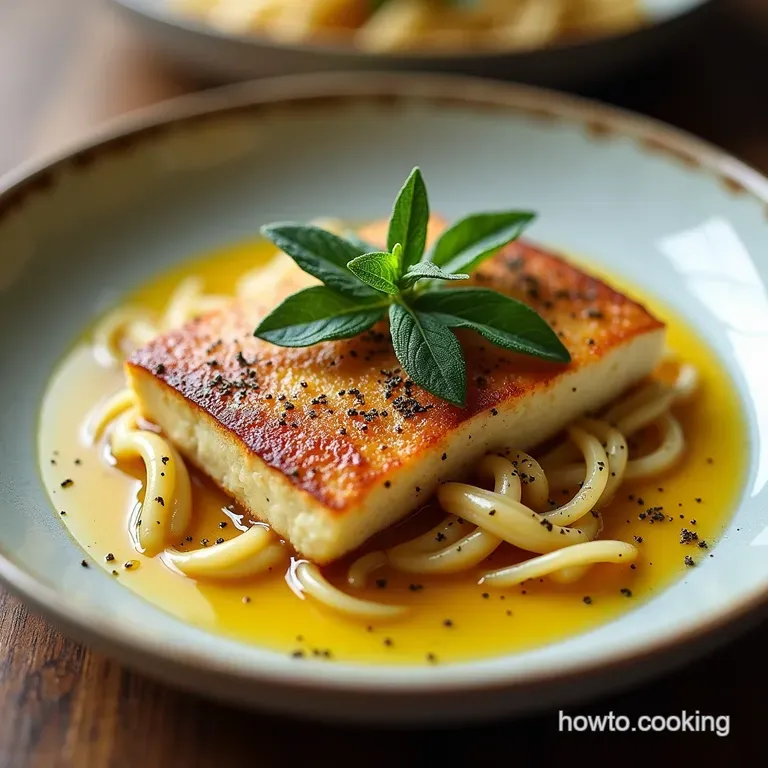
- Unlocking the Secrets to Perfect Nutty Brown Butter
- Why This Herb Brown Butter Sauce Will Be Your New Weeknight Staple
- Assembling Your Flavor Foundation: Pantry Essentials
- Essential Gear for Browning Success
- The Art of the Swirl: Achieving That Deep Amber Hue
- Incorporating the Aromatics into Your Herb Brown Butter Sauce
- Elevating Your Creations: Pairing Suggestions Beyond Pasta
- Mastering Storage and Reheating of the Browned Butter
- Recipe FAQs
- 📝 Recipe Card
Unlocking the Secrets to Perfect Nutty Brown Butter
That intoxicating aroma, deeply toasted, slightly caramelised, and undeniably rich, is the hallmark of perfectly browned butter. It’s the culinary equivalent of turning simple ingredients into gold.
When we talk about crafting an exemplary Herb Brown Butter Sauce , the foundation must be flawless. Browning butter, technically known as beurre noisette , is a simple chemical process that transforms the flavour profile of ordinary fat.
By gently cooking the water out and allowing the milk solids to toast, we unlock complex, savoury notes that elevate everything it touches. Mastering this initial step is crucial to ensuring your resulting Brown Butter Sauce Recipe sings with depth rather than just tasting like melted butter.
Why This Herb Brown Butter Sauce Will Be Your New Weeknight Staple
This particular Herb Brown Butter Sauce isn't just a dressing; it's a flavour powerhouse built for speed and impact. It takes humble elements, butter, fresh herbs, and garlic, and through careful technique, elevates them into a luxurious coating.
It’s the ultimate secret weapon for turning a quick bowl of pasta into a Perfect Pasta experience or breathing new life into otherwise standard steamed vegetables.
The Transformative Power of Maillard in Dairy
The magic here is all about the Maillard reaction, the same reaction that browns steak or toasts bread. When butter heats past its melting point, the residual milk solids begin to toast.
This controlled toasting deepens the flavour, shifting the taste from simple dairy sweetness to something complex, nutty, and profoundly savoury. This transformation is what separates a mediocre sauce from a truly spectacular Butter Sauce For Pasta .
A Luxurious Finish for Under Ten Minutes
One of the most compelling reasons to embrace this recipe is the speed. With only 5 minutes of prep time and about 8–10 minutes of cook time, you can achieve restaurant-quality flavour almost instantly.
It proves that sophistication doesn't require hours of simmering; it often just requires precise attention during a short cooking window. This swift execution makes the Herb and Butter Sauce an ideal finisher for weeknight meals when time is scarce.
Setting the Stage for Superior Flavor Profiles
Our blueprint focuses on infusing the browned butter itself with aromatics like sage and thyme. By frying these herbs slightly in the hot fat, their essential oils release beautifully, becoming crispy textural accents while simultaneously flavouring the liquid gold base.
This integrated approach ensures every drop of the final Brown Butter Sauce is packed with herbaceous fragrance.
Assembling Your Flavor Foundation: Pantry Essentials
To achieve the promised complexity in this Brown Butter Herb Pasta Sauce , ingredient quality matters, especially regarding the main component. We’re aiming for a sauce that yields about 1/2 cup, serving 2 to 4 people generously, and it starts with careful selection.
You’ll need 1/2 cup (one stick) of unsalted butter. Choosing unsalted is non-negotiable because it allows you to control the final seasoning, which is vital when working with something as potent as brown butter.
Alongside the fat, gather your aromatics: 10–12 whole fresh sage leaves, 4 medium sprigs of fresh thyme (leaves only), and 1 small clove of garlic, thinly sliced. Finally, for that essential lift, have 1 teaspoon of fresh lemon juice ready, along with flaky sea salt for finishing.
Essential Gear for Browning Success
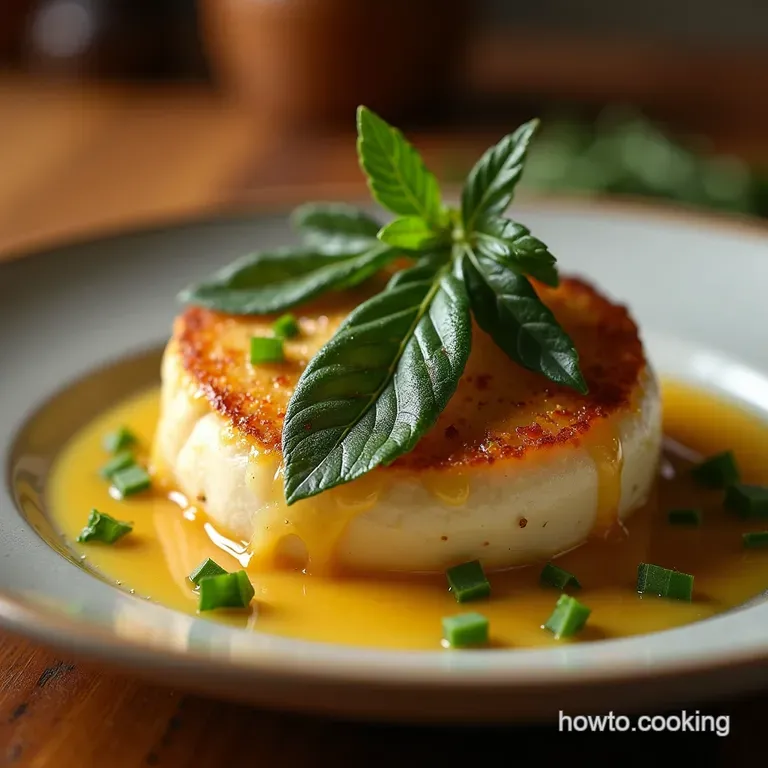
The right equipment makes seeing the process unfold much easier, which is vital when dealing with rapid colour changes.
Selecting the Ideal Fat: Unsalted Butter Matters Most
As mentioned, unsalted butter, totalling 1/2 cup (113g) for this batch, ensures we control the salt content perfectly. Salted butter can easily become overly seasoned once reduced and concentrated in the sauce.
The Herb Ensemble: Fresh vs. Dried Ratios
For this recipe, we rely heavily on fresh herbs, sage and thyme. Fresh herbs release their volatile oils more gently when briefly fried in the butter, becoming wonderfully crispy without imparting bitterness.
If you were to substitute dried herbs, you would drastically reduce the quantity (perhaps 1/2 teaspoon total) and add them later in the process to prevent scorching.
Achieving Perfect Texture: Measuring Flour or Starch (Optional)
This particular Brown Butter Sauce Recipe is intentionally thin and glossy, relying only on the natural emulsification of the browned milk solids and the fat. We intentionally skip adding any flour or cornstarch, keeping the texture clean and showcasing the pure flavour of the nuts and herbs.
Should you desire a thicker consistency for coating something like gnocchi, a tiny slurry whisked in off the heat would be the only way to proceed.
Related Recipes Worth Trying
- Ultimate Creamy Chicken Lasagna with White Sauce Recipe — Ditch the tomato sauce for this luxurious Creamy Chicken Lasagna with White Sauce Its rich satisfying and easier than you think Get the foolproof Béchamel...
- The Proper Peanut Butter Dream Decadent Chocolate Roulade — Master this spectacular Chocolate Peanut Butter Roulade Its a light rolled sponge filled with dreamy peanut butter filling A truly cracking dessert
- Easy Caprese Stuffed Garlic Butter Portobellos Recipe — These Caprese Stuffed Garlic Butter Portobellos are a showstopper thats dead simple to make Loaded with fresh mozzarella and tomatoes these stuffed...
The Art of the Swirl: Achieving That Deep Amber Hue
The actual browning process is where the artistry comes in. Place your butter in a light-coloured, heavy-bottomed saucepan over medium heat. It will melt, then begin to foam. Resist the urge to stir excessively at this stage; let the water evaporate. Once the foaming subsides slightly, watch intently.
You will see tiny brown specks begin to form at the bottom, these are your toasted milk solids. Gently swirl the pan frequently. This constant movement prevents localized scorching and encourages even browning. You are looking for a colour reminiscent of rich hazelnut or deep amber.
Incorporating the Aromatics into Your Herb Brown Butter Sauce
Once the butter is mostly melted and starting to foam, it’s time to introduce your flavour builders. Add the whole sage leaves, thyme leaves, and thinly sliced garlic simultaneously. They need the heat of the foaming butter to crisp up and release their oils fully.
Temperature Control: The Key to Preventing Burnt Solids
This is the make-or-break moment. As soon as the milk solids turn that deep golden-brown hue and the aroma shifts dramatically to that unmistakable nutty scent, immediately remove the pan from the heat source.
If you hesitate even five seconds too long, the solids will go from brown to black, resulting in a bitter, unusable sauce.
When to Introduce the Fresh Herbs for Maximum Crispness
Adding the herbs directly after the initial melting allows them time to toast gently in the hot fat, achieving maximum crispness without burning before the butter solids have fully browned. The crisp sage leaves become delightful textural elements.
Deglazing Gently: Stopping the Cooking Process Precisely
To halt the residual cooking immediately, the flavour base must be separated from the heat. You can either pour the entire contents, butter and solids, through a fine-mesh sieve into a heatproof bowl (reserving those crispy bits!), or if you enjoy the texture of the solids, simply pull the pan completely off the burner.
This immediate action locks in the perfect colour and flavour profile for your Garlic Herb Brown Butter Sauce .
Elevating Your Creations: Pairing Suggestions Beyond Pasta
While this makes an incredible Brown Butter Herb Pasta Sauce , its versatility extends much further. This sauce is a phenomenal drizzle for simple, perfectly cooked proteins.
Imagine spooning it over perfectly seared scallops or grilled salmon; the richness complements the delicate flavour of seafood beautifully. It’s also exceptional when used as a finishing element for simple roasted root vegetables.
Mastering Storage and Reheating of the Browned Butter
Because this sauce is primarily fat, it stores exceptionally well, though it performs best when fresh. It should be stored in an airtight container in the refrigerator. It will solidify once chilled. When you wish to use the leftovers, simply reheat gently on the stovetop.
Vegetable Pairings That Sing Alongside This Rich Sauce
Beyond pasta, consider drizzling this over earthy flavours. Roasted butternut squash or sweet potato cubes absorb the nutty flavour wonderfully. For greens, toss blanched asparagus or quickly sautéed spinach with the sauce right before serving to maintain vibrancy.
Troubleshooting: Saving Butter That Went a Bit Too Dark
If you find your milk solids have darkened slightly past the amber stage into a dusty brown, don't panic entirely. Immediately remove it from the heat. If you have some reserved fresh, high-quality butter, quickly melt a small spoonful into the darker batch and stir vigorously off the heat.
This can sometimes lighten the overall colour and dilute the burnt edge, salvaging a usable, albeit slightly less perfect, Herb Brown Butter Sauce .
Extending Shelf Life: Freezing Techniques for Later Use
For longer-term use, this sauce freezes beautifully. Pour the finished, seasoned Herb Brown Butter Recipe into an ice cube tray. Once fully frozen, transfer the cubes to a freezer bag.
Each cube holds a potent amount of flavour, one or two cubes are often enough to flavour a single serving of vegetables or pasta later on, providing a convenient shortcut to deep flavour whenever inspiration strikes.
Recipe FAQs
Why is my Herb Brown Butter Sauce smoking instead of smelling nutty? Did I burn it?
Ah, that's the classic culinary tightrope walk! If you see thick smoke, sadly, you’ve likely gone too far, and the butter solids have turned bitter. To avoid this, always use medium heat and use a light-coloured pan so you can see the colour change.
You want a deep, tawny brown, not black, and the smell should be distinctly nutty, like toasted hazelnuts.
Can I make this Herb Brown Butter Sauce ahead of time, or does it need to be served straight away?
While it's best served immediately when the aroma is at its peak, you absolutely can store it! Simply pour the cooled sauce into an airtight jar. It will solidify into a hard, golden block in the fridge.
To reheat, gently melt it in a small saucepan over very low heat, you might need to add a tiny splash of water or stock to loosen it up before serving.
My butter is foaming like mad! When should I add the herbs and garlic to make sure they don't burn?
Good question, timing is everything! Let the butter melt completely and foam up naturally. Once that vigorous foaming starts to calm down (usually about 3–4 minutes in), that’s your cue to gently introduce the hardy herbs like sage and thyme, along with the garlic.
Keep the heat steady but attentive, as the introduction of the herbs will cause a little secondary bubbling.
What's the best way to use the leftover crispy sage bits from making the Herb Brown Butter Sauce?
Those crispy bits are culinary gold, mate, don't chuck 'em! They’ve absorbed all that rich, toasted flavour. They are fantastic sprinkled over the finished dish, whether it’s pasta or fish, adding a lovely texture contrast.
They also work wonderfully crumbled over roasted root vegetables or even stirred into a thick lentil soup for an extra bit of pizzazz.
I only have salted butter; can I still use it for this sauce, or will it be too much?
You can certainly use salted butter in a pinch, but you’ll need to be much more cautious with your seasoning at the end. Since the browning process concentrates the flavour, the saltiness also intensifies.
Start by completely omitting any extra salt until you taste the sauce after adding the lemon juice, and then add it sparingly if needed.
Foolproof Herb Brown Butter Sauce Recipe Ready in 15 Mins