Sirloin Tip Roast: Herb Crusted and Tender
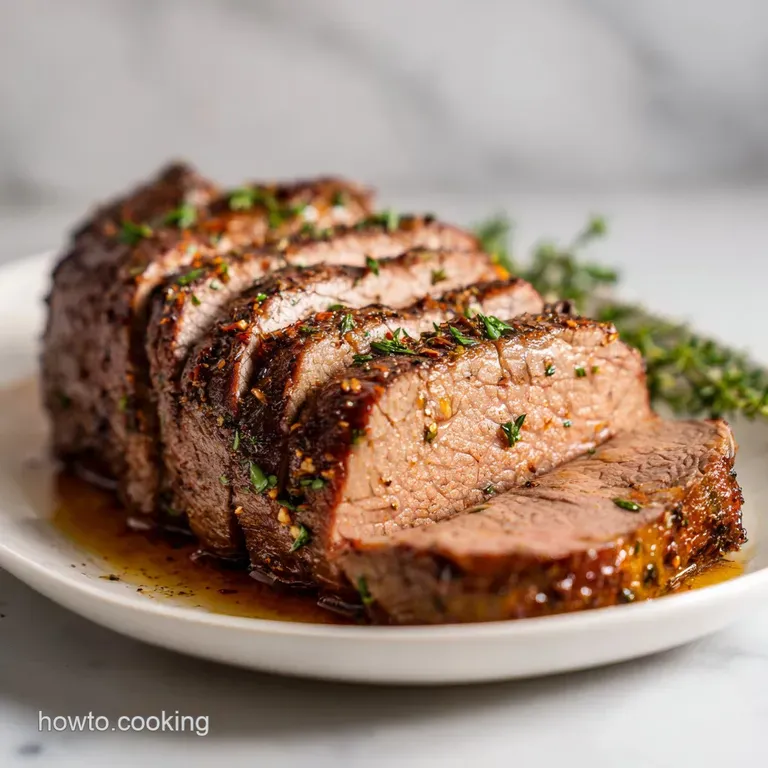
- Time: Active 45 minutes, Passive 1 hours 30 mins, Total 2 hours 15 mins
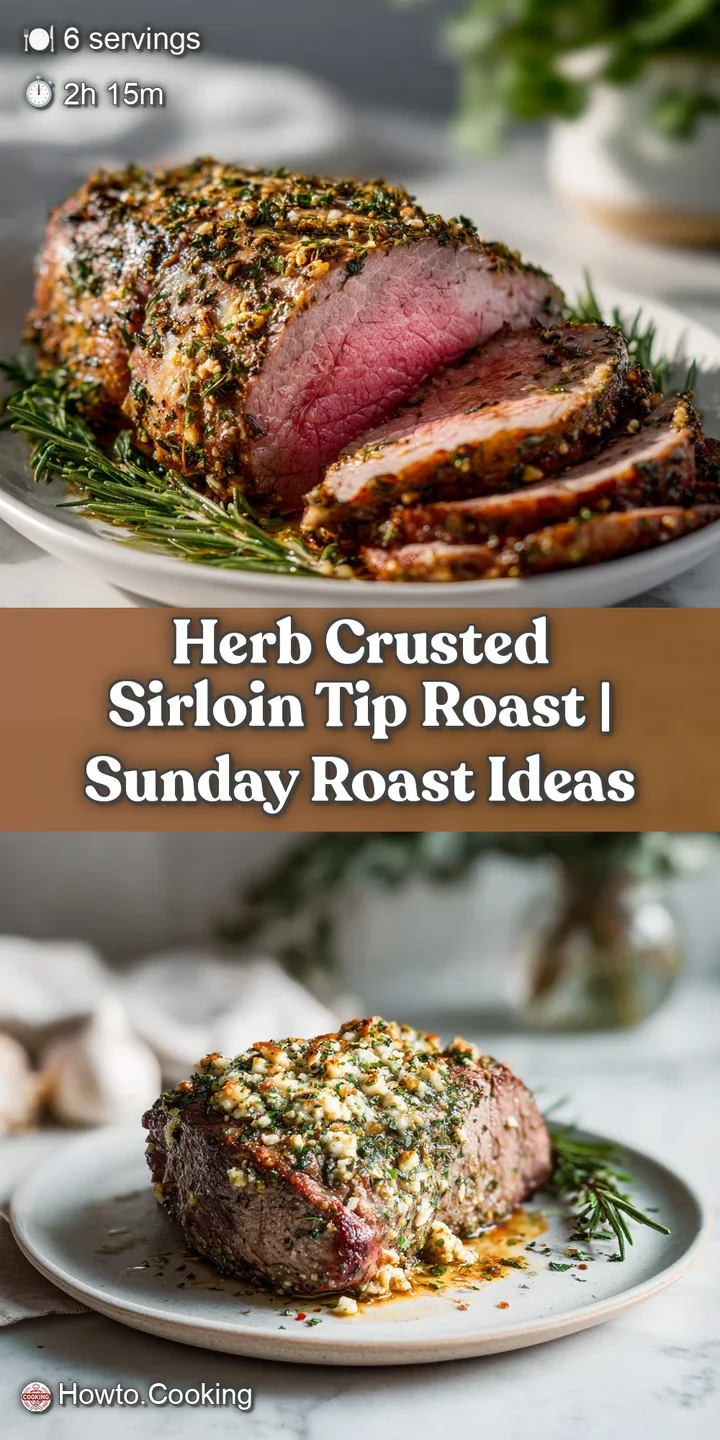
- Flavor/Texture Hook: Herb crusted, succulent, and savory
- Perfect for: Sunday family dinners or meal prep enthusiasts
- Master the Ultimate Sirloin Tip Roast
- Why This Method Guarantees Success
- Essential Recipe Specifications and Details
- Sourcing the Finest Quality Components
- Minimal Tools for Maximum Flavor
- Executing the Perfect Roast Technique
- Solving Common Roast Beef Hurdles
- Flavor Variations for Any Occasion
- Guidelines for Storage and Reheating
- Ideal Pairings for Your Meal
- Debunking Common Roast Myths
- Storage & Zero Waste
- High in Sodium
- Recipe FAQs
- 📝 Recipe Card
Master the Ultimate Sirloin Tip Roast
The scent of garlic hitting a hot pan is probably my favorite smell in the world, but it hasn't always been associated with success in my kitchen. The first time I attempted a Sirloin Tip Roast, I treated it like a ribeye. I blasted it with high heat the whole time, thinking a shorter cook would keep it juicy.
Instead, I pulled out something that looked like a gray, sad boulder. It was so tough we practically needed a chainsaw to get through it, and I spent the rest of the night apologizing to my family over bowls of cereal.
That kitchen failure stayed with me until I realized that this specific cut just needs a bit more respect and a lot less brute force heat. Unlike the fattier prime rib, this roast is lean and muscular. It requires a strategy that balances a hard sear for flavor and a gentle finish for texture.
Once I mastered the temperature drop and the mandatory rest period, this became our go to Sunday tradition. Trust me on this: when you slice into that rosy center and see the juices stay put instead of flooding the cutting board, you'll feel like a total pro.
Why This Method Guarantees Success
High to Low Heat Strategy
Maillard Reaction: Starting at a high temperature triggers a chemical reaction between amino acids and reducing sugars, creating that dark, savory crust. We then drop the heat to prevent the lean muscle fibers from tightening and squeezing out all their moisture.
The Power of Brining
Protein Denaturation: Salting the meat early allows the salt to penetrate the fibers, breaking down tough proteins and improving the meat's ability to hold onto water during the roasting process.
Importance of Resting Meat
Pressure Equilibrium: Resting allows the internal temperature to stabilize and the muscle fibers to relax. This redistributed juice stays inside the meat rather than running out the moment you take a knife to it.
| Roast Thickness | Internal Target | Rest Time | Visual Finished Cue |
|---|---|---|---|
| 3 inches | 130°F (Medium Rare) | 15 minutes | Deep brown exterior, warm pink center |
| 4 inches | 135°F (Medium) | 20 minutes | Firm to touch, light pink center |
| 5+ inches | 140°F (Medium Well) | 25 minutes | Dark crust, very little pink |
One of the biggest hurdles with this cut is its shape, which can be uneven. If you notice your roast is particularly tapered at one end, you can use kitchen twine to tuck the thin tail under. This creates a uniform cylinder that cooks evenly so you don't end up with one side that's dry and another that's underdone.
| Component | Science Role | Pro Secret |
|---|---|---|
| Kosher Salt | Moisture Retention | Apply 24 hours early for a "dry brine" effect that tenderizes the interior. |
| Smoked Paprika | Color and Depth | Provides a wood fired aroma without needing an actual smoker or grill. |
| Bone Broth | Steam Generation | Keeps the oven environment humid, preventing the outer layers of beef from drying out. |
Essential Recipe Specifications and Details
This recipe is designed to serve a family of six, making it a reliable choice for gatherings. While some people prefer a slow cooker for lean beef, roasting in the oven provides a much better texture if you follow the temperature guidelines.
We aren't looking for "fall apart" meat here; we want a clean slice that feels like a high end steakhouse dinner without the triple digit bill.
If you are looking for a side that holds its own against this hearty roast, our Green Bean Casserole Recipe is a staple in my house. The crunch of the shallots contrasts beautifully with the velvety texture of the beef.
Sourcing the Finest Quality Components
The beauty of this dish lies in using simple, wholesome ingredients that work together to create a complex flavor profile. You don't need fancy salts or rare oils to make this work; you just need to ensure everything is fresh.
- 3 lbs sirloin tip roast: This is a lean cut from the hindquarters. Why this? It's affordable and holds its shape perfectly for slicing thin.
- 2 tbsp extra virgin olive oil: Helps the rub stick and aids in browning.
- 2 tsp coarse kosher salt: Necessary for breaking down tough fibers.
- 1 tsp freshly cracked black pepper: Provides a sharp, aromatic bite.
- 4 cloves garlic, minced into a paste: Use a microplane to turn the garlic into a paste for even coverage.
- 1 tbsp fresh rosemary, finely chopped: Adds a woodsy, pine like aroma.
- 1 tbsp fresh thyme leaves: Provides a subtle earthy sweetness.
- 1 tsp smoked paprika: Adds a hint of "char" flavor to the crust.
- 1 large yellow onion, thickly sliced: Acts as a natural roasting rack and flavors the juices.
- 2 large carrots, cut into 2 inch chunks: Caramelizes in the pan for a sweet side note.
- 0.5 cup beef bone broth: Prevents the aromatics from burning and creates a base for gravy.
| Original Ingredient | Substitute | Why It Works |
|---|---|---|
| Fresh Rosemary | Dried Rosemary (1 tsp) | Concentrated flavor. Note: Crush it between your palms to release the oils. |
| Beef Bone Broth | Red Wine (Dry) | Adds acidity and tannins that help cut through the richness of the meat. |
| Extra Virgin Olive Oil | Ghee or Avocado Oil | These have higher smoke points, which is great for the initial over high heat blast. |
Minimal Tools for Maximum Flavor
You don't need a kitchen full of gadgets for this. In fact, a simple cast iron skillet or a heavy bottomed roasting pan is better than a fancy electric roaster. The key is heat retention. A heavy pan will hold the heat when you first put the meat in, ensuring that the bottom gets just as much color as the top.
Chef Tip: If you don't have a roasting rack, those sliced onions and carrots are your best friends. By propping the meat up on the vegetables, you allow hot air to circulate underneath the beef, which prevents the bottom from getting "steamy" and gray.
Executing the Perfect Roast Technique
Preparing Your Beef Properly
Remove the 3 lbs sirloin tip roast from the fridge at least 45 minutes before cooking. Note: Cold meat cooks unevenly, leaving you with a cold center and overdone edges. Pat the surface completely dry with paper towels until it feels tacky.
Creating the Herb Rub
In a small bowl, combine the 2 tbsp olive oil, 2 tsp salt, 1 tsp pepper, minced garlic paste, rosemary, thyme, and smoked paprika. Stir until it forms a thick, fragrant paste that smells like a herb garden.
Coating the Meat
Massage the herb paste over every inch of the roast, including the ends. Press the herbs firmly into the meat so they don't fall off during the roasting process.
Setting the Base
Place the sliced yellow onion and 2 inch carrot chunks in the center of your roasting pan. Pour the 0.5 cup beef bone broth into the bottom of the pan, being careful not to wash the herbs off the vegetables.
Achieving a Golden Crust
Preheat your oven to 450°F (230°C). Place the roast on top of the vegetables and slide it into the oven for 15 minutes. Listen for the sizzle; this high heat is building your crust.
Dropping the Temperature
Reduce the oven heat to 325°F (160°C). Do not open the oven door during this transition, as you want to trap that residual heat.
Monitoring Internal Temperature
Continue roasting for about 1 hour 15 mins. Use a meat thermometer to check the thickest part of the roast until it reaches 130°F for medium rare.
The Final Rest Period
Remove the pan from the oven and transfer the meat to a cutting board. Tent it loosely with foil and let it sit for 20 minutes. The temperature will rise about 5-10 degrees during this time.
Slicing and Serving
Slice the meat against the grain into thin ribbons. If you aren't sure which way the grain runs, look for the long lines of muscle fiber and cut perpendicular to them.
Solving Common Roast Beef Hurdles
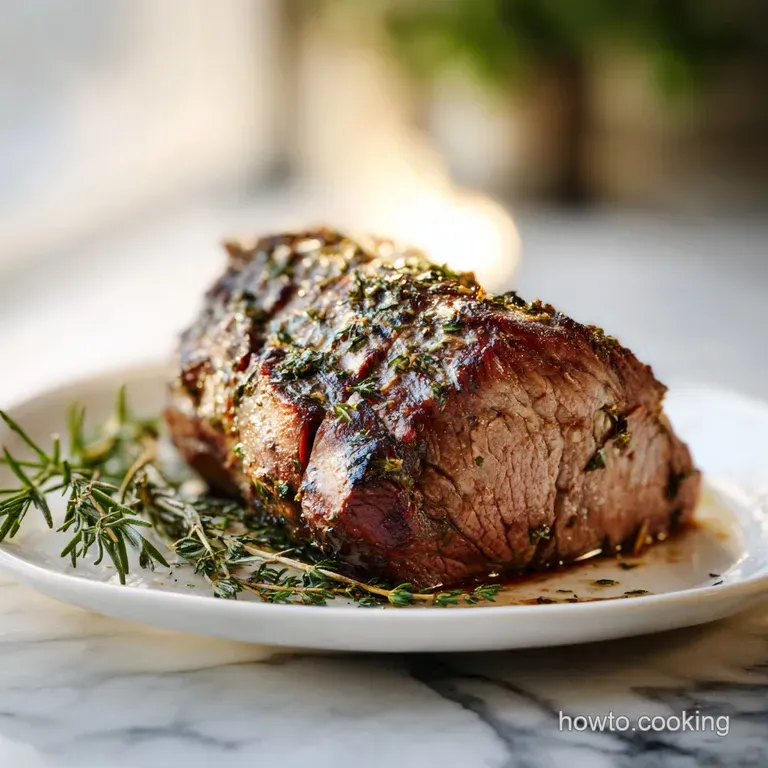
Why Your Beef Is Tough
The most common culprit for tough beef is overcooking or slicing with the grain. Since the sirloin tip is lean, it doesn't have much fat to buffer it from high heat. If you cook it past medium, the fibers tighten into a rubbery texture. Always use a thermometer rather than relying on a timer.
Alternative Roasting Solutions
If you don't have a roasting pan, a large cast iron skillet works beautifully. The thick walls of the skillet provide excellent heat distribution. If you find the vegetables are browning too quickly, add an extra splash of broth or water to the pan to keep things humid.
| Problem | Root Cause | Solution |
|---|---|---|
| Dry Meat | Overcooked or no resting | Remove from oven at 130°F and rest for 20 minutes. |
| Gray Exterior | Meat was wet when rubbed | Pat the roast dry with paper towels before applying oil. |
| Burnt Herbs | Rack was too high in oven | Move the oven rack to the center position for more even air flow. |
Common Mistakes Checklist
- ✓ Skipping the room temperature rest before the oven (leads to a cold, raw center).
- ✓ Slicing the meat too thick (thin slices break up the muscle fibers for a tender mouthfeel).
- ✓ Opening the oven door frequently (drops the temp and increases cook time).
- ✓ Forgetting to pat the meat dry (moisture on the surface creates steam instead of a crust).
- ✓ Not using a meat thermometer (guessing leads to dry, gray meat).
Flavor Variations for Any Occasion
Slow Cooker Adaptation Method
While I prefer the oven for the crust, you can make a slow cooker sirloin tip roast by searing the meat in a pan first. Place it in the slow cooker with the vegetables and broth, and cook on low for 6 to 8 hours. The texture will be more like a pot roast, but it will be incredibly tender.
Instant Pot Pressure Cooking
For a quick fix, use the sauté function on your Instant Pot to sear the beef. Add the broth and aromatics, then pressure cook for 20 minutes per pound with a natural release. It won't have the same "shatter" on the crust, but it's a great weeknight shortcut.
Keto Friendly Side Ideas
To keep this meal keto friendly, skip the carrots and onions in the pan and use celery and radishes instead. Radishes, when roasted, lose their sharp bite and take on a texture very similar to potatoes, making them a vibrant substitute for root vegetables.
Guidelines for Storage and Reheating
If you happen to have leftovers, they make the most incredible sandwiches the next day. This roast stays fresh in the fridge for up to 4 days if kept in an airtight container. If you want to freeze it, I recommend slicing it first and freezing the slices in a single layer before bagging them.
It will stay good for up to 3 months.
When it comes to reheating, the microwave is your enemy. It will turn your beautiful medium rare beef into gray leather in seconds. Instead, place the slices in a pan with a little leftover broth, cover it with foil, and warm it in a 300°F (150°C) oven for about 10 minutes.
This gently warms the meat without cooking it further.
For those who enjoy a variety of beef textures, you might also like The Loaded Steak recipe which uses smaller cuts of beef paired with a velvety cheese sauce. It's a completely different vibe but just as satisfying.
Ideal Pairings for Your Meal
Classic Sunday Side Dishes
You can't go wrong with the classics. A pile of garlic mashed potatoes or some honey glazed rolls are the natural partners for a big roast. If you have extra pan drippings, whisk in a little flour and broth to make a quick gravy that ties everything together.
Contemporary Vegetable Pairings
If you want something lighter, try a shaved Brussels sprout salad with a lemon vinaigrette. The acidity of the lemon cuts through the richness of the beef and cleanses the palate between bites. Roasted asparagus with a bit of parmesan is also a great way to add color to the plate.
| Method | Time | Texture | Best For |
|---|---|---|---|
| Oven Roast | 1 hour 30 mins | Crisp crust, tender center | Traditional Sunday dinner |
| Slow Cooker | 7 hours | Fall apart tender | Busy weekdays, "set and forget" |
| Instant Pot | 1 hour total | Soft and juicy | Last minute meal prep |
Debunking Common Roast Myths
One of the biggest myths is that you need to sear the meat in a pan before it goes into the oven to "seal in the juices." Science tells us that searing doesn't seal anything; moisture is lost regardless. However, we sear for the flavor of the crust.
By starting at 450°F, we get that flavor without the extra step of pan searing.
Another myth is that "blood" comes out of the meat when it rests. That red liquid is actually myoglobin, a protein found in muscle tissue mixed with water. It's perfectly safe and contains a ton of flavor, which is why we want most of it to stay inside the meat by letting it rest properly.
Storage & Zero Waste
Store leftovers in the fridge for 4 days or freeze for 3 months. To minimize waste, don't throw away the onion and carrot scraps or the beef bones if your roast had any. You can toss them into a pot with water to make a quick beef stock for future soups.
Even the hardened fat in the pan can be used to sauté vegetables for your next meal, adding a savory depth you just can't get from butter alone.
High in Sodium
810 mg mg of sodium per serving (35% of daily value)
The American Heart Association recommends limiting sodium intake to no more than 2,300mg per day for most adults. Reducing sodium can improve your heart health.
Tips to Reduce Sodium in Your Sirloin Tip Roast:
-
Low-Sodium Broth-30%
Switch to a low-sodium or no-salt added beef broth. This simple swap can significantly reduce the sodium content without sacrificing flavor.
-
Reduce Salt-25%
Cut back on the coarse kosher salt. Try using only 1 tsp instead of 2 tsp. You can always add more at the table if needed.
-
Skip the Salt-25%
Eliminate salt from the recipe entirely, and add a salt substitute that does not contain sodium.
-
Garlic Powder-10%
Enhance the garlic flavor by adding a dash of garlic powder with no sodium, in addition to the fresh garlic, to boost the flavor profile without increasing sodium.
-
Herbs & Spices
Experiment with a wider variety of fresh or dried herbs and spices like oregano, bay leaf, or marjoram to enhance the flavor. Fresh herbs are preferable.
Recipe FAQs
What is a sirloin tip roast good for?
It is best used for roasting or pot roasting. This lean cut from the hindquarters holds its shape well under the high-to-low temperature roasting method, making it ideal for serving sliced for Sunday dinners or meal prepping.
How to cook a sirloin tip roast so it's tender?
Start hot, then immediately reduce the oven temperature significantly. Sear the roast at 450°F for 15 minutes to build a crust, then drop the heat to 325°F and continue roasting until it reaches 130°F internally.
Why is my sirloin tip roast not tender?
The meat was likely overcooked or sliced incorrectly. Since this cut is lean, cooking it past medium causes the muscle fibers to seize up and become tough; always pull it out of the oven when the thermometer reads 130°F and let it rest.
What is sirloin tip steak best used for?
Sirloin tip steak pieces are best cubed for stew or thinly sliced against the grain for stir fries. They are muscular and benefit from quick, high heat cooking or slow simmering to break down connective tissue, similar to how we manage the texture in a [Hearty Potato Soup recipe].
Is it true you should never rest a roast because the juices run out?
No, this is a common misconception. Resting the meat for 15 to 20 minutes is crucial because it allows internal pressure to equalize and the muscle fibers to relax, which keeps the juices locked inside when you finally slice it.
Can I use a dry brine on the sirloin tip roast ahead of time?
Yes, dry brining enhances tenderness significantly before cooking. Salt the roast generously up to 24 hours in advance and leave it uncovered in the refrigerator; this process helps denature tough proteins, making the resulting meat much juicier.
What is a good side dish to serve with a large roast like this?
A savory, herb based stuffing pairs wonderfully with the robust beef flavor. For an excellent complement, try our [Sausage Stuffing: The Butchers Best Sage Sourdough Recipe] to round out the meal.
Herb Crusted Sirloin Roast 2
Ingredients:
Instructions:
Nutrition Facts:
| Calories | 468 kcal |
|---|---|
| Protein | 63g |
| Fat | 21g |
| Carbs | 4g |
| Fiber | 1g |
| Sugar | 2g |
| Sodium | 810mg |
