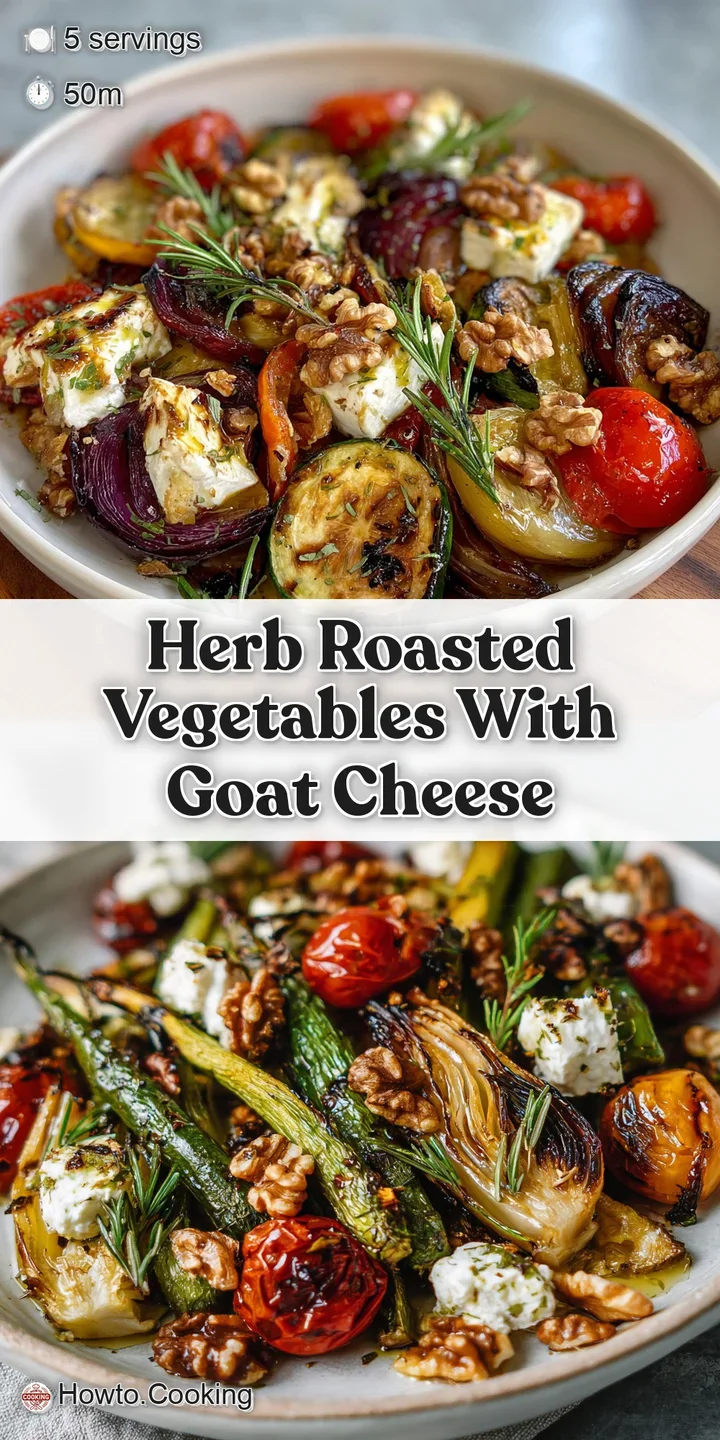
Herb Roasted Vegetables with Goat Cheese
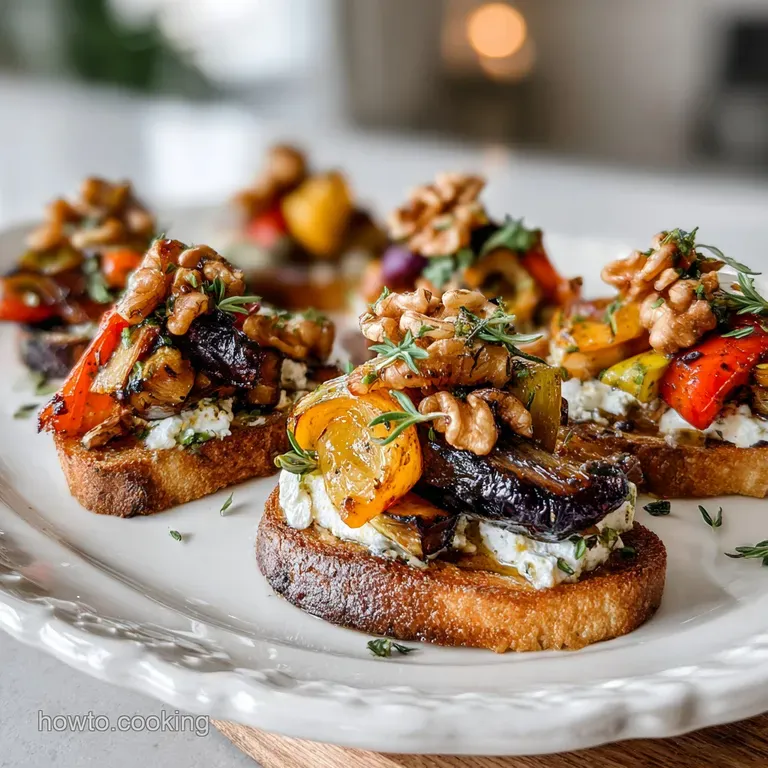
- Time: Active 15 minutes, Passive 35 minutes, Total 50 minutes
- Flavor/Texture Hook: Earthy sweetness paired with tangy, shattering walnut crunch
- Perfect for: Wholesome Sunday roasts or nutritious meal prep
- Master This Herb Roasted Vegetables With Goat Cheese
- Why This Wholesome Medley Works So Well
- Component Analysis for Better Cooking Results
- Essential Kitchen Tools for Even Heat Distribution
- Nutritious Elements for a Vibrant Sheet Pan Meal
- Step-by-Step Flow for the Perfect Golden Roast
- Navigating Common Texture and Flavor Balancing Hurdles
- Wholesome Adaptations for Diverse Dietary Preferences
- The Chemistry of Flavor Stability
- Preserving Freshness and Reducing Kitchen Waste
- Serving Suggestions for an Impactful Family Dinner
- Recipe FAQs
- 📝 Recipe Card
Master This Herb Roasted Vegetables With Goat Cheese
The sizzle of a hot sheet pan hitting the counter is the heartbeat of my kitchen. I remember the exact moment I stopped settling for boiled, limp carrots and realized that over high heat roasting is where the magic happens.
I was hosting a dinner where everything else was complex, and I needed a side dish that felt intentional rather than an afterthought. The aroma of rosemary and thyme hitting the hot oil filled the room, and suddenly, the vegetables were the star of the show.
You want those edges to be dark and crisp, almost like the crust on a good loaf of bread. The secret lies in the contrast between the sweetness of the butternut squash and the sharp, bright punch of the goat cheese. This isn't just a side dish - it is a lesson in balance.
We are taking simple ingredients and using heat to coax out flavors that are deep, rich, and incredibly satisfying for the whole family.
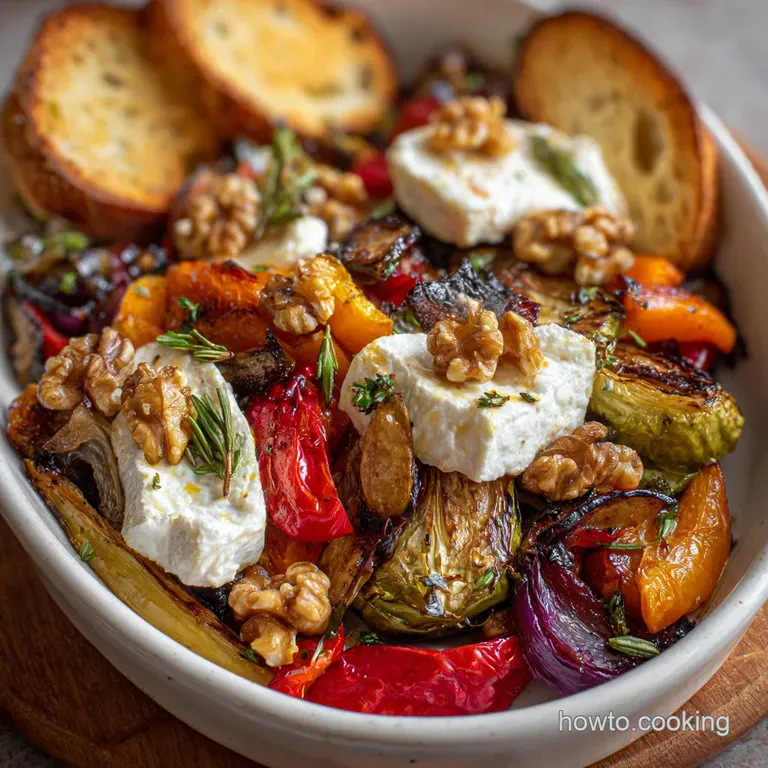
When you pull that tray out of the oven, the colors should be deep oranges, purples, and gold. The walnuts add a necessary shatter to every bite, and that drizzle of balsamic at the end provides the acidity to cut through the richness of the cheese.
Trust me, once you see how the goat cheese softens without completely melting into a puddle, you'll never go back to plain roasted greens again.
Why This Wholesome Medley Works So Well
- The Maillard Reaction: High heat causes the natural sugars in the carrots and squash to caramelize, creating a complex, savory sweet exterior.
- Thermal Mass Engineering: Cutting the harder potatoes smaller and the softer squash larger ensures they finish cooking at the exact same moment.
- Evaporative Cooling Prevention: Spacing the vegetables out allows moisture to escape as steam, preventing the dreaded "soggy vegetable" syndrome.
- Fat Soluble Infusion: The olive oil acts as a vehicle, carrying the volatile oils from the rosemary and thyme deep into the vegetables as they roast.
| Method | Time | Texture | Best For |
|---|---|---|---|
| Convection Oven | 30 minutes | Maximum crispness, very dark edges | Serious texture lovers |
| Standard Oven | 35 minutes | Tender interior with golden skin | Balanced, reliable results |
| Stovetop (Cast Iron) | 25 minutes | Heavily charred, requires constant attention | Small batches or summer heat |
Roasting in the oven provides a more consistent, dry heat environment compared to the stovetop. While a skillet can produce a beautiful char, the oven allows for the even heat penetration necessary for dense root vegetables like butternut squash and Yukon Gold potatoes to soften all the way to the center.
Component Analysis for Better Cooking Results
| Ingredient | Science Role | Pro Secret |
|---|---|---|
| Yukon Gold Potatoes | Starch Structure | These hold their shape better than Russets and develop a waxy, creamy interior. |
| Red Onion | Sugar Source | The wedges become jammy and sweet, providing a natural "sauce" for the drier vegetables. |
| Goat Cheese | Acidic Contrast | Use chilled cheese to ensure it holds its shape as it meets the residual heat of the pan. |
| Balsamic Glaze | pH Balancer | The acidity brightens the earthy tones and prevents the dish from feeling too "heavy" or fatty. |
Essential Kitchen Tools for Even Heat Distribution
To achieve the results we are looking for, a heavy gauge rimmed baking sheet is non negotiable. Thinner pans tend to warp at high temperatures, leading to uneven oil distribution and hot spots.
You will also need a sharp chef's knife for consistent dicing, as the uniform size of your vegetables directly impacts how they cook.
A large stainless steel mixing bowl is another essential. Do not try to season your vegetables directly on the pan. Tossing them in a bowl ensures every square centimeter of the produce is coated in oil and herbs. This roast pairs perfectly with my PanSeared Mediterranean Cod recipe for a complete, nutritious meal that feels like a restaurant experience at home.
Chef Tip: Place your empty baking sheet in the oven while it preheats. When you toss the vegetables onto the screaming hot metal, they start searing immediately, which prevents sticking and jump starts the browning process.
Nutritious Elements for a Vibrant Sheet Pan Meal
- 450g baby Yukon Gold potatoes: Quartered. Why this? High starch content creates a golden, crispy skin while keeping the inside fluffy. (Substitute: Red bliss potatoes)
- 3 large carrots: Peeled and sliced into 2.5cm rounds. Why this? Provides natural sweetness and a firm texture that withstands long roasting. (Substitute: Parsnips)
- 1 large red onion: Cut into 1.2cm wedges. Why this? The high sugar content allows for beautiful caramelization and a mellowed flavor. (Substitute: Shallots)
- 1 small butternut squash: Peeled and cubed into 2.5cm pieces. Why this? Adds a velvety texture and rich orange hue to the final presentation. (Substitute: Sweet potato)
- 45ml extra virgin olive oil: Why this? Necessary for heat conduction and a rich mouthfeel. (Substitute: Avocado oil)
- 1 tbsp fresh rosemary: Finely minced. Why this? Woody herbs hold their flavor much better under high heat than soft herbs. (Substitute: Dried rosemary - use 1 tsp)
- 1 tbsp fresh thyme leaves: Why this? Adds a subtle earthy note that complements the goat cheese. (Substitute: Fresh oregano)
- 1 tsp garlic powder: Why this? Distributes more evenly than fresh garlic, which can burn and turn bitter. (Substitute: Onion powder)
- 1 tsp sea salt: Why this? Enhances the natural flavors of the root vegetables. (Substitute: Kosher salt)
- 1/2 tsp cracked black pepper: Why this? Adds a gentle heat to balance the sweet squash. (Substitute: White pepper)
- 115g plain goat cheese: Chilled and crumbled. Why this? The tangy acidity cuts through the roasted vegetable richness perfectly. (Substitute: Feta cheese)
- 30g toasted walnuts: Roughly chopped. Why this? Provides a crucial texture contrast to the soft vegetables. (Substitute: Toasted pecans)
- 30ml balsamic glaze: Why this? Adds a concentrated sweet and tart finish. (Substitute: Honey and lemon juice)
- 10g fresh basil: Chilled chiffonade. Why this? The fresh aromatic lift balances the roasted, "cooked" flavors. (Substitute: Fresh parsley)
step-by-step Flow for the Perfect Golden Roast
1. The over High heat Prep
Preheat your oven to 200°C (400°F). While the oven warms, place your large rimmed baking sheet inside to get it hot. This is a foundational step for anyone wanting to cook with confidence.
2. The Vegetable Medley
Wash and dry all produce thoroughly. Peel the carrots and butternut squash, then chop them into the specified 2.5cm pieces. Peel the onion and cut it into wedges, leaving the root end slightly intact to help the wedges stay together during tossing.
3. The Oil and Herb Rub
In a large mixing bowl, combine the potatoes, carrots, onion, and squash. Drizzle with the olive oil and sprinkle the rosemary, thyme, garlic powder, salt, and pepper over the top.
4. Achieving Golden Color
Toss everything vigorously with your hands or a large spoon. Note: You want a thin, shimmering coat of oil on every piece to ensure even browning.
5. The Golden Roast
Carefully remove the hot baking sheet from the oven and spread the vegetables in a single layer. Roast for 35 minutes until the potatoes are fork tender and the edges are browned and crisp.
6. Timing Your Herbs
At the 20 minute mark, use a spatula to flip the vegetables. This ensures that the side touching the pan gets even caramelization.
7. Layering Your Toppings
Remove the pan from the oven. While the vegetables are still steaming, sprinkle the crumbled chilled goat cheese and toasted walnuts over the top. Note: The heat from the vegetables will soften the cheese just enough.
8. The Final Garnish
Drizzle the balsamic glaze in a zig zag pattern across the tray. Finish with the fresh basil chiffonade just before serving.
Navigating Common Texture and Flavor Balancing Hurdles
Preventing Soggy Textures
If your vegetables look more like they were steamed than roasted, the culprit is usually overcrowding. When vegetables are too close together, the moisture they release gets trapped, creating a steam pocket. This prevents the Maillard reaction from occurring.
Always use the largest pan you have, or split the recipe between two pans if needed.
Balancing Earthy Profiles
Root vegetables are naturally earthy, which can sometimes feel "flat." If the dish feels like it is missing a "pop," it likely needs more acidity. The balsamic glaze usually handles this, but a squeeze of fresh lemon juice right before serving can also wake up the flavors. If you are hosting a holiday dinner, this sits beautifully next to a Green Bean Casserole Recipe.
Vanishing Goat Cheese
If you add the goat cheese too early or if it is at room temperature, it will melt into a white smear rather than staying in distinct, creamy chunks. The goal is for the cheese to be "warm soft," not "melted liquid." Always keep the cheese in the fridge until the very second you are ready to sprinkle it on.
| Problem | Root Cause | Solution |
|---|---|---|
| Burnt Onion Edges | Wedges cut too thin | Cut onions into thicker 1.2cm wedges or add them 10 mins late. |
| Hard Carrots | Slices too thick | Ensure carrots are 2.5cm rounds; they take longer than squash. |
| Bland Flavor | Not enough salt | Season in the bowl, not on the pan, to ensure even coverage. |
Common Mistakes Checklist
- ✓ Ensure vegetables are completely dry before oiling (water prevents browning).
- ✓ Don't skip the preheated pan step - it’s the secret to the best crust.
- ✓ Resist the urge to toss every 5 minutes; they need "contact time" to brown.
- ✓ Use fresh herbs for the best aromatic experience; dried can sometimes taste dusty.
- ✓ Don't overcrowd - give every piece of squash its own personal space.
Wholesome Adaptations for Diverse Dietary Preferences
Scaling this recipe down for a solo dinner is quite simple. Use a small toaster oven tray and reduce the cook time by about 5 minutes, as smaller quantities often heat through faster.
For a half portion, use 225g of potatoes and a handful of the other veggies, keeping the oil at about 20ml to ensure coverage.
When scaling up for a large family gathering, do not simply double the ingredients on one pan. You must use two separate baking sheets. If you put too much on one tray, the vegetables will pile up and steam.
When doubling the spices, start with 1.5x the amount and adjust to taste, as salt can become overwhelming quickly in large batches.
If you are looking for a more protein forward version, check out this Tasty Protein Cottage recipe for inspiration on how to use creamy elements in nutritious ways.
Vegan Ingredient Options
To make this recipe entirely plant based, swap the goat cheese for a high-quality almond based or cashew based "feta" style cheese. You can also skip the cheese and add a dollop of hummus or a drizzle of tahini after roasting to maintain that creamy, tangy profile without the dairy.
Making This Faster
If you are in a rush, you can par boil the potatoes and carrots for 5 minutes before roasting. This softens the interior, allowing you to blast them at a higher heat (220°C) for just 15-20 minutes to get the color on the outside.
The Chemistry of Flavor Stability
Many people believe that adding all the herbs at the beginning is best, but this is a misconception. While woody herbs like rosemary and thyme need heat to release their oils, soft herbs like basil are delicate. The heat of the oven will destroy the bright, peppery notes of basil, turning it black and bitter.
This is why we add the basil only at the very end.
Another myth is that you need a huge amount of oil for "crispy" vegetables. In reality, too much oil can lead to greasy, heavy food that feels unwholesome. The goal is a microscopic layer of fat that facilitates heat transfer. You only need enough to make the vegetables shine.
Preserving Freshness and Reducing Kitchen Waste
Storage: These roasted vegetables will stay fresh in the fridge for up to 4 days. Store them in a glass container to prevent the goat cheese from absorbing other fridge odors.
Freezing: I do not recommend freezing this specific dish. The cellular structure of the potatoes and squash breaks down when frozen and thawed, resulting in a mealy, unappealing texture.
Reheating: Avoid the microwave if you want to keep the texture. Instead, place them back on a baking sheet at 190°C for about 10 minutes. This recrisps the edges and softens the cheese perfectly.
Zero Waste: Don't toss those squash seeds! You can roast them with a bit of salt for a nutritious snack. Plus,, the peels from the carrots and the onion skins can be frozen in a "stock bag" to make a flavorful vegetable broth later in the week.
Serving Suggestions for an Impactful Family Dinner
When it comes to serving, presentation is everything. I love bringing the sheet pan directly to the table for a rustic, communal feel. The contrast of the dark balsamic against the white goat cheese and green basil is visually stunning. This dish is versatile enough to be served as a warm salad base or a hearty side.
Pairing With Main Dishes
This medley is robust enough to stand alongside a heavy roast beef or a delicate roasted chicken. It also pairs beautifully with a simple How to Bake recipe for a comforting weeknight meal. The sweetness of the vegetables balances the savory depth of the meatloaf perfectly.
Cold Salad Serving Option
If you have leftovers, they make an incredible cold salad the next day. Toss the cold vegetables with some fresh arugula and a little extra splash of balsamic vinegar. The goat cheese becomes a bit firmer, and the flavors of the herbs actually deepen after a night in the fridge.
It’s a great way to ensure nothing goes to waste while keeping your meals diverse and flavorful.
Recipe FAQs
What vegetables are best for roasting with goat cheese?
Root vegetables and hearty greens roast best. Think butternut squash, potatoes, carrots, Brussels sprouts, and broccoli florets, as they can withstand high heat and caramelize beautifully.
Can I use dried herbs instead of fresh for this recipe?
Yes, but adjust the quantity. Dried herbs are more potent, so use about one-third the amount of fresh herbs called for. Add them earlier in the roasting process to allow their flavor to bloom.
How do I prevent the goat cheese from melting completely?
Add the goat cheese near the end of cooking. Crumble it over the hot vegetables just before serving; the residual heat will warm it enough without turning it into a sauce.
My vegetables are not getting crispy. What am I doing wrong?
You are likely overcrowding the pan. Vegetables need space to allow moisture to evaporate and browning to occur. Use a larger baking sheet or roast in batches for maximum crispness.
Can I make this recipe ahead of time?
Yes, you can prep most components ahead. Chop the vegetables and store them in an airtight container for up to 48 hours. Roast them just before serving and add the goat cheese and garnishes afterward.
What is the best way to reheat leftover roasted vegetables?
Reheat in the oven to retain crispness. Spread them on a baking sheet and warm at around 190°C (375°F) for 10-15 minutes, rather than using the microwave.
What pairs well with herb roasted vegetables and goat cheese?
This dish is versatile. It's excellent as a side for roasted meats like chicken or pork, or it can be served with a protein like baked cod. If you enjoyed mastering the roasting technique here, see how the same principle of even heat distribution creates a beautiful crust on our Garlic Butter Green Beans.
Herb Roasted Veggies Goat Cheese
Ingredients:
Instructions:
Nutrition Facts:
| Calories | 347 kcal |
|---|---|
| Protein | 9.2 g |
| Fat | 17.1 g |
| Carbs | 43.9 g |
| Fiber | 6.2 g |
| Sugar | 11.8 g |
| Sodium | 584 mg |
