Homemade Chicken Bouillon Seasoning Powder
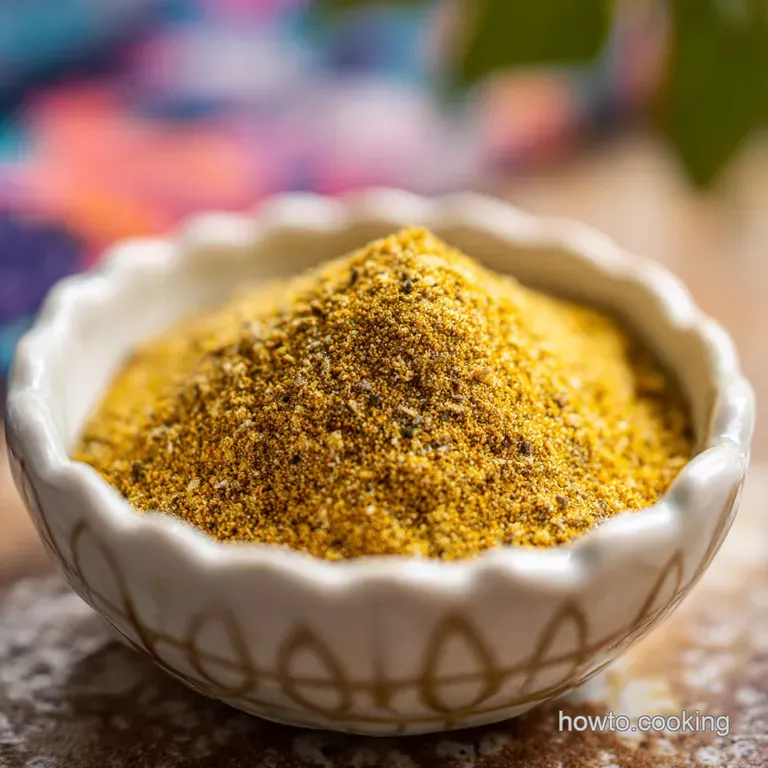
- Time: Active 10 minutes, Passive 0 minutes, Total 10 minutes
- Flavor/Texture Hook: Savory, umami rich fine powder
- Perfect for: Stress free weeknight dinners, wholesome meal prep, and pantry organization
- Crafting the Ultimate Homemade Chicken Bouillon Seasoning
- The Molecular Magic of Umami Bonds
- The Plan Behind Every Nutritious Batch
- Gathering Wholesome Elements for Your Blend
- Essential Tools for Grinding and Mixing
- Executing the Three Phase Flavor Synthesis
- Refining Your Technique for Maximum Flavor
- Exploring Bold and Wholesome Custom Blends
- Preserving Potency and Reducing Kitchen Waste
- Integrating Your Blend into Family Meals
- Kitchen Myths and Realities
- Chicken Bouillon Seasoning FAQs
- 📝 Recipe Card
Crafting the Ultimate Homemade Chicken Bouillon Seasoning
I remember standing in my kitchen three years ago, staring at the back of a bright yellow bouillon jar. My toddler was tugging at my leg, and I was trying to whip up a simple soup, but the ingredient list on that jar stopped me cold.
It was a long string of words I couldn't pronounce, mostly centered around artificial enhancers and excessive sodium. That was the moment I decided my family deserved something better, something wholesome that I could feel confident about serving every single night.
The first time I successfully blended this Chicken Bouillon Seasoning, the aroma in my kitchen was transformative. It wasn't that sharp, chemical smell of a foil wrapped cube, but rather a warm, savory scent of toasted yeast, earthy sage, and bright turmeric.
I realized then that the secret to a great meal isn't found in a factory made concentrate, but in the careful balance of high-quality, dried ingredients that honor the natural flavors of our food.
We've all been there, reaching for a shortcut only to find it leaves a heavy, salty film on the palate. This DIY version changes that dynamic completely. It gives you the control to adjust the salinity while providing that deep "cooked all-day" flavor in a matter of seconds.
Since I started keeping a jar of this on my counter, my confidence in the kitchen has grown, knowing that the foundation of my sauces and stews is built on real, nutritious components.
The Molecular Magic of Umami Bonds
Glutamate Synergy: Nutritional yeast provides a high concentration of natural glutamates that mimic the savory profile of slow roasted poultry without animal products. This creates a deep, lingering flavor on the tongue that satisfies the palate similarly to a traditional meat stock.
Hygroscopic Balance: The sea salt acts as a stabilizer, drawing out the aromatic oils in the dried herbs while preventing the finer powders from clumping. This ensures the seasoning remains free flowing and dissolves instantly when it hits hot liquid or moisture.
Curcumin Pigmentation: Turmeric contains curcumin, which provides the characteristic golden hue we associate with rich chicken fat. This visual cue triggers a psychological "flavor expectation," making the dish feel more satisfying and wholesome before you even take a bite.
| Method Type | Preparation Time | Flavor Intensity | Additive Control |
|---|---|---|---|
| store-bought Cube | 1 minute | Sharp/Salty | Minimal (High MSG/Fillers) |
| Traditional Bone Broth | 12-24 hours | Deep/Gelatinous | Total (Time Intensive) |
| This Blend | 10 minutes | Savory/Balanced | Total (Pure Ingredients) |
Transitioning from commercial products to a pantry made version allows you to understand the architecture of flavor. You’ll notice that homemade meals lose that "uniform" taste and begin to reflect the specific notes of the herbs you choose to include.
The Plan Behind Every Nutritious Batch
A successful batch depends on your preparation flow. Start by ensuring all your measuring tools are completely dry, as even a drop of water can cause the onion and garlic powders to seize up later in the jar.
I usually lay everything out on a clean towel first, which keeps the process organized and prevents any "where did I put the sage?" moments in the middle of mixing.
| Component | Science Role | Pro Secret |
|---|---|---|
| Nutritional Yeast | Umami base | Pulse in a blender for a finer, more soluble "flour" texture. |
| Fine Sea Salt | Flavor conductor | Use "fine" grain rather than coarse to ensure even distribution in every spoonful. |
| Ground Turmeric | Visual identity | A tiny pinch extra can make a pale rice dish look beautifully golden. |
Once your elements are gathered, the actual blending is a rhythmic process. We aren't just tossing things in a jar; we are layering flavors to ensure that whether you use a teaspoon or a tablespoon, the ratio of herb to salt remains consistent throughout the entire container.
Gathering Wholesome Elements for Your Blend
When selecting your ingredients, look for the freshest dried herbs you can find. Even though they are "dried," they should still have a noticeable scent. If your dried parsley smells like nothing, it will taste like nothing in your Chicken Bouillon Seasoning.
- 1 cup nutritional yeast flakes (60g): Why this? The foundational savory element that provides the "meaty" depth without actual meat. (Substitute: Ground dried mushrooms for a different earthy umami).
- 2 tbsp fine sea salt (36g): Why this? Enhances every other flavor and acts as a natural preservative for the blend. (Substitute: Himalayan pink salt for extra minerals).
- 1 tbsp coconut sugar or organic cane sugar (15g): Why this? A hint of sweetness balances the salt and mimics the natural sweetness of carrots in stock. (Substitute: Date sugar, though it may not dissolve as quickly).
- 2 tbsp garlic powder (20g): Why this? Provides the sharp, aromatic bite essential for a classic poultry profile. (Substitute: Granulated garlic for a slightly grittier texture).
- 2 tbsp onion powder (20g): Why this? Adds a savory, slightly sweet depth that rounds out the garlic. (Substitute: Toasted onion flakes for more texture).
- 1 tsp ground turmeric (3g): Why this? Primarily for that iconic golden color and a subtle earthy undertone. (Substitute: Saffron threads, crushed fine, for a luxury version).
- 1 tsp ground black pepper (2g): Why this? Adds a gentle heat and complexity to the finish. (Substitute: White pepper for a cleaner look in white sauces).
- 1 tbsp dried parsley (2g): Why this? Offers a touch of freshness and breaks up the yellow color with green flecks. (Substitute: Dried cilantro for a Latin inspired twist).
- 1 tsp dried thyme (1g): Why this? The quintessential poultry herb that brings woodsy, floral notes. (Substitute: Dried oregano for a Mediterranean feel).
- 1 tsp dried sage (1g): Why this? Provides that "stuffing" flavor that we deeply associate with roast chicken. (Substitute: Dried rosemary, though it's much stronger).
- 0.5 tsp dried marjoram or rosemary (0.5g): Why this? A final layer of herbal complexity to make the blend taste professional. (Substitute: Savory (the herb) for a traditional French profile).
Chef's Note: If you have a coffee grinder dedicated to spices, use it for the nutritional yeast. Pulverizing the flakes into a fine dust allows the seasoning to dissolve much faster in room temperature liquids, which is great for marinating.
Essential Tools for Grinding and Mixing
You don't need a high end laboratory to create this, but a few specific tools will make the texture much more professional. A simple wide mouth glass jar is my favorite storage vessel because you can see exactly how much you have left at a glance.
I also highly recommend using a small funnel when transferring the finished powder to avoid a yellow turmeric cloud on your countertops.
Using a whisk rather than a spoon for the initial mixing is a small trick that makes a big difference. The tines of the whisk help break up any small clumps in the onion or garlic powder that might have formed in their original containers.
This ensures your Chicken Bouillon Seasoning is perfectly uniform from the top of the jar to the bottom.
Executing the Three Phase Flavor Synthesis
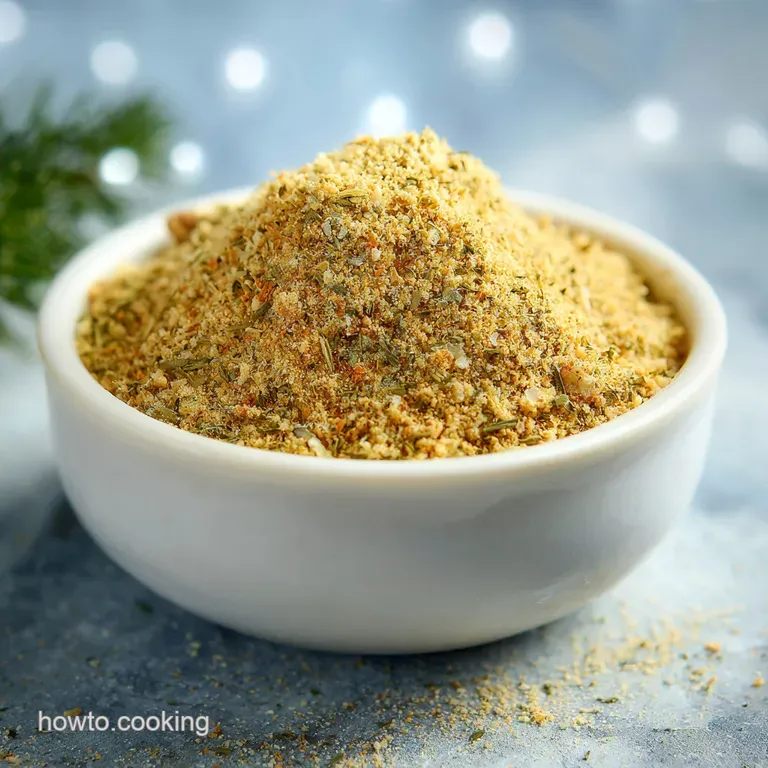
- Prep the base. Place the 1 cup of nutritional yeast in a blender or clean spice grinder. Pulse for 10 seconds until it becomes a fine powder. Note: This ensures it doesn't float on top of your soups.
- Combine the aromatics. In a medium glass bowl, whisk together the pulverized yeast, 2 tbsp garlic powder, and 2 tbsp onion powder.
- Integrate the seasoning. Add the 2 tbsp sea salt and 1 tbsp coconut sugar to the bowl. Whisk vigorously until no streaks of white remain.
- Add the color. Stir in the 1 tsp ground turmeric. Watch for the mixture to turn a uniform golden yellow. Note: Turmeric stains, so use a metal or glass bowl.
- Fold in the herbs. Gently mix in the 1 tbsp dried parsley, 1 tsp thyme, 1 tsp sage, and 0.5 tsp marjoram. Ensure the green flecks are evenly distributed.
- Season with heat. Add the 1 tsp black pepper and give it one final thorough stir.
- Sift for perfection. If you want a truly professional "bouillon powder," pour the mixture through a fine mesh sieve. Note: This removes any large herb stems that didn't grind down.
- Transfer and seal. Use a funnel to pour the blend into a clean, dry 8 ounce glass jar.
- Label your creation. Mark the date on the jar. Tightly secure the lid to keep moisture out.
- Taste test. Mix 1 teaspoon into 1 cup of hot water. Sip to check the balance of salt and herbs.
Refining Your Technique for Maximum Flavor
Even with a simple mix, small adjustments can change everything. One thing I've learned the hard way is that humidity is the enemy of any DIY seasoning. If you live in a damp climate, the onion powder will try to turn into a rock.
To prevent this, I sometimes add a few grains of dry rice to the bottom of the jar to act as a natural desiccant.
Achieving Instant Solubility
To make this blend perform like a professional concentrate, the particle size must be consistent. If the nutritional yeast flakes are too large, they won't dissolve; they'll just soften and float. Always take that extra minute to grind the yeast. This makes it perfect for adding to a Rosemary Chicken Sauce recipe where you need a smooth, velvety finish without any grit.
Avoiding Salt Saturation
Since we are using 2 tbsp of sea salt, it's important to remember that this is a concentrate. I always tell my friends to season their dish with the bouillon first, then taste before adding any extra salt. It’s much easier to add more later than to try and fix a soup that’s become a salt lick.
| Problem | Root Cause | Solution |
|---|---|---|
| Clumping | Moisture exposure | Add a small food safe silica packet or rice grains. |
| Dull Flavor | Old dried herbs | Toast the herbs in a dry pan for 30 seconds before mixing. |
| Gritty Texture | Large yeast flakes | Grind the yeast into a fine powder before adding other ingredients. |
Common Mistakes Checklist
- ✓ Using wet measuring spoons (causes immediate clumping in the jar).
- ✓ Skipping the grinding step for the nutritional yeast (results in "floaties" in your soup).
- ✓ Storing the jar right above the stove (the steam from cooking will degrade the herbs).
- ✓ Forgetting to shake the jar before use (finer particles settle at the bottom over time).
- ✓ Using table salt instead of sea salt (makes the blend taste overly harsh and metallic).
Exploring Bold and Wholesome Custom Blends
Once you’ve mastered the base, you can start playing with the profile to suit your family’s specific tastes. If you’re cooking a lot of Southwestern dishes, you can easily pivot this into a smoky version. I love doing this when I'm making a base for rice or beans.
Crafting a Smoky Chipotle Version
Add 1 teaspoon of smoked paprika and a half teaspoon of chipotle powder to the standard recipe. This creates a deep, reddish gold bouillon that is incredible for tortilla soup or seasoning roasted corn. The smoke complements the nutritional yeast's savoriness in a way that feels very "fire roasted."
Developing a Low FODMAP Blend
For those with sensitive tummies, you can omit the garlic and onion powders. Replace them with 1 tablespoon of dried chives and a pinch of asafoetida (hing). It still provides that savory "allium" lift without the digestive distress.
It’s all about building confidence in your ability to tailor your food to your needs.
Preserving Potency and Reducing Kitchen Waste
This Chicken Bouillon Seasoning is quite shelf stable, but it won't last forever. I find that the flavor is at its peak for about 6 months. After that, the herbs start to lose their punch. I always write the "born on" date on a piece of masking tape at the bottom of the jar so I never have to guess.
If you find yourself with a jar that’s nearing its 6 month mark and you haven't used it all, don't toss it! This is where the zero waste mindset comes in. Use the remaining powder as a dry rub for vegetables before roasting.
It’s a fantastic way to use up the last bits while adding a nutritious boost to broccoli or cauliflower.
- Storage: Keep in a cool, dark pantry. Avoid the "spice rack" that sits in direct sunlight.
- Freezing: You can actually freeze the dry powder in a vacuum sealed bag for up to a year if you make a massive batch.
- Reheating: When adding to leftovers, mix the powder with a little splash of water first to ensure it integrates evenly into the cold food before heating.
Integrating Your Blend into Family Meals
This seasoning is a workhorse in my kitchen, far beyond just making soup. Because it’s a dry powder, you can use it to season things that a liquid stock would ruin. For instance, I love tossing popcorn in a little melted butter and a dusting of this bouillon.
It’s like a wholesome, savory "chicken flavored" snack that the kids absolutely adore.
It also pairs perfectly with my Parmesan Crusted Chicken recipe. Instead of just using plain salt in the breading, I’ll swap in a teaspoon of this blend. It reinforces the chicken flavor within the crust itself, making the whole dish taste much more cohesive and professional.
Decision Shortcuts
- If you want a richer "dark meat" flavor: Add 1/2 tsp of unsweetened cocoa powder (trust me, it adds depth without chocolate taste).
- If you want it to dissolve in cold water: Pulse the entire finished recipe in the blender one last time until it’s a literal dust.
- If you want a "creamy" finish: Mix 1 part bouillon with 1 part heavy cream powder for an instant cream of-chicken base.
Scaling the Ingredients
- To make a half batch: Since we use 1 egg in many recipes but none here, scaling is easy. Just halve every measurement exactly. Use a smaller 4 ounce jar to minimize the air headspace.
- To double the batch: Scale the herbs and powders by 2x, but I recommend only increasing the salt to 1.5x initially. You can always add more salt to the final dish, but you can't take it out of the master blend. Work in two separate bowls if your blender is small to ensure the yeast is ground evenly.
Kitchen Myths and Realities
There is a common misconception that the yellow color in bouillon comes from chicken fat or meat extracts. In reality, most commercial brands use yellow dyes or a heavy amount of turmeric.
By making it yourself, you realize that the color is just an aesthetic choice, and the actual "chicken" flavor comes from the harmony of the herbs and the umami rich yeast.
Another myth is that you need MSG (Monosodium Glutamate) to get that addictive bouillon taste. While MSG is a powerhouse of flavor, the nutritional yeast in this recipe provides naturally occurring glutamates.
You get that same savory "pop" and "mouth watering" sensation through wholesome, whole food ingredients rather than isolated additives. It’s a much more balanced way to season your food while maintaining control over what goes into your family's bodies.
Chicken Bouillon Seasoning FAQs
What's the difference between chicken seasoning and chicken bouillon?
Bouillon is concentrated stock flavor, seasoning is broader. Chicken bouillon typically refers to a dehydrated form designed to replicate rich stock, whereas general chicken seasoning is a spice blend for flavoring meat before cooking.
What is a substitute for chicken bouillon?
Use high-quality nutritional yeast mixed with salt and herbs. This DIY blend mimics the savory (umami) depth of bouillon without the commercial additives found in cubes or granules.
What does chicken bouillon add to a dish?
It primarily adds deep savory (umami) flavor and a characteristic golden color. This concentrated flavor foundation rapidly elevates simple liquids, mimicking the taste of long simmered bone broth.
Is chicken bouillon healthy?
store-bought bouillon is often high in sodium and fillers, but homemade versions can be very healthy. Our recipe relies on nutritional yeast and spices, allowing you to fully control the sodium content and avoid artificial enhancers.
How do I use this seasoning instead of a liquid broth in a soup?
Dissolve the desired amount of seasoning in a small amount of hot water first. Whisk 1 teaspoon of the powder into 1 cup of hot water until completely clear before adding it to your soup base.
Can I use this dry seasoning as a rub for roasting chicken?
Yes, this dry seasoning works excellently as a savory rub or marinade base. If you enjoyed mastering the sensory doneness cues needed for roasting meat, apply those same principles when using this rub before you start your roast.
Is it true that homemade bouillon seasoning doesn't taste as savory as commercial cubes?
No, this is a common misconception based on MSG reliance. Nutritional yeast provides intense, natural glutamates that create a satisfying umami depth similar to meat stock, often tasting cleaner than commercial products.
Homemade Chicken Bouillon Seasoning
Ingredients:
Instructions:
Nutrition Facts:
| Calories | 10 kcal |
|---|---|
| Protein | 0.7 g |
| Fat | 0.1 g |
| Carbs | 1.4 g |
| Fiber | 0.3 g |
| Sugar | 0.3 g |
| Sodium | 292 mg |
