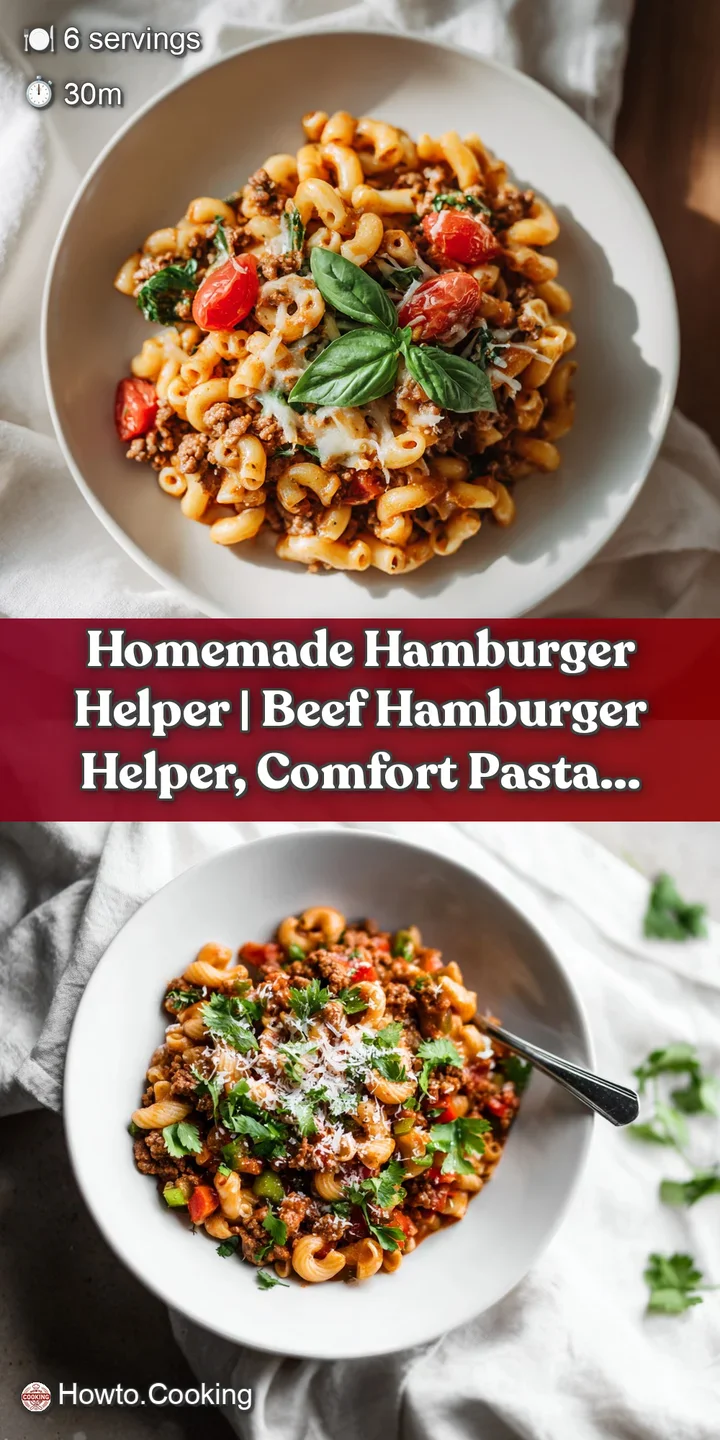
Homemade Hamburger Helper: Creamy One-Pot Beef Pasta
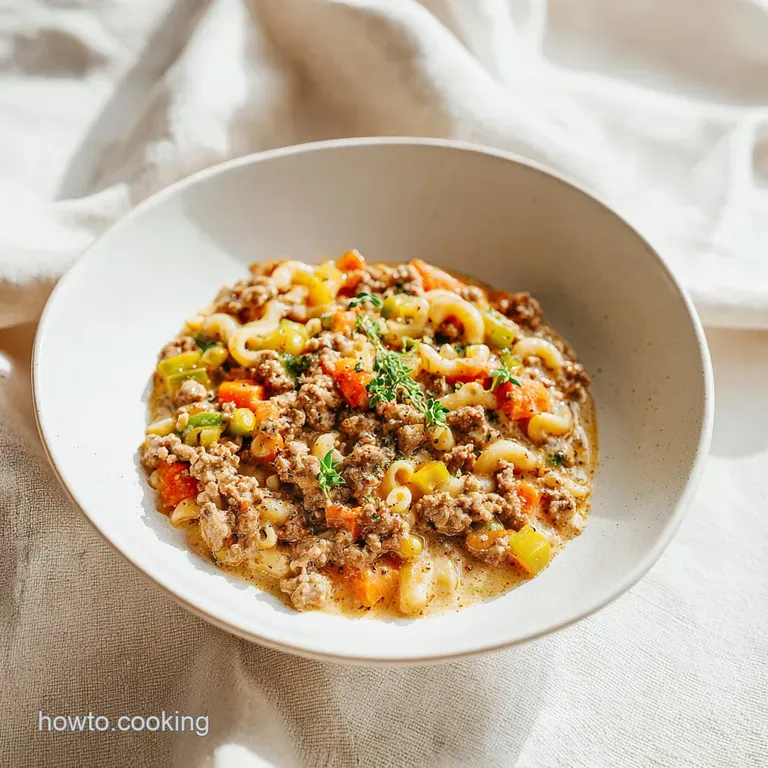
- Time: Active 10 minutes, Passive 20 minutes, Total 30 minutes
- Flavor/Texture Hook: Velvety, sharp cheddar sauce with savory beef and tender pasta
- Perfect for: Busy weeknights, budget-friendly meal prep, and picky eaters
- Essential Preparation Details for This One Pot Meal
- Selecting Wholesome Ingredients for a Richer Beef Pasta Sauce
- Minimal Tools Required for This Effortless Skillet Dinner
- Step By Step Method for the Creamiest Hamburger Pasta
- Proven Solutions for Common Pasta Sauce Consistency Issues
- Wholesome Variations to Suit Your Family Table Preferences
- Smart Storage and Reheating Tips for Leftover Beef Macaroni
- Perfect Serving Suggestions for Your Satisfying Skillet Creation
- High in Sodium (⚠️)
- Recipe FAQs
- 📝 Recipe Card
Essential Preparation Details for This One Pot Meal
Understanding the mechanics of your meal makes the cooking process much more intuitive. When we cook everything in one pan, we aren't just saving on dishes. We are actually building a better sauce. Most people boil pasta in a huge pot of water and then drain all that liquid gold down the sink.
In this recipe, the pasta cooks directly in the beef broth and milk, meaning every bit of starch released stays in the pan to act as a natural thickener.
- Starch Suspension: Cooking the macaroni directly in the sauce liquid allows the starches to thicken the milk and broth into a velvety coating.
- Fond Development: Searing the beef and onions creates browned bits on the pan surface that dissolve into the sauce for a deeper, savory flavor.
- Fat Emulsification: The proteins in the whole milk and the fats from the beef bind together when simmered slowly, preventing a greasy finish.
- Gentle Simmering: Keeping the heat at medium low ensures the milk does not curdle and the pasta cooks evenly without breaking apart.
Before we get into the heavy lifting, it helps to decide which cooking method fits your schedule. While the stovetop is the classic way to handle this homemade hamburger helper recipe, some people prefer the hands off nature of a bake. Here is how they compare so you can choose what works best for your kitchen tonight.
| Cooking Method | Total Time | Texture Result | Best For |
|---|---|---|---|
| Skillet Stovetop | 30 minutes | Extra creamy and silky | Quick weeknight meals |
| Oven Casserole | 45 minutes | Crispy cheese edges | Making ahead for crowds |
| Slow Cooker | 4 hours | Very soft and tender | Busy days out of the house |
While the oven gives you those lovely browned bits on top, the stovetop method is truly the gold standard for that "helper" experience. It keeps the sauce liquid and flowing, which is exactly what we want for a comforting bowl of cheeseburger macaroni.
Selecting Wholesome Ingredients for a Richer Beef Pasta Sauce
The magic of this easy homemade hamburger helper starts with the quality of what you put in the pan. We aren't looking for gourmet rarities here. We want reliable, nutritious staples that punch above their weight class.
Using lean ground beef is key because it provides plenty of protein without leaving a massive pool of oil that would break our sauce.
| Ingredient | Science Role | Pro Secret |
|---|---|---|
| Ground Beef (Lean) | Primary protein and fat source | Let it sit at room temp for 10 mins to get a better sear. |
| Whole Milk | Emulsifier and liquid base | Always use full fat; the proteins prevent the sauce from breaking. |
| Elbow Macaroni | Starch provider and texture | Don't rinse them; you need that surface starch for thickening. |
| Sharp Cheddar | Flavor and viscosity | Shred it yourself from a block to avoid grainy anti caking agents. |
One of the biggest mistakes people make is using pre shredded cheese. Those bags are coated in potato starch or cellulose to keep the shreds from sticking together in the package. Unfortunately, that same coating prevents the cheese from melting smoothly into your sauce, often leading to a gritty or "broken" texture.
Grating your own cheese takes maybe two minutes, but the difference in how it melts is huge.
- Lean Ground Beef (1 lb): 90/10 or 85/15 is the sweet spot.
- Yellow Onion (1 small): Provides a sweet, savory base that disappears into the sauce.
- Garlic (3 cloves): Freshly minced is non negotiable for the best aroma.
- Tomato Paste (2 tbsp): Adds a concentrated hit of umami and helps darken the sauce.
- Spices (Paprika, Garlic/Onion Powder, Mustard Powder): This blend mimics that "boxed" flavor but with actual depth.
- Beef Broth (2 cups): Low sodium is best so you can control the salt levels yourself.
- Whole Milk (2 cups): This provides the creaminess that makes it feel like a treat.
- Elbow Macaroni (8 oz): The classic shape for holding onto the sauce.
- Sharp Cheddar (2 cups): Freshly shredded for a smooth, glossy finish.
If you are looking for a smoky twist to this flavor profile, you might want to try adding a splash of Homemade BBQ Sauce during the simmering stage. It adds a tangy sweetness that pairs incredibly well with the sharp cheddar.
Minimal Tools Required for This Effortless Skillet Dinner
You don't need a kitchen full of gadgets to make a high-quality homemade hamburger helper. In fact, this is one of those meals where less is definitely more. Using a single, deep skillet is actually better than using multiple pots because it keeps all the flavors concentrated in one place.
- 12 inch Deep Skillet: A high sided pan (like a sauté pan) is vital so you can stir the pasta without it flying over the edges.
- Wooden Spoon: Ideal for scraping the bottom of the pan to release the "fond" (those tasty browned beef bits).
- Box Grater: Essential for shredding that block of sharp cheddar.
- Measuring Cups/Spoons: Precision matters when balancing the liquid to pasta ratio.
Chef's Tip: If you have a cast iron skillet, use it! The heat retention is fantastic for keeping the simmer consistent once you add the cold milk and broth. Just make sure it is well seasoned so the pasta doesn't stick to the bottom.
step-by-step Method for the Creamiest Hamburger Pasta
Now we get into the actual cooking. The goal here is to build layers of flavor starting from the bottom of the pan and moving up. We want to hear a clear, distinct sizzle when the meat hits the pan.
If the pan isn't hot enough, the beef will just steam in its own juices and turn gray rather than developing that beautiful brown crust we are after.
1. Searing for Maximum Flavor
Set your large skillet over medium high heat. Add the ground beef and diced onion. Cook this for about 5-7 minutes, breaking the meat apart with your spoon, until the beef is browned and the onions are soft and translucent. Add the minced garlic and tomato paste, stirring constantly for 1 minute.
You want the tomato paste to darken slightly and the garlic to smell fragrant but not burnt.
2. The One Pot Liquid Infusion
Add the smoked paprika, garlic powder, onion powder, salt, pepper, and mustard powder. Stir well so the spices toast slightly in the beef fat. Now, pour in the beef broth and whole milk. Use your wooden spoon to scrape the bottom of the pan.
This is called deglazing, and it pulls all that cooked on beef flavor back into the liquid.
3. Simmering to Al Dente
Stir in the uncooked elbow macaroni. Bring the whole mixture to a gentle boil, then immediately turn the heat down to medium low. Cover the pan with a tight fitting lid. This traps the steam, which helps the pasta cook evenly. Simmer for 10-12 minutes.
You’ll want to stir it every 3 or 4 minutes to make sure no noodles are sticking to the bottom.
4. Creating the Velvet Glow
Once the pasta is tender and the liquid has thickened into a creamy sauce, remove the skillet from the heat. This is a crucial step! If the pan is too hot when you add the cheese, the cheese can "break" and become oily.
Gradually fold in the shredded sharp cheddar cheese, stirring until it is completely melted and smooth. The sauce will look a bit thin at first, but it will thicken up perfectly as it sits for a minute. Garnish with parsley and serve.
Proven Solutions for Common Pasta Sauce Consistency Issues
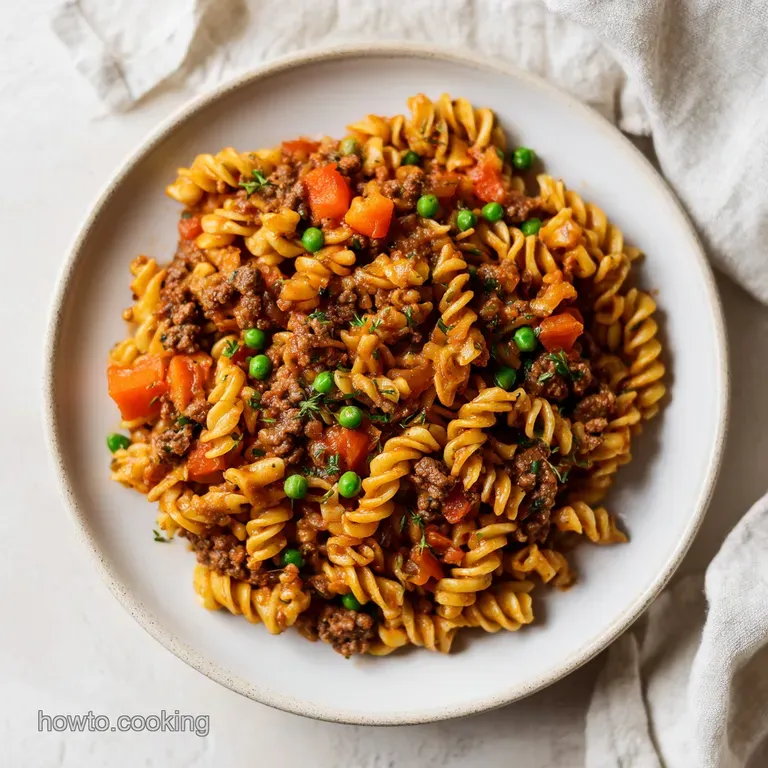
Even the most seasoned cooks run into trouble sometimes. The most common issue with a homemade hamburger helper beef pasta is the sauce not thickening or the pasta becoming a gummy mess. Usually, this comes down to heat control. If the heat is too high, the liquid evaporates before the pasta can release its starch.
If it's too low, the pasta just sits there and gets bloated.
To Fix a Broken or Oily Sauce
If you see beads of oil separating from the sauce, it usually means the heat was too high when you added the cheese. You can often fix this by adding a tiny splash of cold milk and whisking vigorously. The cold liquid and the mechanical action help the fats and proteins rejoin.
To Prevent Mushy Overcooked Pasta
Check your pasta 2 minutes before the timer goes off. You want it "al dente," which means it still has a slight bite to it. Remember, the pasta will continue to cook slightly in the residual heat of the sauce even after you turn the stove off.
| Problem | Root Cause | Solution |
|---|---|---|
| Thin, watery sauce | Not enough simmering time | Simmer uncovered for 2-3 extra minutes to reduce liquid. |
| Gritty texture | Pre shredded cheese used | Use block cheese and add it off the heat. |
| Stick to the pan pasta | Not enough stirring | Stir every 3 minutes and ensure heat is medium low. |
Common Mistakes Checklist
- ✓ Pat the beef dry if it looks moist before hitting the pan (better browning).
- ✓ Don't drain the fat unless there is more than 2 tablespoons (fat carries flavor).
- ✓ Always use a lid while simmering (prevents too much evaporation).
- ✓ Use whole milk rather than skim (skim often curdles or stays watery).
- ✓ Wait 60 seconds after removing from heat before adding the cheese.
Wholesome Variations to Suit Your Family Table Preferences
The beauty of a homemade hamburger helper recipe is how easily it adapts to what you have in the pantry. While the classic cheeseburger macaroni is a crowd pleaser, you can pivot this into something more sophisticated or even a bit healthier depending on your mood.
For Homemade Beef Stroganoff Pasta
Swap the cheddar for 1/2 cup of sour cream and add a handful of sliced mushrooms when you are browning the beef. The sour cream provides a tangy, velvety finish that is traditional for stroganoff.
You can also use wide egg noodles instead of elbows, though you may need to add an extra 1/4 cup of broth as egg noodles are quite thirsty.
Scaling the Recipe Up or Down
If you are cooking for a larger crowd, you can easily double this. When scaling up, use a very large pot or a Dutch oven instead of a skillet. Keep the spices at about 1.5x the original amount first, then taste at the end, as salt and pepper can become overwhelming when doubled perfectly.
If you are scaling down to half, use the smallest skillet you have to ensure the liquid still covers the pasta during the simmer.
- To double: Use a 5 quart pot, 2 lbs beef, 1 lb pasta, 3.5 cups broth, and 3.5 cups milk.
- To halve: Use an 8 inch skillet and use 1/2 pound of beef with 4 oz of pasta.
Kitchen Myths Debunked
- Myth: You must boil the pasta separately to avoid a "starchy" taste. Truth: The starch is actually your best friend in a one pot meal; it is what creates the creamy emulsion without needing a heavy roux or flour.
- Myth: Adding oil to the pasta water prevents sticking. Truth: In a one pot sauce, oil just makes the pasta slippery, which prevents the delicious sauce from actually clinging to the noodles.
Smart Storage and Reheating Tips for Leftover Beef Macaroni
Leftovers of this dish are actually fantastic the next day because the flavors have more time to meld. However, pasta is like a sponge; it will continue to soak up the sauce as it sits in the fridge. When you go to reheat it, you might find a solid block of noodles instead of a creamy dish.
Storage: Store any leftovers in an airtight container in the refrigerator for up to 4 days. I don't recommend freezing this dish once the cheese and milk have been added, as the dairy can separate and become grainy upon thawing, and the pasta often turns to mush.
Reheating: To get that creamy texture back, add a tablespoon or two of milk or water to your bowl before microwaving or heating on the stovetop. This "loosens" the starch and brings the sauce back to life. Heat it gently; high heat will make the cheese oily.
Zero Waste Tip: If you have leftover onion scraps or garlic skins, don't toss them! Toss them into a freezer bag. Once the bag is full, you can boil those scraps with water to make a quick vegetable base for future soups or stews.
It is a great way to squeeze every bit of value out of your grocery bill.
Perfect Serving Suggestions for Your Satisfying Skillet Creation
This meal is a heavy hitter on its own, so I usually like to pair it with something bright or crunchy to balance out the richness of the cheese. A simple green salad with a vinaigrette works wonders. If you want to keep the "snack inspired" theme going, you could serve these alongside some Air Fryer Cottage Cheese Chips for an extra hit of protein and a satisfying crunch.
If you find yourself wanting a little extra kick, a dash of hot sauce or a sprinkle of red pepper flakes over the top right before serving is brilliant. It cuts through the creaminess of the whole milk and sharp cheddar.
- For a Healthier Kick: Stir in two cups of fresh baby spinach at the very end. The heat from the pasta will wilt the spinach in seconds, adding color and nutrients without changing the flavor profile much.
- If you want it extra gooey: Add 1/4 cup of mozzarella along with the cheddar. It provides that "cheese pull" that kids absolutely love.
- If you want it more savory: Add a teaspoon of Worcestershire sauce when you add the broth. It deepens the beefy flavor significantly.
Right then, you are all set to ditch the box and make something truly special. Trust me on this one, once you taste the difference that fresh cheese and real milk make, you will never look back at the dehydrated version again. It is fast, it is simple, and it is the ultimate comfort food for a reason. Enjoy!
High in Sodium (⚠️)
840 mg 840 mg of sodium per serving (37% 37% of daily value)
The American Heart Association recommends a limit of about 2,300mg per day, with an ideal limit of 1,500mg for most adults.
Tips to Reduce Sodium
-
Switch to Low Sodium Broth-30%
Replace the 2 cups of regular beef broth with low-sodium beef broth. This is a major sodium contributor and a direct swap will significantly reduce salt.
-
Halve the Added Salt-15%
Reduce the added 0.5 tsp salt by half, to 0.25 tsp. You can always add more salt to taste at the table if needed.
-
Use Reduced Sodium Cheese-10%
Opt for a reduced sodium sharp cheddar cheese. Even a slight reduction in sodium content can make a difference when using 2 cups.
-
Boost Flavor with Herbs and Spices
While not a direct sodium reduction, incorporating a generous amount of fresh parsley and experimenting with other herbs like thyme or oregano, and spices like cumin or chili powder, can enhance flavor without adding salt.
-
Add Fresh Aromatics-5%
Increase the amount of fresh onion and garlic. Using more of these fresh ingredients can amplify the savory base of the dish, allowing you to be less reliant on salt.
Recipe FAQs
What do I need to make Hamburger Helper?
Gather 1 lb of lean ground beef, a small yellow onion, 3 garlic cloves, and 2 tbsp tomato paste. You will also need 1 tsp each of smoked paprika, garlic powder, onion powder, plus 0.5 tsp each of salt, black pepper, and dry mustard powder.
Finish the dish using 2 cups each of beef broth and whole milk, 8 oz of elbow macaroni, and 2 cups of freshly shredded sharp cheddar cheese.
Can you use milk instead of heavy cream for homemade Hamburger Helper?
Yes, use whole milk for the best results. It provides the necessary fat content to create a creamy sauce without the heaviness of cream; avoid skim milk as it is prone to curdling or leaving the sauce watery.
How many burgers will 1 lb of ground beef make?
This recipe is designed for a pasta base, not patties. Using 1 lb of ground beef in this dish provides enough protein to yield 6 hearty servings of hamburger pasta.
Do you need tomato paste for homemade Hamburger Helper?
Yes, it is essential for flavor depth. Adding 2 tbsp of tomato paste during the initial sauté helps build a savory foundation, much like the rich base we use in our classic tater tot casserole.
How to ensure the beef browns properly?
Pat the beef dry with paper towels before adding it to a preheated 12 inch skillet. Ensure the pan is at medium high heat so you hear a distinct sizzle; avoiding a crowded pan prevents the meat from steaming and turning gray.
Is it true you must rinse the pasta before adding it to the skillet?
No, this is a common misconception. You must add the elbow macaroni dry so it can absorb the seasoned beef broth and milk, which thickens the sauce as the pasta cooks.
How to get the perfect cheese melt without it separating?
Remove the skillet from the heat and wait 60 seconds before folding in the cheddar. Adding the cheese while the sauce is at a rolling boil can cause the fats to separate and break the smooth consistency of your sauce.
Homemade Hamburger Helper
Ingredients:
Instructions:
Nutrition Facts:
| Calories | 478 kcal |
|---|---|
| Protein | 28g |
| Fat | 26g |
| Carbs | 33g |
| Fiber | 2g |
| Sugar | 6g |
| Sodium | 840mg |
