Homemade Sloppy Joes from Scratch
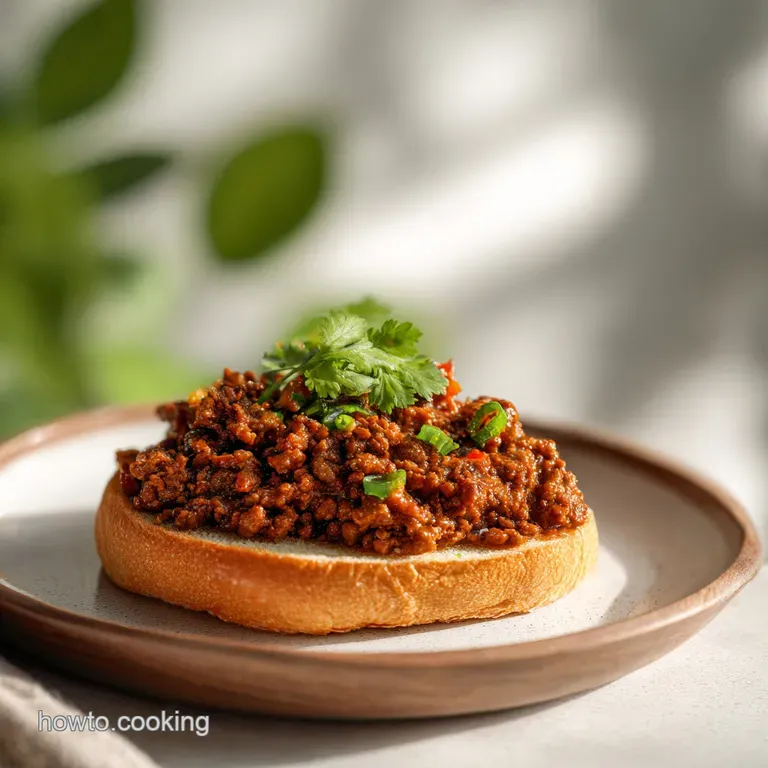
- Time: Active 10 minutes, Passive 20 mins, Total 30 mins
- Flavor/Texture Hook: Savory sweet beef with a velvety, thick sauce and tender crisp vegetables
- Perfect for: Busy weeknights and high protein meal prepping
- Mastering Your Own Homemade Sloppy Joes
- The Science Behind Savory Results
- Component Analysis
- Essential Recipe Performance Specs
- Selecting Quality Raw Components
- Tools for a Flawless Sauté
- The Step-by-Step Cooking Flow
- Correcting Common Texture Mistakes
- Smart Swaps and Flavor Twists
- Myths About This Classic
- Safe Storage and Cooling Tips
- Best Ways to Serve This
- Recipe FAQs
- 📝 Recipe Card
Mastering Your Own Homemade Sloppy Joes
There is a specific sound that happens when meat hits a properly heated stainless steel pan. It is a sharp, aggressive hiss that tells you the moisture is evaporating and the flavor is arriving.
I used to think that making this dish meant opening a red can and pouring it over grey beef, but my kitchen smelled like a cafeteria back then. Everything changed when I realized that the secret to the best version of this childhood classic isn't more sugar - it's more browning.
When you finally ditch the pre made stuff, you'll notice the difference immediately. The aroma of smoked paprika and sautéed garlic filling your home is a world apart from that stale, vinegary scent of processed sauce.
I remember the first time I got the balance right; the sauce was thick enough to coat the back of a spoon, and the beef had those little crispy edges that provide so much character. It's a wholesome, satisfying meal that makes you feel like a pro without needing a culinary degree.
We're going to use ground sirloin here because it gives us a clean beef flavor without the puddle of grease you get from cheaper cuts. You'll want to watch the pan closely during the simmer phase. That's where the magic happens as the tomato puree transforms from a thin liquid into a glossy, clingy glaze.
Trust me, once you see how easy it is to build these layers of flavor, you'll never go back to the supermarket aisle versions.
The Science Behind Savory Results
Science: Maillard Reaction: Browning the beef at a high temperature creates hundreds of new flavor compounds through the interaction of amino acids and reducing sugars. This provides the savory "umami" base that prevents the sauce from feeling overly sweet or thin.
Science: Starch Gelatinization: The tomato paste acts as a natural thickener. When heated with the moisture from the tomato puree and the rendering fat, the fibers in the paste expand and trap liquid, creating a velvety emulsion that sticks to the meat rather than running off the bun.
| Meat Thickness | Target Internal Temp | Rest Time | Visual Cue |
|---|---|---|---|
| Ground Crumbles | 160°F (71°C) | 2 minutes | No traces of pink remain |
| Hand Formed Patty | 160°F (71°C) | 5 mins | Juices run clear when pressed |
| Thick Casserole | 165°F (74°C) | 10 mins | Bubbling around the edges |
Maximizing the Maillard Reaction
If you crowd the pan with too much meat at once, the temperature drops and the beef boils in its own juices instead of searing. This results in a rubbery texture. To avoid this, let your pan get hot enough that a drop of water dances on the surface before adding your 2 lbs of ground sirloin.
You want to hear that sizzle immediately.
Balancing the PH Levels
The combination of tomato puree and Worcestershire sauce provides high acidity, which can sometimes taste harsh. By adding the brown sugar and yellow mustard, we create a chemical balance.
The sugar rounds out the sharp edges of the vinegar, while the mustard adds a tiny bit of heat and acts as a secondary emulsifier for the sauce.
Achieving Emulsified Thickness
A common mistake is stopping the simmer too early. You need enough time for the liquid to reduce so the sauce becomes concentrated. As the water evaporates, the sugars and fats begin to bind more tightly. This creates a glossy finish that makes the meat feel luxurious rather than just "wet."
Component Analysis
| Ingredient | Science Role | Pro Secret |
|---|---|---|
| Tomato Paste | Emulsifier/Thickener | Sauté the paste for 2 mins before adding liquids to remove the "raw" metallic taste. |
| Ground Sirloin | Protein Structure | Use 90/10 lean ratio to ensure the sauce doesn't break from excess grease. |
| Yellow Onion | Moisture & Flavor | Finely dice to ensure it softens at the same rate the beef browns. |
| Worcestershire | Umami Booster | Contains fermented anchovies which provide a deep savory backbone without smelling fishy. |
Essential Recipe Performance Specs
To get this right every single time, you need to hit a few specific checkpoints. We are working with 2 lbs of ground sirloin (90/10), which is a lean, flavorful starting point. Because the fat content is lower, we don't have to worry about a greasy finished product, but we do have to be careful not to overcook the meat into dry pebbles.
The active simmer time is the most critical variable. You are looking for exactly 10 minutes of bubbling over medium low heat. This is the window where the tomato puree and the aromatics truly fuse. If you want a deeper flavor profile similar to a slow cooked meal, you can extend this simmer, but you'll likely need to add a tablespoon of water to keep it from getting too thick. If you're looking for another pantry staple project, my Homemade BBQ Sauce recipe uses a similar reduction technique to build bold flavors.
Selecting Quality Raw Components
- 2 lbs ground sirloin (90/10):Why this? Leaner beef prevents the sauce from separating and keeps the dish feeling light.
- Substitute: Ground turkey (93/7) for a lower calorie alternative.
- 1 large yellow onion:Why this? Provides a foundational sweetness that balances the spices.
- Substitute: White onion for a sharper, more pungent bite.
- 1 green bell pepper:Why this? Adds the traditional earthy crunch essential to this dish.
- Substitute: Red bell pepper for a sweeter, more colorful profile.
- 3 garlic cloves:Why this? Fresh garlic offers an aromatic punch that powder cannot match.
- Substitute: 1.5 tsp garlic powder if fresh is unavailable.
- 1 cup tomato puree:Why this? Creates a smooth, consistent base for the sauce.
- Substitute: Crushed tomatoes for a more rustic, chunky texture.
- 3 tbsp tomato paste:Why this? Intensifies the tomato flavor and thickens the mixture.
- Substitute: Ketchup (reduce brown sugar by half if using).
- 2 tbsp brown sugar:Why this? Adds a molasses like depth and balances the acidity.
- Substitute: Honey or maple syrup for a more natural sweetness.
- 1 tbsp yellow mustard:Why this? Provides tang and helps emulsify the fat and liquid.
- Substitute: Dijon mustard for a more sophisticated, spicy kick.
- 1 tbsp Worcestershire sauce:Why this? The "secret weapon" for savory depth and complexity.
- Substitute: Soy sauce mixed with a drop of lemon juice.
- 1 tsp smoked paprika:Why this? Gives the sauce a subtle "outdoor grill" aroma.
- Substitute: Regular paprika plus a drop of liquid smoke.
- 0.5 tsp chili powder:Why this? Adds a very mild warmth without making it spicy.
- Substitute: Cumin for earthiness without the heat.
- 0.5 tsp salt:Why this? Essential for drawing out the natural flavors of the beef.
- Substitute: Sea salt or kosher salt.
- 0.25 tsp black pepper:Why this? Provides a sharp, fresh finish to the meat.
- Substitute: White pepper for a more muted, floral heat.
Tools for a Flawless Sauté
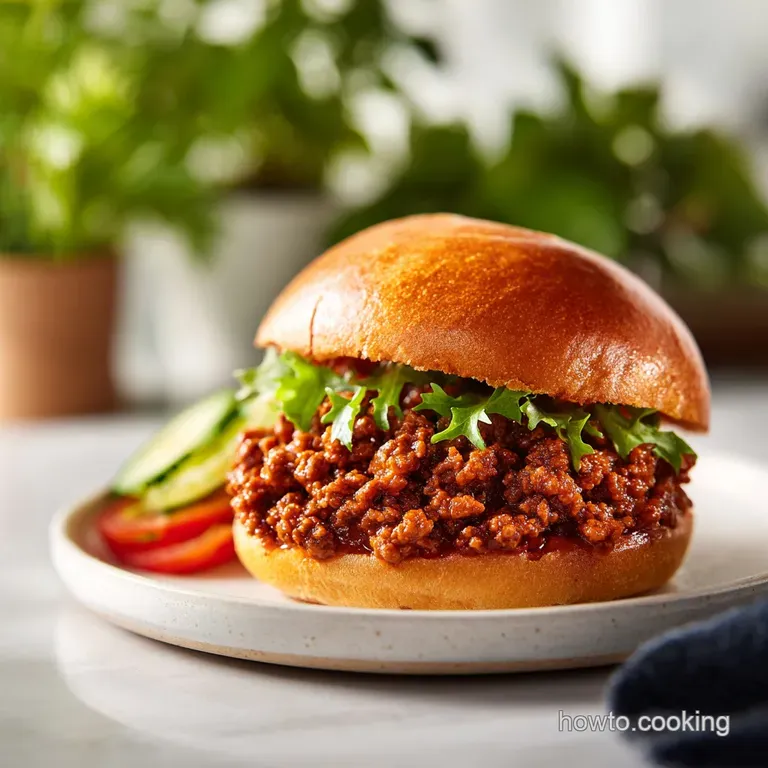
For this recipe, a large cast iron or heavy bottomed stainless steel skillet is your best friend. These pans hold heat much better than thin aluminum, which means your beef will actually sear instead of steaming.
I personally use a 12 inch skillet to ensure there is enough surface area for the 2 lbs of beef to spread out.
You'll also want a sturdy wooden spoon or a heat resistant spatula. You need something with a flat edge to scrape up the "fond" those flavorful brown bits that stick to the bottom of the pan after browning the meat. This is where the concentrated flavor lives! Don't leave it behind.
The step-by-step Cooking Flow
- Prep the vegetables. Dice the yellow onion and green bell pepper into uniform 1/4 inch pieces. Note: Consistent sizing ensures everything softens at the same rate.
- Brown the beef. Place the 2 lbs of ground sirloin in a hot skillet over medium high heat. Cook 5-7 minutes until deeply browned and no pink remains.
- Drain the excess. Remove the skillet from heat and carefully drain any excess liquid or fat. Note: Since we are using 90/10 sirloin, there should be very little to remove.
- Sauté the aromatics. Add the diced onion and bell pepper to the skillet with the beef. Cook 5 minutes until the onions are translucent.
- Add the garlic. Stir in the 3 minced garlic cloves. Cook 1 minute until fragrant and just starting to soften.
- Toast the paste. Push the meat to the sides and add the 3 tbsp of tomato paste to the center. Cook 2 minutes until the paste turns a dark brick red.
- Build the sauce. Stir in the tomato puree, brown sugar, yellow mustard, Worcestershire, smoked paprika, chili powder, salt, and pepper.
- Simmer and reduce. Lower the heat to medium low. Simmer 10 minutes until the sauce is thick and glossy.
- Final seasoning check. Taste a small spoonful of the mixture. Note: Adjust with a pinch more salt or sugar if the acidity feels too sharp.
- Toast the buns. While the meat rests for 2 minutes, lightly toast your buns in a separate pan with a little butter. Toast 1 minute until edges are golden and crisp.
Correcting Common Texture Mistakes
Rescuing a Watery Sauce
If your mixture looks more like a soup than a sandwich filling, don't panic. The most likely culprit is either under simmering or using a tomato puree with a very high water content. You can fix this by increasing the heat to medium and stirring constantly for 3-4 minutes to accelerate evaporation.
Another trick is to mash a small portion of the beef crumbles with the back of your spoon. This releases a tiny bit of natural protein and starch that can help bind the remaining liquid. Just be careful not to turn it into a paste.
| Problem | Root Cause | Solution |
|---|---|---|
| Greasy surface | Meat was too fatty or not drained | Blot the surface with a paper towel or stir in 1 tsp of flour. |
| Tough beef | Cooked too long at high heat | Add 2 tbsp of water and cover for 2 mins to rehydrate. |
| Bland flavor | Not enough salt or browning | Add a splash of Worcestershire or a pinch of salt. |
Taming Overwhelming Sweetness
Sometimes, depending on the brand of tomato puree or the specific type of brown sugar used, the sauce can end up a bit too cloying. To fix this, you need to introduce more acid or salt. A teaspoon of apple cider vinegar or a squeeze of fresh lemon juice can perform wonders.
If it’s still too sweet, a dash of hot sauce can provide a counter balance. The heat distracts the palate from the sugar and brings the savory notes of the beef back to the forefront.
Common Mistakes Checklist ✓ Skip preheating the pan (results in grey, steamed meat). ✓ Forget to toast the tomato paste (leaves a raw, metallic aftertaste). ✓ Use a bun that is too soft (it will disintegrate under the weight of the sauce).
✓ Over drain the pan (a tiny bit of fat is needed to carry the flavor of the spices). ✓ Simmering without stirring (the sugars in the sauce can scorch the bottom).
Smart Swaps and Flavor Twists
When you need to adjust this recipe for a smaller crowd, it’s quite simple. Cutting the recipe in half is straightforward just use 1 lb of beef and half of all the other ingredients. However, if you're only using half an egg (not applicable here, but good to know for other recipes), you'd beat it first.
For this dish, if you're scaling up to 4 lbs of beef for a party, don't double the chili powder immediately. Start with 1.5 times the spices and adjust at the end, as spices can become overwhelming in larger batches.
Chef's Tip: If you find yourself in a rush, you can swap the tomato puree and paste for 1.5 cups of a high-quality ketchup, but make sure to omit the brown sugar entirely to prevent it from becoming a dessert!
Crock Pot Cooking Methods
If you want to use a slow cooker, brown the beef and sauté the onions in a skillet first. This step is non negotiable for flavor. Once browned, transfer everything to the Crock Pot and cook on LOW for 3-4 hours. This allows the spices to permeate the meat deeply. If you like this hands off style, you should definitely try my Chicken and Dumplings recipe for another comforting slow simmered meal.
Going Ketchup Free and Healthy
For those watching their sugar intake, you can make this entirely ketchup free by using only the tomato puree and paste. Replace the brown sugar with a few drops of liquid stevia or simply rely on the natural sweetness of a finely grated carrot added during the onion sauté.
This adds bulk and nutrients without the glycemic spike.
| Method | Total Time | Texture | Best For |
|---|---|---|---|
| Stovetop | 30 minutes | Thick/Glossy | Quick family dinner |
| Slow Cooker | 4 hours | Very tender/Deep | Game day or parties |
| Pressure Cooker | 15 minutes | Soft/Integrated | Last minute prep |
Myths About This Classic
Myth: You must use ketchup for it to be "authentic." Actually, "Old Fashioned" versions often used tomato sauce or even chili sauce. Ketchup became the standard because it’s a pre stabilized sauce, but using tomato puree and paste gives you much more control over the quality of the ingredients.
Myth: Sloppy Joes are just deconstructed hamburgers. The chemistry is actually quite different. A hamburger relies on the fat and protein binding in a solid mass, whereas this dish uses a liquid emulsion (the sauce) to suspend the meat crumbles.
The addition of vinegar and sugar creates a "pickling" effect on the aromatics that you don't get with a standard burger.
Safe Storage and Cooling Tips
Storage: You can keep the meat mixture in an airtight container in the fridge for up to 4 days. In fact, many people (including me!) think it tastes better on day two because the spices have had more time to marry. If it gets too thick in the fridge, just add a teaspoon of water when reheating.
Freezing: This recipe freezes beautifully for up to 3 months. Let the mixture cool completely before transferring it to a freezer safe bag. Squeeze out as much air as possible to prevent freezer burn. To reheat, thaw overnight in the fridge and warm it up in a skillet over medium heat.
Zero Waste: If you have leftover sauce but no meat, use it as a base for a quick chili or mix it into a meatloaf. If you have leftover meat but no buns, it makes a fantastic topping for a baked potato or can be stirred into cooked pasta for a "Sloppy Joe Mac."
Best Ways to Serve This
The vessel is just as important as the filling. A standard white bread bun will often turn into a soggy mess within minutes. I highly recommend a brioche bun or a sturdy kaiser roll.
The higher fat content in brioche acts as a moisture barrier, while the kaiser roll has enough structural integrity to hold a heavy scoop of meat.
- If you want a classic experience, serve with crinkle cut pickles and a side of potato chips.
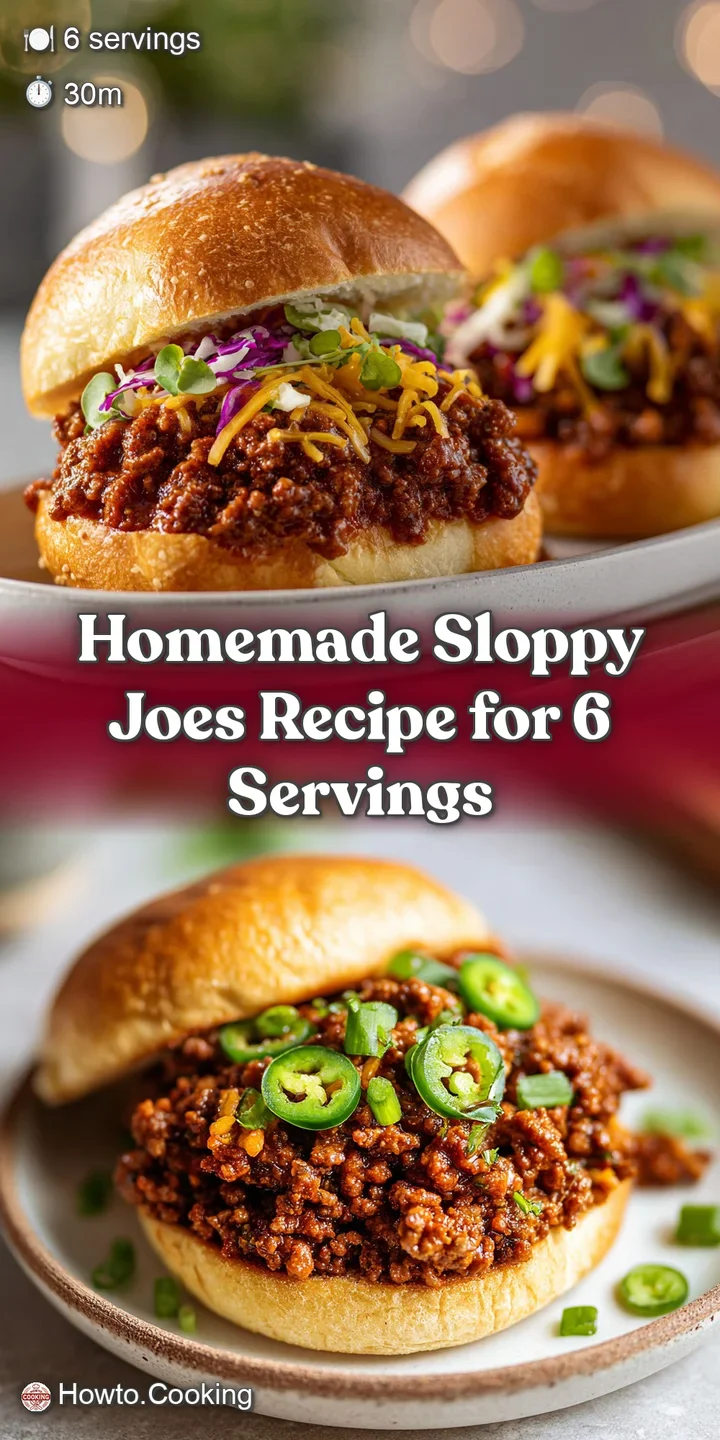
- If you want a gourmet twist, top the meat with a slice of sharp white cheddar and some pickled jalapeños.
- If you want a lighter meal, serve the meat mixture inside large butter lettuce leaves for a "Sloppy Joe Wrap."
A warm bowl of this savory beef pairs beautifully with a hearty Potato Soup Recipe during the colder months. Whatever you choose, make sure to toast the bun first it creates a "shatter" texture that contrasts perfectly with the velvety sauce. Enjoy the mess; that's half the fun!
Recipe FAQs
What are the ingredients in sloppy joes?
Standard ingredients include ground beef (sirloin recommended), onions, bell peppers, tomato puree, tomato paste, brown sugar, Worcestershire sauce, and mustard. These build the savory sweet profile that defines the dish.
What's the difference between sloppy joes and sloppy jane?
Sloppy Jane is generally a vegetarian or vegan adaptation. It substitutes the ground beef with lentils, crumbled tofu, or mushrooms while keeping the signature sweet and tangy tomato based sauce intact.
What is the original sloppy joe recipe?
The earliest documented version likely involved ground beef, onion, chili sauce, and mustard simmered together. Many modern recipes evolved from the 1930s extension of a loose meat sandwich, gaining popularity through canned sauce mixes later on.
What gives sloppy joes a tangy flavor?
The tang comes primarily from the acidity in the tomato products combined with vinegar found in Worcestershire sauce and yellow mustard. Balancing this acidity with brown sugar is key to achieving that classic, complex flavor profile.
How do I make the sauce thicker without adding flour?
Simmer the sauce uncovered for 10-15 minutes longer, stirring frequently. Evaporation concentrates the natural starches and sugars present in the tomato paste, leading to a glossy, clingy glaze.
Is it true I must use low-fat ground beef for this?
No, using leaner ground sirloin (90/10) is preferred, but you must drain excess fat after browning. If you use very high fat beef, the resulting grease separates from the sauce, making the final product oily rather than cohesive.
Can I use a slow cooker instead of the stovetop for depth of flavor?
Yes, you can finish the dish in a slow cooker, but you must brown the beef and sauté the vegetables first. Browning creates crucial flavor compounds via the Maillard reaction; If you skip this, the flavor will be flat, similar to the results of making a poor Buffalo Sauce Recipe.
Homemade Sloppy Joes In 30
Ingredients:
Instructions:
Nutrition Facts:
| Calories | 326 kcal |
|---|---|
| Protein | 31.8 g |
| Fat | 12.2 g |
| Carbs | 13.4 g |
| Fiber | 2.1 g |
| Sugar | 8.2 g |
| Sodium | 585 mg |
