Hugo Spritz Cocktail Recipe
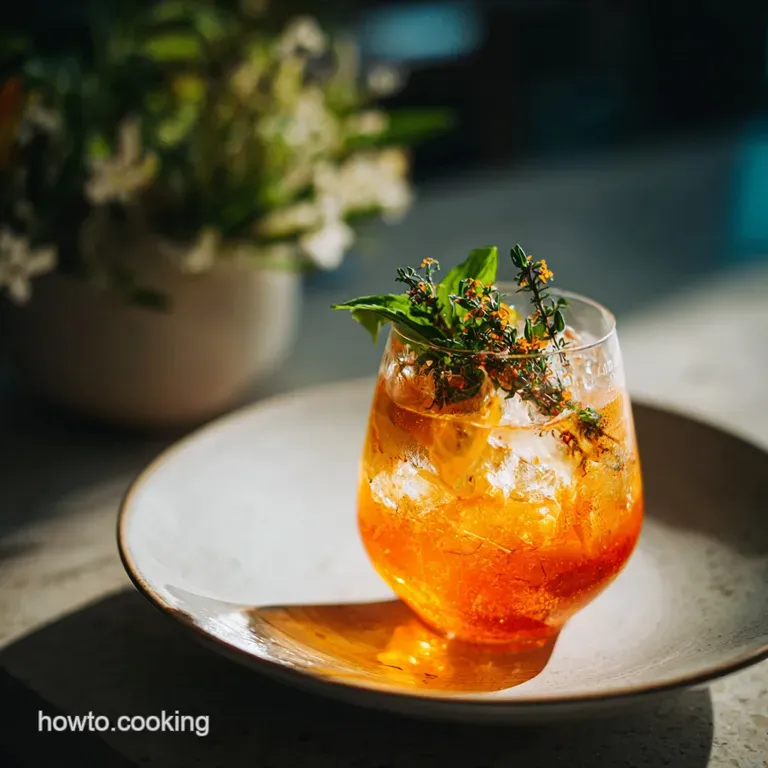
- Time: Active 5 minutes, Passive 0 minutes, Total 5 minutes
- Flavor/Texture Hook: Sparkling, floral, and herbaceous with a crisp finish
- Perfect for: Golden hour entertaining or a refreshing weekend brunch
- Crafting the Ultimate Refreshing Hugo Spritz Cocktail
- The Botanical Magic Behind This Alpine Classic
- Timing and Precision for the Perfect Pour
- The Essential Elements for Floral Refreshment
- Tools for Professional Assembly
- Assembling Your Spritz with Pro Precision
- Avoiding Flat Bubbles and Cloudy Cocktails
- Smart Adjustments for Every Palate
- Scaling for the Perfect Party Flow
- Dispelling Common Spritz Misconceptions
- Storage Guidelines and Zero Waste Tips
- Recipe FAQs
- 📝 Recipe Card
Crafting the Ultimate Refreshing Hugo Spritz Cocktail
The first time I encountered this drink, I was sitting in a sun drenched piazza in Bolzano. The air smelled like mountain pine and blooming jasmine. I watched the bartender slap a handful of mint against his wrist before dropping it into a wide bowled glass. The scent was immediate sharp, cool, and green.
When he poured the prosecco, the bubbles carried the aroma of elderflower right to my nose, and I knew my summer drinking habits had changed forever.
We often get caught up in the bitter orange of other spritzes, but this one is pure sunshine. It's lighter, more "wholesome" in its botanical roots, and surprisingly easy to get wrong if you don't respect the ratios.
I’ve spent the last few summers testing exactly how much mint is too much and whether the lime should be squeezed or just sliced. It turns out, the secret is all in the bruising.
You don't need a chemistry degree to nail this, but you do need to understand how the bubbles interact with the syrup. If you pour too fast, you lose the fizz. If you don't muddle correctly, you just have a glass of leaves.
We're going to walk through the flow so you can build these with total confidence for your next gathering.
The Botanical Magic Behind This Alpine Classic
Kinetic Aromatics: Slapping the mint leaves ruptures the chlorophyll cells and releases essential oils without making the drink bitter.
Density Layering: Adding the heavier elderflower liqueur first ensures it integrates naturally as the lighter prosecco and water are poured over it.
| Servings | Elderflower Liqueur | Prosecco | Mineral Water | Glassware |
|---|---|---|---|---|
| 1 Person | 1 oz | 3 oz | 1.5 oz | Large Wine Glass |
| 4 People | 4 oz | 12 oz | 6 oz | 50 oz Pitcher |
| 8 People | 8 oz | 24 oz | 12 oz | Large Beverage Dispenser |
This serving size guide helps you scale the botanical balance perfectly. Note that for larger groups, you'll want to add the mint and lime to the vessel first to allow the flavors to marry before the bubbles hit.
Timing and Precision for the Perfect Pour
Making a great drink is about the flow of preparation. Since we aren't cooking anything, the "heat" comes from the speed of your assembly to keep everything chilled. If you're looking for another bright option, you might also enjoy a Limoncello Spritz Summer recipe which follows a similar bubbly logic.
- Minute 1: The Chill Factor. Place your wine glass in the freezer for sixty seconds while you gather your ingredients. A room temperature glass is the enemy of carbonation.
- Minute 2: The Botanical Base. Place the 6 mint leaves and 2 lime slices in the glass. Give them a very gentle press not a grind to release the oils.
- Minute 5: The Effervescent Finish. Add the 3 ice cubes, pour the 1 oz elderflower liqueur, then slowly top with the 3 oz prosecco and 1.5 oz sparkling water. Use a long spoon to lift the fruit from the bottom once.
The Essential Elements for Floral Refreshment
To make this drink properly, you need the right components. Quality matters when there are only five ingredients involved.
- Elderflower Liqueur (1 oz): This provides the sugar and the floral backbone. Why this? Liqueur offers a cleaner, more alcoholic "snap" than sugary elderflower syrups.
- Fresh Mint Leaves (6 leaves): Look for bright green, non wilted leaves. Why this? Essential oils provide the cooling counterpoint to the sweet floral notes.
- Organic Lime (2 slices): Use organic because the rind sits directly in your drink. Why this? The zest provides oils while the flesh adds necessary acidity.
- Prosecco Brut (3 oz): Choose a "Brut" to keep the drink from becoming cloying. Why this? High carbonation and low residual sugar balance the sweet liqueur.
- Sparkling Mineral Water (1.5 oz): A high mineral water adds a crisp mouthfeel. Why this? It lengthens the drink and softens the alcohol bite.
- Large Ice Cubes (3 cubes): Larger cubes melt slower, preventing a watery mess.
| Ingredient | Science Role | Pro Secret |
|---|---|---|
| Elderflower Liqueur | Flavor Carrier | Store it in the fridge to keep the mix cold |
| Mint Leaves | Aromatic Menthol | Slap the leaves against your palm to activate oils |
| Prosecco | Acidic Structure | Pour against a tilted glass to preserve CO2 |
Tools for Professional Assembly
You don't need a full bar setup, but a few specific items help. A long handled bar spoon is better than a regular teaspoon because it allows you to reach the bottom of a large wine glass without knocking out the bubbles.
Chef's Tip: If you don't have a muddler, use the back of a wooden spoon. The goal isn't to shred the mint, but to "bruise" it until the aroma fills the air.
If you find yourself baking later, perhaps making a Christmas Spritz pressed recipe, you'll notice that "spritz" usually implies something light and airy, whether it's a cookie or a cocktail.
| Method | Time | Texture | Best For |
|---|---|---|---|
| Stovetop Syrup | 15 mins | Velvety & Thick | Making your own elderflower base |
| Quick Glass | 2 mins | Crisp & Sharp | Standard recipe with liqueur |
Assembling Your Spritz with Pro Precision
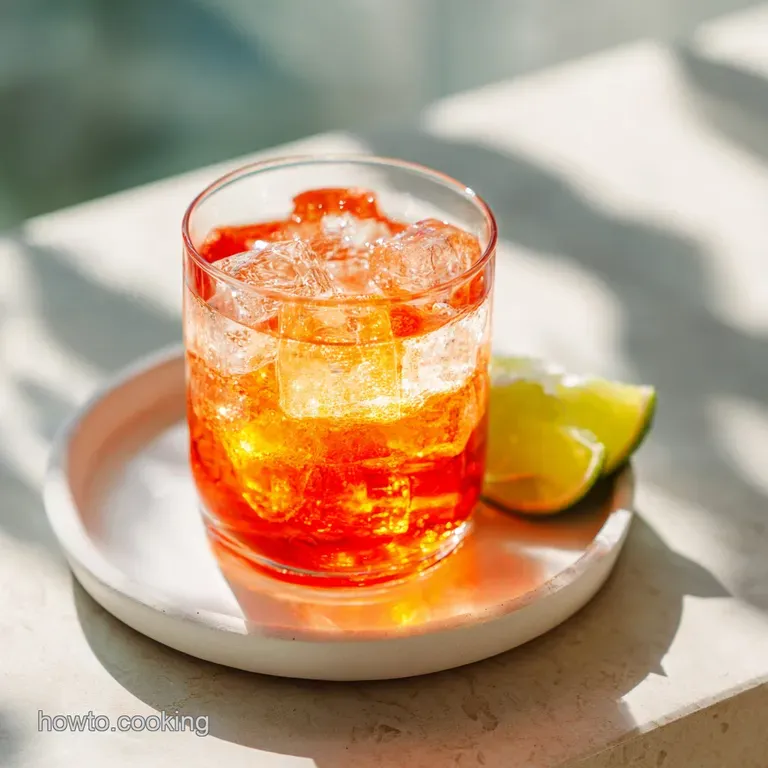
- Chill your glass. Place the wine glass in the freezer for a few minutes. Note: Cold glass prevents the ice from melting instantly upon contact.
- Prepare the mint. Place 6 fresh mint leaves in the palm of one hand and "clap" your other hand over them. Note: This releases the oils without the bitterness of crushed stems.
- Add aromatics. Drop the mint and 2 lime slices into the bottom of the glass.
- Gentle muddle. Use a muddler to press the lime and mint until the lime releases a small amount of juice.
- Measure the liqueur. Pour 1 oz elderflower liqueur over the herbs. Note: The alcohol helps extract more flavor from the mint leaves.
- Add ice. Drop in 3 large ice cubes. Watch for the condensation to form on the outside of the glass.
- The Prosecco pour. Tilt the glass at a 45 degree angle and pour 3 oz chilled Prosecco. Note: This preserves the bubbles by reducing the "crash" at the bottom.
- The bubble finish. Top with 1.5 oz sparkling mineral water.
- The lift. Insert a bar spoon to the bottom and lift once. Stop as soon as the syrup is integrated to avoid over stirring.
- Garnish. Add an extra sprig of mint on top for an immediate aromatic hit with every sip.
Avoiding Flat Bubbles and Cloudy Cocktails
The biggest mistake I see is over muddling. If you turn your mint into green confetti, the drink will taste like lawn clippings and look murky. You want the leaves intact but fragrant.
Why Your Drink Is Too Sweet
If the balance feels off, you likely used a "Dry" or "Extra Dry" Prosecco. In the world of sparkling wine, "Dry" actually means sweet. Always look for "Brut" or "Extra Brut" to provide the necessary acidic backbone that cuts through the elderflower.
| Problem | Root Cause | Solution |
|---|---|---|
| Flat Bubbles | Warm ingredients | Chill everything, including the glass and water |
| Overly Floral | Too much liqueur | Stick strictly to the 1 oz measurement |
| Bitter Aftertaste | Shredded mint | Only bruise the leaves, never grind them |
Common Mistakes Checklist
- ✓ Always use chilled sparkling water; room temp water kills Prosecco bubbles instantly.
- ✓ Slap the mint, don't chop it - chopping releases bitter chlorophyll.
- ✓ Use large ice cubes; small chips melt in seconds and dilute the floral notes.
- ✓ Pour the Prosecco slowly down the side of the glass to maintain the "sparkle."
- ✓ Don't skip the sparkling water; the "spritz" needs that extra mineral lift.
Smart Adjustments for Every Palate
If you want a different profile, the "Hugo" is surprisingly flexible. For those who want more of a kick, a Hugo Spritz with Gin (adding 0.5 oz of botanical gin) adds a lovely juniper depth that plays well with the elderflower.
- Original Ingredient: Elderflower Liqueur
- Substitute: Elderflower Syrup (0.75 oz)
Why It Works: Provides the same floral flavor without the extra alcohol. Note: Reduce the amount slightly as syrup is sweeter.
Original Ingredient: Prosecco
- Substitute: Dry Cava or Crémant
Why It Works: These offer similar carbonation and acidity. Note: Cava can be earthier, which alters the mountain fresh profile.
Original Ingredient: Sparkling Mineral Water
- Substitute: Club Soda
- Why It Works: Provides the necessary fizz. Note: Lacks the subtle saltiness of mineral water but works in a pinch.
Scaling for the Perfect Party Flow
When you're hosting a group, don't try to make these one-by-one. You'll spend the whole night at the counter. Instead, prep your "botanical base" in a large pitcher.
Scaling UP (for 8+ people): Combine the elderflower liqueur, mint, and lime in the pitcher an hour before the party. Don't add the ice or the bubbles yet! This creates a concentrated infusion.
When guests arrive, pour 1.5 oz of this "concentrate" into each ice filled glass, then top with the chilled Prosecco and water.
Scaling DOWN: Since this recipe is already for one, the only way to scale down is to make a "mocktail" version. Replace the liqueur with elderflower syrup and the Prosecco with more sparkling water or a non alcoholic sparkling cider.
If you want X, do Y:If you want a drier drink, increase the mineral water by 0.5 oz and use Extra Brut Prosecco. If you want more aroma, add a thin slice of cucumber to the glass with the mint.
If you want a visual pop, freeze pomegranate seeds into your ice cubes for a "jeweled" look.
Dispelling Common Spritz Misconceptions
One major myth is that all elderflower liqueurs are the same. While St Germain is the gold standard, smaller botanical distilleries often produce drier, more "root heavy" versions. Always taste a small drop of your liqueur first to see if it's syrupy or sharp, and adjust your lime juice accordingly.
Another misconception is that the "spritz" must be stirred vigorously. In reality, the act of pouring the sparkling water over the prosecco creates enough turbulence to mix the drink. Stirring more than once or twice simply "knocks out" the carbonation, leaving you with a flat, lackluster beverage.
Storage Guidelines and Zero Waste Tips
Storage: You cannot store a finished Hugo Spritz. The bubbles will vanish and the mint will oxidize, turning a sad shade of brown. However, you can prep the lime and mint up to 4 hours in advance if you keep them in an airtight container with a damp paper towel in the fridge.
Zero Waste: Don't toss those spent lime rinds! After you've sliced what you need for the drinks, zest the remaining skin and mix it with sugar to create a citrus infused rimmer for future cocktails.
The mint stems, which usually get thrown away, can be simmered with equal parts sugar and water to create a mint simple syrup for your morning iced tea. Even the leftover "flat" Prosecco at the end of the night can be frozen in ice cube trays and dropped into a white wine sangria the next day.
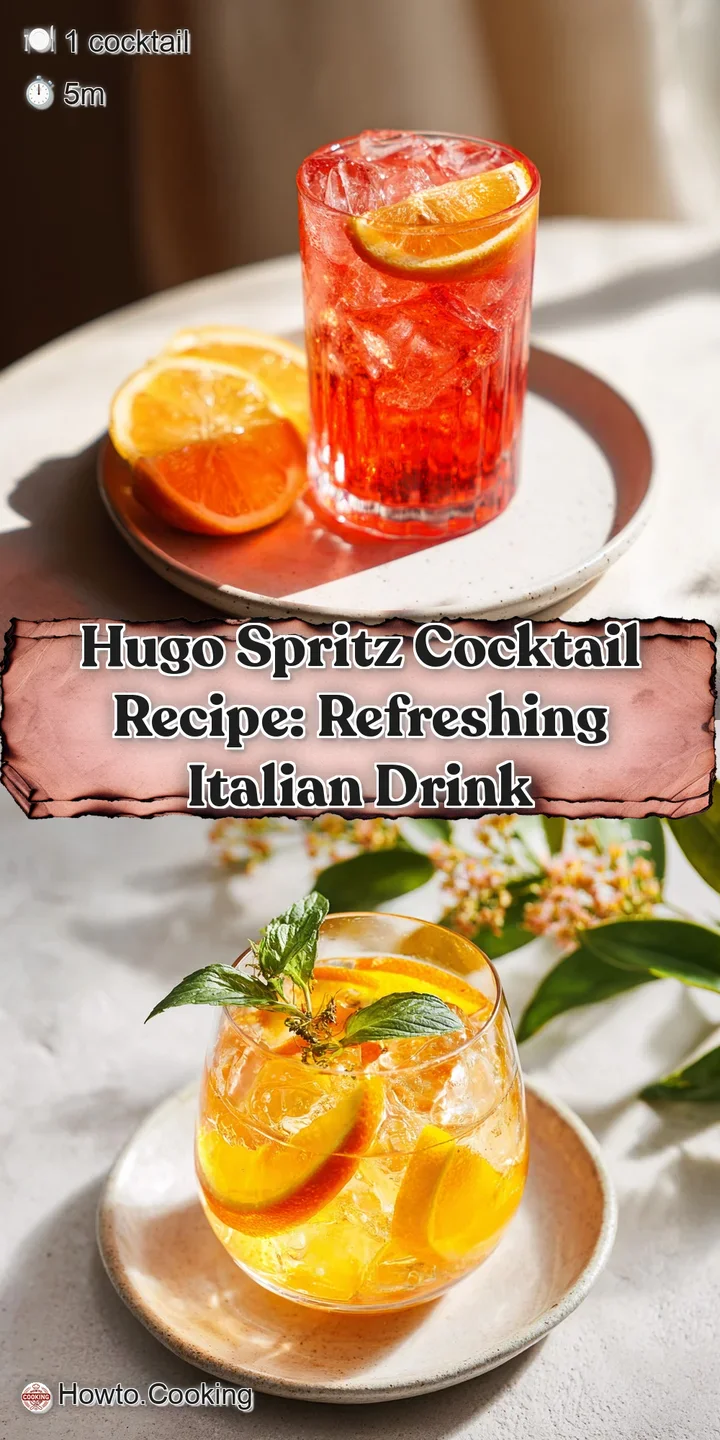
Recipe FAQs
What is a Hugo Spritz made of?
The core components are elderflower liqueur, Prosecco, sparkling mineral water, fresh mint, and lime slices. It relies on a botanical balance rather than bitter components found in other spritzes.
What is the difference between Aperol and Hugo Spritz?
The primary difference is the base liqueur; Aperol Spritz uses the bitter orange Aperol, while the Hugo uses sweet, floral elderflower liqueur. The Hugo is lighter, more herbaceous, and lacks the characteristic orange bitterness of the Aperol version.
Is Hugo Spritz popular in Italy?
Yes, it is very popular, especially in Northern Italy and the Alpine regions. It originated in the South Tyrol area and serves as a lighter, floral alternative to the heavier Venetian Aperol Spritz.
Why is it called a Hugo Spritz?
The drink was invented around 2005 by bartender Roland Gruber in the South Tyrol region. He originally named it "Hugo" after a name that sounded right for the Alpine atmosphere, though the specific reason for choosing "Hugo" is often debated.
How do I prevent my Hugo Spritz from tasting bitter?
Gently bruise the mint leaves instead of aggressively muddling or tearing them. Over muddling releases bitter chlorophyll, so press lightly just until the aromatic oils are released.
Can I substitute the Prosecco with another sparkling wine?
Yes, Cava or Crémant work as suitable substitutes. Ensure you choose a "Brut" or "Extra Brut" style to maintain the necessary acidity that balances the sweetness of the elderflower liqueur.
Should I use elderflower syrup instead of liqueur?
You can substitute syrup, but reduce the volume to maintain balance. Use about 0.75 oz of syrup instead of 1 oz of liqueur because syrup contains more sugar and less alcohol.
Hugo Spritz Cocktail Recipe
Ingredients:
Instructions:
Nutrition Facts:
| Calories | 162 kcal |
|---|---|
| Protein | 0.2 g |
| Fat | 0.1 g |
| Carbs | 11.2 g |
| Fiber | 0.4 g |
| Sugar | 8.8 g |
| Sodium | 8 mg |
